



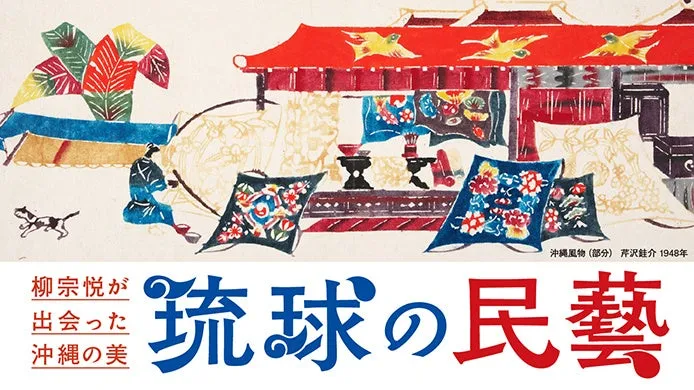
Rediscovering Okinawa's Beauty Through Mingei: A Special Exhibition
Rediscovering Okinawa's Beauty Through Mingei
Takashimaya is excited to announce an upcoming exhibition, "The Beauty of Okinawa Encountered by Yanagi Soetsu," which will take place in Tokyo and Osaka. This exhibition marks a significant milestone in 2026, coinciding with two important events: the centennial of the Mingei movement, established by Yanagi Soetsu and others, and the reconstruction of the Shuri Castle main hall, which was lost to fire in 2019.
The exhibition, organized in collaboration with the Japan Folk Crafts Museum and with the support of Okinawa Prefecture, aims to re-evaluate the unchanging value of Okinawan crafts, a beauty that Yanagi Soetsu described as a "treasure mountain" and cherished throughout his life.
Background and Highlights
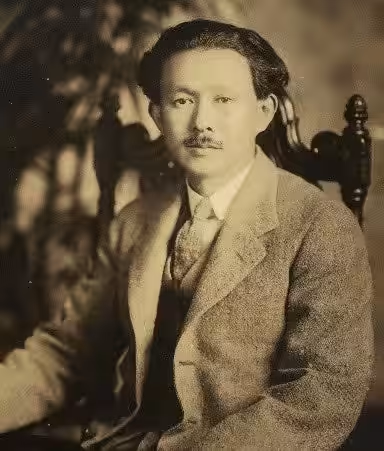
Yanagi Soetsu (1889-1961), a key figure in the Mingei movement from the late Taisho to the early Showa era, became fascinated with Okinawan crafts through his association with his classmate, Sho Shoko, the 21st head of the Ryukyu royal family. From 1938 onwards, he visited Okinawa four times to conduct research and collect crafts. Yanagi encountered vibrant textiles and robust pottery born from the island's unique environment.
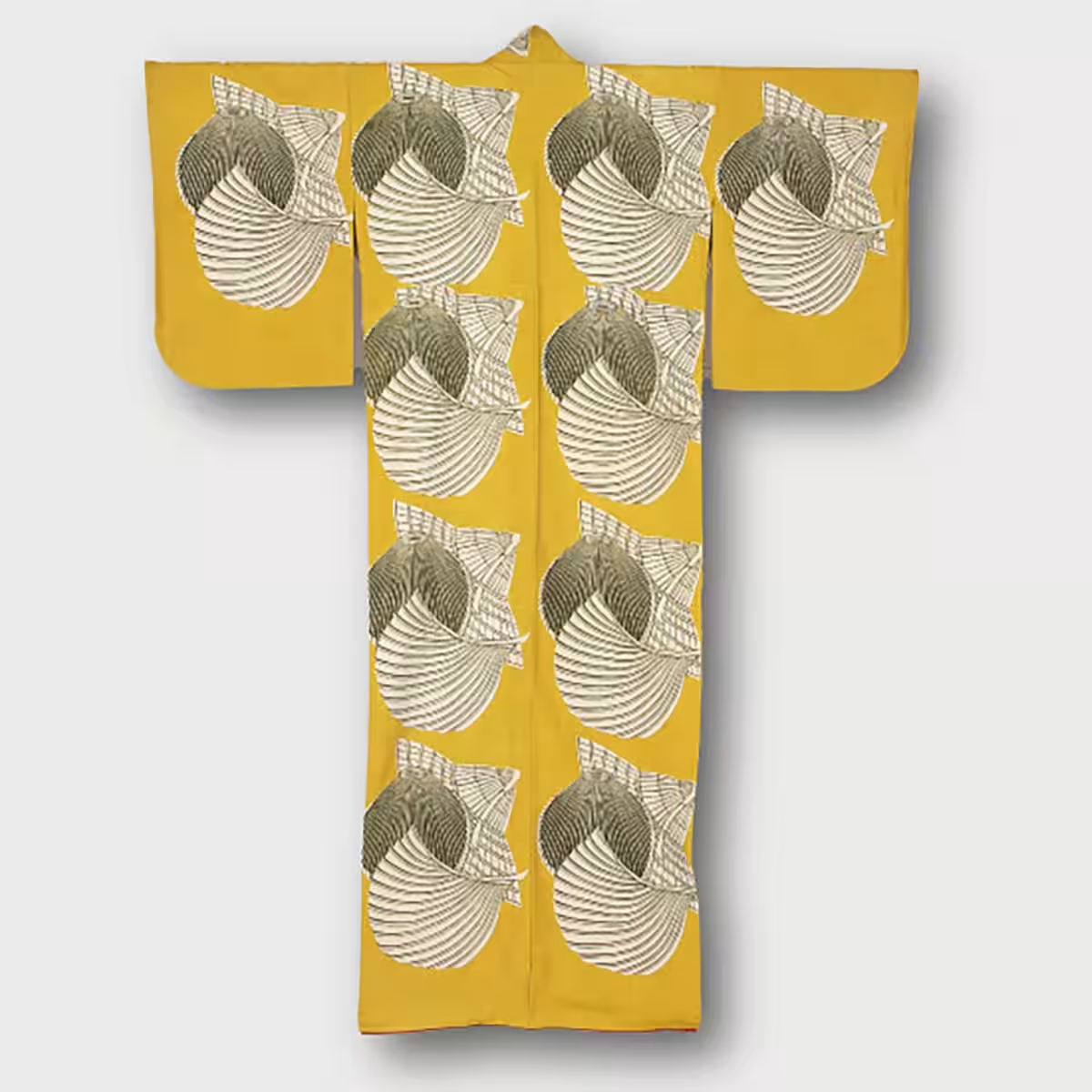
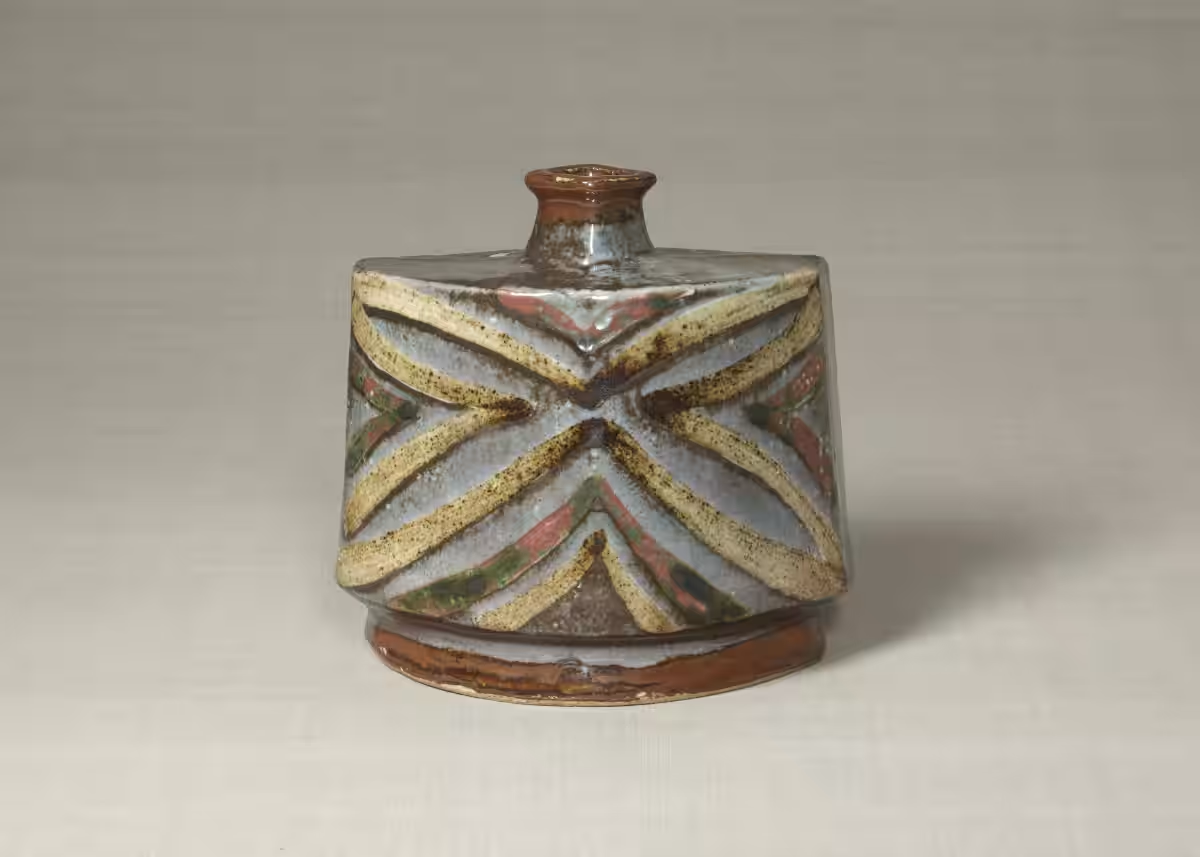
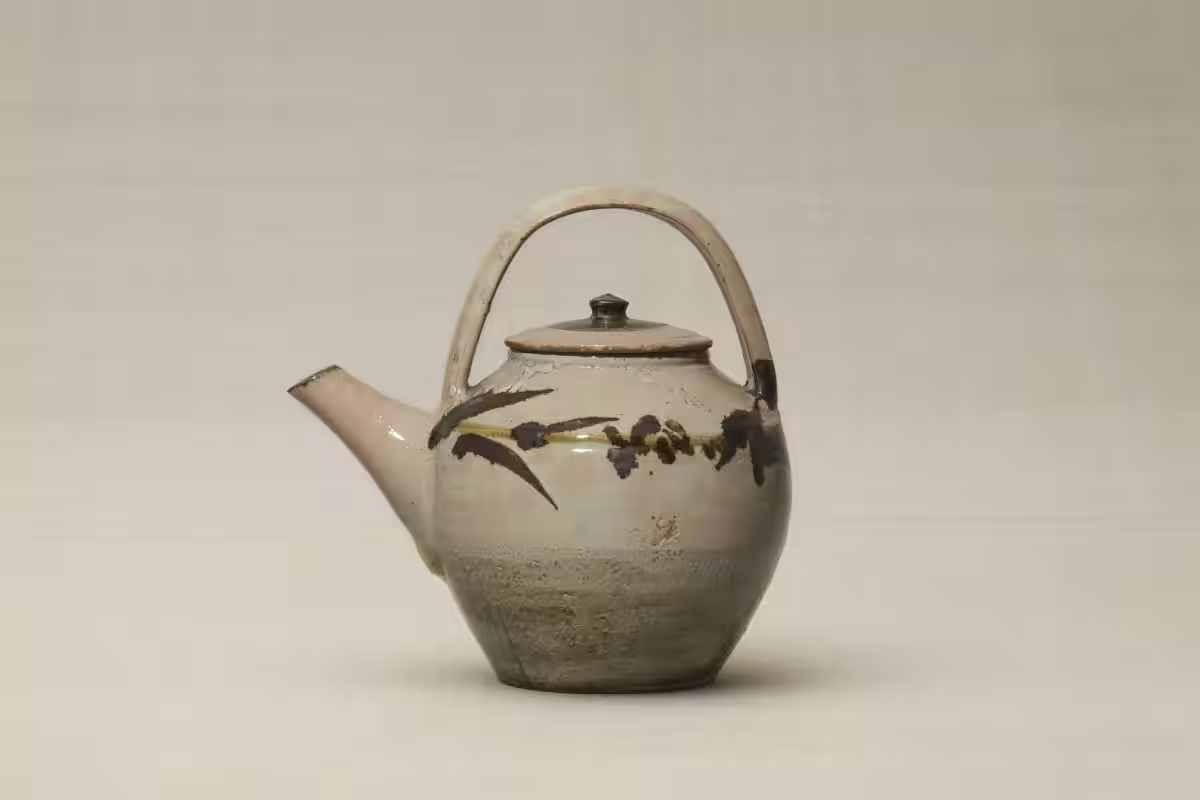
Since the 1934 Modern Japanese Mingei Exhibition, Takashimaya has been a proponent of the Mingei movement, organizing numerous exhibitions that showcase the beauty of useful objects in daily life. This exhibition will primarily feature the Ryukyu Mingei collection from the Japan Folk Crafts Museum, displaying around 100 items, including tools rooted in daily life and performance, as well as the works created by Mingei artists like Keisuke Serizawa, Kanjirō Kawai, and Shōji Hamada, who traveled to Okinawa with Yanagi.
Visitors will have the chance to experience the richness of Okinawan culture and its intertwined traditions of craftsmanship and artistic expression.
What is Mingei?
Mingei is an abbreviation for "popular crafts" and was founded in 1925 by Yanagi Soetsu, Kanjirō Kawai, and Shōji Hamada. It focuses on everyday tools made by nameless craftsmen that had been overlooked by the art world, celebrating their healthy and robust beauty as "the beauty of utility." Amid rapid industrialization, the Mingei movement aimed to preserve the traditional craftsmanship across Japan while beautifying daily life.
About Yanagi Soetsu
Born in Tokyo, Yanagi Soetsu was a religious philosopher and art critic, who actively participated in the creation of the magazine "Shirakaba" during his time at Gakushuin. He introduced Western modern art and literature to Japan. Influenced by beautiful artifacts from the Korean Peninsula and the wooden Buddha (mokuji-butsu) he encountered during his visits throughout Japan, he proposed the Mingei movement. In 1936, he established the Japan Folk Crafts Museum in Komaba, Tokyo, to showcase the crafts he collected, where he served as the inaugural director. He consistently presented a new aesthetic value to society until his passing.
Exhibition Structure
1. Introduction: Yanagi Soetsu and His Encounter with Okinawan Mingei
Featuring Okinawan textiles and Yanagi's own narratives, this section introduces the roots of his fascination for the island's crafts.
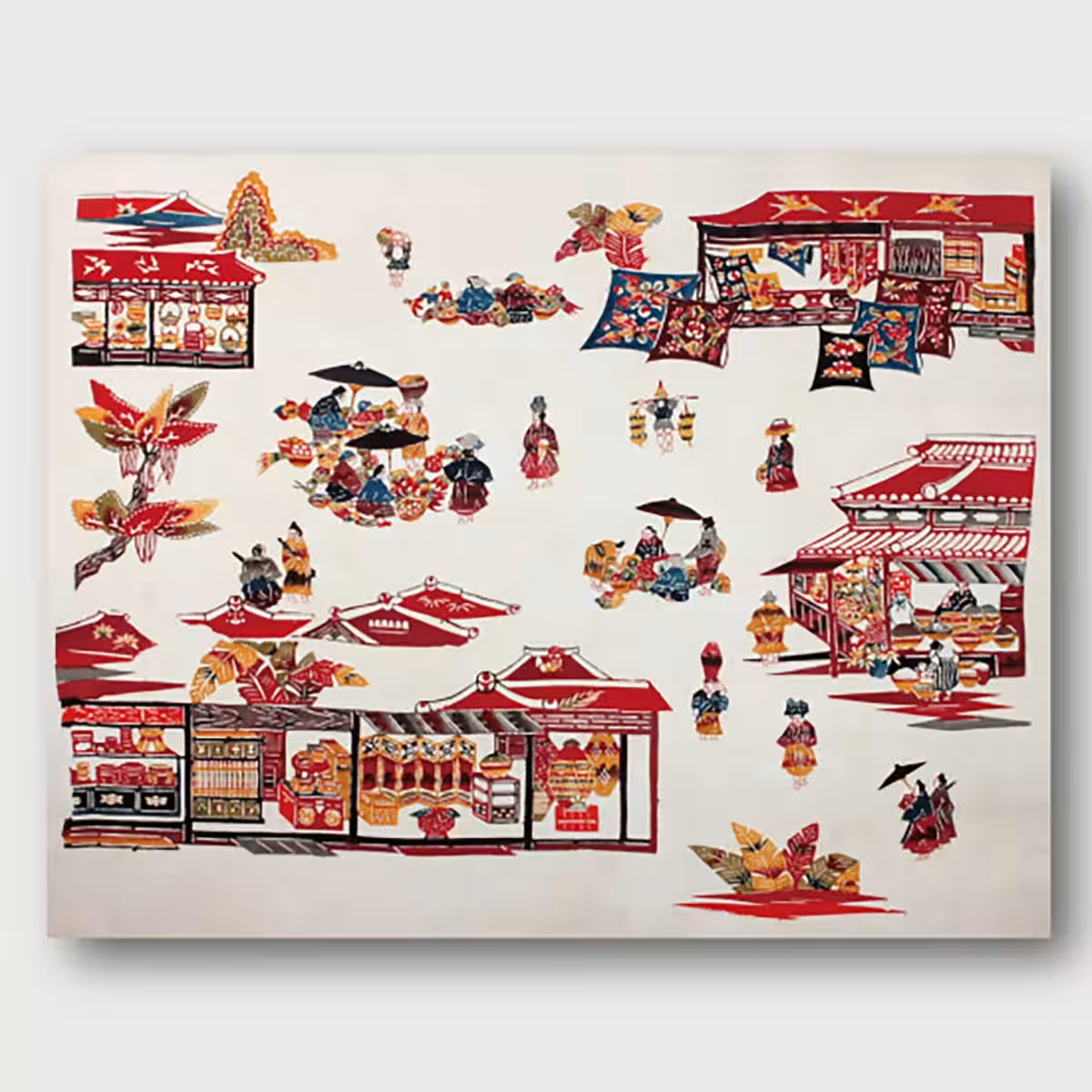
2. Ryukyu Dyeing
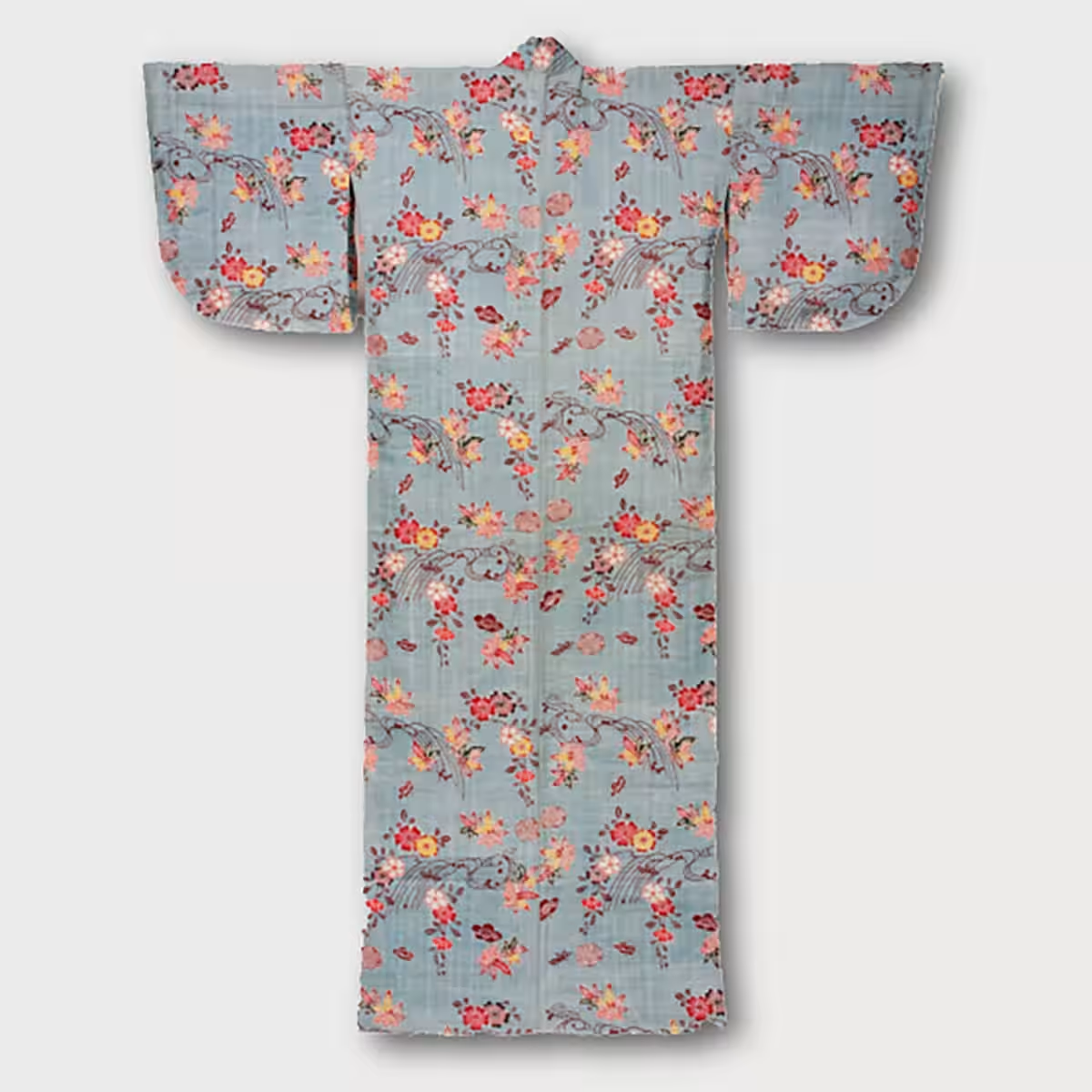
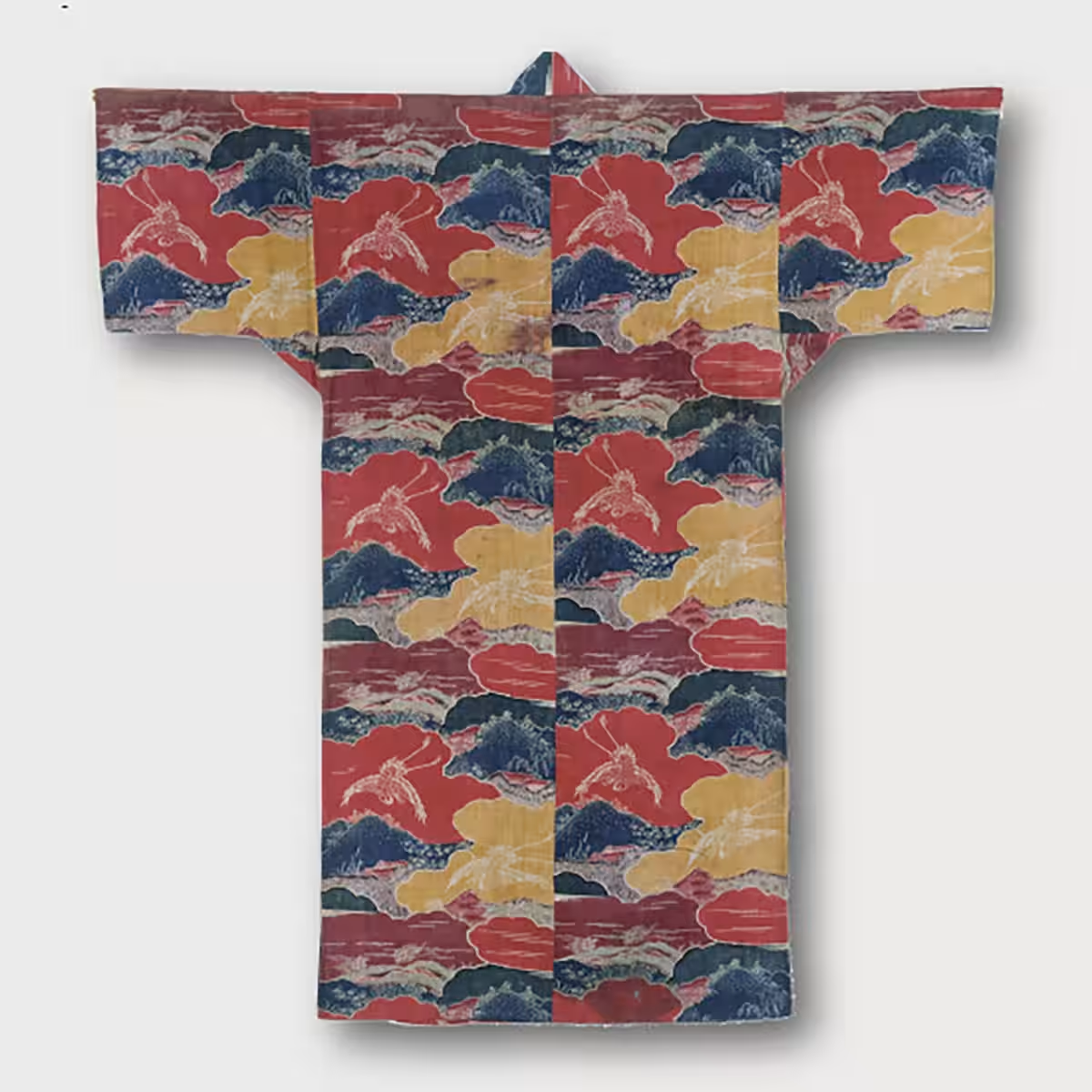
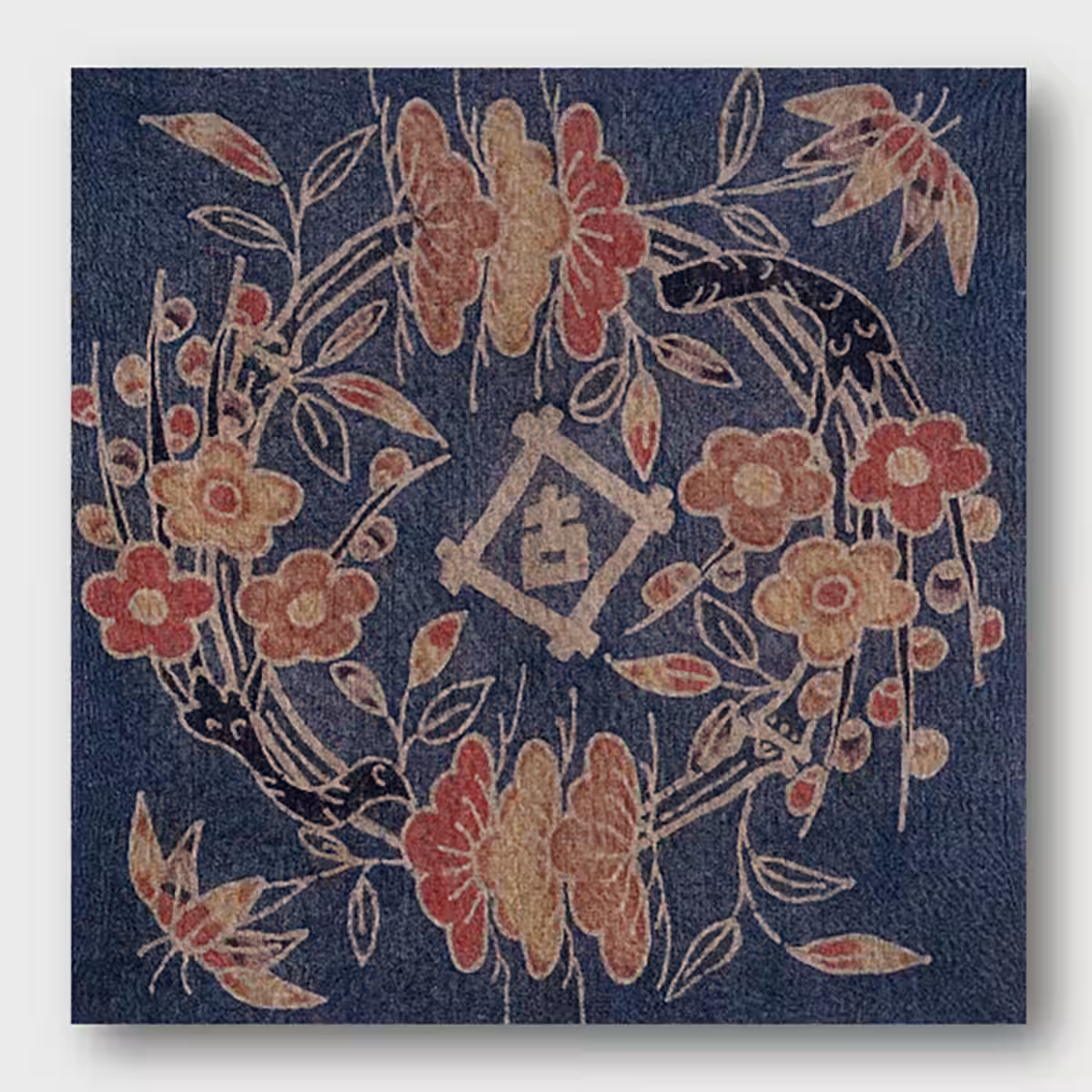
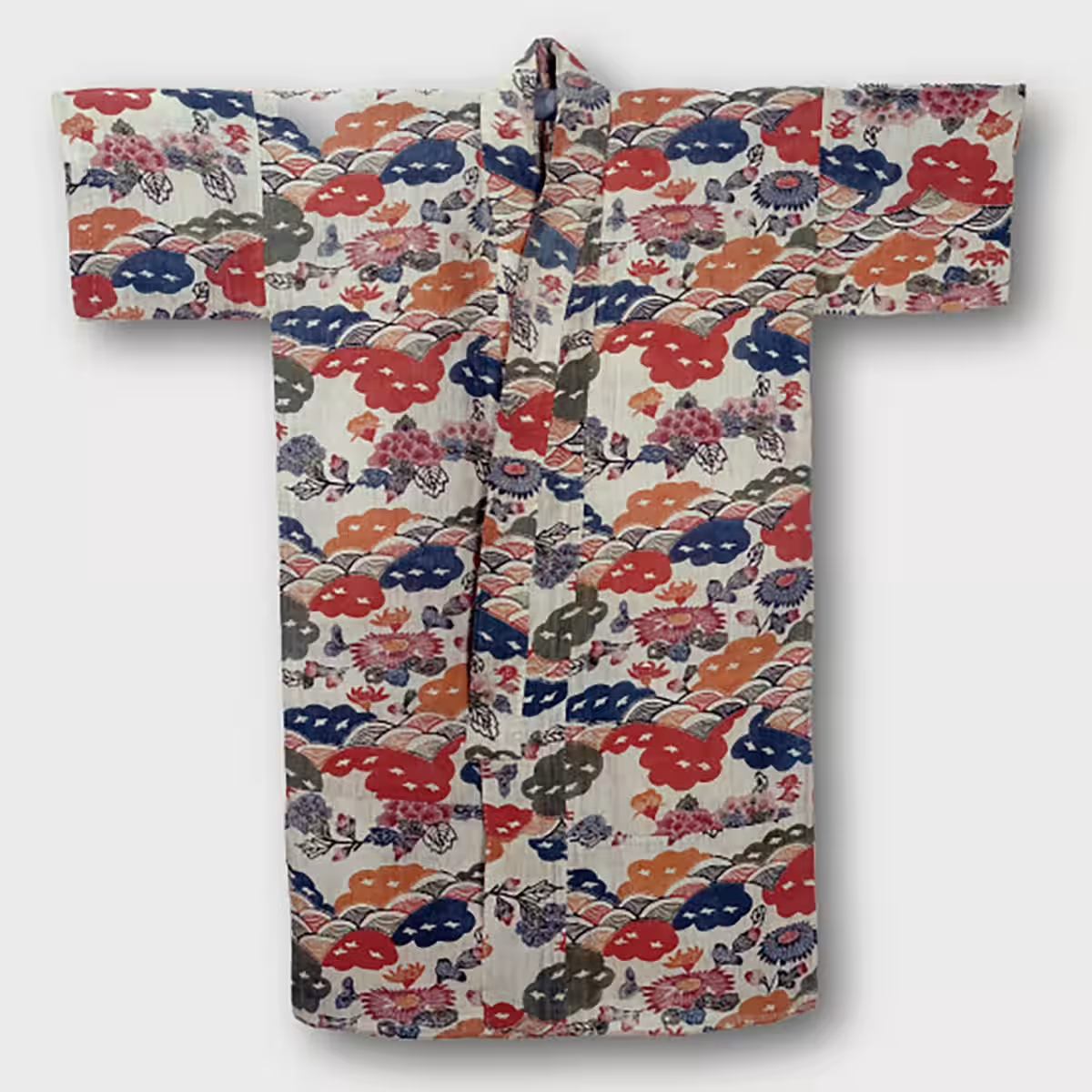
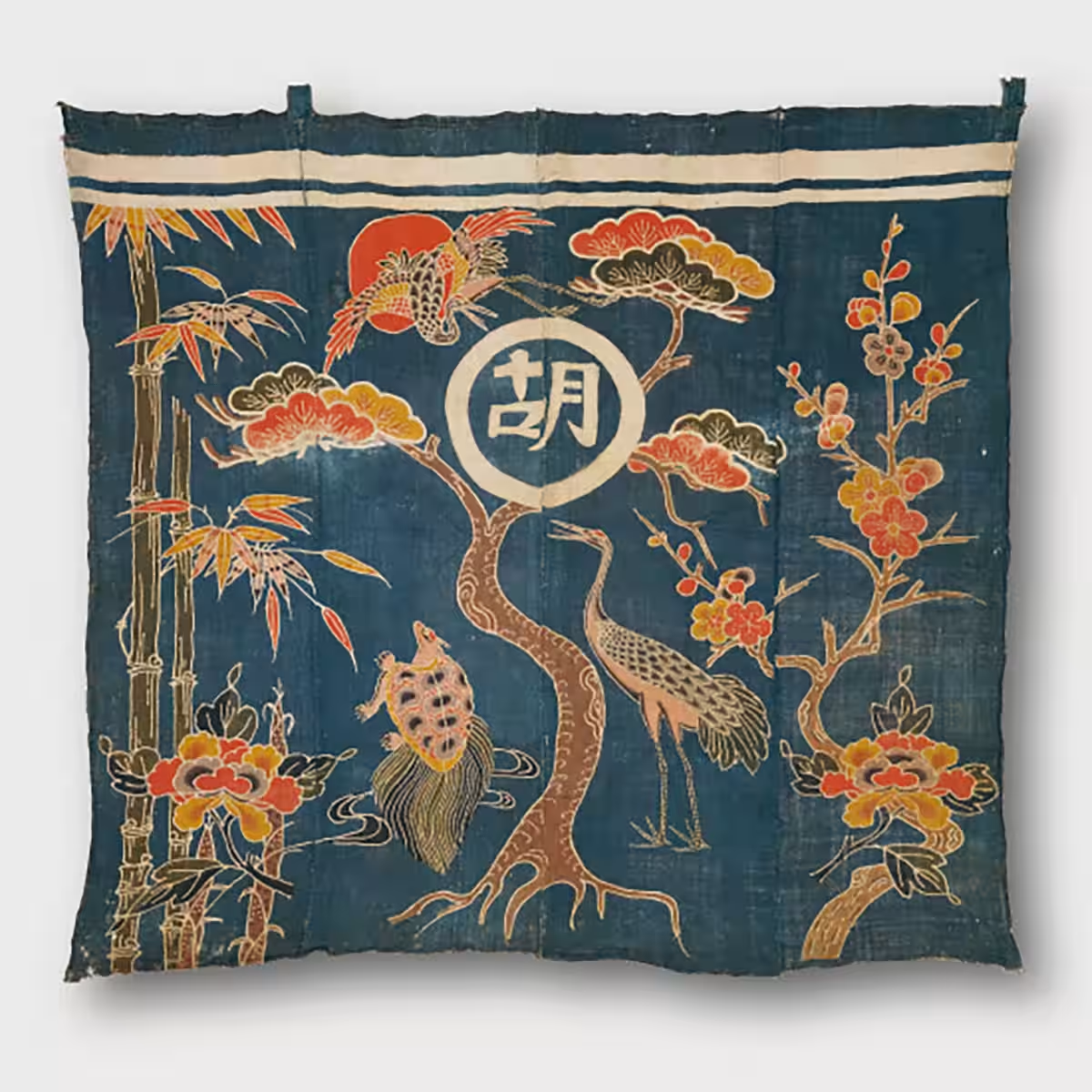
A focus on the iconic Okinawan dyeing culture known as "Bingata," showcasing traditional garments and patterns, delving into the colors and designs that captivated Yanagi.
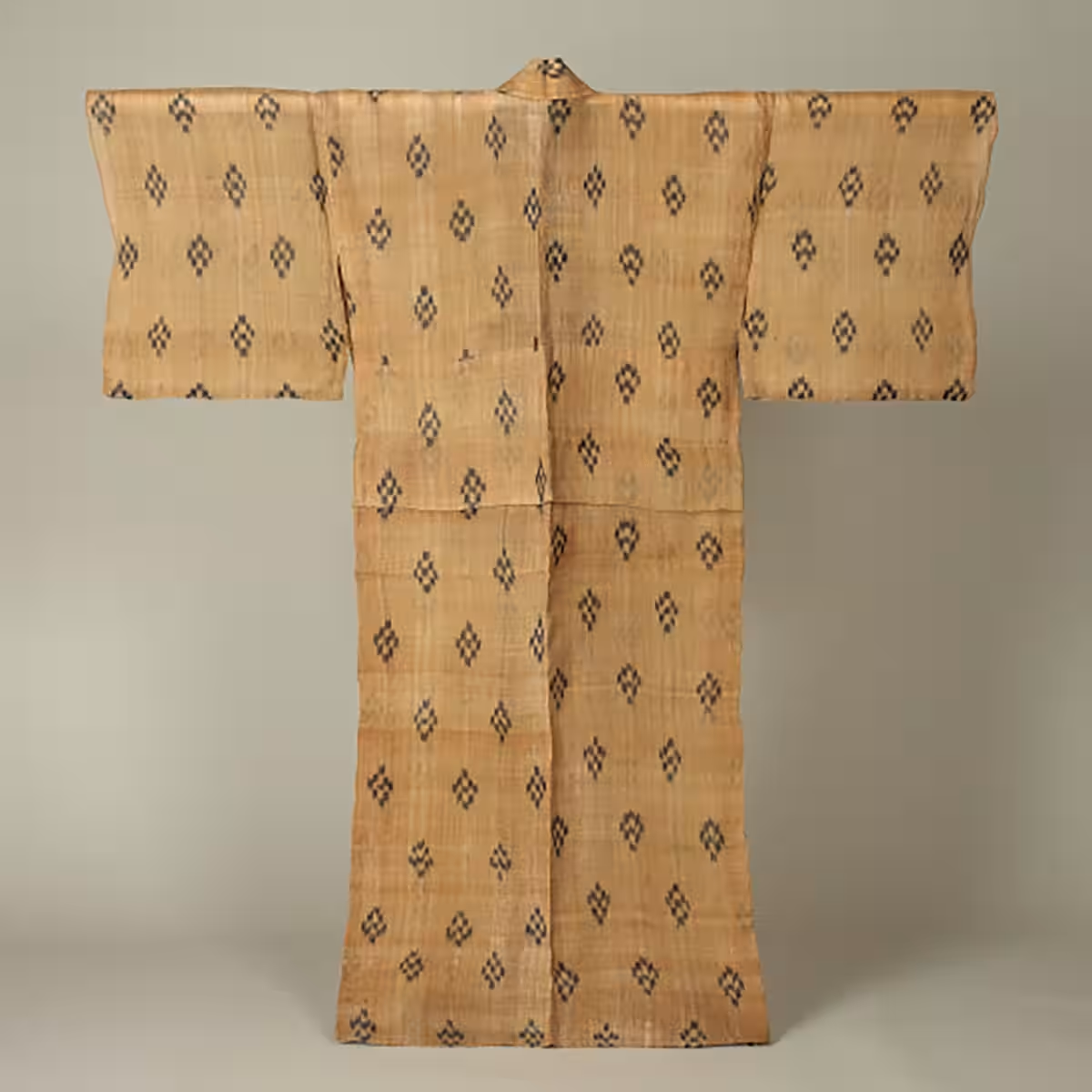
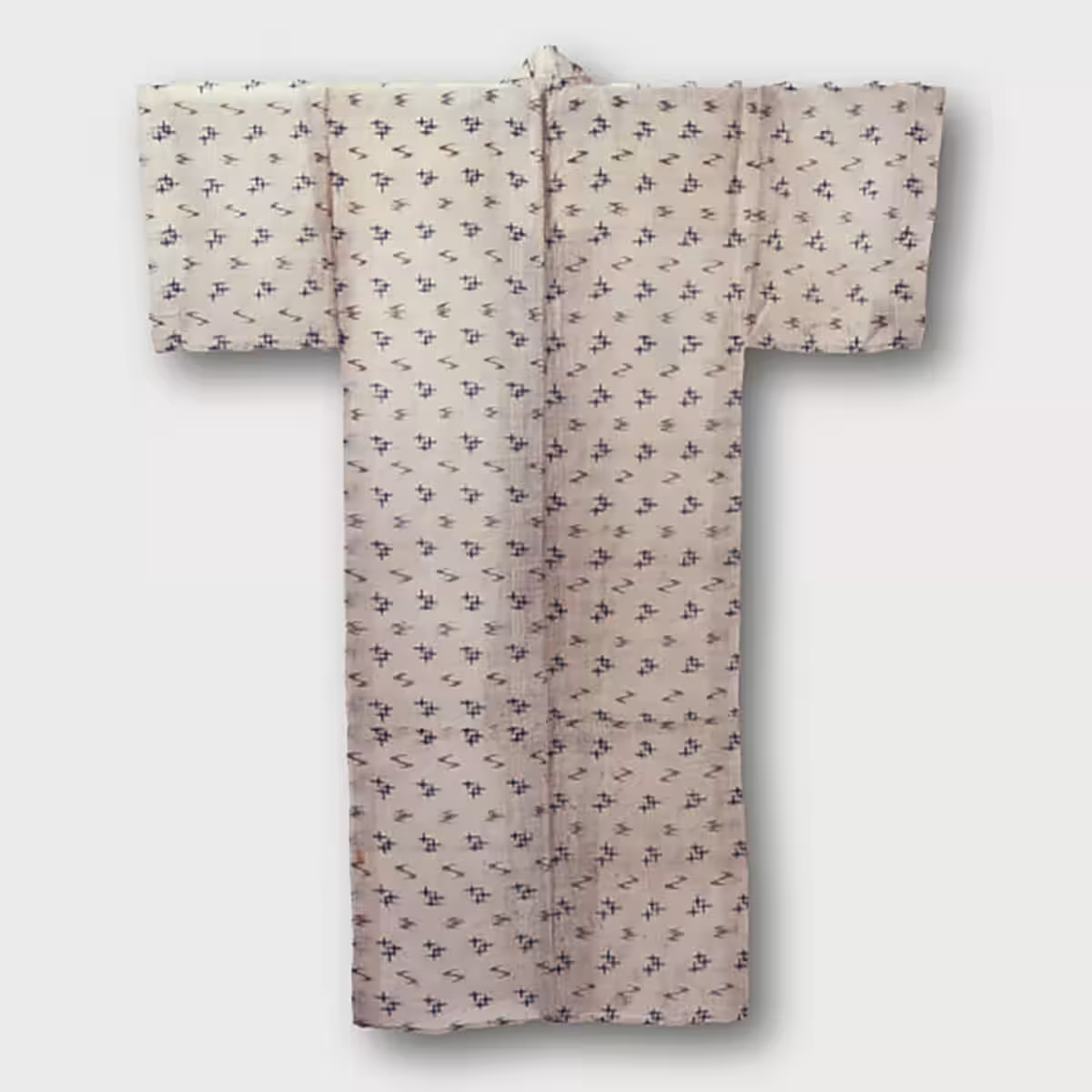
3. Ryukyu Weaving
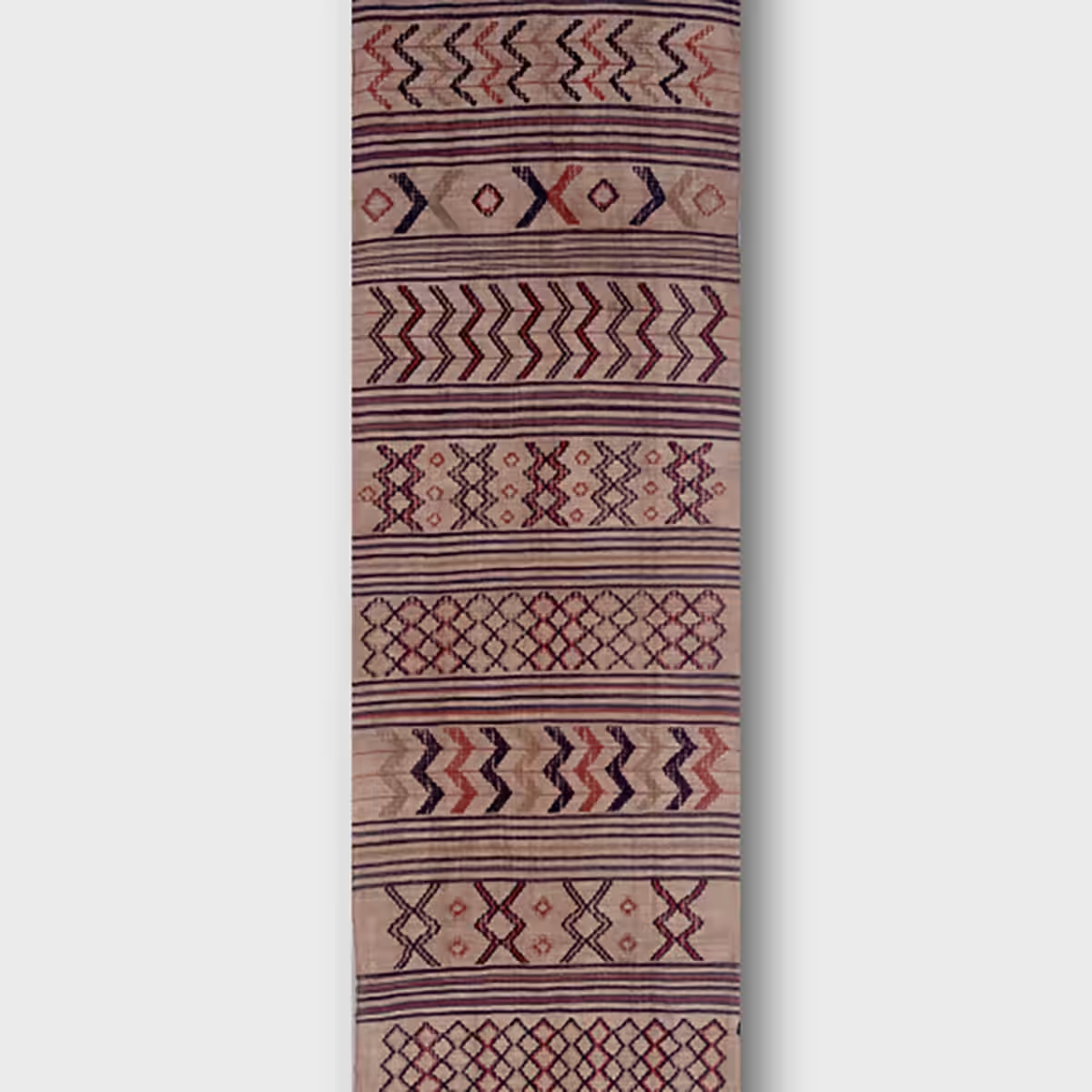
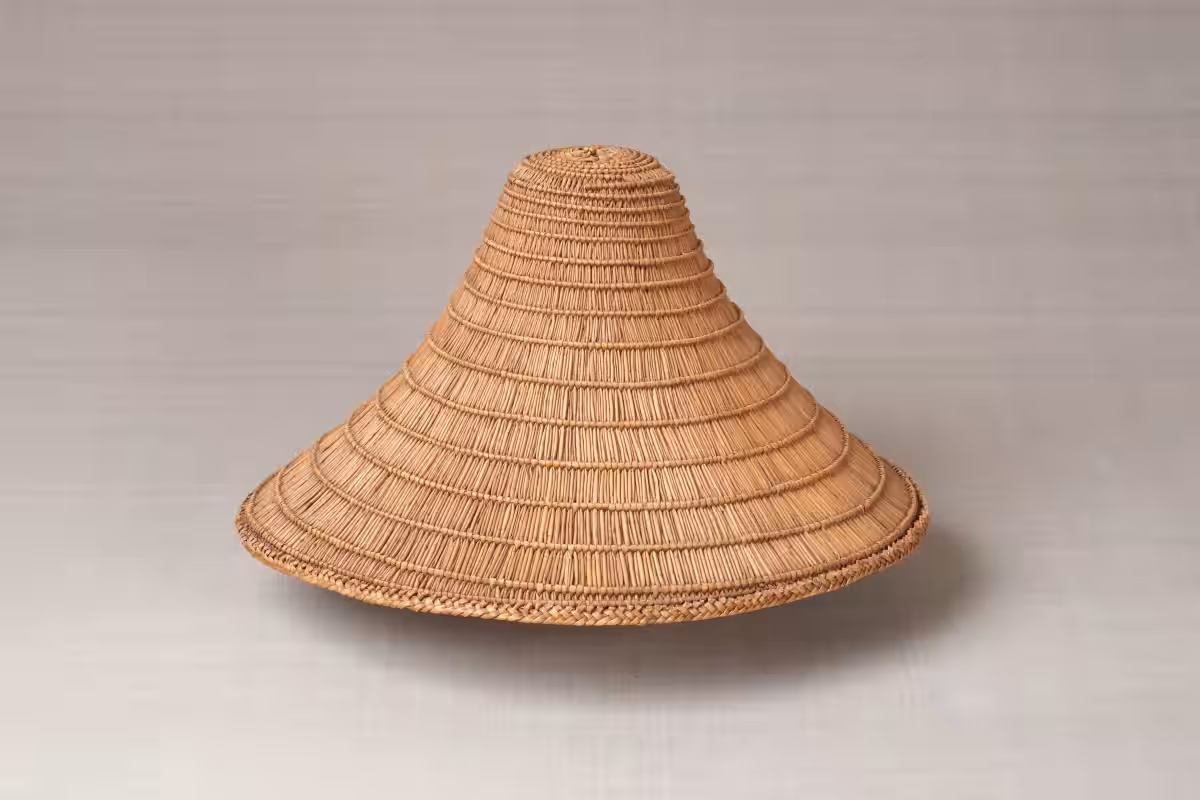
Displaying the diversity of fabric weaving traditions in Okinawa, including Bashōfu and Kasuri textiles, this section illustrates the cultural breadth of Okinawan textiles.
4. Ryukyu Pottery
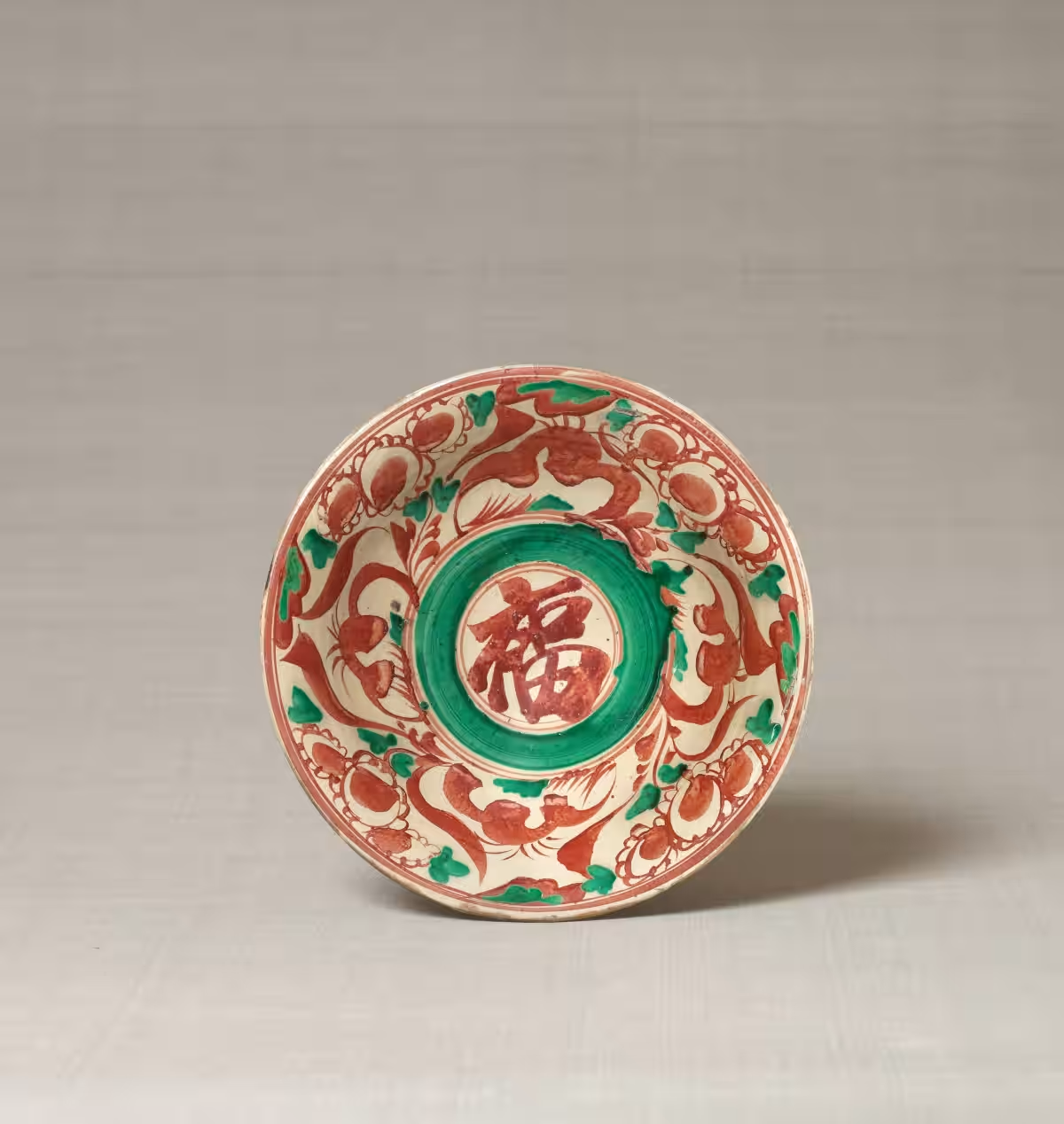
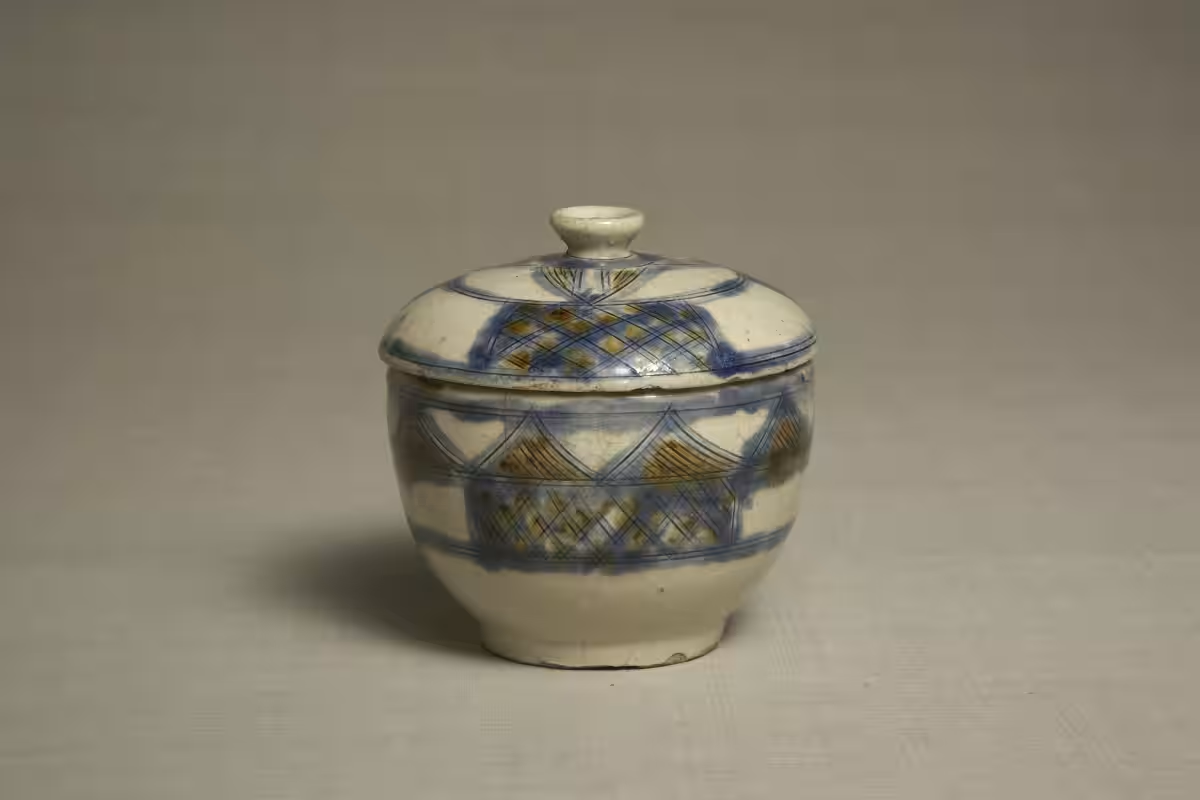
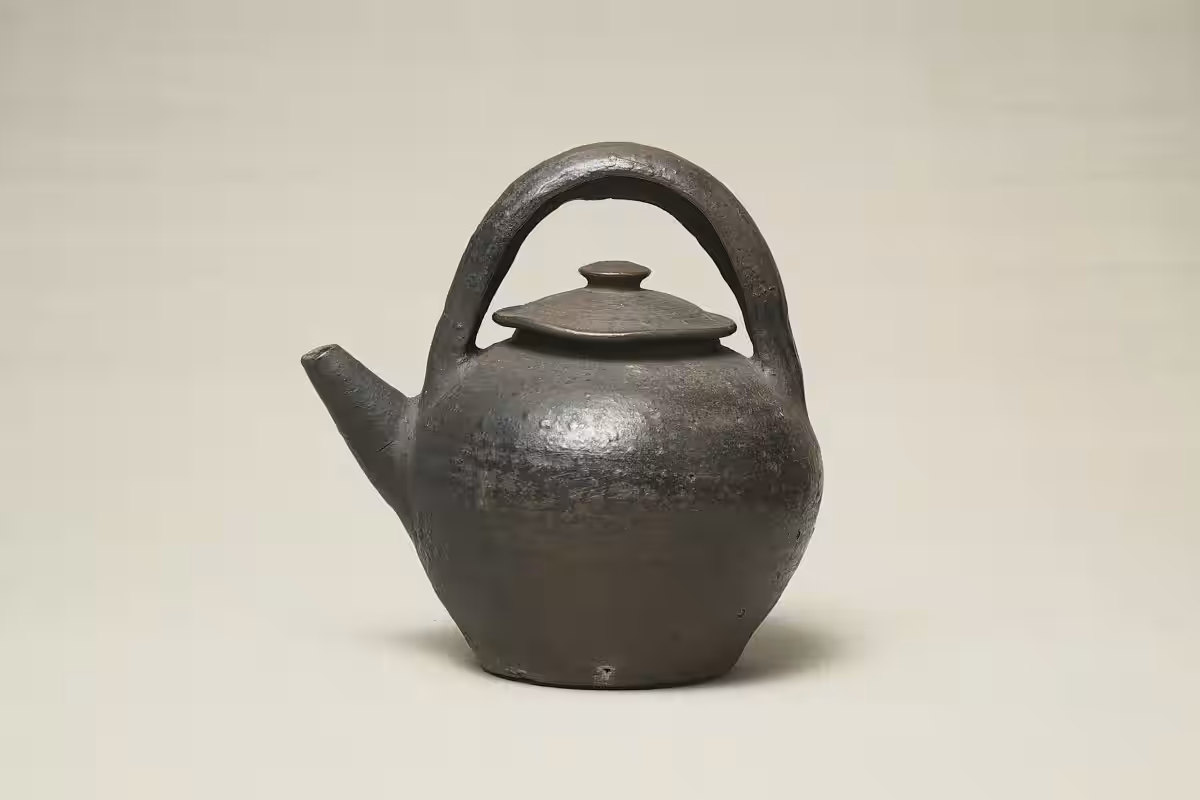
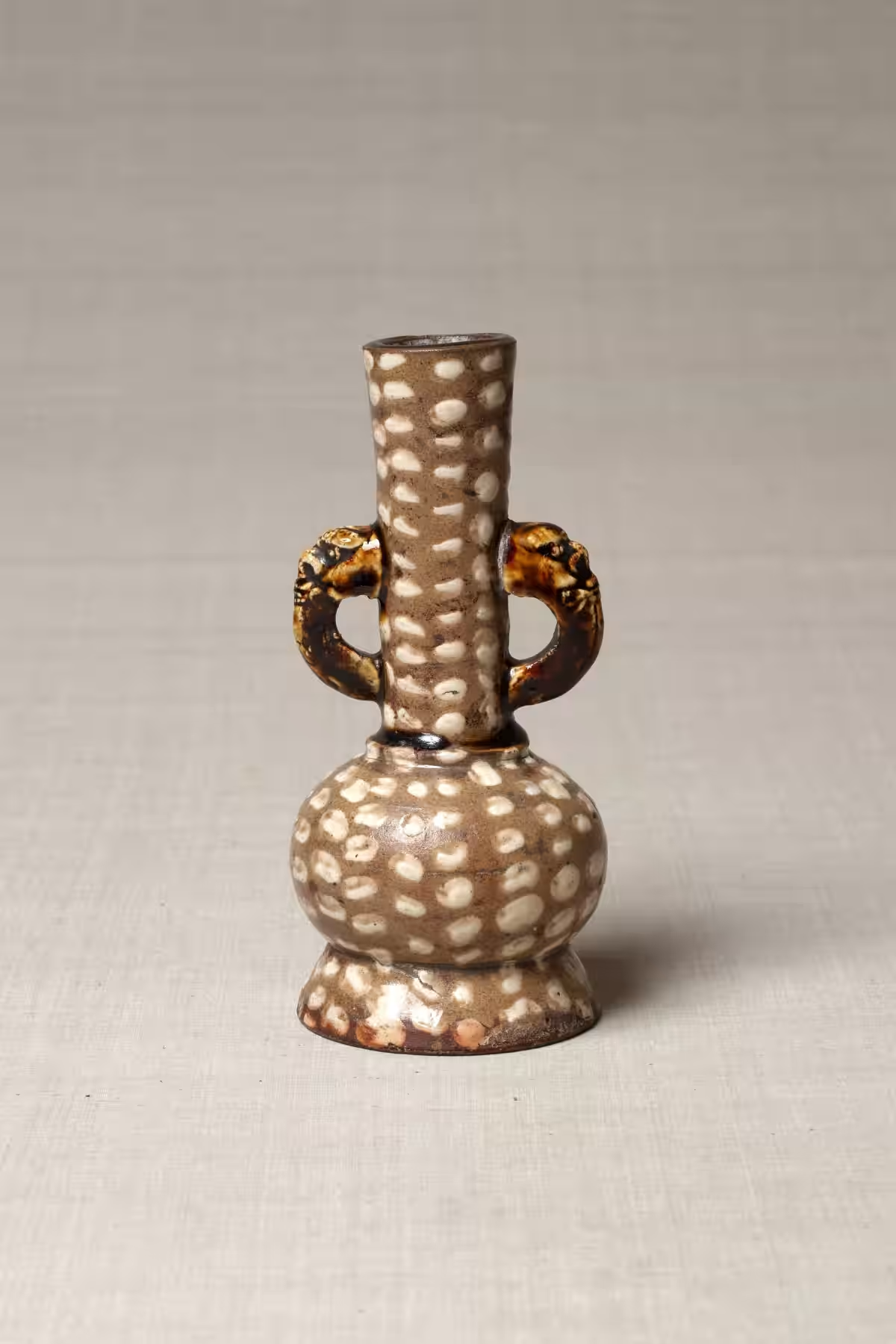
Presenting everyday pottery from the Tsuboya district, visitors will appreciate the strong forms and specific clay blends that embody Okinawa's earthy aesthetic.
5. The Essence of Life in Ryukyu
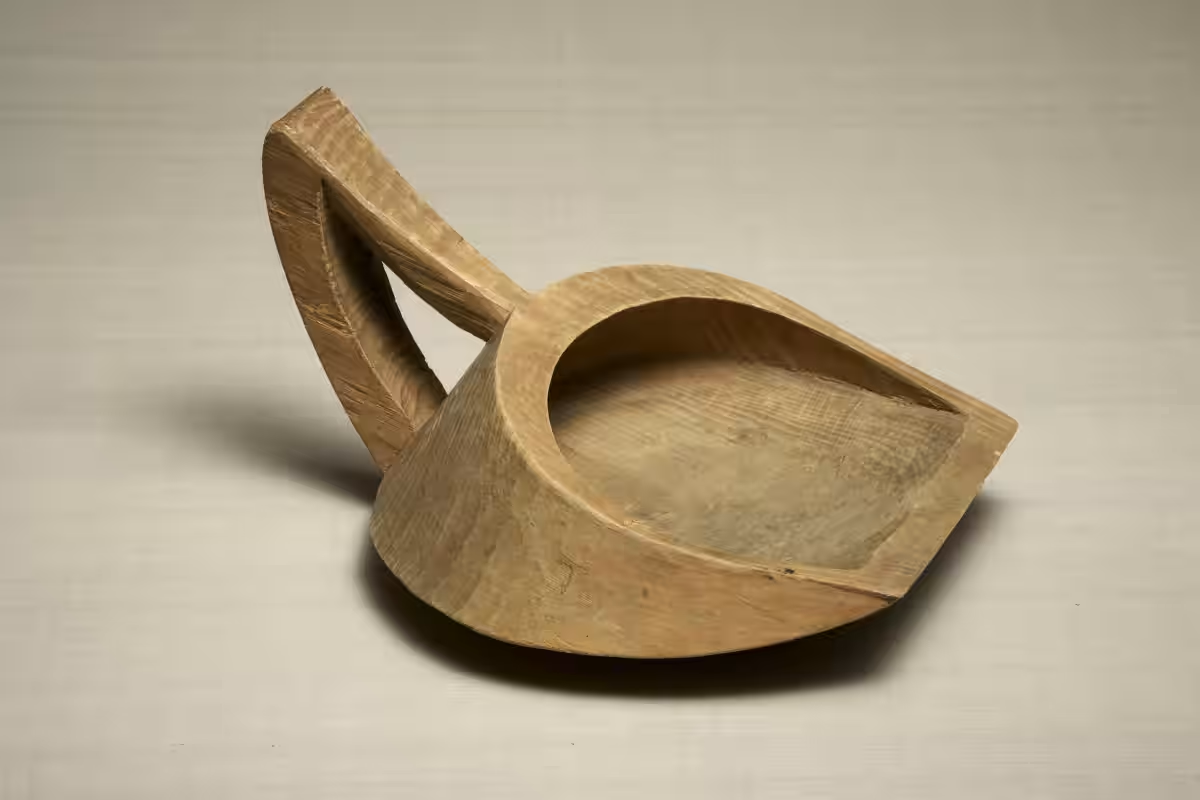
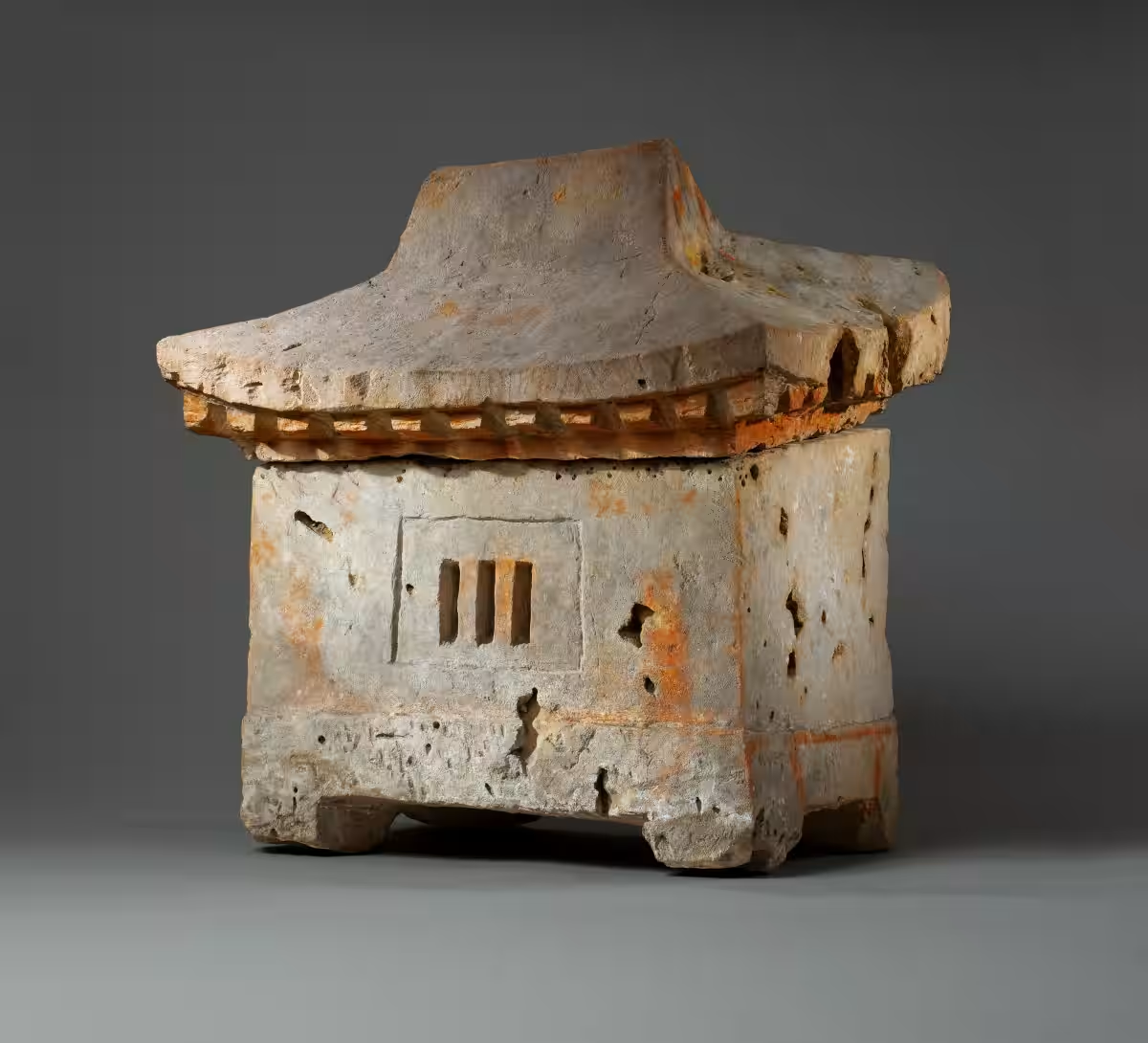
This section covers tools related to daily life and performing arts, showing how everyday objects and cultural expression are intertwined in Okinawa.
6. Mingei Movement Artists and Okinawa
Featuring works by Mingei movement artists such as Keisuke Serizawa and Kanjirō Kawai, this section invites a view of Okinawa through their art.
Additionally, the exhibition will screen the cultural film
Topics Other)


【About Using Articles】
You can freely use the title and article content by linking to the page where the article is posted.
※ Images cannot be used.
【About Links】
Links are free to use.