



The Growing Concern of Pollen: Ranking of Prefectures in Japan and Indoor Solutions by Panasonic
The Growing Concern of Pollen: Ranking of Prefectures in Japan and Indoor Solutions by Panasonic
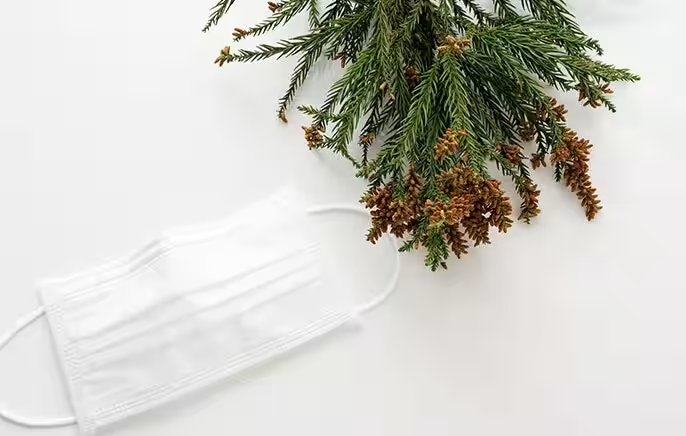
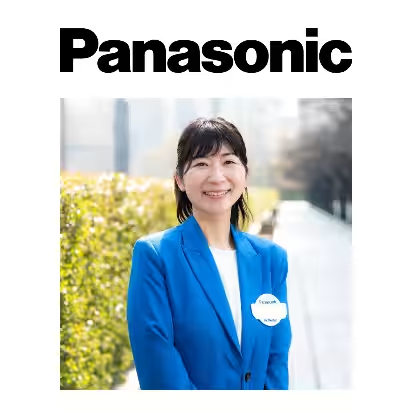
As spring approaches, the pollen season intensifies, bringing discomfort to many individuals. Symptoms such as itchy eyes and sneezing become common, not only outdoors but also indoors. The Ministry of the Environment's recent survey indicates that this year's cedar tree pollen levels could exceed the average of the past ten years, worsening the situation for many. In light of this, Panasonic has unveiled its "Pollen Distress Prefecture Rankings," revealing which areas are most affected by pollen. Additionally, Panasonic Air Meister Fumiko Fukuda shares practical indoor strategies to mitigate pollen exposure.
Pollen Concern Rankings Released
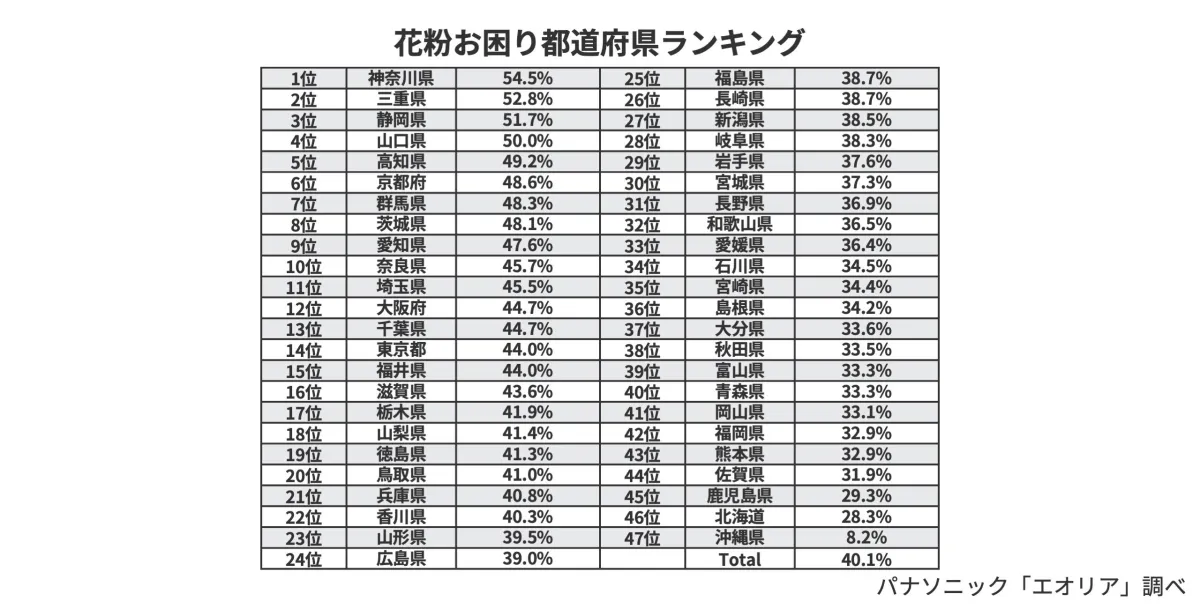
Based on a survey involving over 5,000 respondents aged 20 to 60, the rankings of prefectures most troubled by pollen are as follows:
1. Kanagawa
2. Mie
3. Shizuoka
4. Yamaguchi
5. Kochi
These figures reveal that over half of the population in these regions is grappling with pollen-related issues, while areas like Hokkaido and Okinawa rank at the bottom, showing fewer complaints.
Conditions of Indoor Pollen Exposure
The survey highlights some startling facts:
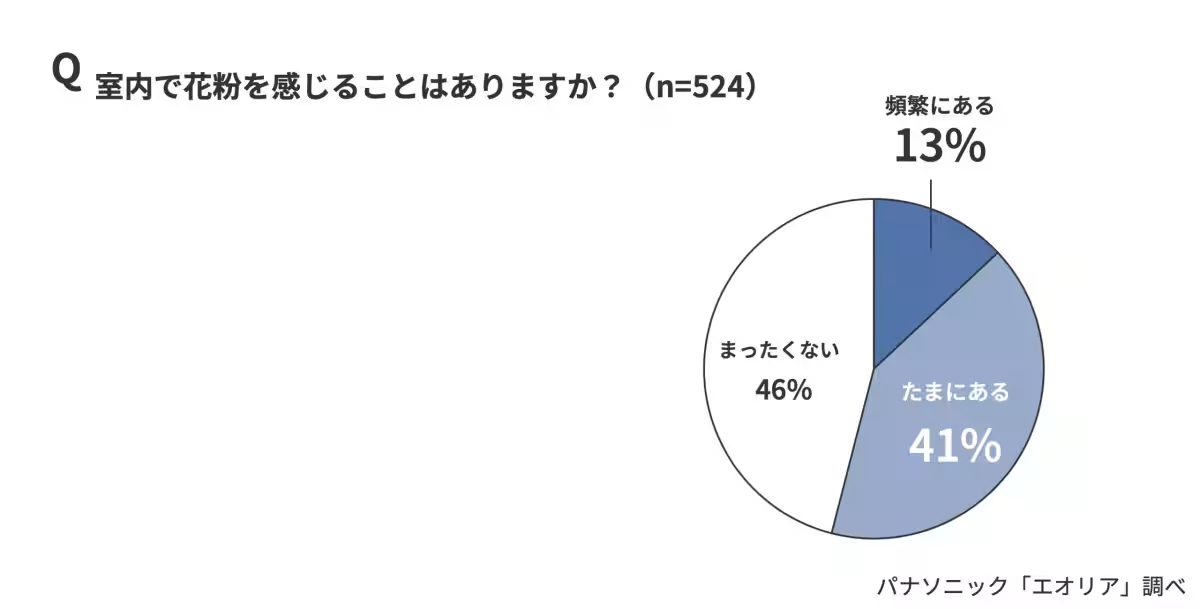
- - 54% of respondents have experienced pollen indoors.
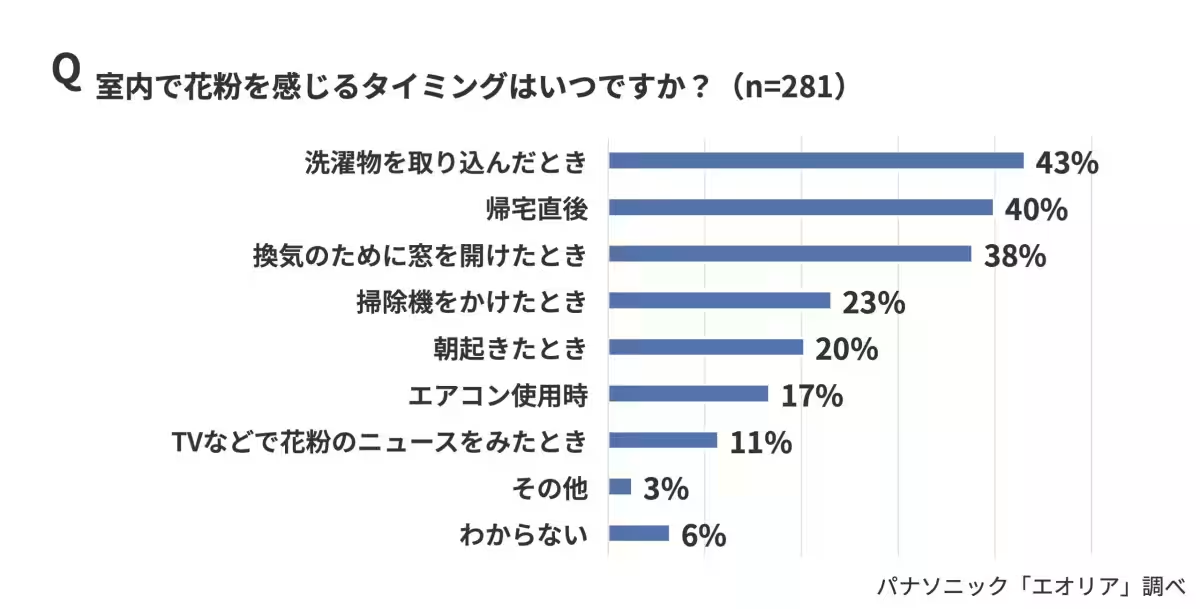
- - The most common times pollen is noticed are when bringing in laundry (43%), immediately after returning home (40%), and during ventilation (38%).
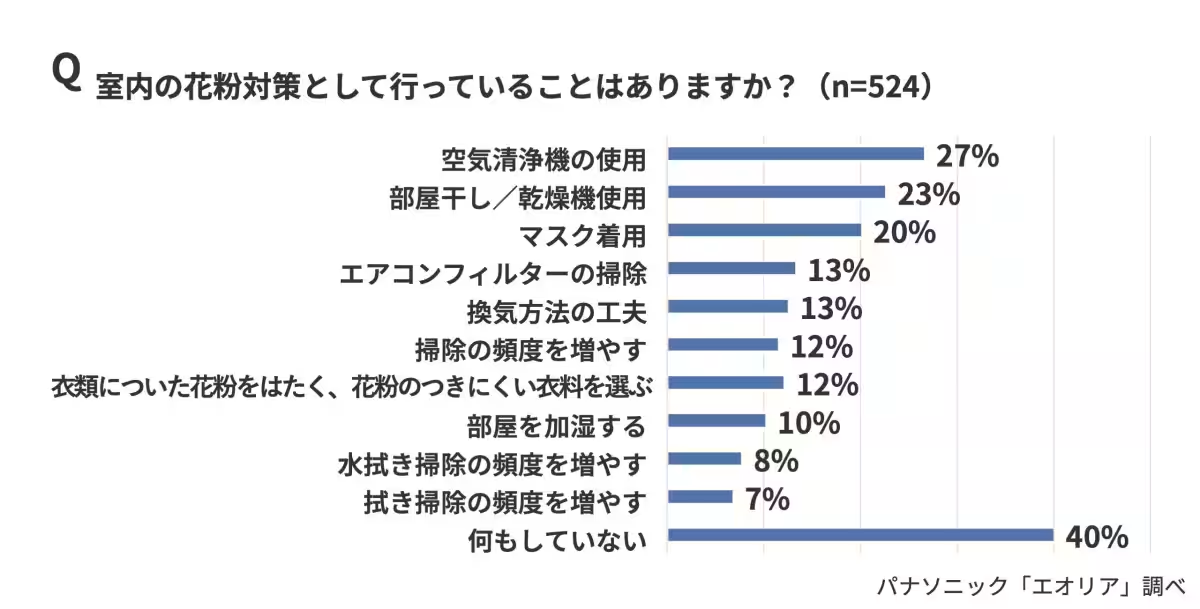
- - While many take measures against pollen, such as using air purifiers (27%) and drying clothes indoors (23%), nearly 40% admit to not doing anything at all.
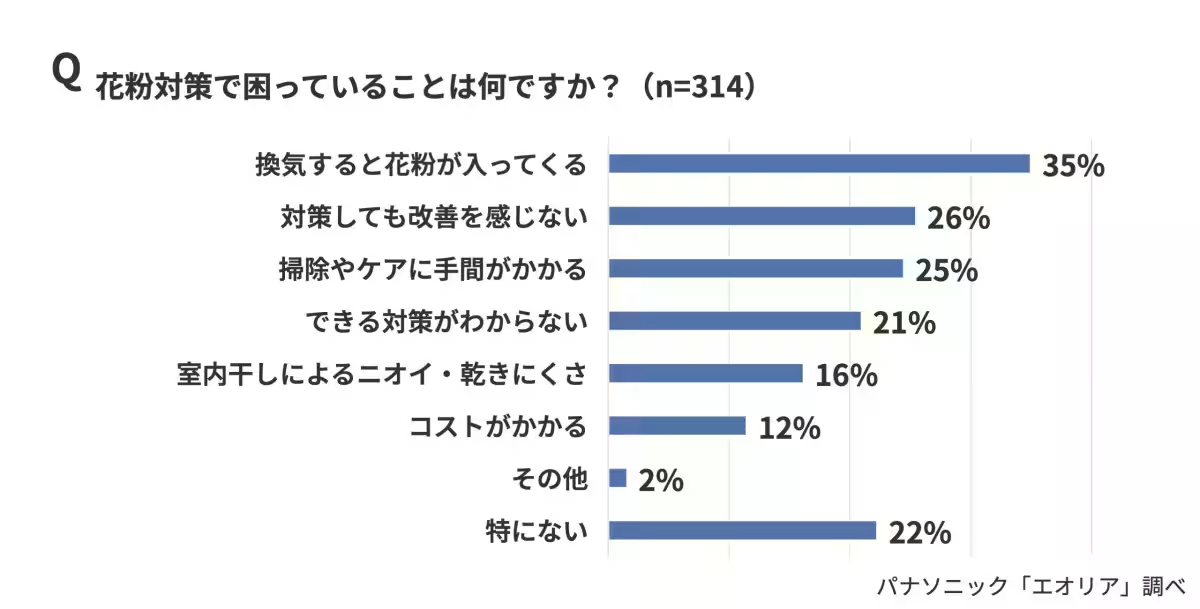
Respondents cited significant issues in their pollen prevention efforts:
- - 35% complain that ventilation lets pollen in.
- - 26% feel that preventive measures do not yield noticeable improvements.
- - 25% find cleaning and maintenance labor-intensive.
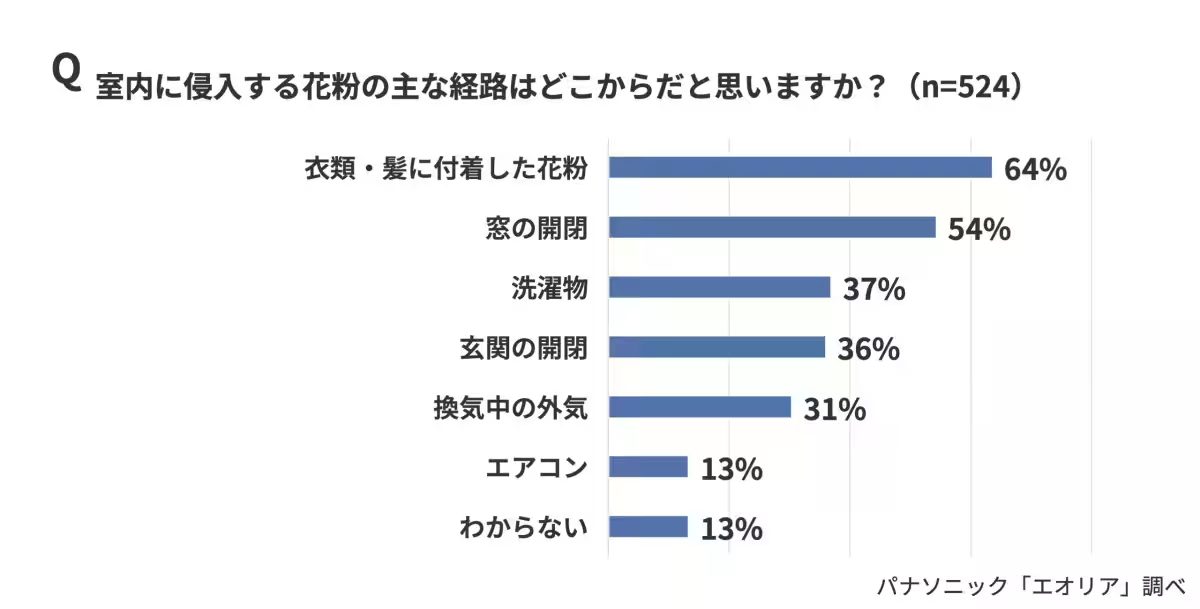
Interestingly, some respondents misidentified the air conditioner as a primary source of indoor pollen, with 13% mistakenly believing it to be a pathway for pollen entry. In reality, typical air conditioners circulate indoor air rather than drawing in outside contaminants.
Understanding the Pathways of Pollen
To effectively lower indoor pollen levels, it is essential to understand how pollen enters homes. There are three main pathways:
1. Through People and Pets: A significant amount of pollen is carried indoors by individuals and their pets, so minimizing the pollen brought in this way is crucial.
2. Openings like Windows and Front Doors: Each time someone enters or ventilates the space, outdoor pollen can easily invade.
3. Laundry Drying Outdoors: Wet fabrics tend to attract and hold onto pollen, leading to significant indoor transfer when household members bring them inside.
Effective Indoor Strategies
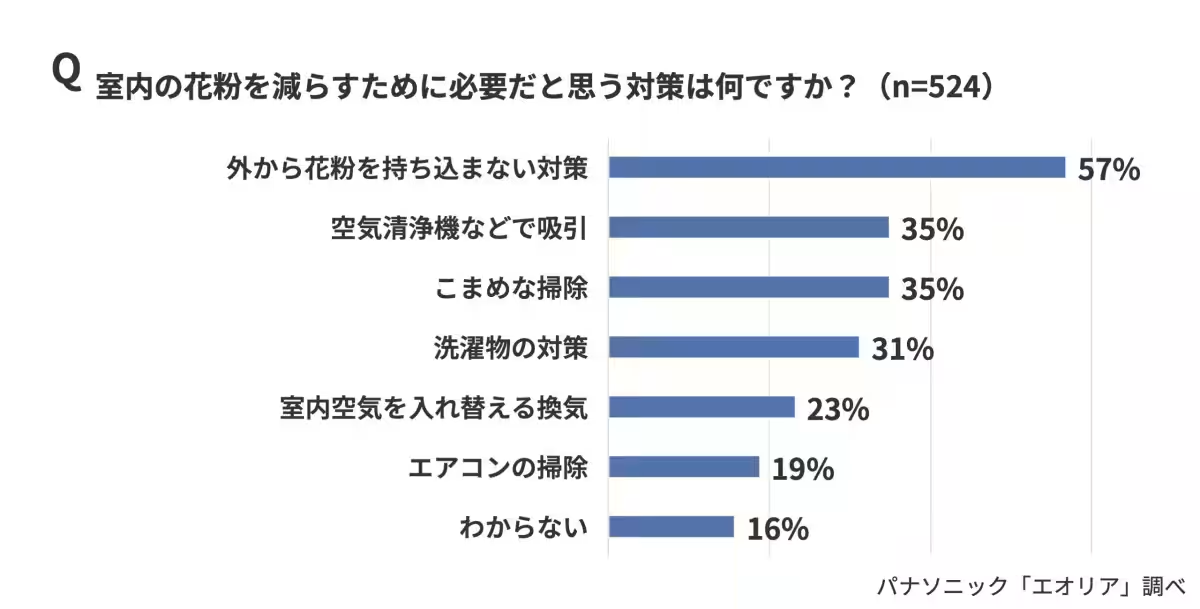
To combat indoor pollen, the most critical step is to remove pollen before entering the home. Here are some proactive measures:
- - Use lint rollers or brushes at the entrance to clean clothes, bags, and shoes before entering.
- - For pet owners, wiping down pets with a damp cloth after walks can reduce pollen brought into the home.
- - Showering promptly after coming home can help wash away pollen from hair and skin.
Moreover, an anti-static spray applied to your clothes can help prevent pollen from sticking while outdoors, and some deodorizers also have electrostatic prevention properties.
Ventilation and Laundry Tips
When ventilating, avoid opening windows widely, as this allows more pollen in. The Ministry of the Environment recommends keeping windows ajar at around 10cm and using sheer curtains to decrease pollen intrusion by about 75%. If thorough ventilation is necessary, do it during the less active pollen hours of late evening to early morning.
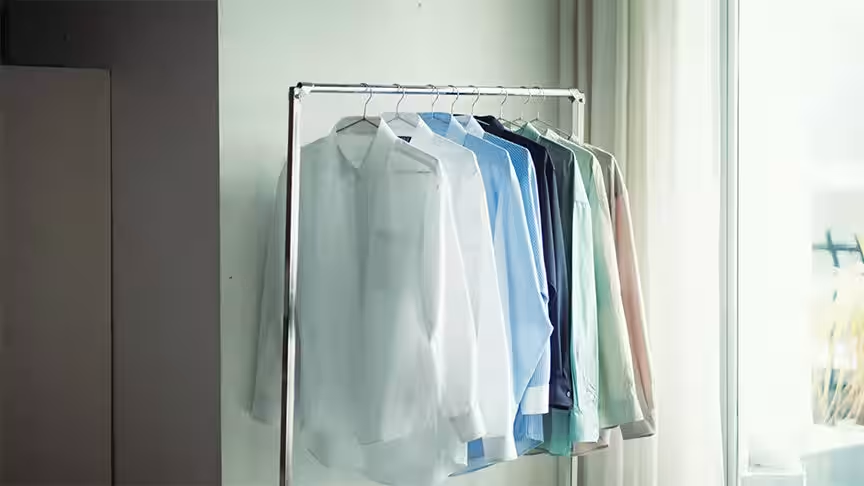
It is recommended to avoid drying laundry outdoors during pollen season. Instead, opt for indoor drying methods or use a dryer or dehumidifier. After drying, also use a lint roller or vacuum to remove residual pollen.
Combining Air Conditioners and Air Purifiers
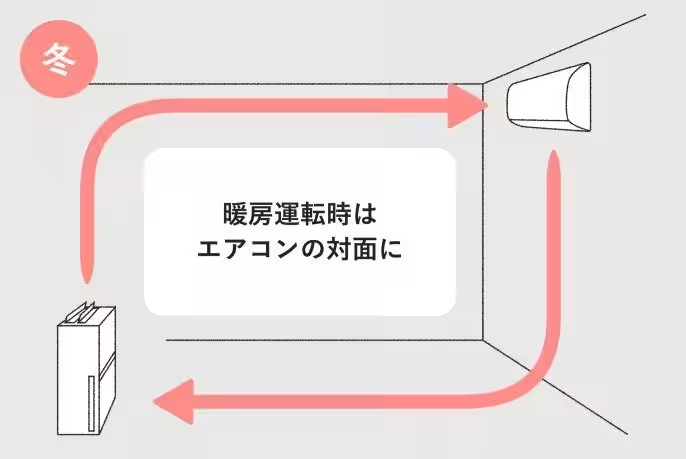
Using air purifiers alongside air conditioners can boost overall air quality. The effectiveness lies in properly placing the air purifier opposite the air conditioner's airflow to enhance the cleaning process. Some systems now come equipped with features that directly target and eliminate pollen effectively.
Panasonic’s Air Conditioning Solutions
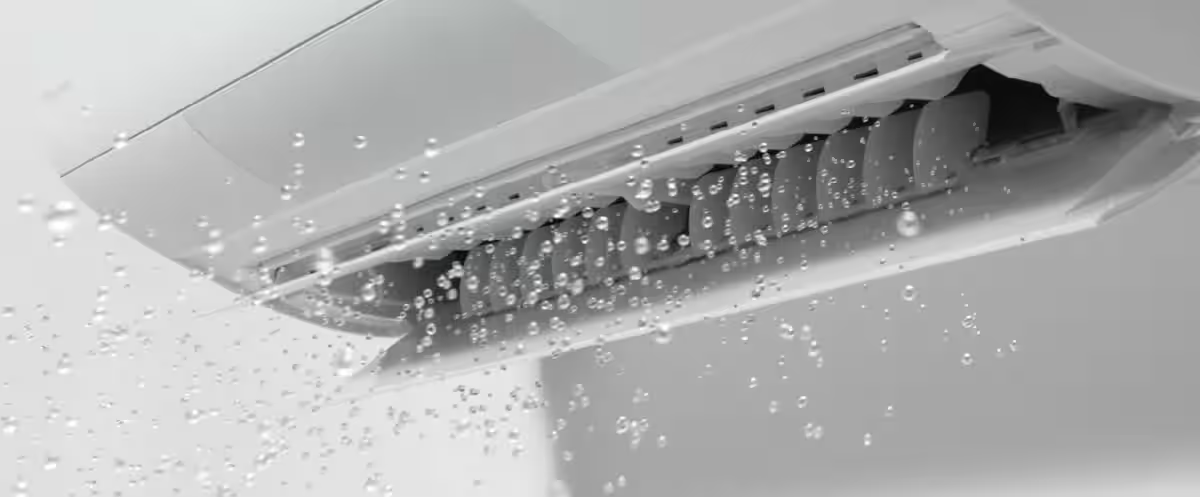
Panasonic offers air conditioning models equipped with unique functionalities tailored to combat pollen. The "nanoe-X" system actively reduces harmful substances in the air, especially recommended during pollen-heavy seasons. Also, the LV series can ventilate while maintaining a comfortable temperature, ensuring fresh air is brought in while reducing pollen risk.
For more details about Panasonic’s innovative air conditioning solutions, visit: nanoe-X Technology and LV Series.
By implementing these strategies, households can significantly reduce pollen levels, making the indoor environment more comfortable during the challenging pollen season.
Topics Consumer Products & Retail)
【About Using Articles】
You can freely use the title and article content by linking to the page where the article is posted.
※ Images cannot be used.
【About Links】
Links are free to use.