



Japanese Mobile Architecture Association Participates in Comprehensive Disaster Drill in Shizuoka Prefecture
Japanese Mobile Architecture Association's Role in Disaster Preparedness
On October 19, 2025, the Japanese Mobile Architecture Association (MoBA) will participate in a comprehensive disaster training exercise held in Shizuoka Prefecture. This event, organized by Shizuoka Prefecture, Yaizu City, and Fujieda City, will feature the display of wooden mobile architectural units that can serve as emergency temporary housing in disaster scenarios.
Overview of the Training Event
- - Date and Time: October 19, 2025, from 08:00 to 12:00
- - Location: Oigawa Disaster Prevention Plaza, Yaizu City, Shizuoka Prefecture
- - Organizer: Shizuoka Prefecture, Yaizu City, Fujieda City
Yaizu City Official Website
Display Details
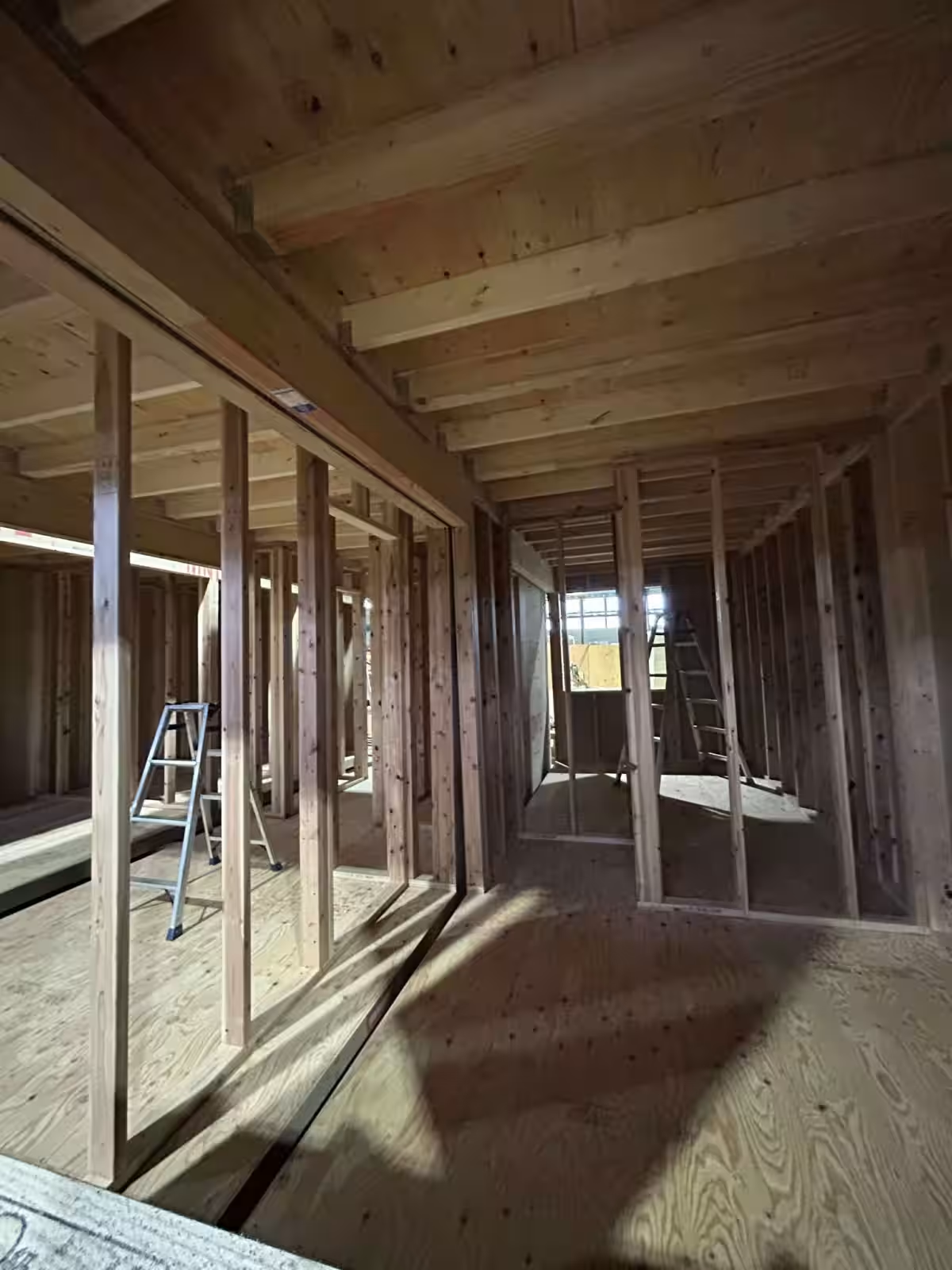
At this training, MoBA will showcase a wooden mobile architectural unit designed for rapid installation in the event of a disaster. The building, presented in a skeleton state, highlights the essential characteristics of mobile architecture and serves as a practical temporary housing solution. Once fully equipped, it will feature an open living space comprising a living-dining-kitchen area, two bedrooms, a bathroom, a washroom, and a toilet.
Specifications of the Display Unit
- - Floor Area: Approximately 42.49 square meters
- - Proposed Floor Plan:
- Bedroom 1 (8.33 sqm)
- Bedroom 2 (7.79 sqm)
- Bathroom (2.48 sqm)
- Washroom (3.54 sqm)
- Toilet (1.46 sqm)
- - Maximum Height: 3,283 mm
- - Structure: Modular assembly
Timeline for Installation
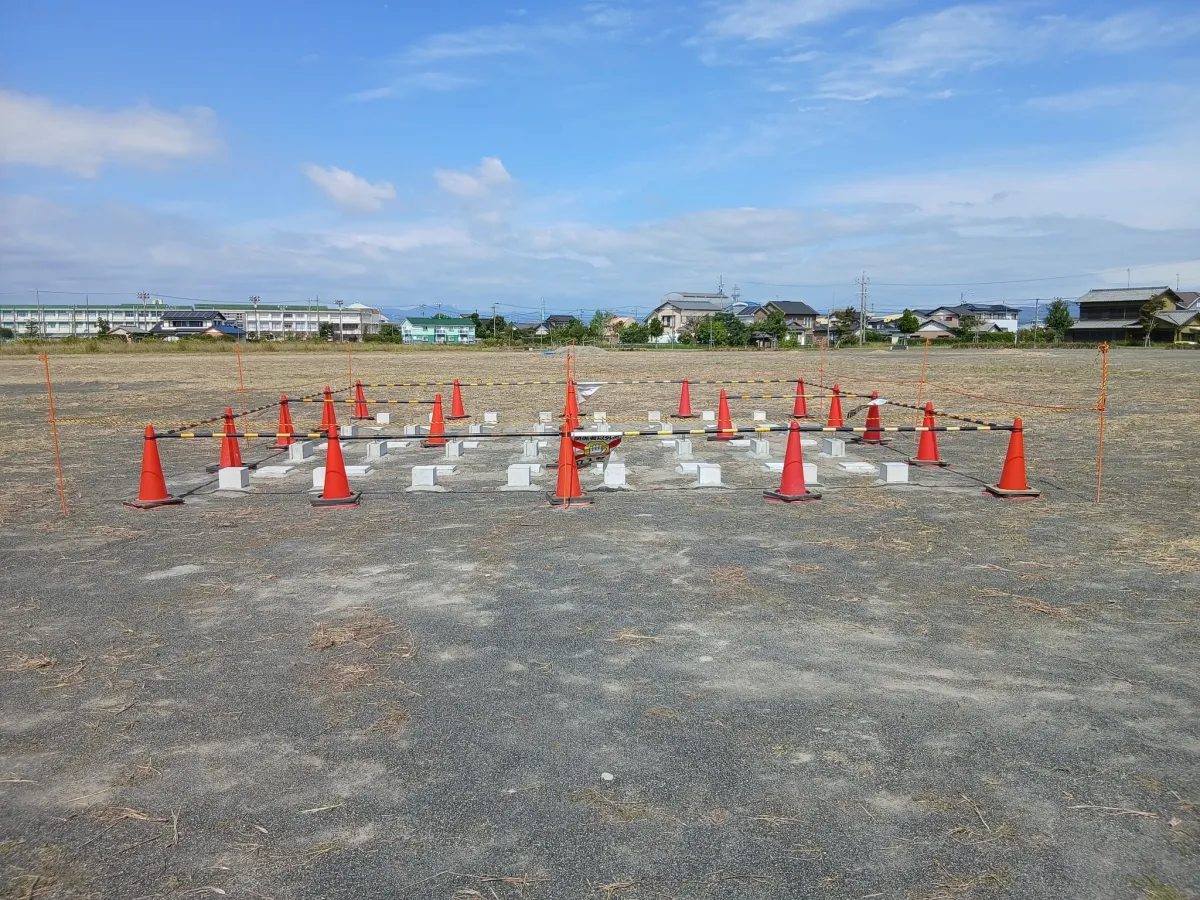
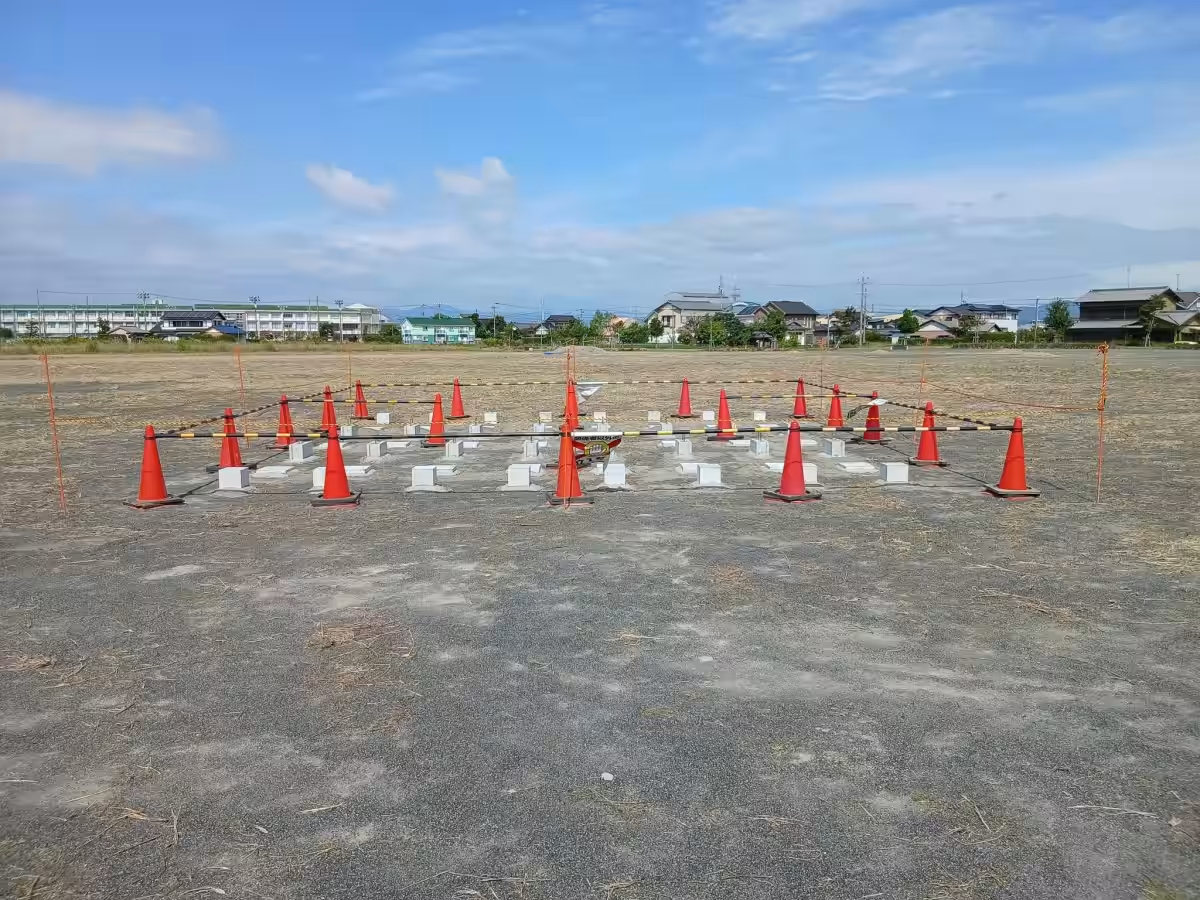
- - Foundation Preparation: October 7 - 16, 2025
- - Unit Installation: October 17, 2025
- - Comprehensive Disaster Drill: October 19, 2025
- - Dismantling: October 20, 2025
Importance of Mobile Architecture in Disaster Situations
Mobile architecture employs prefabricated units constructed off-site that can be rapidly assembled on location. This approach offers several advantages:
- - Quick Setup: Unlike conventional temporary housing, these units can be installed in just a few days.
- - Permanent Transition: They can remain on-site and serve as permanent housing after a disaster, with the option for relocation or reuse when necessary.
- - Quality Construction: Built to high standards, these wooden units adhere to seismic safety and insulation ratings similar to those of standard residential homes.
At times of large-scale disasters, providing a safe and secure living environment for victims as quickly as possible is crucial. Mobile architecture, recognized for its efficiency and quality, can fulfill this need, enhancing the quality of life (QOL) for displaced individuals.
Previous Achievements and Innovative Initiatives
The Japanese Mobile Architecture Association has made strides in disaster response, particularly following the Noto Peninsula Earthquake on January 1, 2024. They initiated immediate information gathering and established a partnership with Ishikawa Prefecture on February 29, 2024, to commence the provision of emergency temporary housing.
Noto Peninsula Earthquake Housing Statistics
- - Temporary Housing Units: 261 units across three towns and eight complexes.
- - Facilities for Supporters: 300 rooms in three locations.
- - Temporary Restaurant: ONE restaurant located in the Noto Satoyama Airport parking area.
- - Temporary Lacquerware Workshop: Six locations with 59 businesses supported.
These structures demonstrated the rapid deployment capabilities of mobile architecture, typically completed within two months post-construction approval.
Innovative Transition for Support
A pivotal aspect of MoBA's involvement in the Noto Peninsula Earthquake was establishing a process for transitioning temporary housing into permanent residences. The units initially used for emergency shelter can be donated to municipalities wishing to continue their use as public housing after completing the necessary restoration work. Residents may also enter individual agreements to use the homes like standard residential properties.
Already, agreements for the transfer of emergency housing in Wajima City to the municipality have been established, creating a new model of disaster recovery. While previous disasters allowed renovations and reuse of structures, mobile architecture's ability for relocation and the transition from temporary to permanent housing represents a groundbreaking initiative. This model promotes sustainable recovery and ensures victims have continued access to housing.
Future Plans
Through participation in the comprehensive disaster training, the Japanese Mobile Architecture Association aims to promote awareness of their role in emergency housing and the effectiveness of mobile architecture. They plan to strengthen collaborations with local government agencies and construction companies while preparing for potential large-scale disasters such as the Nankai Trough Earthquake. Additionally, they are committed to contributing to ongoing strategies against vacant housing and local revitalization initiatives through innovative housing supply models.
Supporting Partners
- - Ichijo Co., Ltd.
- - Create Rebun Co., Ltd.
- - Rikkyo University Social Design Institute Mobile Architecture Research Project
Topics People & Culture)



【About Using Articles】
You can freely use the title and article content by linking to the page where the article is posted.
※ Images cannot be used.
【About Links】
Links are free to use.