



Innovative Resource Recycling Efforts at LEBEN HOTEL KAGOSHIMA AIRPORT Project
Resource Recycling Initiative at LEBEN HOTEL KAGOSHIMA AIRPORT
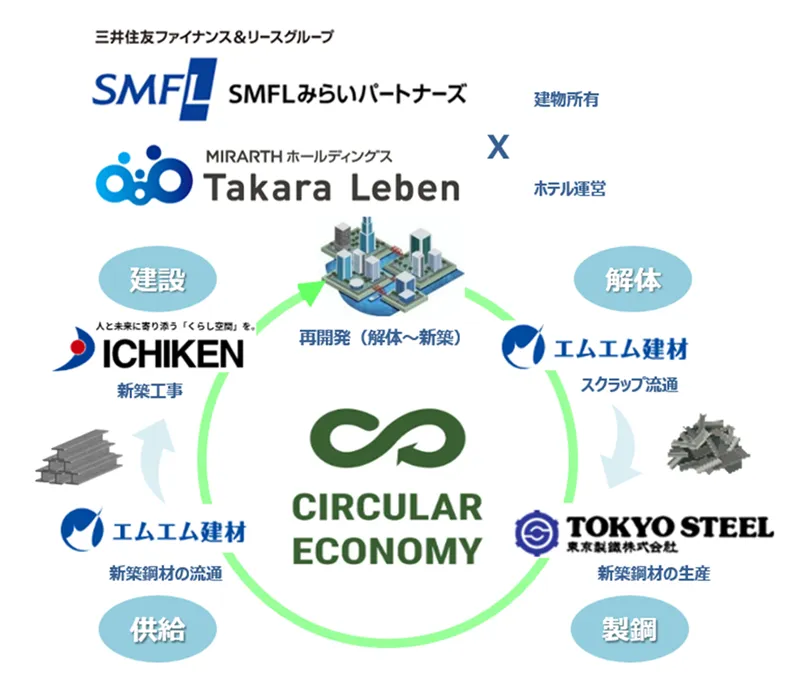
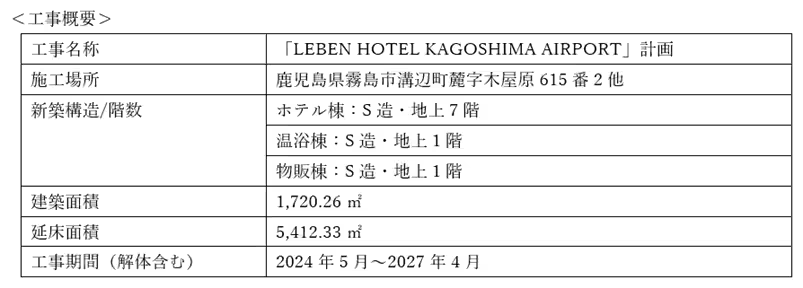
In an exciting development in Kagoshima Prefecture's Kirishima City, a group of five companies has come together to implement a novel resource recycling scheme for the construction of the new LEBEN HOTEL KAGOSHIMA AIRPORT. This initiative involves the repurposing of steel scrap generated from the demolition of the old Kagoshima Airport Hotel into new building materials for the upcoming hotel, showcasing a significant commitment to sustainability and circular economy principles.
Collaborative Efforts
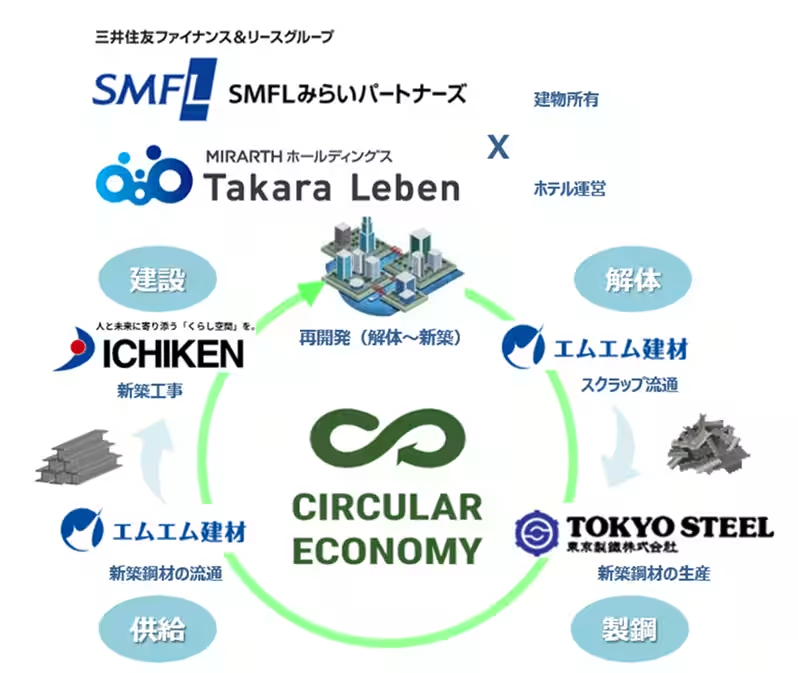
The partnership consists of SMFL Mirai Partners, Takara Leben, Ichiken, Tokyo Steel, and MM Kenzo. This collaboration outlines a comprehensive plan where the steel scrap produced during the demolition will be handled by MM Kenzo, who will manage its supply and distribution. Following sorting and processing by scrap dealers, the material will be sent to Tokyo Steel, a major steel manufacturer in Japan, which will then melt down the scrap to create construction-grade steel. The resulting materials will be used by Ichiken as part of the new hotel project, promoting a circular lifecycle within a single redevelopment initiative.
Context and Industry Implications
With the increasing emphasis on carbon reduction and transitioning to a circular economy, the construction industry is under pressure to adopt sustainable practices. Steel products, being key materials in construction, play a crucial role in determining the environmental impact of the sector. Proper procurement, utilization, and recovery methods for steel can significantly influence future sustainability efforts and business continuity strategies.
Currently, an issue of concern is the inappropriate disposal of steel scrap generated from demolition projects, often leading to outflows abroad without proper management and traceability. In response, this new initiative aims to close the loop by recycling the generated scrap domestically, thereby fortifying the resource flow from production to reuse within the same project.
Environmental Benefits
The adoption of electric furnace technology for steel production, using scrap as a primary input, is anticipated to substantially reduce carbon dioxide emissions compared to traditional blast furnace methods. While the latter emits approximately 2.0 tons of CO₂ per ton of steel produced, the electric furnace process is estimated to release only 0.5 tons. This represents a significant potential reduction of about 75%, aligning with broader environmental goals.
Future Standards in Construction
Going forward, the construction industry must not only consider whether materials are recycled but also ensure robust traceability and visibility within their resource circulation frameworks. This undertaking offers a tangible example of a closed-loop model for domestic steel resource circulation, striving for continuous verification and enhancement through real projects. The collaboration among participating companies underlines the collective effort to standardize and elevate resource circulation practices in the construction sector.
Company Profiles
SMFL Mirai Partners
SMFL Mirai Partners focus on real estate as a core business, offering a variety of finance services while actively engaging in environmentally conscious practices. The company aims to provide solutions beyond finance through the establishment of circular economies in real estate development.
Takara Leben
A member of MIRARTH Holdings, Takara Leben prioritizes sustainable development across various projects, including the LEBEN brand of condominium developments, reconstructions, and hotel operations. Their mission is to design sustainable environments that contribute positively to local communities.
Ichiken
With over 95 years of experience in total construction management, Ichiken is dedicated to lowering carbon footprints and reducing industrial waste while enhancing eco-friendly practices in construction processes.
Tokyo Steel
As Japan's largest electric furnace steel manufacturer, Tokyo Steel emphasizes a resource-recycling production process with reduced carbon emissions, serving as a key player in this collaborative initiative.
MM Kenzo
MM Kenzo operates as a specialized trading company handling steel products and raw materials, facilitating efficient recycling of resources from procurement to sale, furthering the cause of sustainable resource management.
Conclusion
The resource recycling scheme at the LEBEN HOTEL KAGOSHIMA AIRPORT presents a forward-thinking model of sustainability in construction. By aligning innovative practices with collaborative strategies, these companies are setting a benchmark for future projects and contributing to a more sustainable and circular economy in Japan’s construction sector.
Topics Consumer Products & Retail)
【About Using Articles】
You can freely use the title and article content by linking to the page where the article is posted.
※ Images cannot be used.
【About Links】
Links are free to use.