



Exploring Civic Pride: Tokyo's Chuo Ward Tops National Rankings
Civic Pride Rankings in Japan: A Comprehensive Overview
In an unprecedented national survey, YOMIKO Urban Living Research Institute has explored the feelings of affection and pride that residents have for their cities, revealing intriguing insights into civic pride across Japan. This comprehensive survey encompassed 278 municipalities with populations over 100,000, aiming to gauge the sentiments of residents aged between 20 and 64 years.
What is Civic Pride?
Civic pride, or 'CivicPride' as trademarked by YOMIKO, refers to the sense of belonging, pride, and attachment residents feel towards their city. It encapsulates the idea that residents see themselves as active participants in enhancing their community’s identity and livability. As cities increasingly recognize the importance of engaging their citizens in urban planning and policy-making, civic pride has gained prominence. The Ministry of Land, Infrastructure, Transport and Tourism has particularly noted its significance as part of urban regeneration themes in upcoming discussions scheduled for November 2024.
Survey Findings: The Rankings
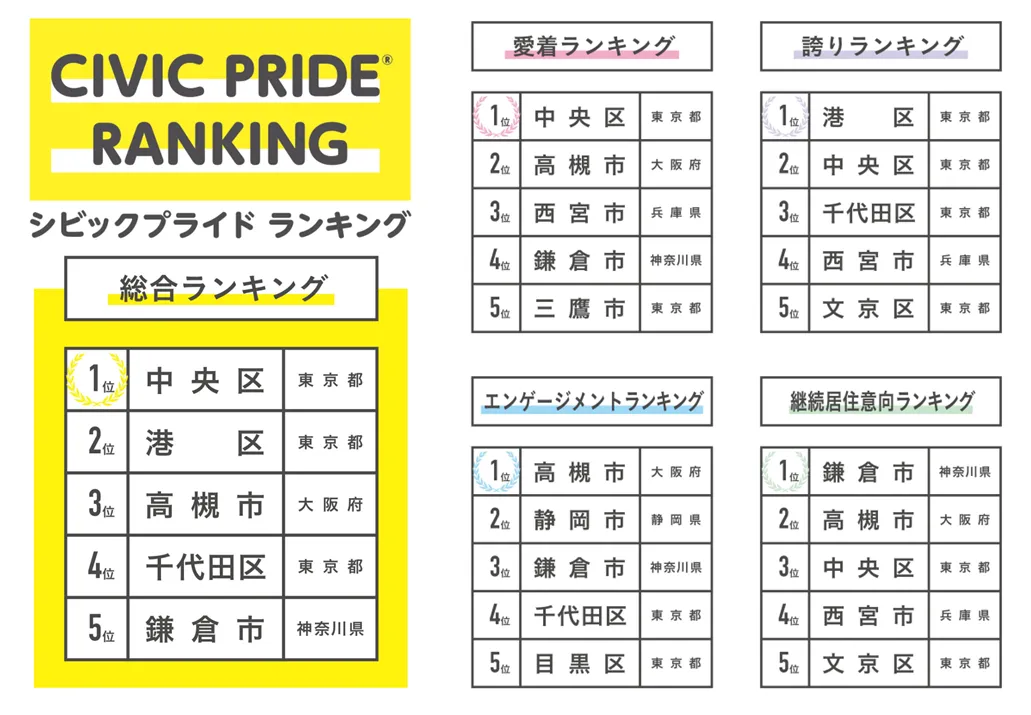
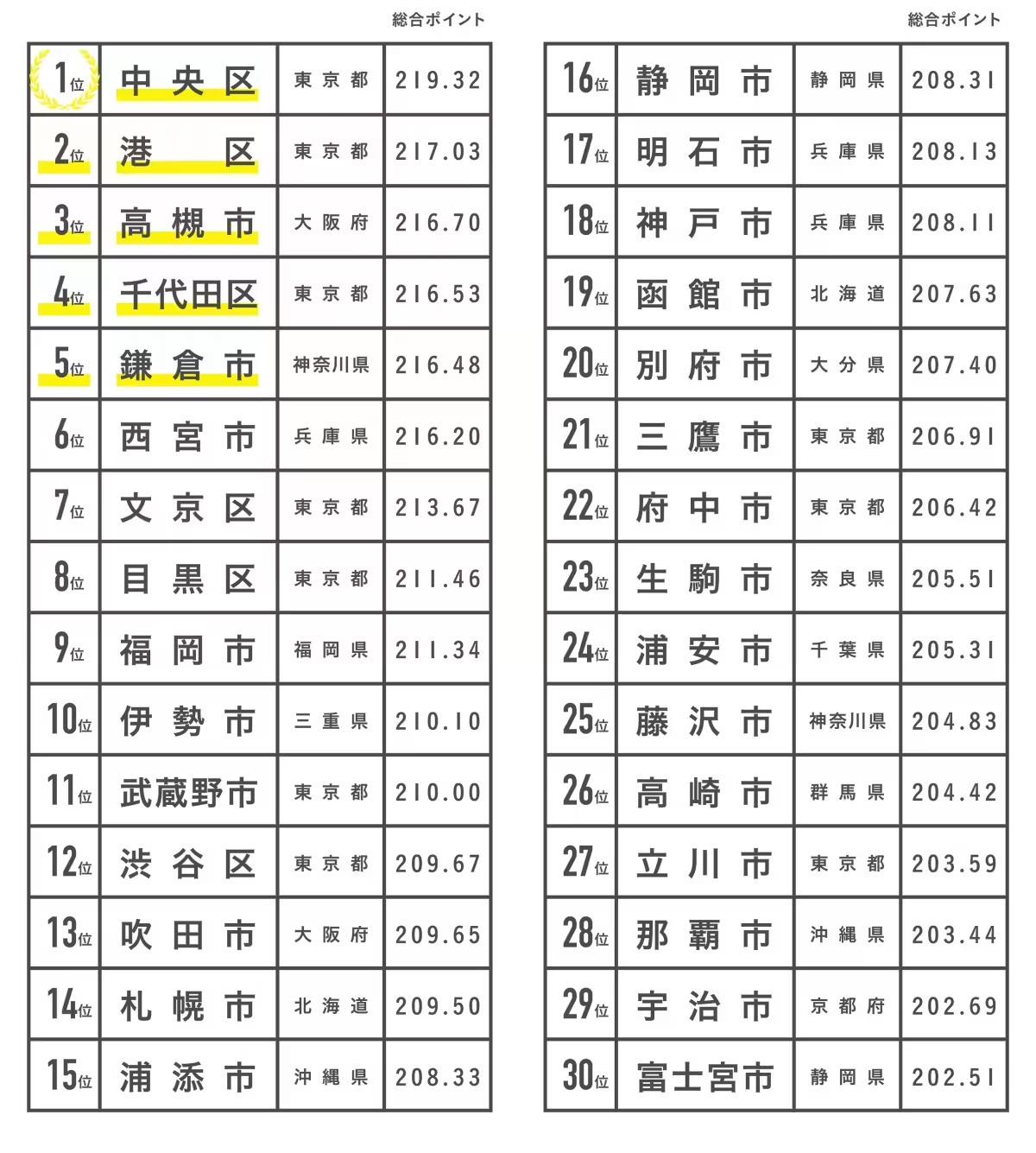
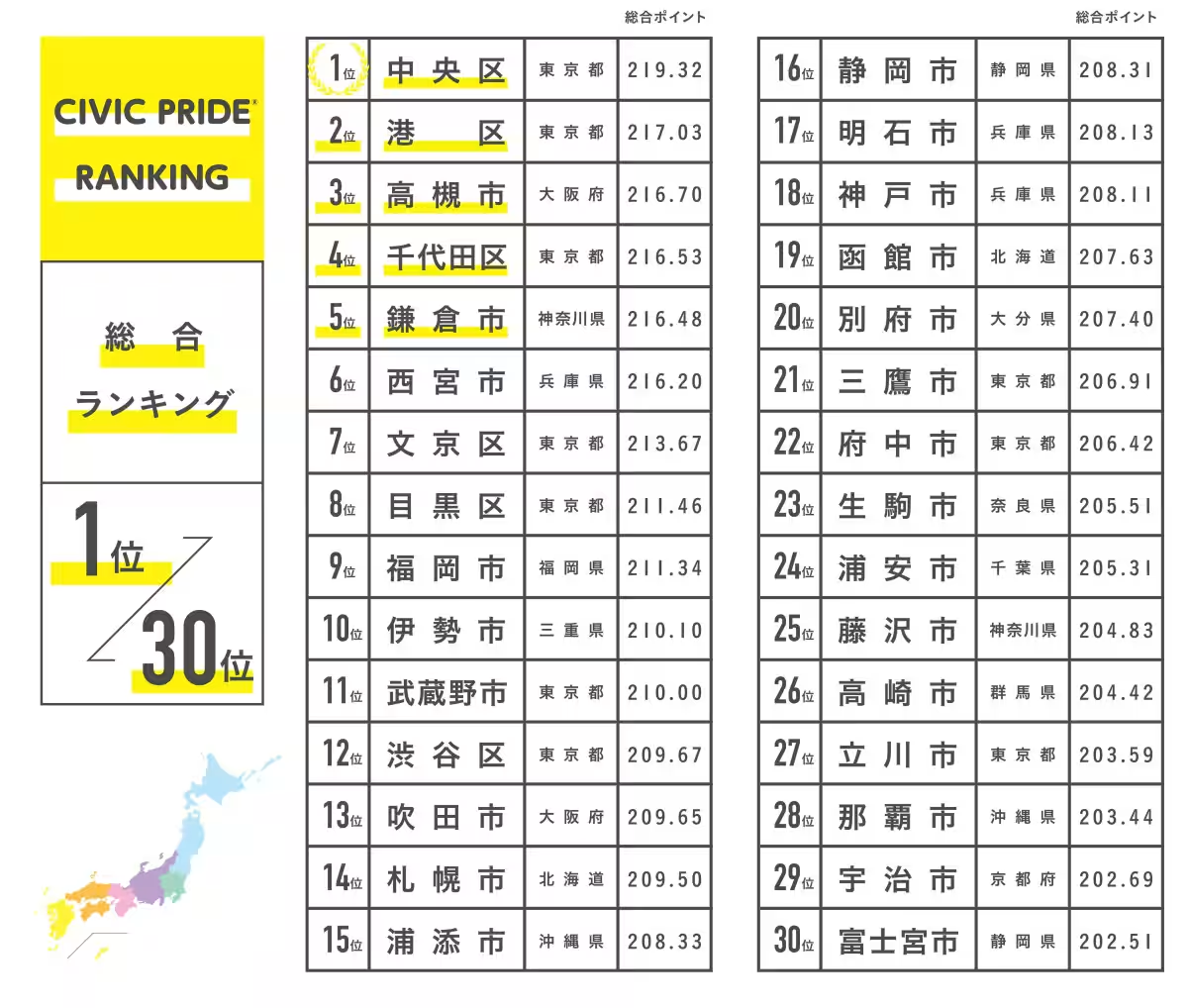
The survey's results are nothing short of revealing. For the overall rankings, Tokyo's Chuo Ward claimed the top position, reclaiming its status after leading in a 2021 regional survey. Chuo Ward is characterized by its vibrant shopping districts such as Ginza, high-rise residential areas in Kachidoki and Harumi, and the blend of modern amenities with historical landmarks.
Notable Highlights
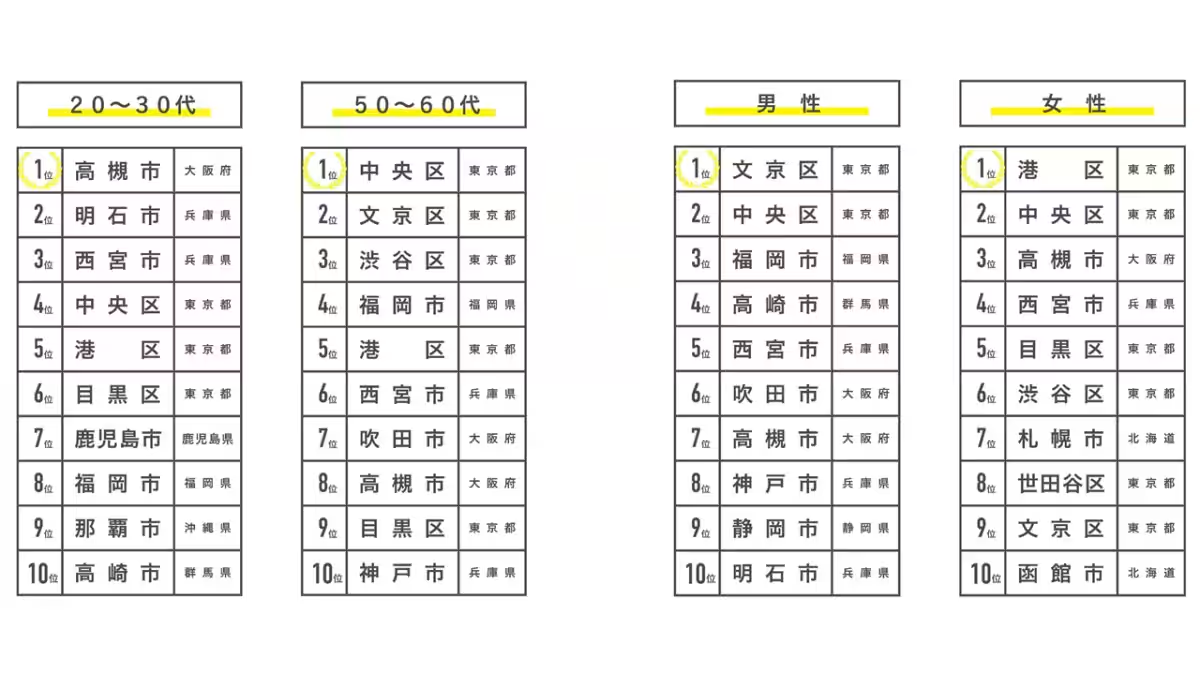
- - Top Scorers Among Younger Residents: In the 20s and 30s age group, three cities in the Kansai region dominated the rankings: Takatsuki City (Osaka), followed by Akashi City (Hyogo) and Nishinomiya City (Hyogo). This is a stark contrast to older demographics where Chuo Ward, Bunkyo Ward, and Shibuya Ward in Tokyo held the top three positions.
- - Gender Breakdown: Among men, Bunkyo Ward was ranked first, while for women, the top spot was taken by Minato Ward. This distinction highlights the differing aspects valued by men and women in urban living.
- - Desire to Stay: Residents indicated a strong commitment to their municipalities, with Kamakura City (Kanagawa) being the most desired city to continue living in, closely followed by Takatsuki City and Chuo Ward.
Factors Influencing Civic Pride
The survey analyzed various aspects linked to civic pride using three primary indicators: attachment to the city, pride in living there, and engagement with local life. The total score for each municipality was gathered from these metrics, resulting in a maximum possible score of 300.
Chuo Ward's High Scores
Chuo Ward excelled not just because of its iconic shopping and entertainment, but also due to its appealing urban landscape, ensuring that residents feel integrated within the community. Factors such as the presence of historic streets, vibrant public spaces, and community-driven events like local festivals contributed significantly to its high ranking. The interplay between commercial attractions and residential satisfaction has shown to enhance the civic pride of its inhabitants.
Rankings to Watch
Takatsuki City has notably surged to third place, reflecting its balanced quality of life and attractiveness as a suburban locale. Factors like enhanced transportation, residential development, and the facilitation of community-driven historical storytelling were pivotal in elevating its status among voters. While previously ranked lower, its efforts to create a holistic living environment resonate strongly with its residents.
Generational Insights
The generational divide in rankings illustrates that while younger demographics favor active engagement with their cities, older citizens tend to prioritize established comforts and historical significance in their urban experience. The younger generations are seen gravitating towards cities that foster a sense of community and opportunity for participation; meanwhile, their older counterparts appear more fixed on personal satisfaction and accessible greenery.
Conclusion
As YOMIKO Urban Living Research Institute continues to dive deeper into the data, the findings from this national survey not only shed light on trends in civic pride but also emphasize the potential for cities—big and small—to enhance their residents' experiences. The overarching goal is to inspire local pride through active engagement, ensuring a brighter, more connected future for urban living in Japan. The insights gathered reveal a colorful tapestry of civic identity spanning the country, paving the way for meaningful improvements in urban settings.
For Further Information
The full ranking and further details can be accessed through the CIVIC PRIDE® portal.
Topics Policy & Public Interest)



【About Using Articles】
You can freely use the title and article content by linking to the page where the article is posted.
※ Images cannot be used.
【About Links】
Links are free to use.