



Learning from Sweden's Inclusive Employment Practices for Disabled Individuals
Insights from Sweden’s Disability Employment Practices
Overview of the Visit
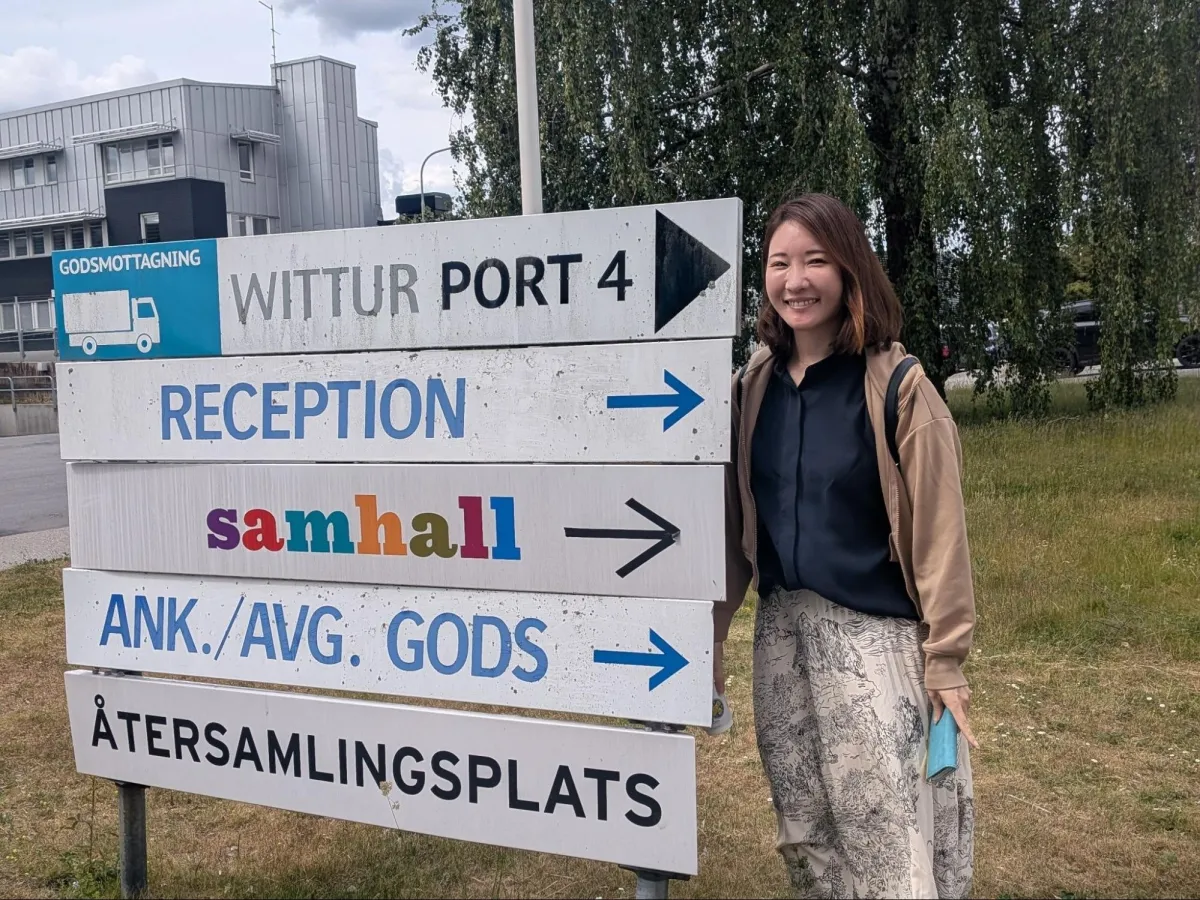
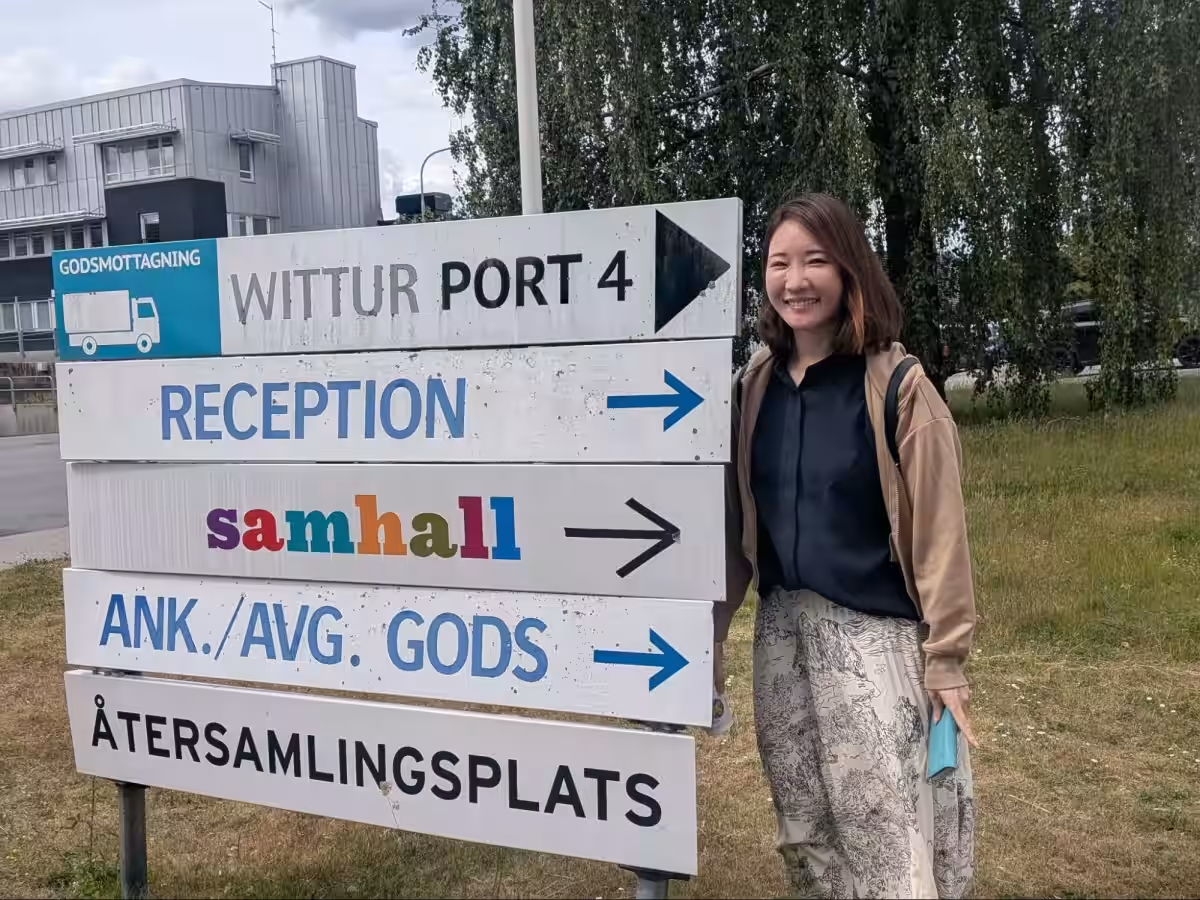
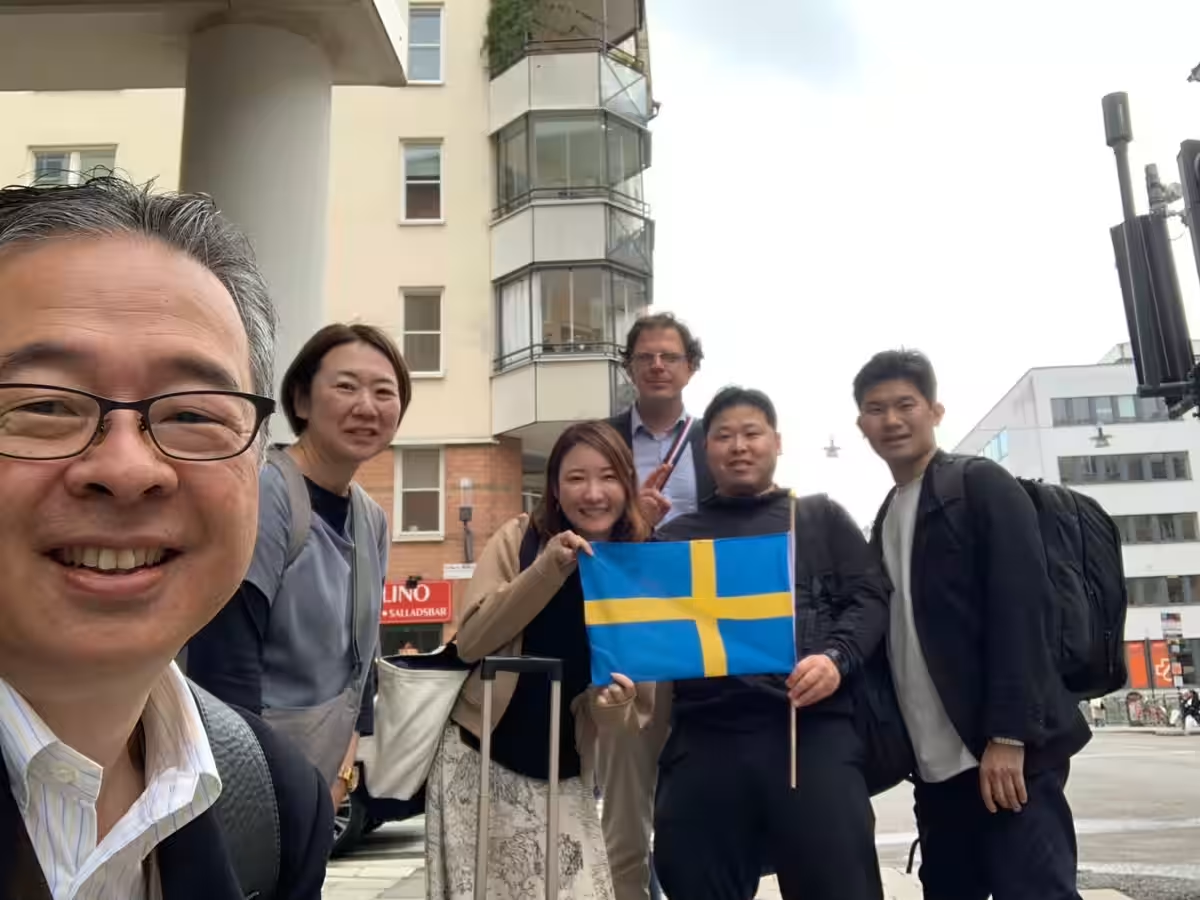
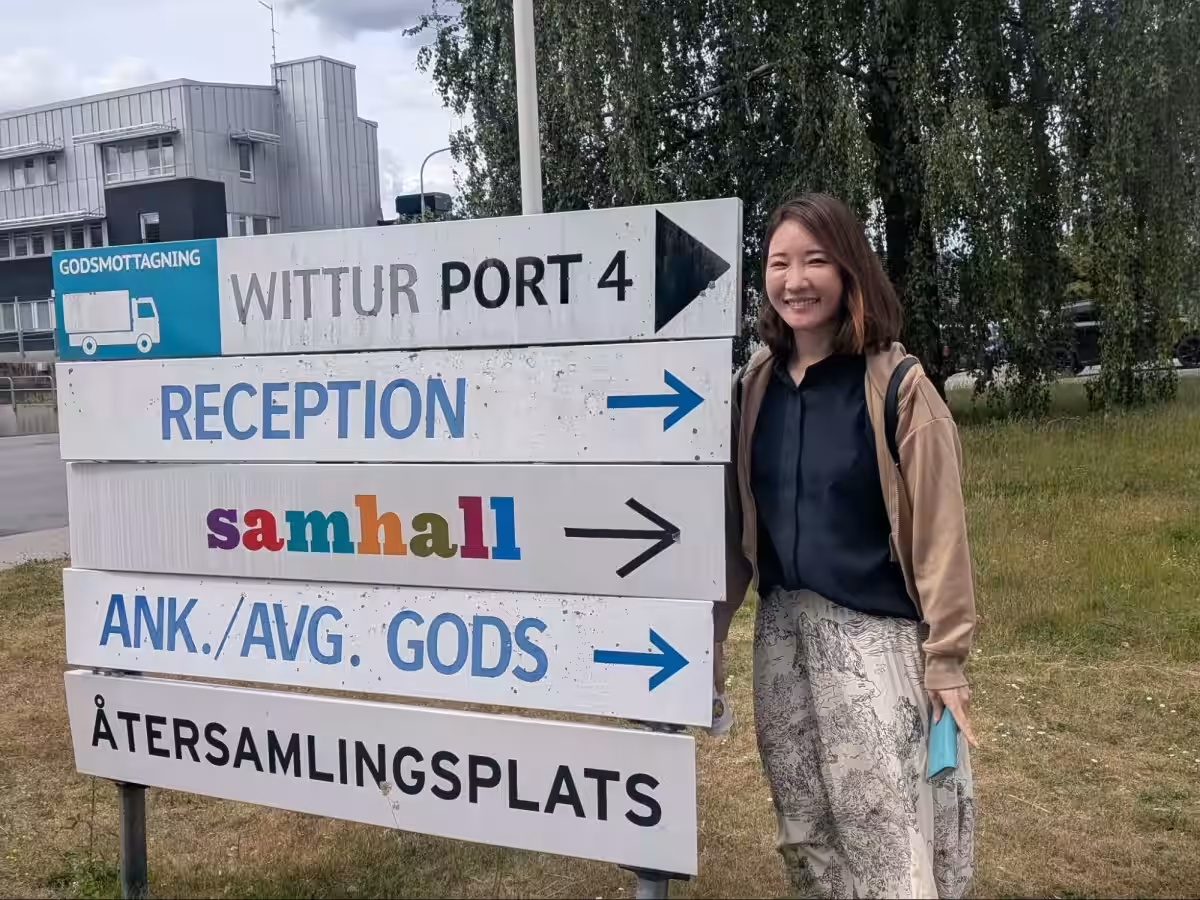
In June 2025, a delegation from WizDiversity ventured to Sweden, aiming to explore the nation’s exemplary practices surrounding the employment of individuals with disabilities. The visit to Samhall, a government-funded enterprise dedicated to supporting disabled employment, provided crucial insights into Sweden’s employment assistance systems. This report details the observations made during the trip and highlights the potential implications for Japanese employment practices.
Details of the Visit
Dates: June 9th to June 11th, 2025
Participants: 5 representatives from WizDiversity and affiliated organizations.
Context for the Visit
Founded in 2019, WizDiversity is committed to creating a society where all individuals with disabilities can be professionals. In collaboration with small- to medium-sized enterprises, WizDiversity seeks to facilitate the employment of disabled persons through collective operational initiatives. As of June 1, 2025, 16 companies participate in the group, with an employment rate of 6.63% across the board.
The motivation behind the visit was to learn from the advanced practices in Sweden regarding disability employment support and to strategize how WizDiversity can evolve its offerings.
Key Observations
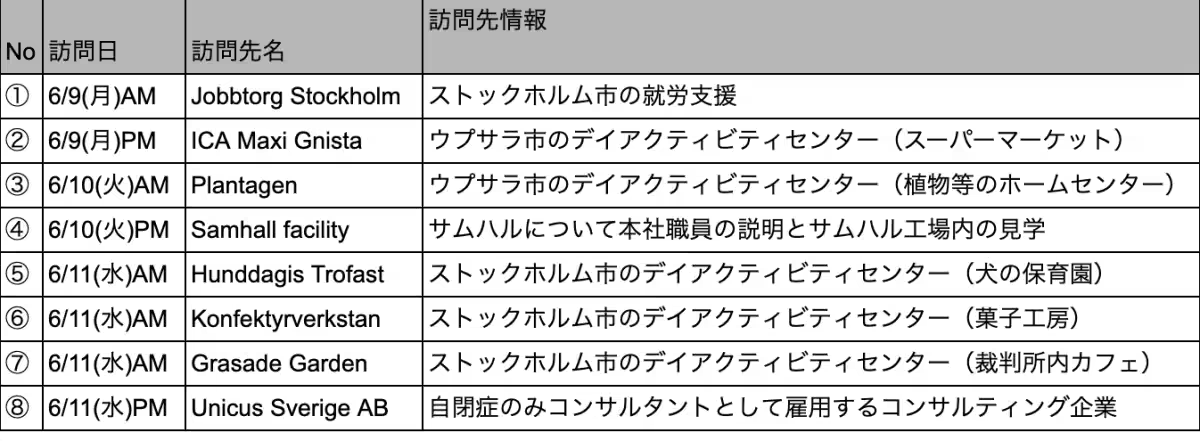
Jobbtorg Stockholm
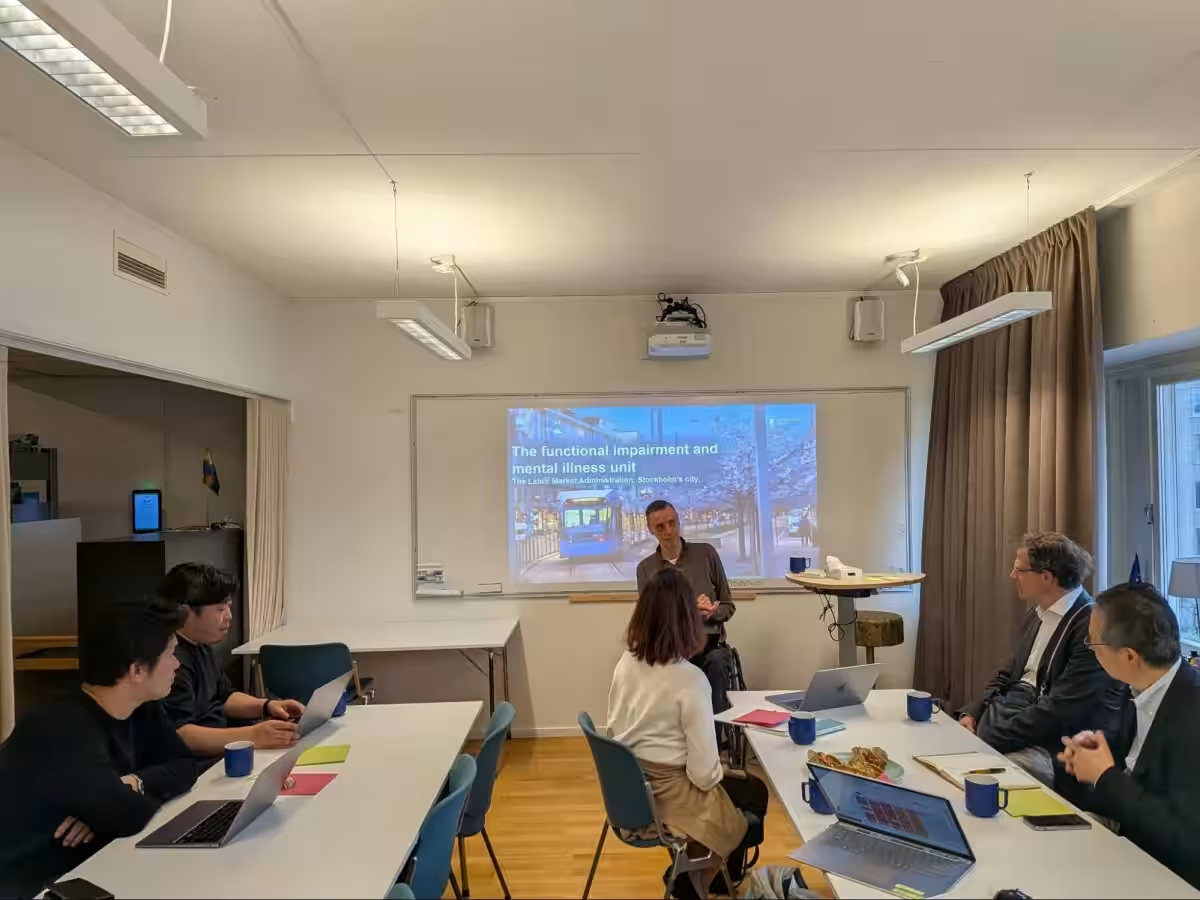
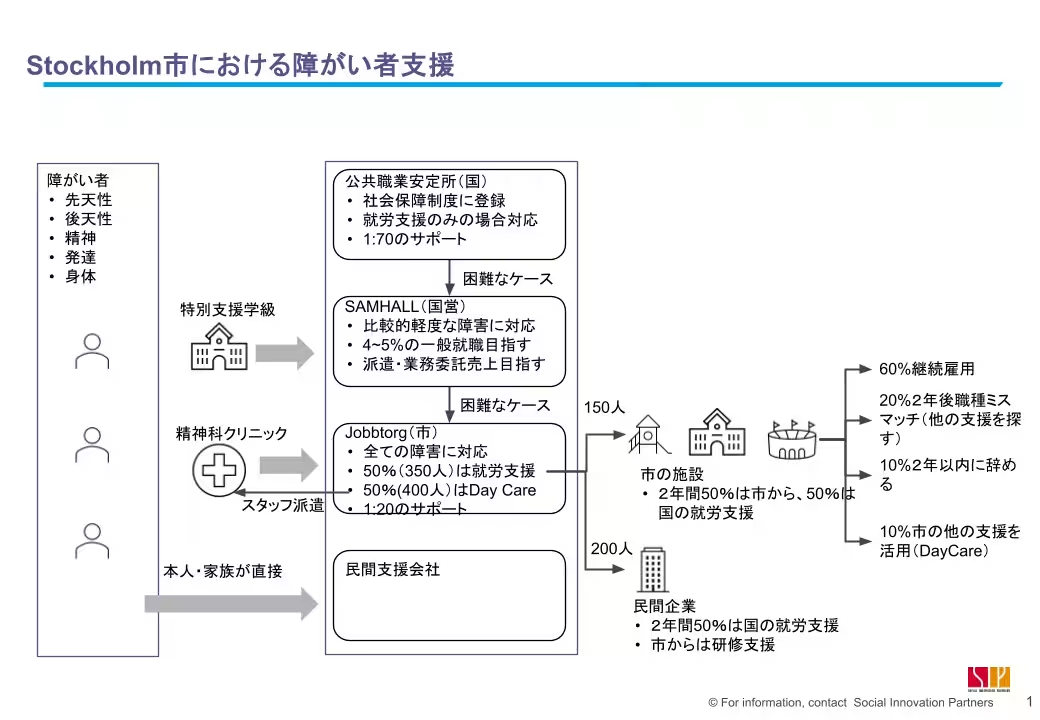
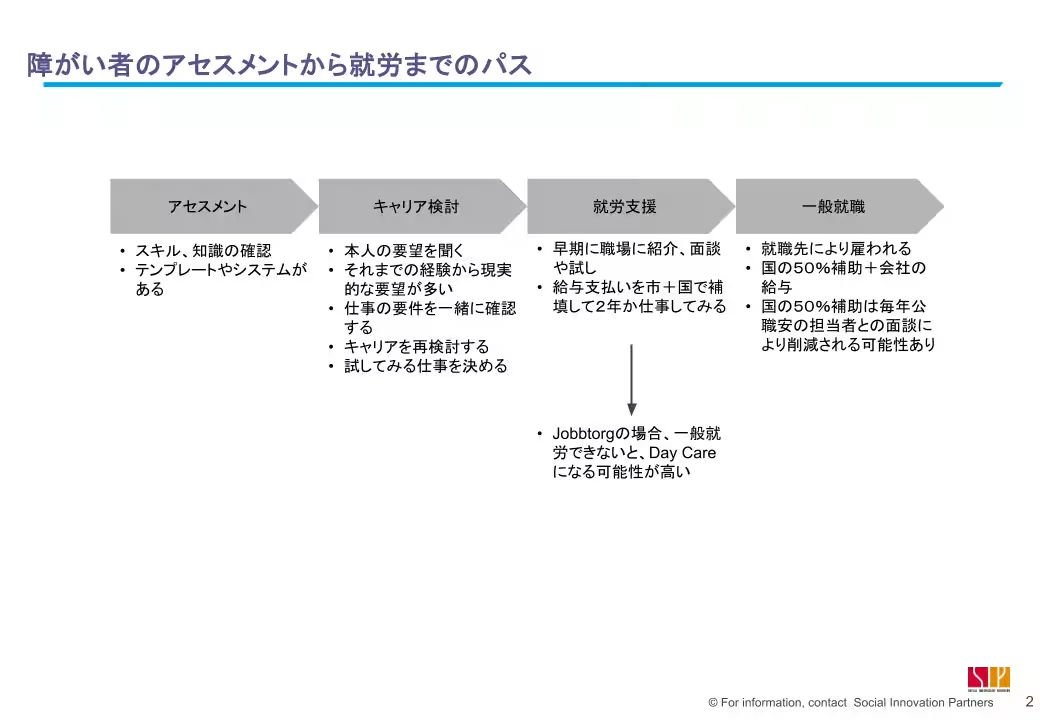
The first stop was Jobbtorg Stockholm, the employment support agency operated by Stockholm’s municipal government. Similar to Japan’s Hello Work, it serves as the initial gateway for individuals with disabilities seeking employment assistance. The focus is on evaluating work readiness based on a government-designed framework.
In cases where individuals are deemed not yet ready for mainstream jobs, they are directed to Samhall, where supportive employment opportunities exist. This contrasts starkly with Japan, where private agencies predominately provide support.
Salary Practices
Notably, the insurance frameworks differ in Sweden. Here, after a disabled individual is employed, 50% of their salary is subsidized by both the government and local municipalities for the first two years. This structure alleviates financial burdens for businesses while ensuring that employees are financially supported in their roles.
Field Observations
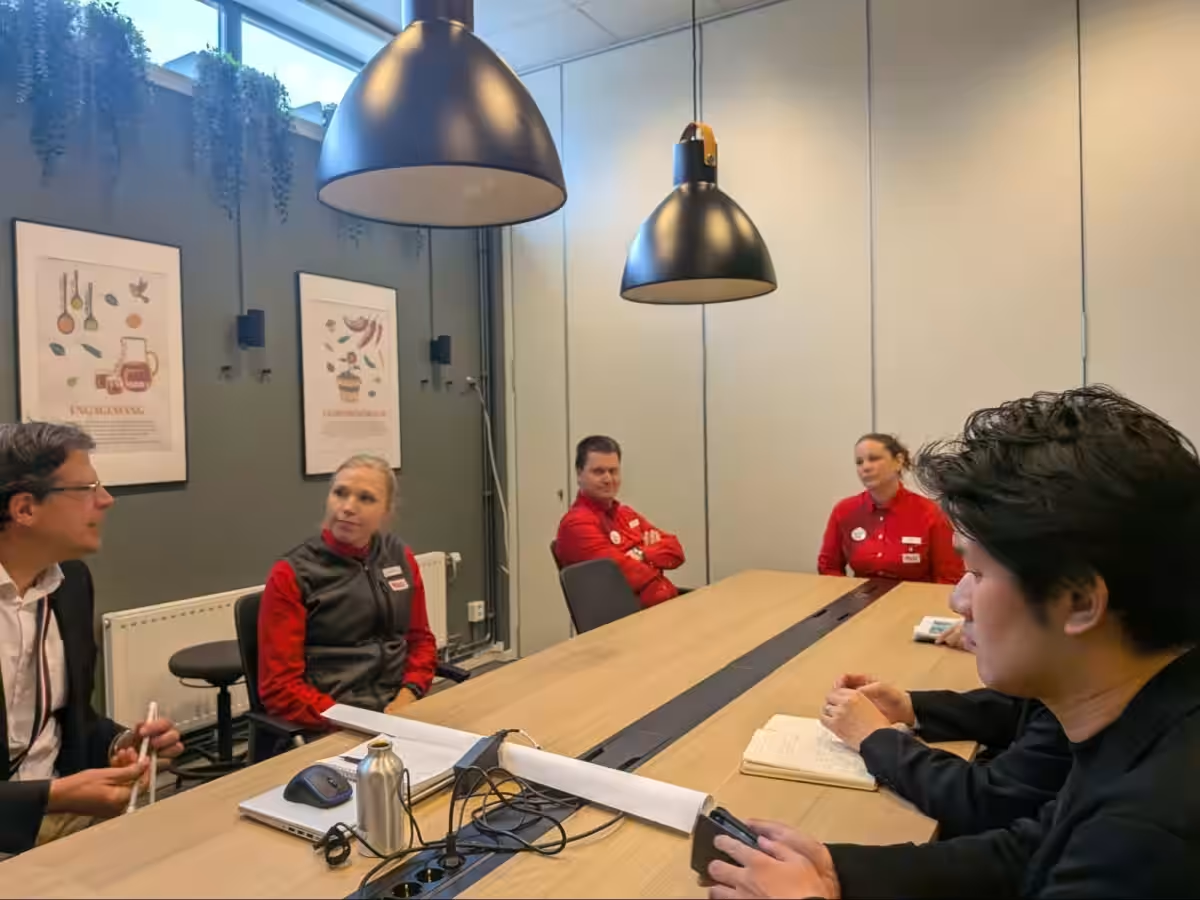
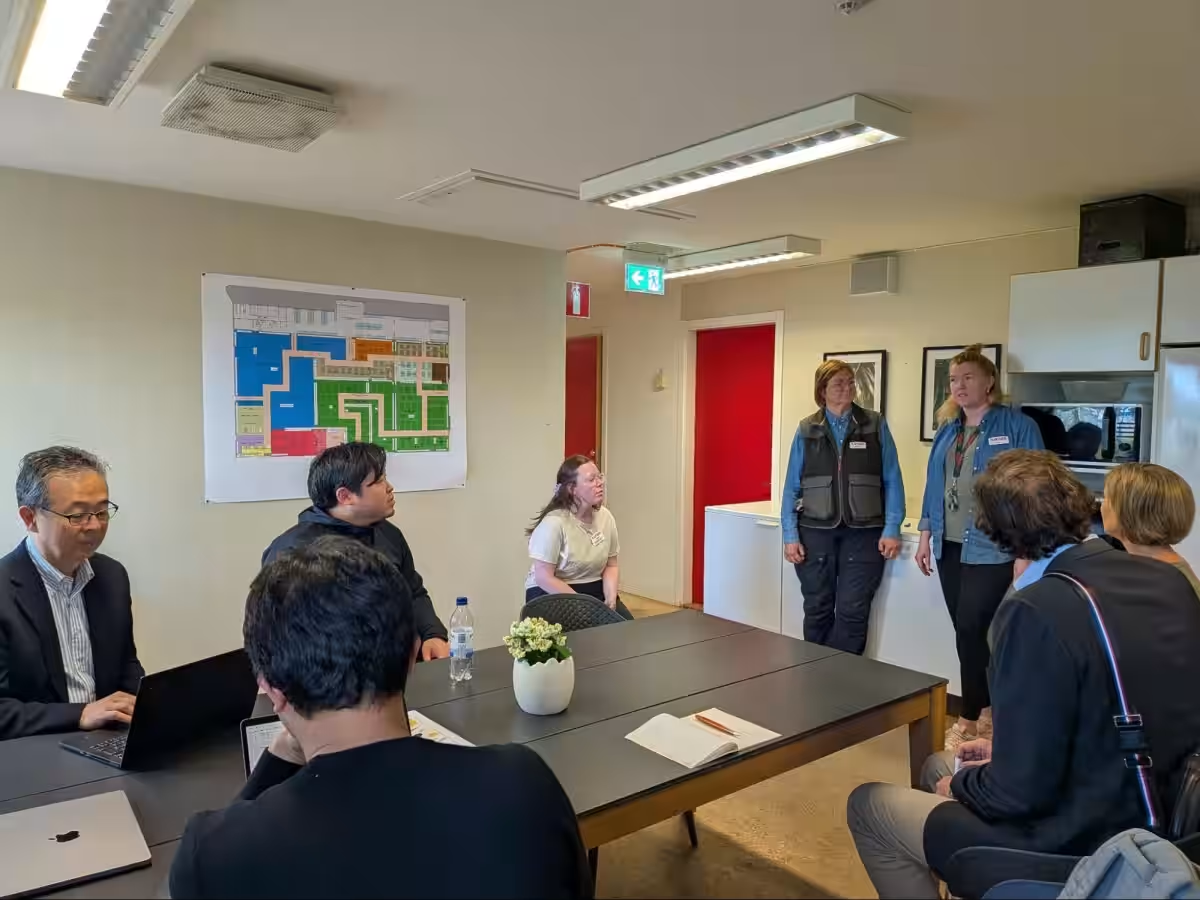
The team next visited ICA Maxi Gnista, a supermarket in Uppsala where a dedicated resource team of disabled individuals assists in daily operations. This model promotes inclusivity in the workplace, demonstrating how well individuals with disabilities integrate into typical job scenarios. Each staff member receives no wages through traditional employment but is supported by welfare systems, demonstrating a different perspective on work and community engagement.
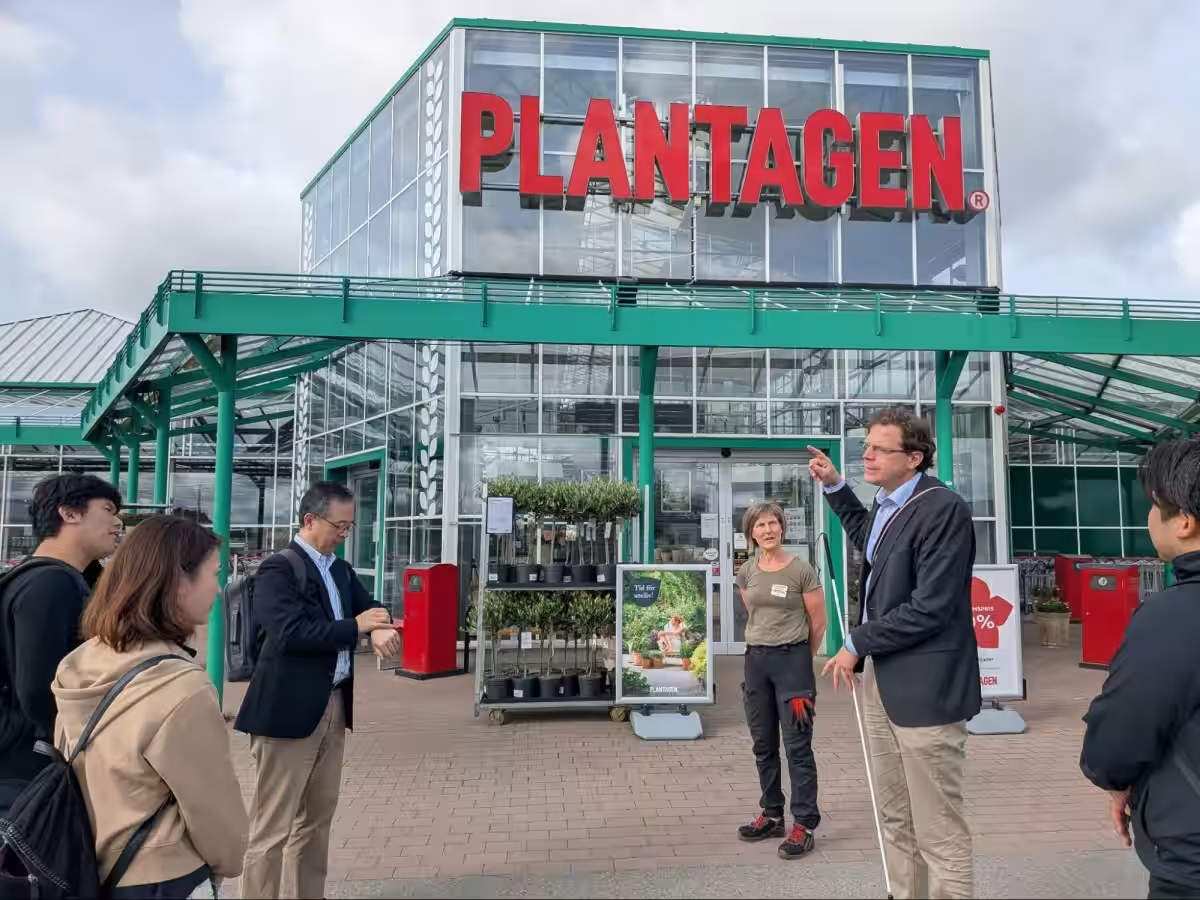
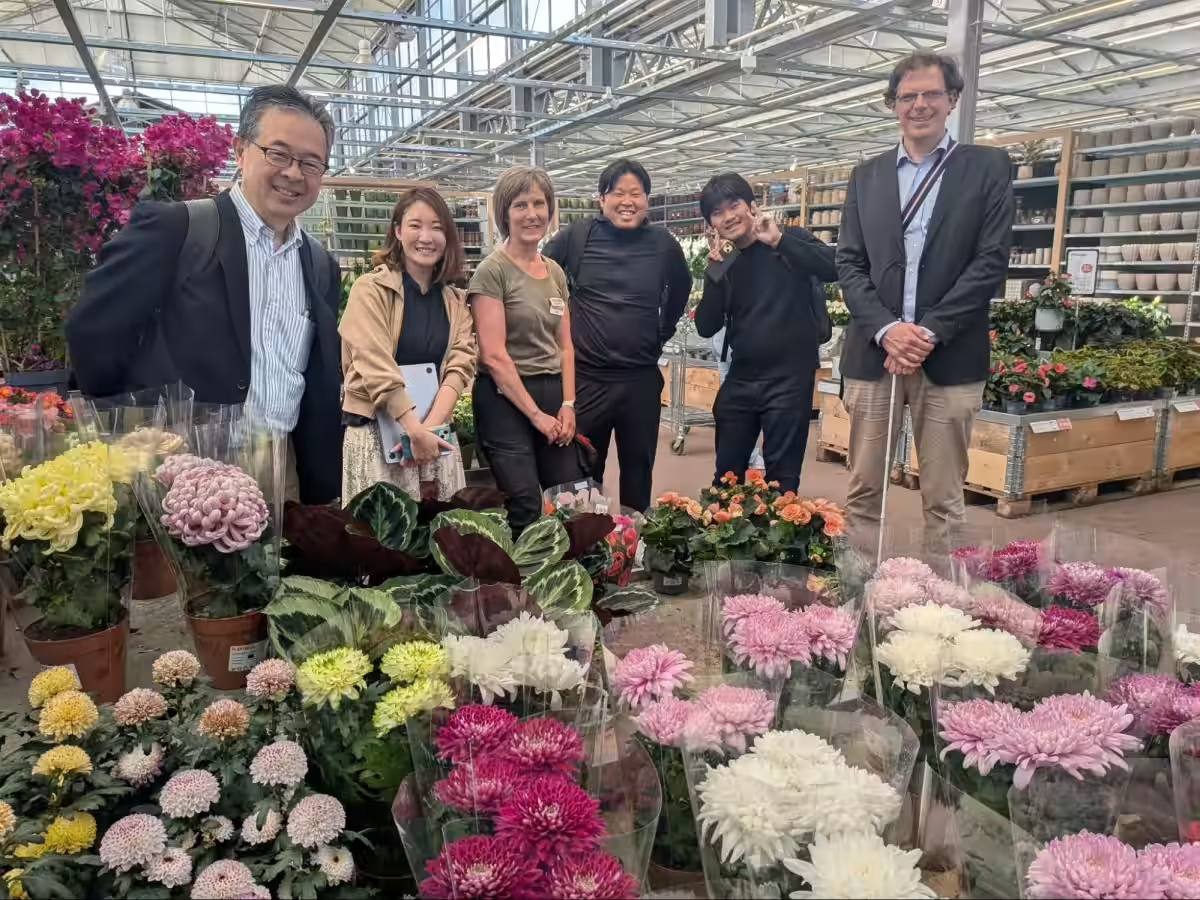
At Plantagen, a large gardening retail store, a similar system operates where disabled team members contribute alongside others under supportive circumstances. Here, the emphasis remains on societal participation over traditional employment metrics.
Samhall’s Unique Approach
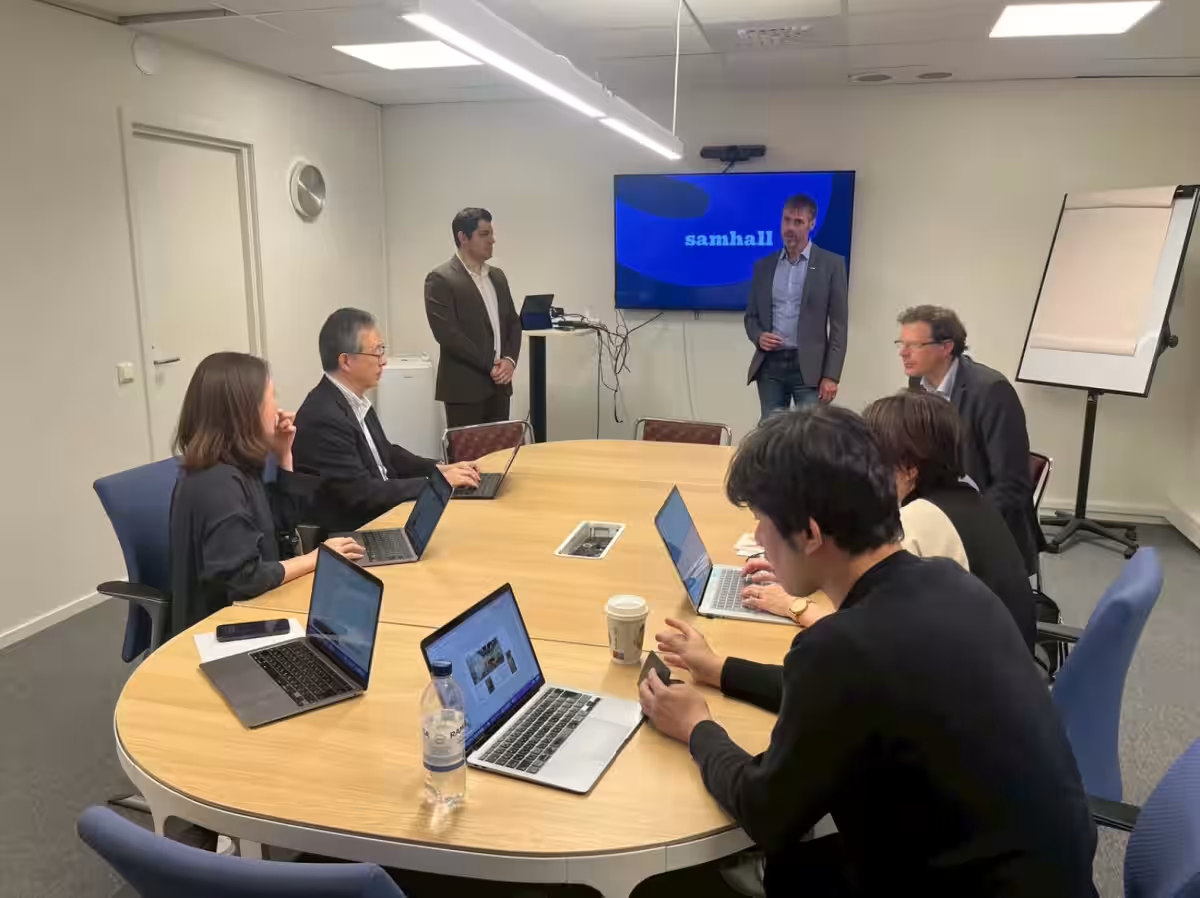
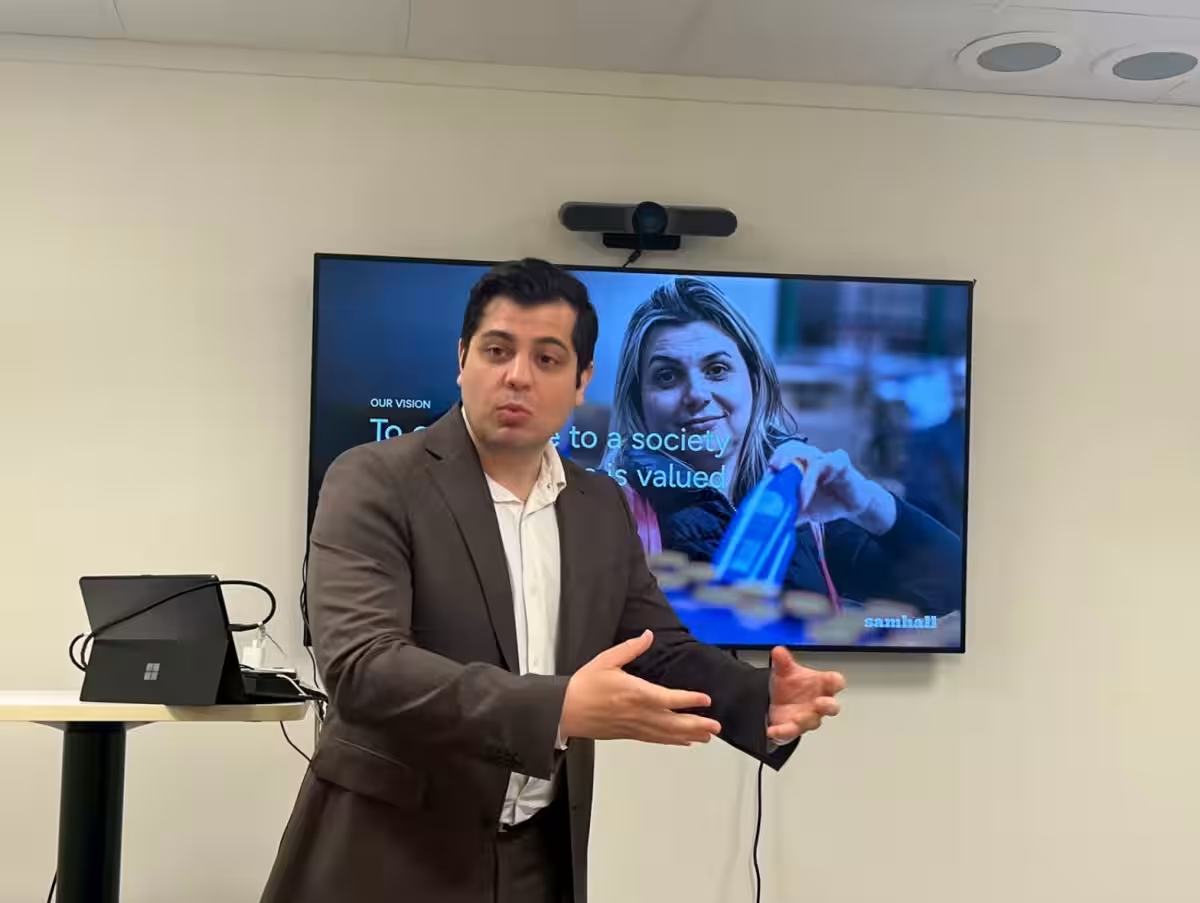
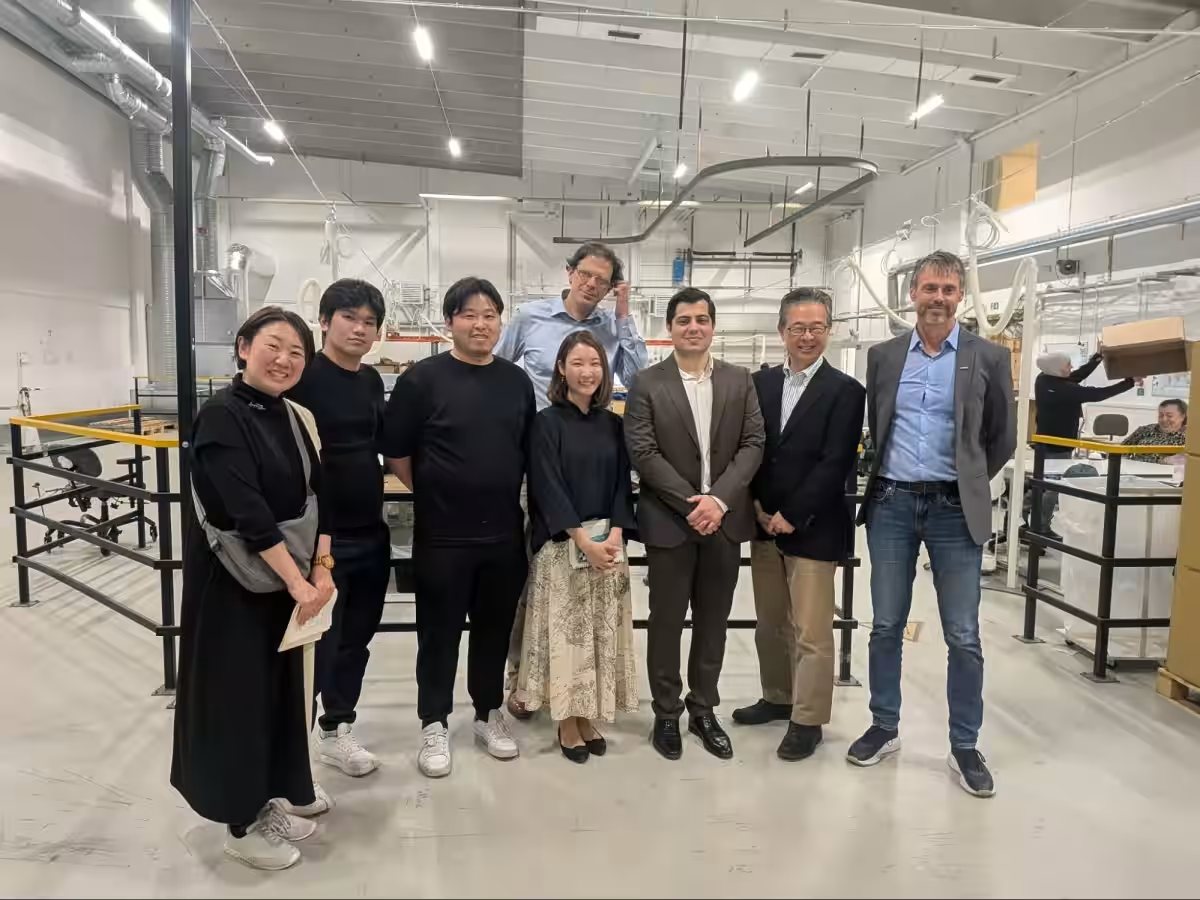
On the following day, the delegation visited Samhall facility at Lunda. Samhall, with over 800 locations nationwide, assigns individuals to one of 24 job categories, ranging from manufacturing to supply chain management, emphasizing tailored assessments to match employees with suitable roles. This evaluation process stands in stark contrast to Japan’s more rigid employment frameworks, allowing for greater flexibility and accommodation of individual strengths.
Samhall exhibits an ambition to transition 1,500 individuals annually into regular employment, placing a heavy emphasis on creating environments where employees feel safe and valued rather than compelled to seek external employment.
The Case for Specialized Employment Models
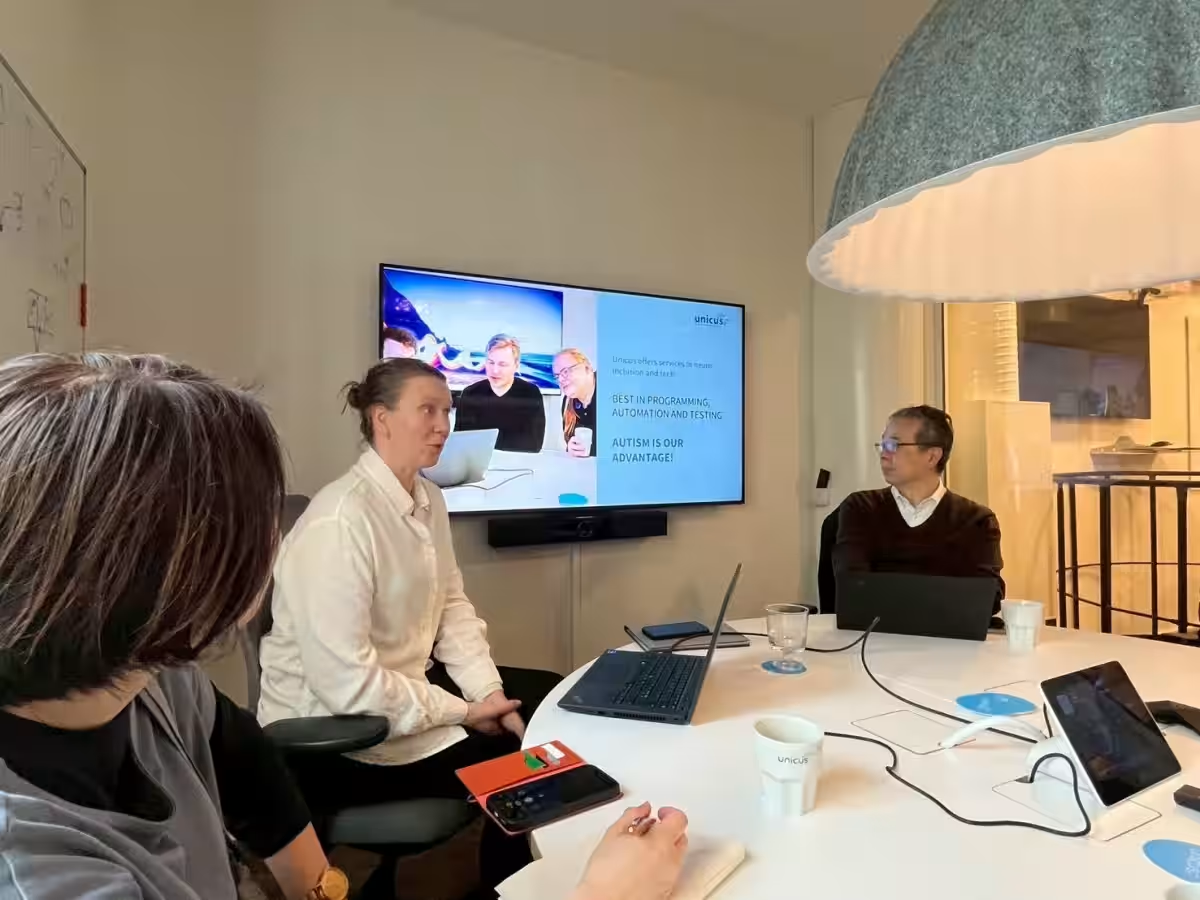
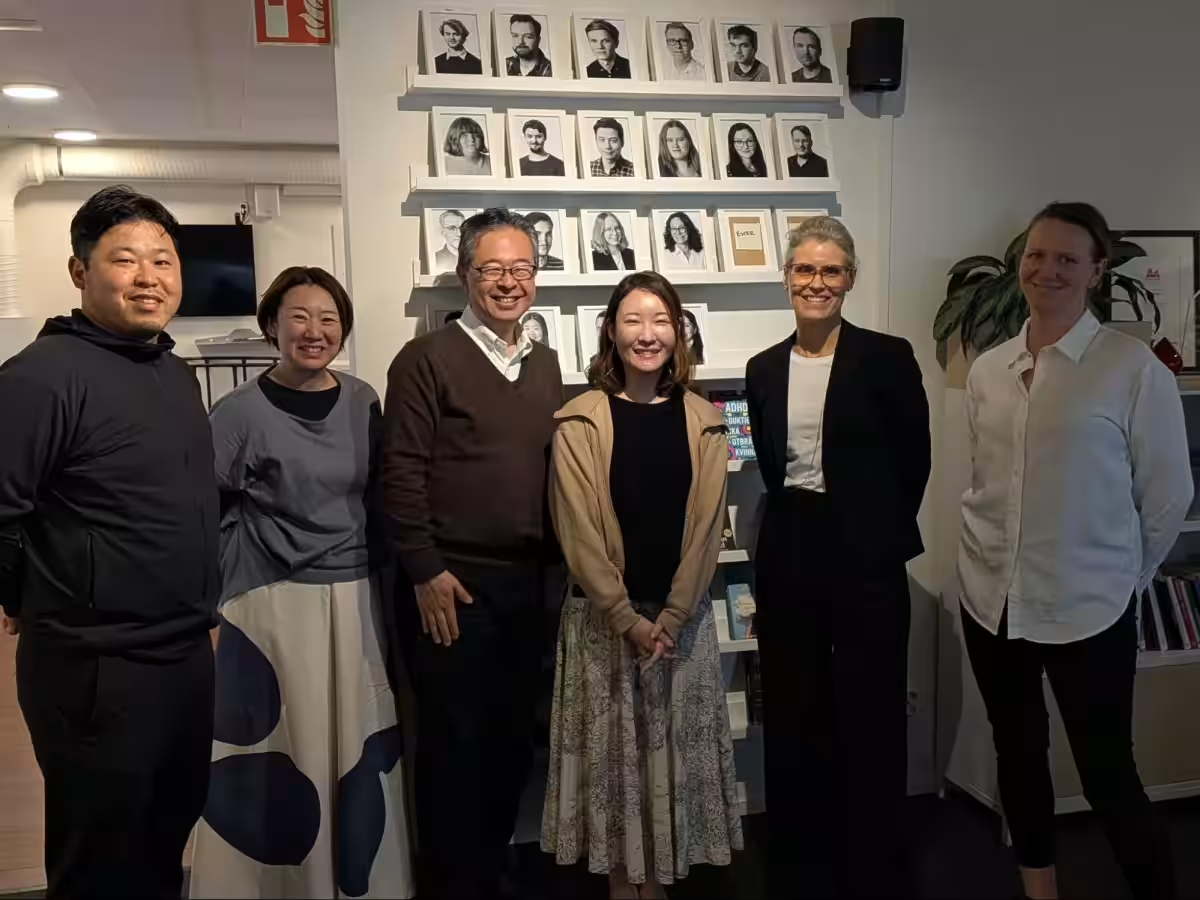
Finally, the visit included Unicus Sverige AB, a company exclusively employing individuals with autism. This firm showcases how specific traits can be harnessed to excel in roles such as data analysis. Their focus on nurturing skills aligned with workers’ inherent strengths mirrors the approach WizDiversity advocates.
Conclusions and Future Directions
The journey to Sweden reaffirmed the need for Japan to rethink its perspectives on employment for individuals with disabilities. It underscored the importance of focusing on creating job roles that leverage unique abilities rather than merely increasing employment numbers. The integration of inclusive practices combined with properly structured support systems fosters environments where individuals can thrive both professionally and personally.
Message from the Founder
Maki Fukujyu, founder of WizDiversity, emphasizes the urgent need for systemic change within Japan’s approach to disability employment. As regulations evolve, it remains crucial for companies to develop frameworks that not only facilitate employment but also ensure quality, sustainable work opportunities.
As WizDiversity continues its mission, the model observed in Sweden serves as a hopeful template for reshaping the future of inclusive employment practices in Japan.




Topics People & Culture)
【About Using Articles】
You can freely use the title and article content by linking to the page where the article is posted.
※ Images cannot be used.
【About Links】
Links are free to use.