



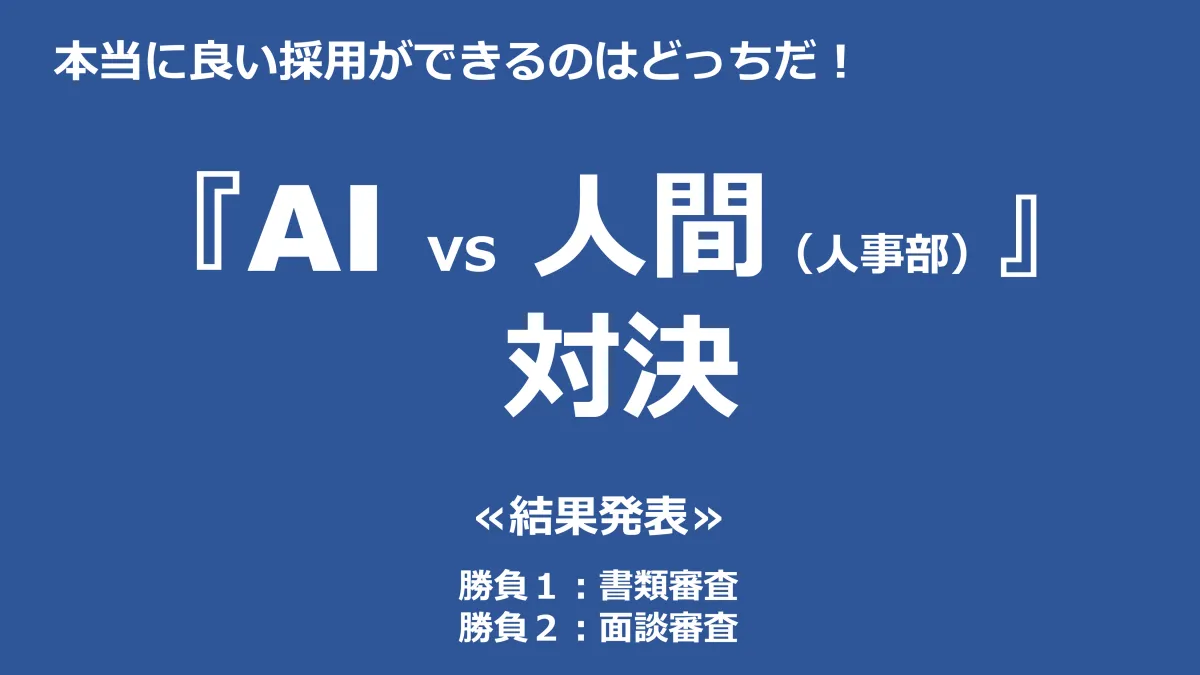
The Surprising Results of 'AI vs. Human Hiring Experts' Experiment
The AI vs Human Hiring Experts Experiment
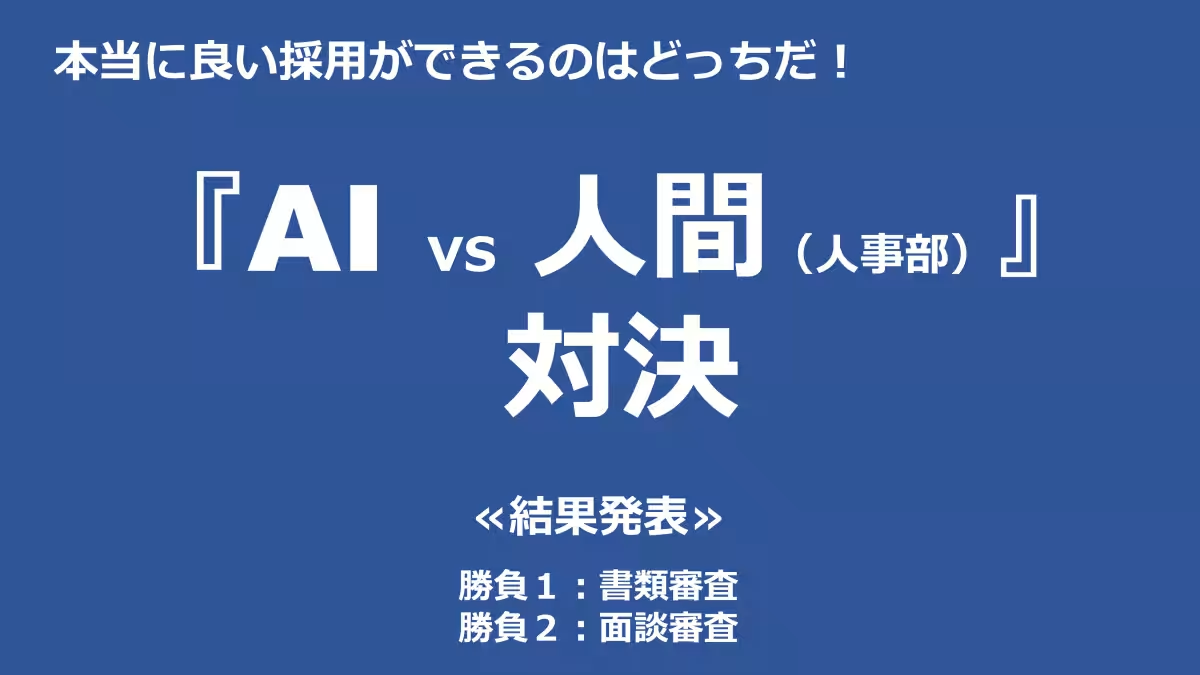
A recently conducted experiment by Real Virtual Inc. in Shibuya, Tokyo, has challenged the common understanding of AI's role in recruitment. Titled 'AI vs Human Hiring Experts', the study aimed to explore the effectiveness of AI compared to seasoned recruiters. The findings were startling: while AI struggled in document screening, it triumphed in interview evaluations.
Experiment Overview
The researchers set out to simulate the hiring process for new graduates expected in 2026. The focus was twofold: first, to determine whether professionals in HR could distinguish between AI-generated and genuine application documents, and second, to see how both AI and humans performed in selecting candidates based on interviews.
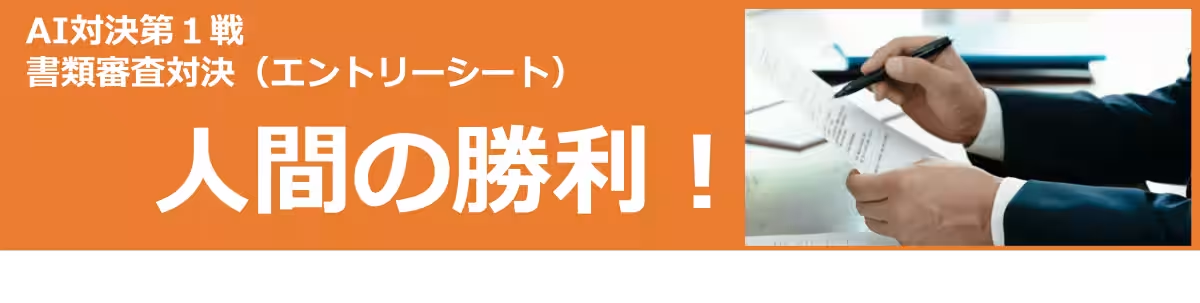
Round 1: Document Screening
The first phase of the experiment involved reviewing 20 application essays, or Entry Sheets (ES), comprised of two categories:
- - AI-generated perfect imitations: ten application essays created by AI technology, specifically ChatGPT, designed to be flawless with minimal human proofreading.
- - Genuine student submissions: ten entries written by real university students utilizing their own experiences and emotions without AI assistance.
The goal was for both AI and human experts to select the real candidates from these submissions. The scoring was based on how accurately they could identify genuine candidates interested in the company.
Judging Criteria:
Both AI and human recruiters were tasked with reviewing these essays. The AI evaluated them based on data-driven parameters such as keyword richness, logical structure, and past success patterns. Contrarily, the human recruiters assessed the emotional depth and authenticity of the essays based on years of experience in the field.
The results from the screening phase showed that the human recruiters correctly identified 70% of the genuine entries while the AI managed only 60% accuracy. This highlighted a significant human advantage in recognizing the nuanced human expressions that AI failed to comprehend.
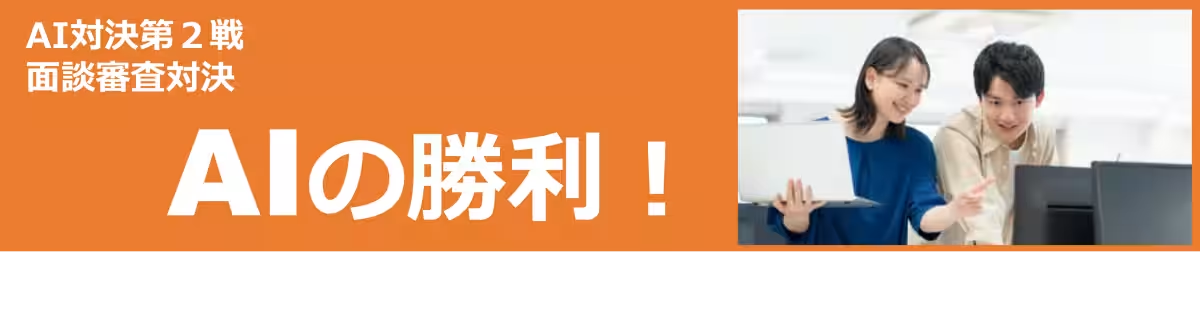
Round 2: Interview Assessments
The second part of the study simulated real-life interview scenarios for candidates aiming for recruitment in 2026.
Assessment Method:
During this phase, ten candidates genuinely interested in the company were paired with ten less motivated candidates. The human recruiters conducted in-person evaluations during an internship experience, while AI assessed candidates based on their recorded job tasks and reports from an online job preview.
The accuracy rates in identifying the genuine candidates were markedly different: AI achieved an 80% accuracy in assessment, identifying eight genuine candidates, whereas human recruiters only identified six out of their selections.
Analysis and Insights
The results from this two-prong study present a mixed bag of insights, sharply questioning the stereotypes of AI as the superior analytical tool while humans excel in conversation.
During the document evaluation, AI’s failure stemmed from its inability to interpret emotional nuances and the personal growth potential of candidates, favoring logical and flawless presentations instead. In contrast, human judges were susceptible to biases such as likability and emotional appeal, leading to misjudgments about candidates' intentions.
Reflections on AI's Role in Hiring
The overall outcomes challenge the prevailing belief that tasks should be distinctly divided between AI and humans. While it’s accepted that data analysis might be optimized through AI, our experiment revealed how the nature of desirable candidate traits is evolving as AI becomes more integrated into recruitment.
In today's climate, where AI tools handle most analytical tasks, employers might want to shift the focus from merely academic prowess and adaptability to traits like emotional intelligence and passion for the role.
Future Prospects & Seminars
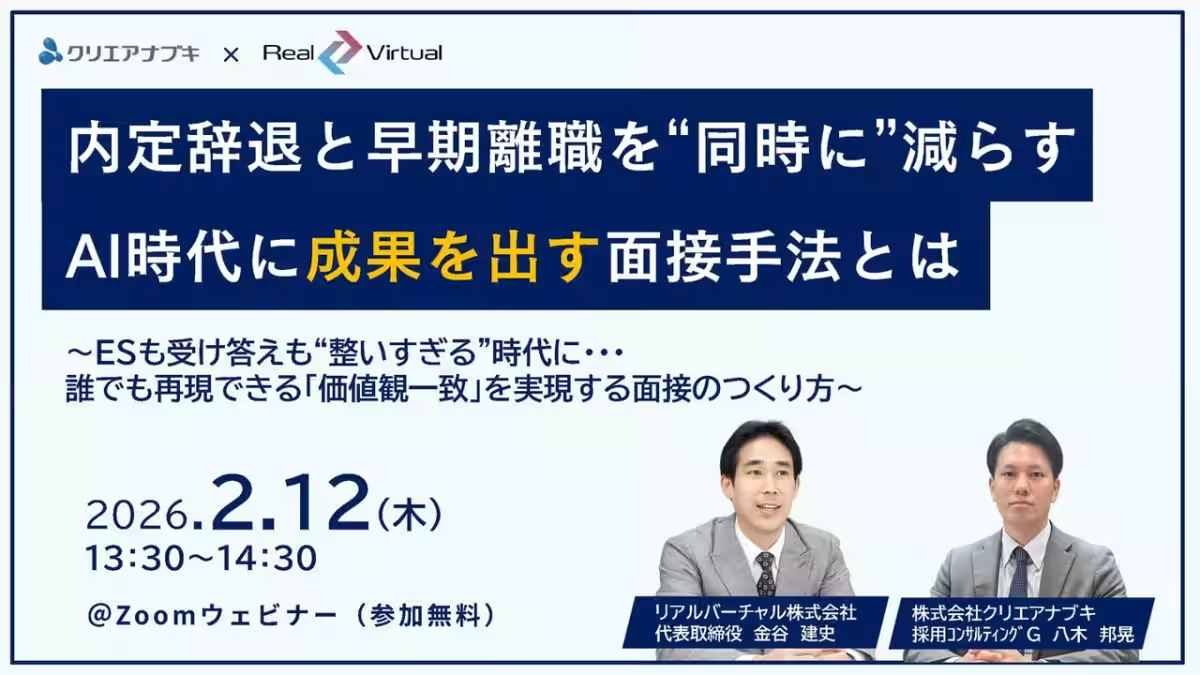
In light of these revelations, Real Virtual Inc. plans to leverage the findings from this experiment in a series of informative seminars aimed at guiding HR professionals through hiring strategies in the AI era. These sessions will unpack critical insights such as detecting candidate potential beyond traditional resumes and understanding the implications of early job offers and candidate retention.
Participants can gain firsthand knowledge by joining the upcoming Free Online Seminar focusing on recruiting strategies that adapt to the AI landscape.
Conclusion
This experiment serves as a critical reminder of the complexities involved in hiring, urging HR departments to reconsider how they integrate technology without losing the essential human element in recruitment processes. The hybrid model of combining AI's data-driven prowess with the intuitive understanding of human recruiters could ultimately lead to better hiring practices and more successful workplaces.
Topics People & Culture)
【About Using Articles】
You can freely use the title and article content by linking to the page where the article is posted.
※ Images cannot be used.
【About Links】
Links are free to use.