



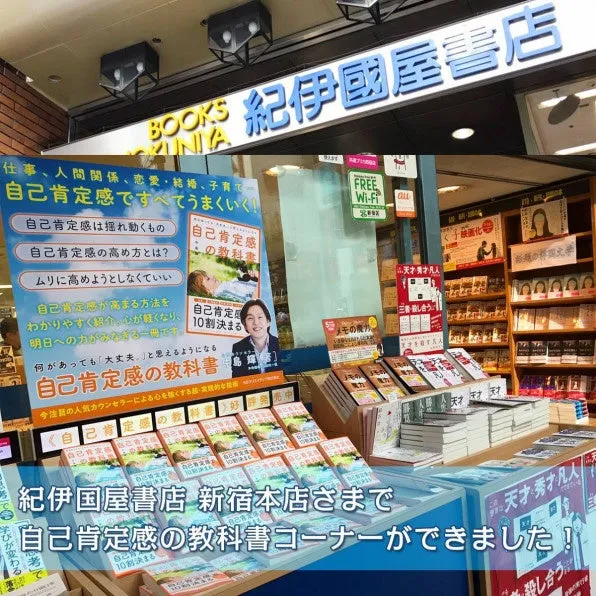
Why 'The Textbook of Self-Esteem' Continues to Resonate with Readers Everywhere
The Enduring Popularity of 'The Textbook of Self-Esteem'
Since its release in February 2019, 'The Textbook of Self-Esteem' has sold over 740,000 copies and is now in its 31st printing. This remarkable achievement reflects not only its appeal but also its relevance in today’s society. Authored by renowned psychological counselor Teru Nakashima, the book serves as a practical guide that clearly explains the invisible yet powerful concept of self-esteem and its significant impact on one’s life.
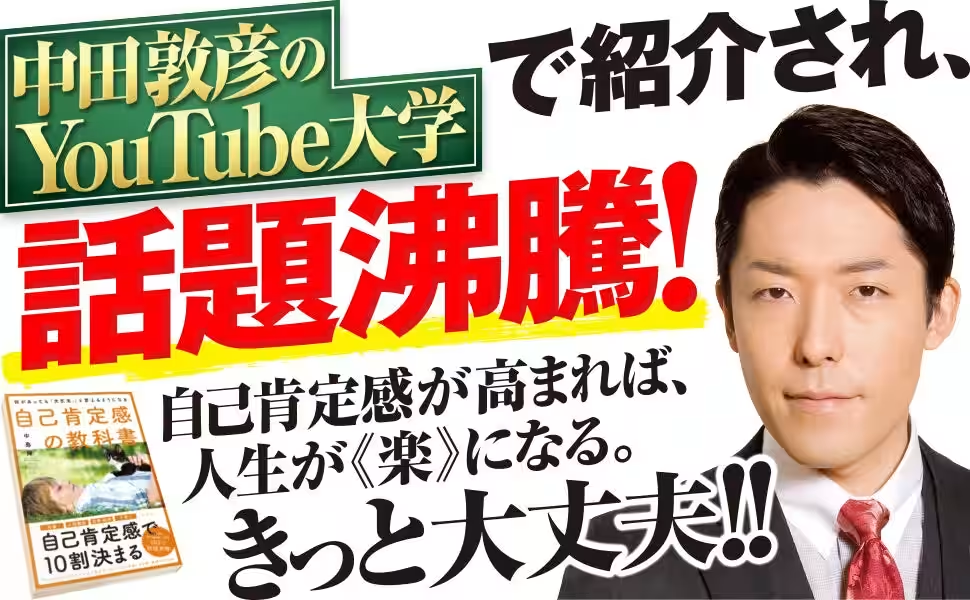
The book's influence extends beyond the shelves of bookstores, having been featured on various media platforms, including Fuji TV's 'Nonstop!' and 'Tokudane!', as well as NHK's 'Asaichi.' Furthermore, it gained immense popularity through Oriental Radio's Akihiko Nakata’s YouTube channel, attracting attention from diverse audiences. It uniquely provides a resource for individuals of all ages, helping them to understand the importance of valuing themselves.
The Significance of Self-Esteem
'Why do Japanese children have lower self-esteem?' This troubling reality has been laid bare by surveys conducted by the OECD and Japan’s Cabinet Office. However, the issue is not exclusive to children; adults often face similar struggles, grappling with a lack of confidence and self-acceptance. In 2018, the question of how to improve self-esteem even sparked discussions on online forums, resonating with many who felt a connection to the issue.
The Counterproductive Pursuit of Self-Esteem
According to Nakashima, striving too hard to boost one’s self-esteem can lead to negative outcomes. He points out that individuals who focus excessively on ‘raising’ their self-worth often end up fixating on their flaws, reinforcing feelings of inadequacy. To counter this, he proposes a shift in perspective: instead of attempting to 'raise' self-esteem, one should aim for a mindset that allows it to 'grow' naturally.
Nurturing Self-Esteem
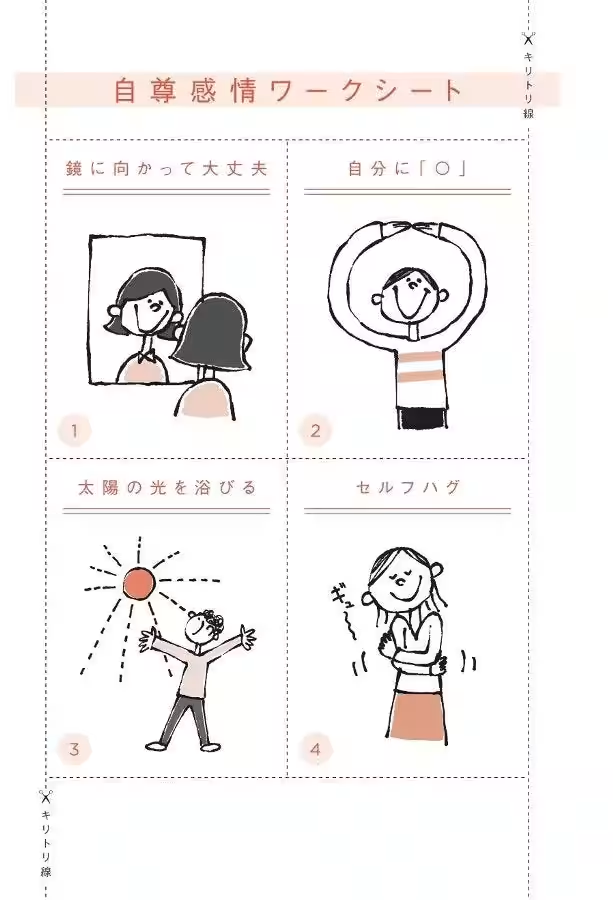
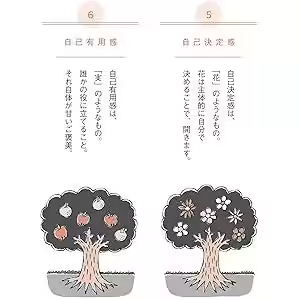
The book emphasizes that self-esteem should not be forcibly cultivated. Instead, it is something that flourishes through supportive environments, healthy habits, and positive relationships. Nakashima introduces six essential elements that constitute self-esteem and offers numerous practical exercises and tips readers can incorporate into their daily routines. As readers engage with the material, they may find subtle yet powerful shifts in their mindset and emotional well-being.
Key Components of the Book
- - Prologue: Recognizing feelings of low self-esteem, understanding the traps of automatic negative thoughts, and ways to break free from self-denial.
- - Chapter 1: The three truths about self-esteem, its fluctuating nature, and the types of methods to enhance it.
- - Chapter 2: Developing six types of self-emotions, such as self-respect and self-efficacy, vital for personal growth.
- - Chapter 3: Five daily training methods readers can employ, including visualization, reframing negative thoughts, and affirmations.
- - Chapter 4: Instant techniques to elevate self-esteem, like creating a conducive environment and engaging the senses.
A Message for Everyone
If you’re struggling with feelings of inadequacy, comparison, or negativity – this book may be the catalyst you need. Self-esteem can be nurtured by anyone, acting as a vital component of mental resilience. Each reading promises to rebuild your emotional strength gradually. 'The Textbook of Self-Esteem' is not just a book; it’s a companion on your journey to learning to appreciate yourself.
About the Author
Teru Nakashima is a leading voice in the field of self-esteem and has authored various bestsellers. He has created a unique self-esteem theory and developed over 120 coaching methods utilized by more than 30,000 students. As the head of the Self-Esteem Academy, Nakashima trains mental health counselors and promotes the importance of self-esteem in achieving a fulfilling life.
For more information on Nakashima’s work or to inquire about his programs, visit the official website of the General Incorporated Foundation of Self-Esteem.



Topics People & Culture)

【About Using Articles】
You can freely use the title and article content by linking to the page where the article is posted.
※ Images cannot be used.
【About Links】
Links are free to use.