




The Impact of Rising Prices on Mother's Day Budget: Insights from Parent Opinions
The Impact of Rising Prices on Mother's Day Budget: Insights from Parent Opinions
Every year, Mother's Day approaches, prompting many to reflect on how much they should spend on gifts for their mothers. This year, recent data from a survey conducted by Forit Co., a prominent affiliate marketing company, sheds light on the evolving attitudes towards gift budgets amidst rising prices. The survey targeted 500 women aged between 20 to 69 years who have children, and the findings reveal significant insights about budget expectations and the emotional implications behind them.
Survey Overview
The survey was conducted online on March 2, 2026, with a broad demographic spanning across various age groups. Participants were asked about their expected budget for Mother's Day gifts, choosing from several price ranges. The results painted a nuanced picture of how budget expectations differ substantially by age group and marital status.
Key Findings: Gift Budget Expectations
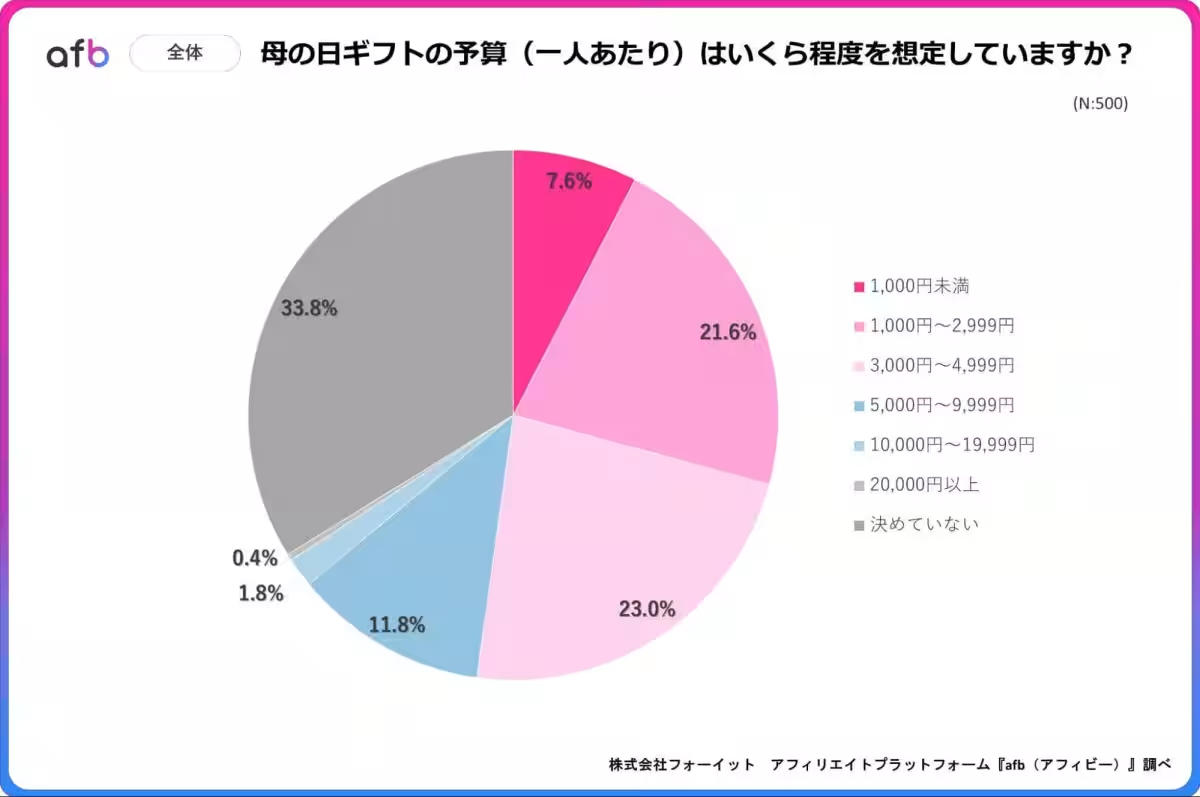
Interestingly, the predominant response from participants indicated an expected budget of 3,000 to 4,999 yen, accounting for 23% of the responses. Closely following this, 21.6% of respondents selected the range of 1,000 to 2,999 yen, while 11.8% opted for 5,000 to 9,999 yen. Notably, over a third of respondents (33.8%) stated that they hadn't determined a budget at all, suggesting a degree of uncertainty in spending capacity.
Differing Perspectives by Age
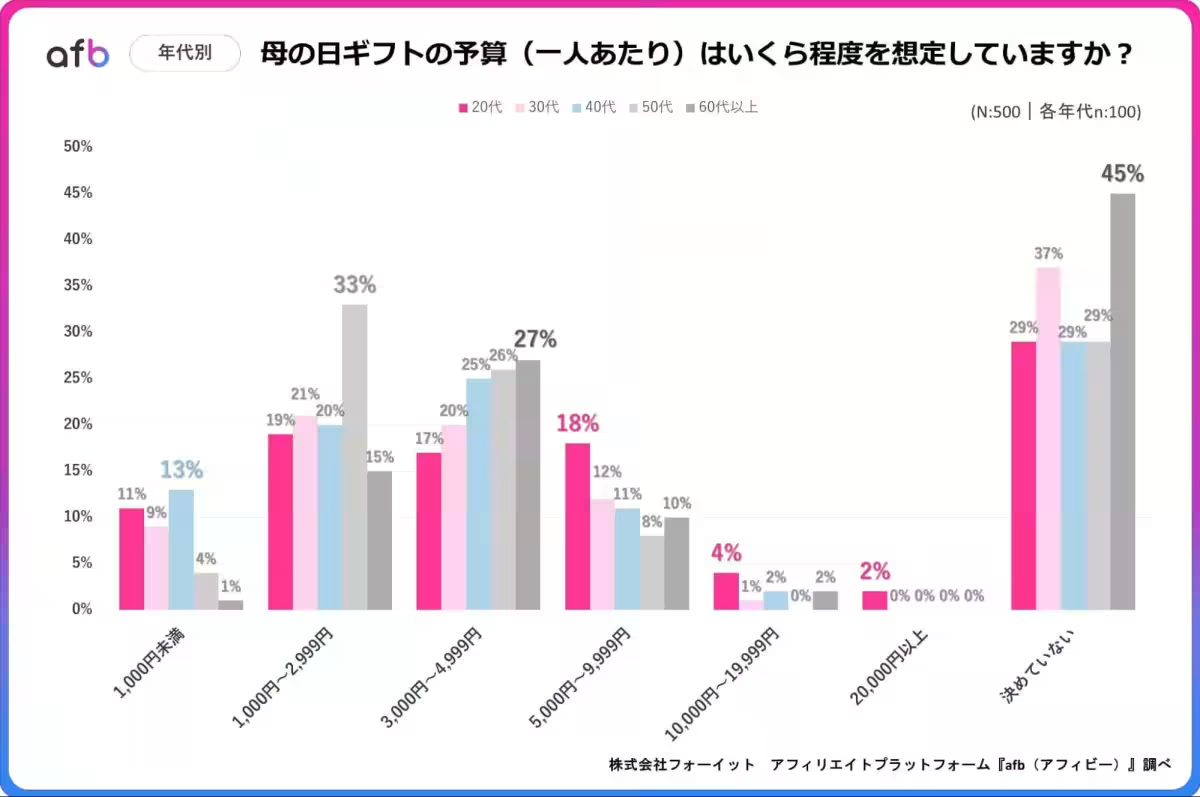
The survey results highlight how budget perspectives shift with age. Younger participants, particularly those in their 20s, exhibited a tendency to choose lower budgets, with many feeling that “it’s the thought that counts.” This age group, often comprising younger children or students, reflects a valuing of emotional significance over financial concern.
Conversely, respondents in their 30s and 40s leaned towards the 3,000 to 4,999 yen range, perceiving it as both practical and considerate. This demographic is likely to be more financially stable as their children transition from school life to entering the workforce, indicating a balance of sentiment and realism in their gift spending.
However, those in their 50s and 60s demonstrated a notable trend of uncertainty, with many opting for “no set budget.” This inclination may stem from a desire not to pressure their children financially, reflecting an understanding of their economic situations, especially as many older respondents had children who were already independent.
Marital Status Influence
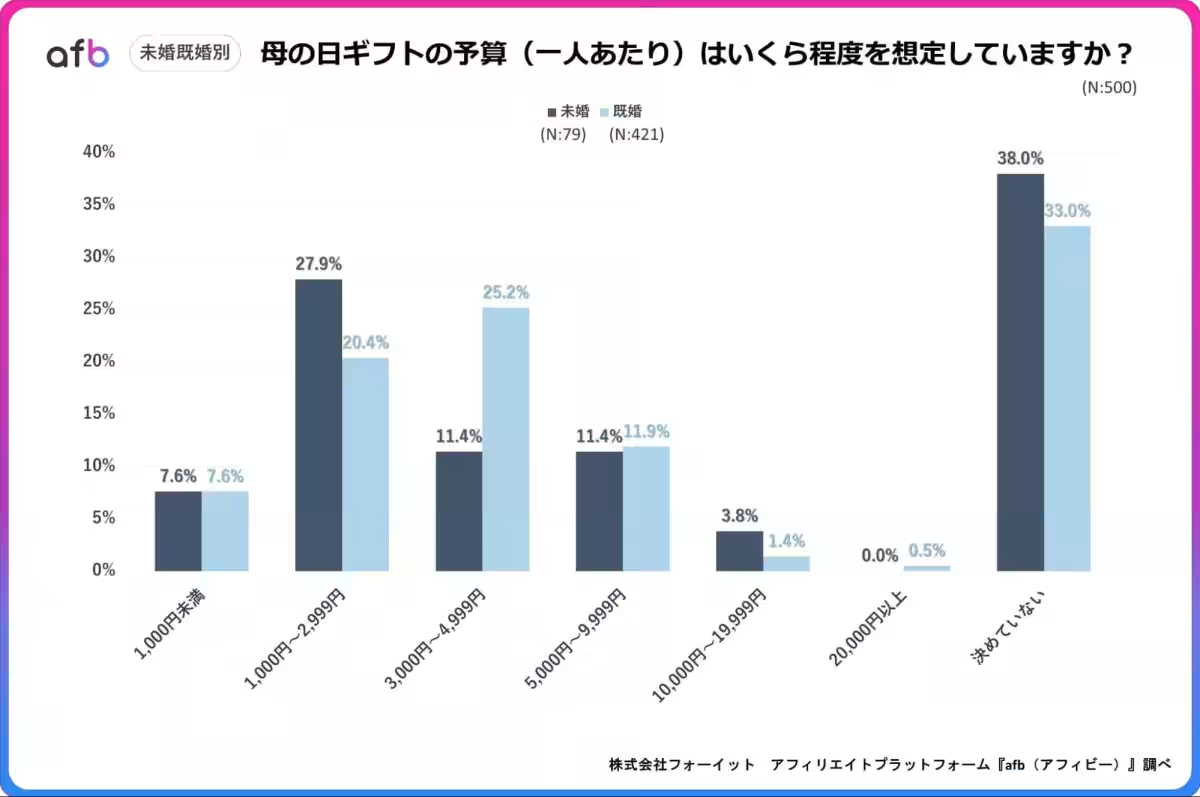
When analyzing responses based on marital status, a clearer distinction emerged. Unmarried individuals tended to report lower budgets, often opting for gifts that fall in the 1,000 to 2,999 yen range and expressing high percentages of undecided budgets. Their responses often indicate a sense of acceptance and emotional value associated with the gifts rather than financial expectations.
In contrast, married respondents exhibited a preparedness for higher spending, with a significant proportion aiming for the 3,000 to 4,999 yen bracket or beyond. The familial context of these respondents suggests a more established tradition of celebrating Mother's Day that collectively raises their spending expectations.
Profession and Budget Perception
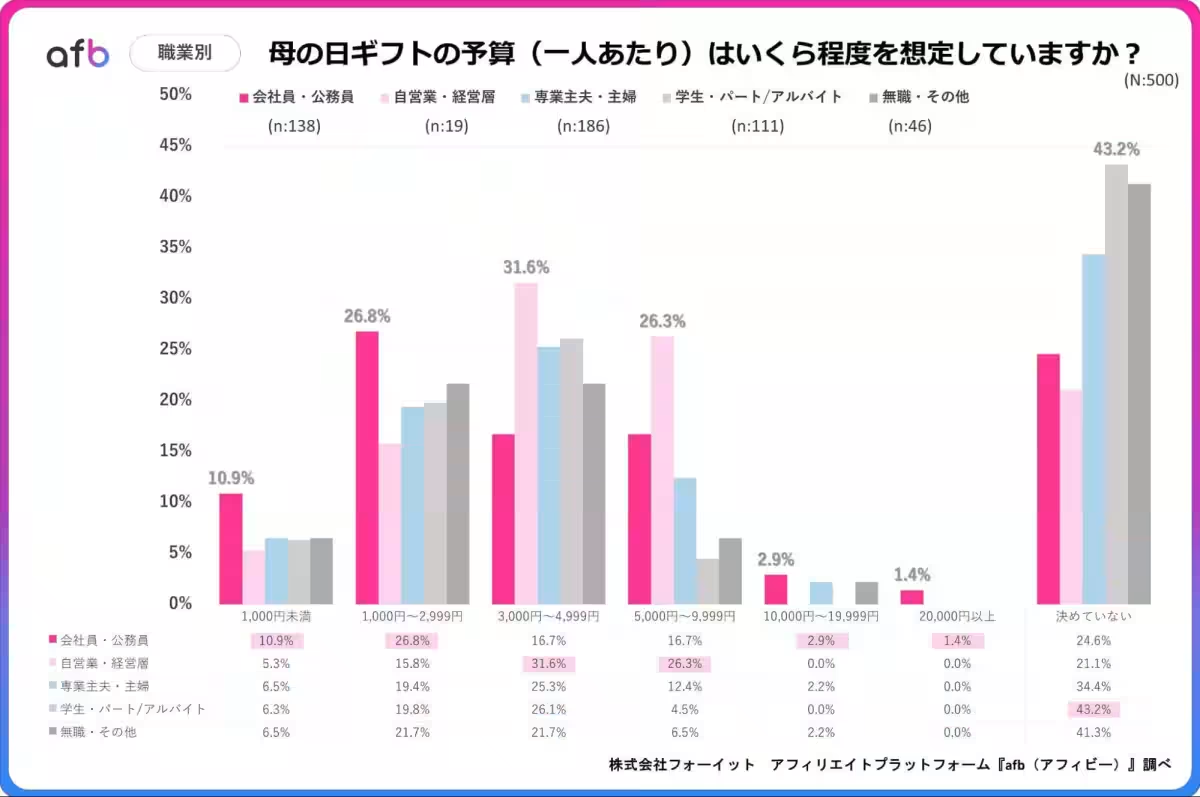
Additionally, the responses varied considerably among different professions. Employees, whether in corporate or public sectors, frequently cited the 1,000 to 2,999 yen budget, suggesting a more grounded and realistic approach to gift-giving. Their understanding of family dynamics and children’s financial situations impacted their decisions significantly.
However, self-employed individuals and business owners reported a higher willingness to spend, viewing gifts as an essential avenue to convey respect and appreciation. Meanwhile, those in roles typically not bringing a regular income, such as homemakers or part-time workers, reflected an inclination to stay flexible with their budgets, prioritizing the comfort of their children over strict financial commitments.
Conclusion: The Heart of Mother’s Day
The findings of this survey highlight a prevalent theme across all demographics—parents tend to prioritize emotional connections over monetary sums when it comes to giving gifts on Mother's Day. As economic pressures rise, it becomes evident that many parents don’t want to put their children in a spot, demonstrating a universal desire for heartfelt acknowledgment over extravagant expenditures. The survey emphasizes that the spirit of Mother's Day transcends financial constraints, reminding us that genuine sentiment remains the ultimate gift that can be bestowed upon mothers by their children.


Topics Consumer Products & Retail)
【About Using Articles】
You can freely use the title and article content by linking to the page where the article is posted.
※ Images cannot be used.
【About Links】
Links are free to use.