



Hibakusha Dialogue: Continuing Peaceful Narratives for Future Generations 80 Years After the Bombing
Hibakusha Dialogue: A Commitment to Peace
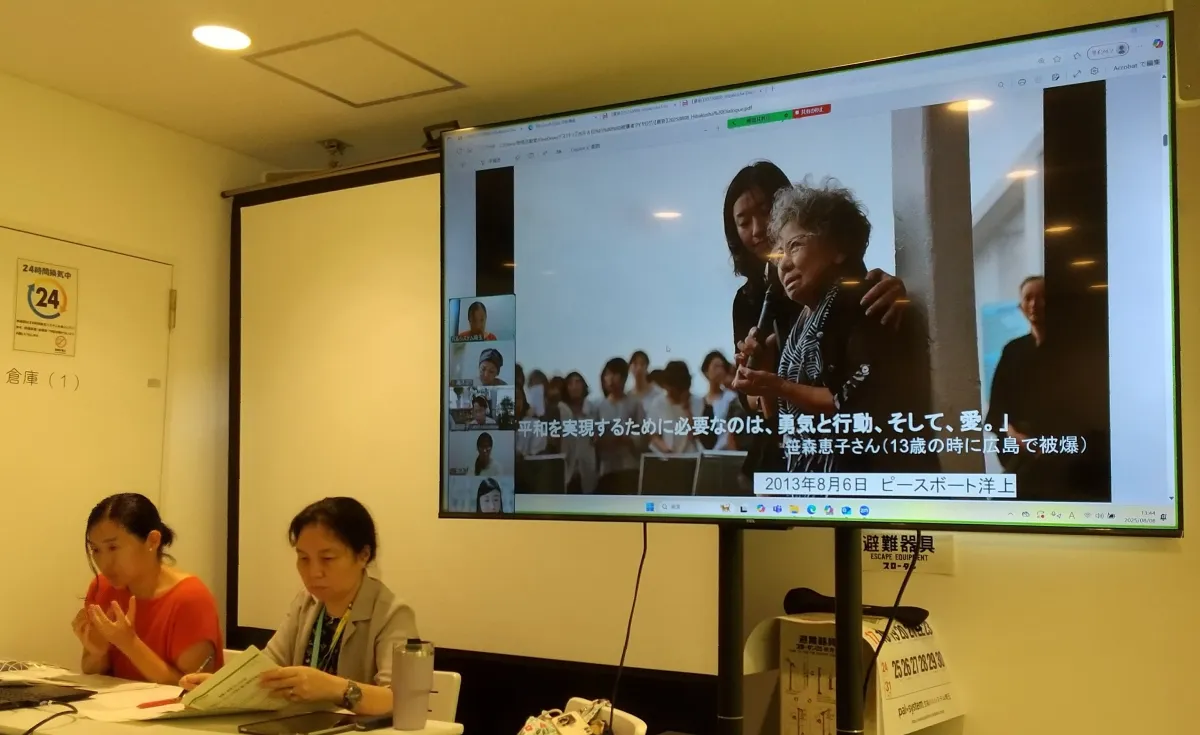
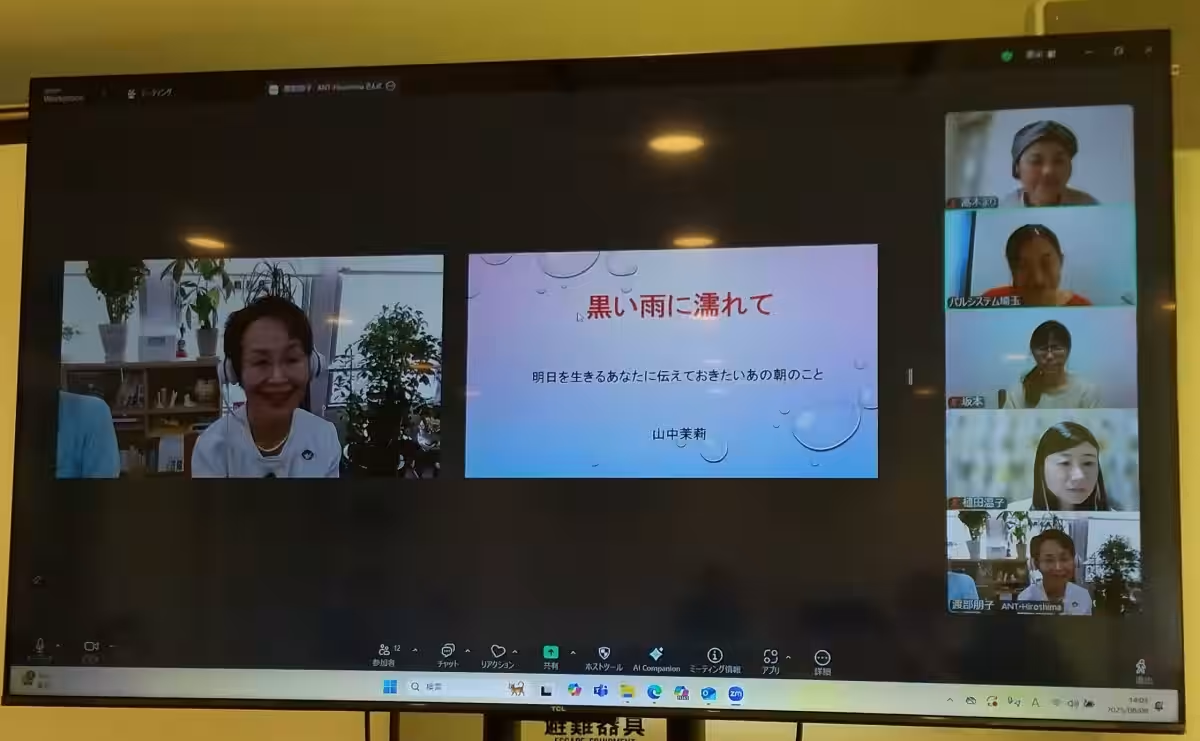
On August 8, 2023, the Saitama Consumers' Cooperative (with its headquarters in Warabi City, Saitama) hosted the "Hibakusha Dialogue" event at its facility, "Pal Terrace," located in Urawa, Saitama City. Approximately 30 participants, including those who joined online, listened to the testimony of Noriko Sakashita, who survived the Hiroshima bombing, as they reflected on the importance of passing down the narrative of peace.
Building the "Nuclear Taboo" through Survivor Testimonies
The event was facilitated by Saori Koga from the Peace Boat Disaster Relief Center (PBV), based in Shinjuku, Tokyo. Koga emphasized the necessity of preparing to receive the stories of Hiroshima survivors to understand the emotional weight they carry. She noted, "To cultivate the seeds of peace in your hearts, we need time to reflect."
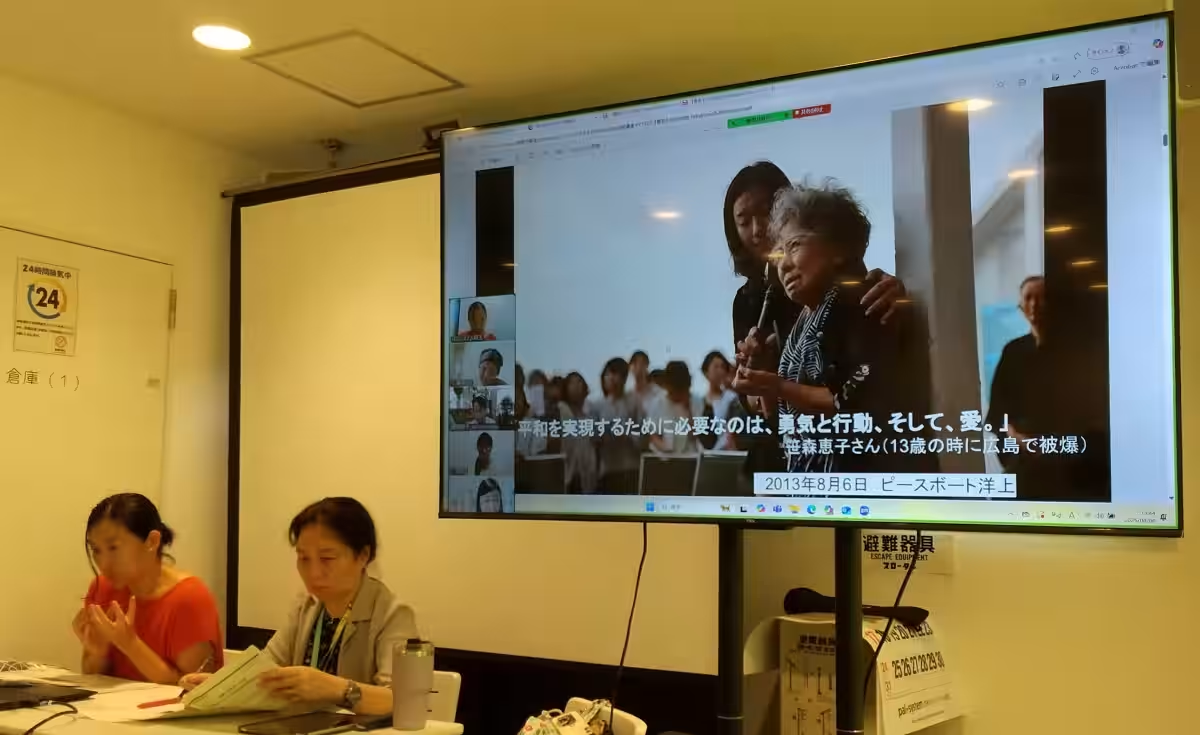
Koga shared the words of Keiko Sasamori, a survivor who had been severely burned at the age of 13 during the bombing. Now a nurse in the United States, she has dedicated her life to recounting her experiences. Responding to children who asked if peace could be achieved despite such suffering, she replied, "With courage, action, and love, it is certainly possible. Peace is not just a dream or hope; it’s a mission."
Sasamori's belief underscores the interconnectedness of human experiences; the emotions and stories shared among people become a driving force for peace.
In Singapore, Koga mentioned the importance of acknowledging the voices of various participants, including descendants of victims of wartime atrocities committed by the Japanese military. This included the testimony of Lee Chong-gun, a second-generation Korean resident in Japan, who reflected on the double discrimination he faces as both a survivor and a minority. His remarks highlighted a poignant question: Could the bombing have been avoided had Japan not invaded Asia?
During the dialogue, the complexity of perspectives was addressed, acknowledging that there is no absolute truth in narratives formed by different experiences.
A Profound Visit to Auschwitz
The group, accompanied by survivors, visited the Auschwitz Museum, guided by the only Japanese tour guide, Tsuyoshi Nakaya. Nakaya shared a powerful message emphasizing the importance of acknowledging and acting against discrimination and violence. Referring to the wisdom of survivors, he imparted that while the younger generation holds no responsibility for the past, they share the duty to prevent its repetition. The visit profoundly impacted participants, especially when encountering the phrase: "Evil is born from the inaction of observers."
Dialogue with Palestinian refugees also revealed their enduring hope for return, as many continue to hold onto symbolic items representing their lost homes after decades of exile. The discussion even ventured into a poem by a Gazan poet questioning the potential of words and resistance amidst the violence of war.
Koga passionately emphasized, "Despite the escalating nuclear arms race worldwide, the 'nuclear taboo' has prevented the use of atomic weapons since the bombings of Nagasaki. It’s a testament to the survivors' testimonies, which have established this vital international norm."
Sakashita’s Mission: A Personal Testimony
Following Koga's poignant introduction, Noriko Sakashita shared her own experiences. At two years old, she was a child at the time of the bombing. Although she cannot recall the events, she continues her mother’s legacy of sharing their collective suffering: "My mother's memories are the 'baton of life' I am now tasked to carry."
Sakashita began recounting her family’s harrowing day on August 6, vividly illustrating the moments before and after the explosion, as her family sought refuge from the chaos and destruction, battling immense emotional and physical scars from that day. As she painted a picture of survival filled with heart-wrenching experiences, she reflected on a singular moment she shared with her mother about the vivid red canna flowers blooming that day, a haunting symbol of both beauty and trauma.
Her mother’s overwhelming guilt for surviving and leaving others behind is a sentiment that shaped not only her mother’s life but continues to influence Sakashita today. With tears, she expressed how her father's returning from the war and confronting the consequences of the bombing impacted their family dynamic, illustrating the lingering shadow of trauma that survives generations.
Even at 96, her mother wrestled with memories of that fateful day, and in moments of recognition amidst dementia, caught glimmers of beauty in those vivid flowers. This complexity of memory highlights the nuances of survivor guilt and the cross-generational narrative surrounding the atomic bomb.
Ongoing Commitments to Peace
The Hibakusha Dialogue event was part of a broader initiative launched by the Japan Campaign to Abolish Nuclear Weapons, where younger generations engage in conversation with survivors to reflect on the importance of eliminating nuclear weapons. The average age of survivors has surpassed 86 years, marking a significant decrease in direct testimonials available to future generations.
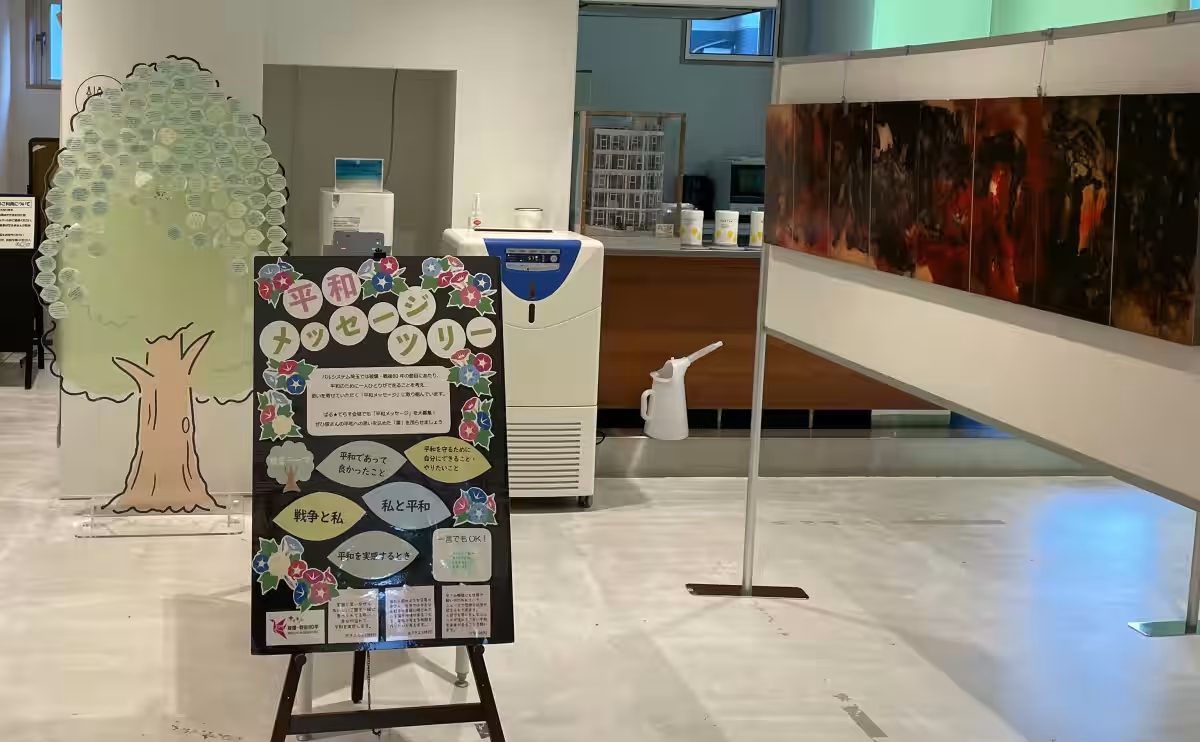
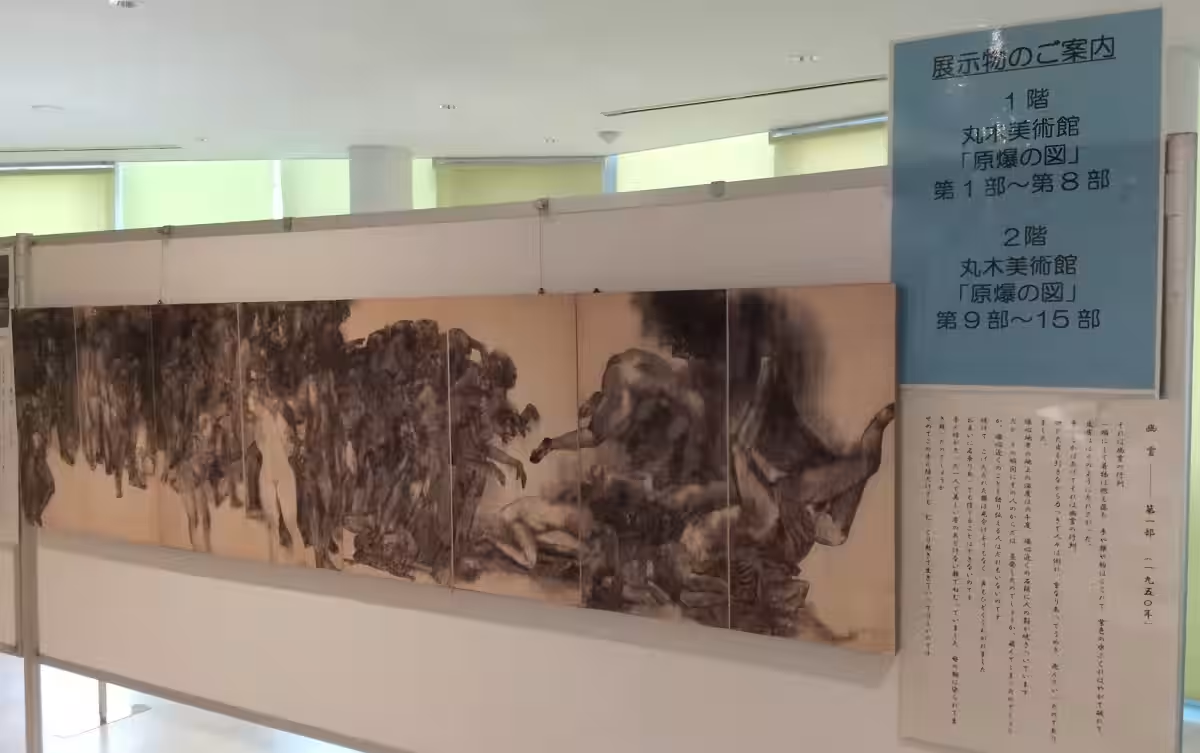
The event concluded with a message tree installation, inviting attendees to contribute their hopes for peace. A total of 107 messages were collected, each reflecting aspirations for a world devoid of violence. Accompanying the messages, panels depicting artwork and narratives related to the atomic bomb educated visitors on the historical context of nuclear warfare.
The Saitama Consumers' Cooperative emphasizes its ongoing mission to consider what actions can be taken to promote peace, reinforcing that it is essential to face the harsh realities of the past with courage. They commit to fostering understanding and advocacy for future generations to ensure such tragedies are never repeated again.
For more information on their efforts and future events, visit the Pal System Saitama website.

Topics Policy & Public Interest)
【About Using Articles】
You can freely use the title and article content by linking to the page where the article is posted.
※ Images cannot be used.
【About Links】
Links are free to use.