



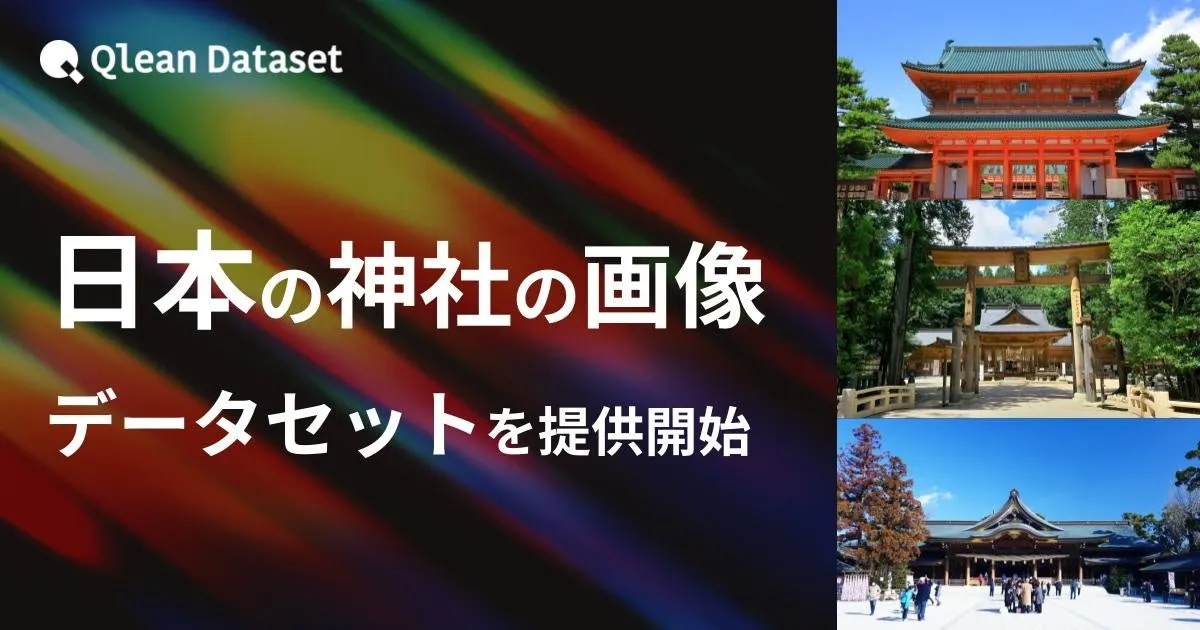
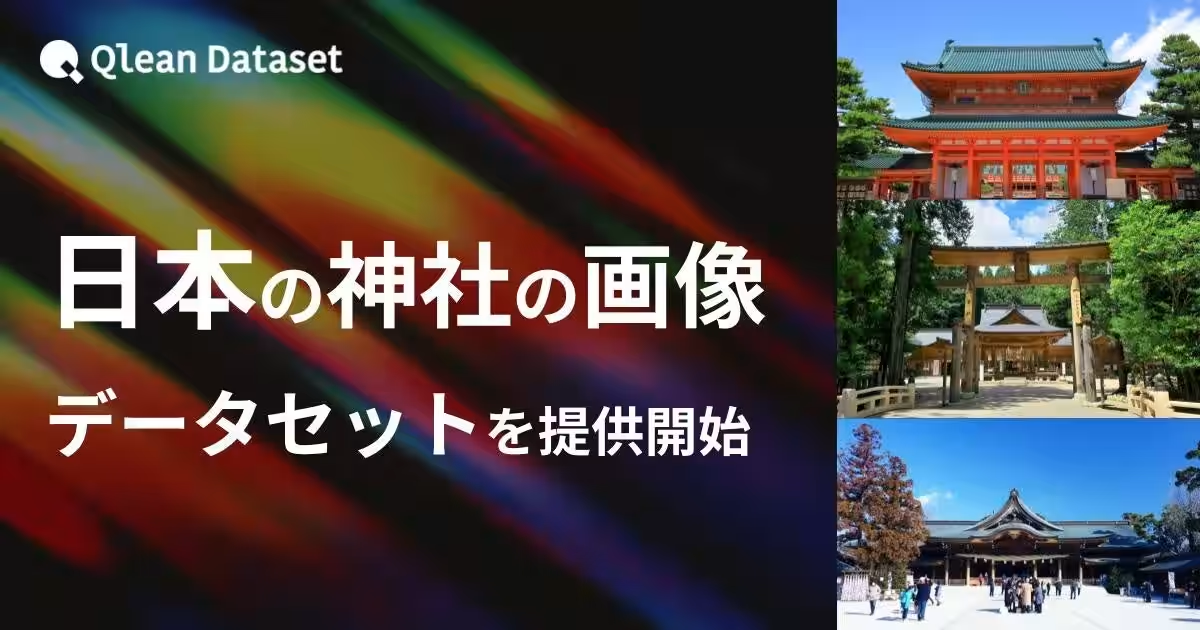
Visual Bank Launches Japanese Shrine Image Dataset for AI Research and Development
Visual Bank Launches Japanese Shrine Image Dataset
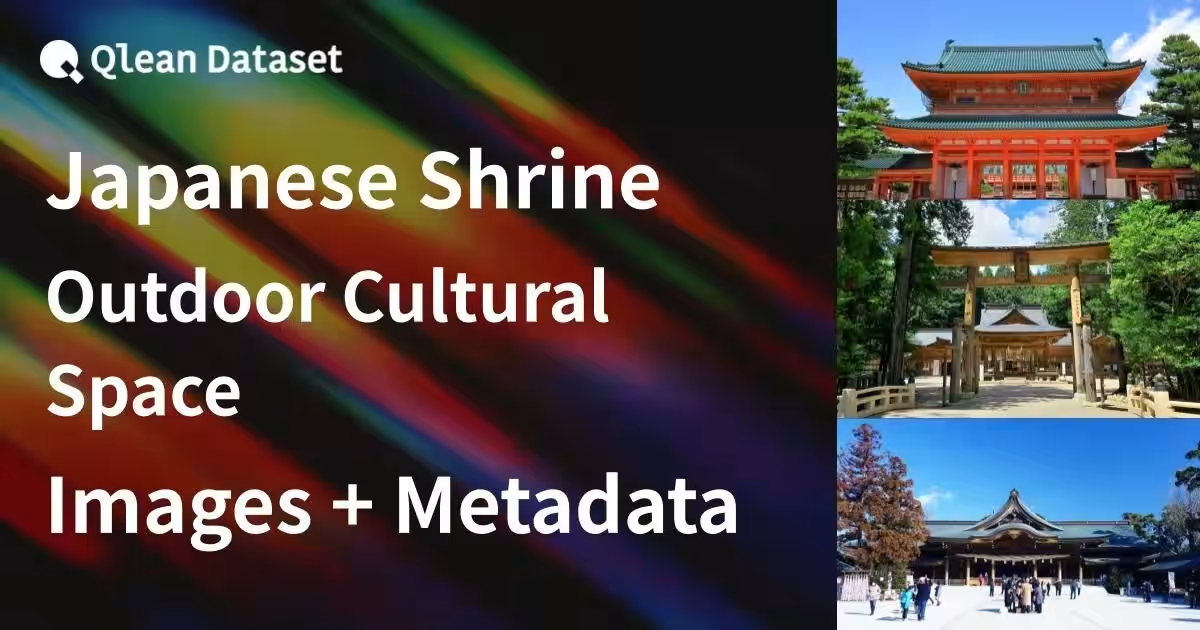
Visual Bank Inc., a Tokyo-based company led by CEO Saneyuki Nagai, has recently unveiled an innovative dataset as part of its AI training data solution, Qlean Dataset. This release features a comprehensive collection of images showcasing Japanese shrines, aimed at enhancing research and development in domains such as image recognition, classification, and multimodal AI.
About the Dataset
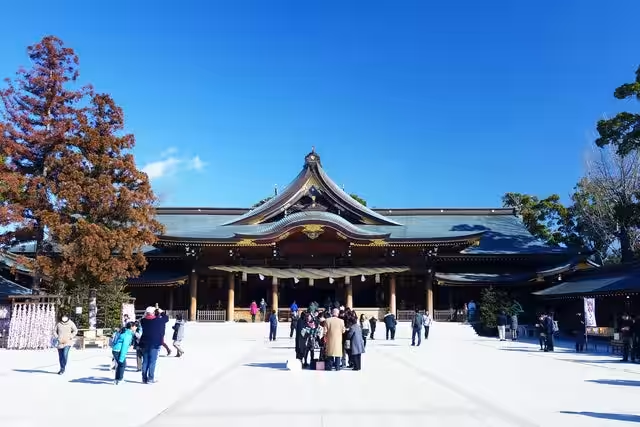
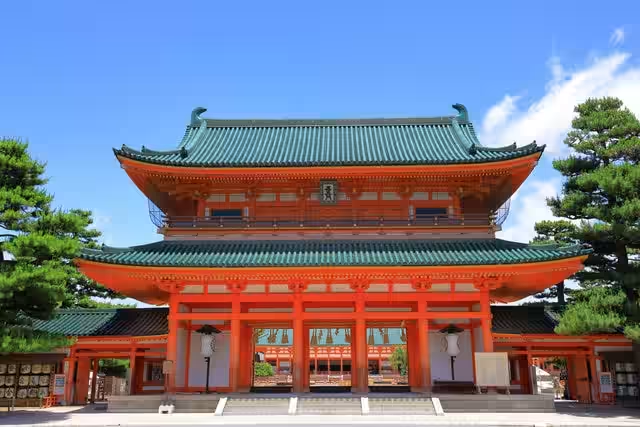
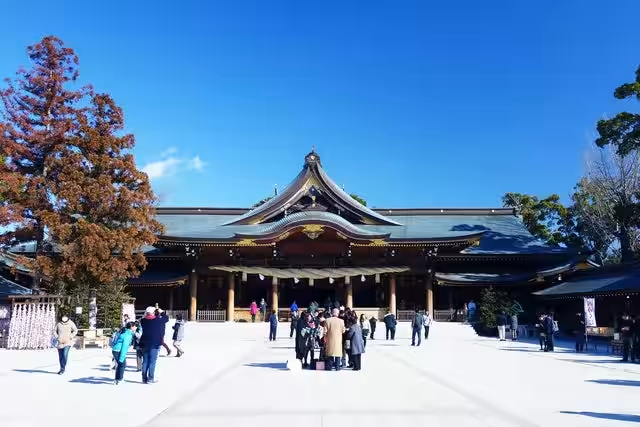
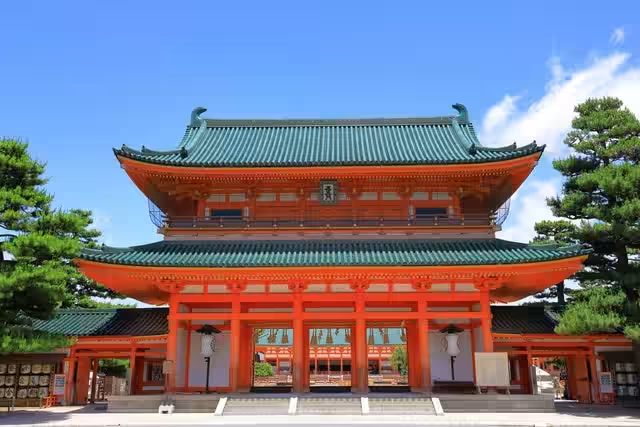
The Japanese Shrine Image Dataset comprises a rich variety of photographs taken at Shinto shrines across different regions of Japan. It captures not only the iconic structures like shrine buildings and torii gates, but also the surrounding landscapes, including natural elements typical of various environments—ranging from bustling urban locales to serene forested areas, ensuring a vivid representation of Japan's diverse cultural heritage.
One of the standout features of this dataset is its coverage across different seasons and weather conditions, illustrating how the architecture integrates seamlessly with the natural environment. The intricate spatial relationships captured in the images highlight the essence of Japanese shrines, where man-made structures exist in harmony with the scenery around them.
In addition, each image is accompanied by detailed metadata, which includes information about the location and specific features captured. This metadata not only enhances the dataset's utility as a visual reference but also aids researchers and developers in analyzing spatial configurations and environmental contexts unique to these cultural sites. This focus allows AI models to be trained on Japanese landscapes that are often overlooked in generic outdoor image databases.
Applications
The Japanese Shrine Image Dataset can be invaluable for various applications:
Research Applications
- - Image Recognition Studies: This dataset can facilitate the development and testing of recognition and classification models for outdoor cultural spaces, using images that include critical architectural elements of shrines.
- - Generative AI and Multimodal Foundation Models: It provides real-world images essential for evaluating visual representation learning processes, assisting in understanding how AI interprets cultural and spatial elements.
Industrial Applications
- - Tourism and Local Information AI Development: The dataset serves as a prime training resource for AI systems designed for tourism and local information services, enabling automatic recognition and classification of outdoor cultural facilities, including shrines.
- - Image Data for Generative Models: The visual data can also be leveraged for training image generation models and accompanying text-based AI systems, amplifying the knowledge of outdoor environments and cultural landscapes in machine learning.
Educational Utility
- - Cultural Education and Understanding: In educational settings, the dataset can be utilized to foster deeper understanding of Japanese culture and landscapes, serving as a rich resource for teaching materials and research projects focusing on regional cultural studies.
About Qlean Dataset
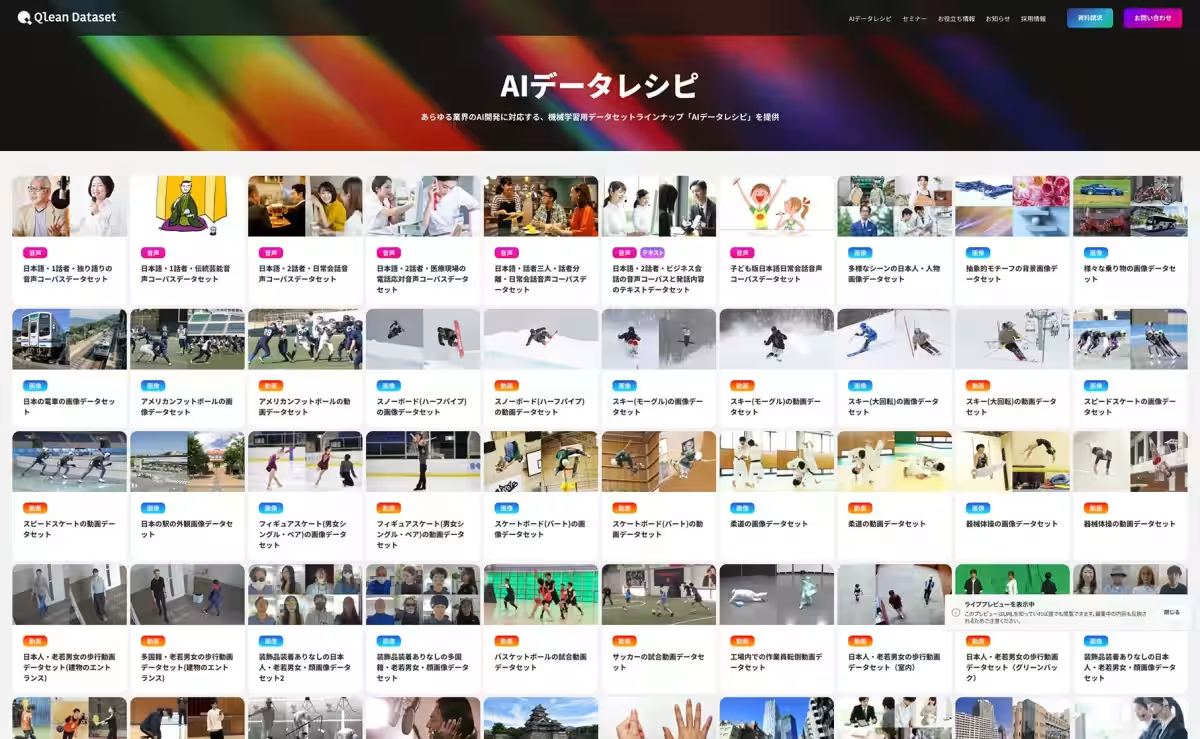
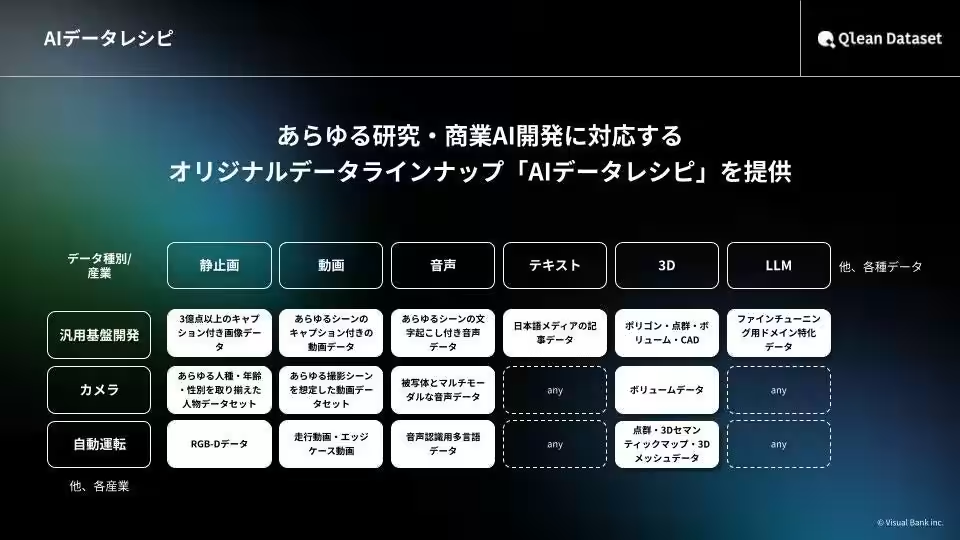
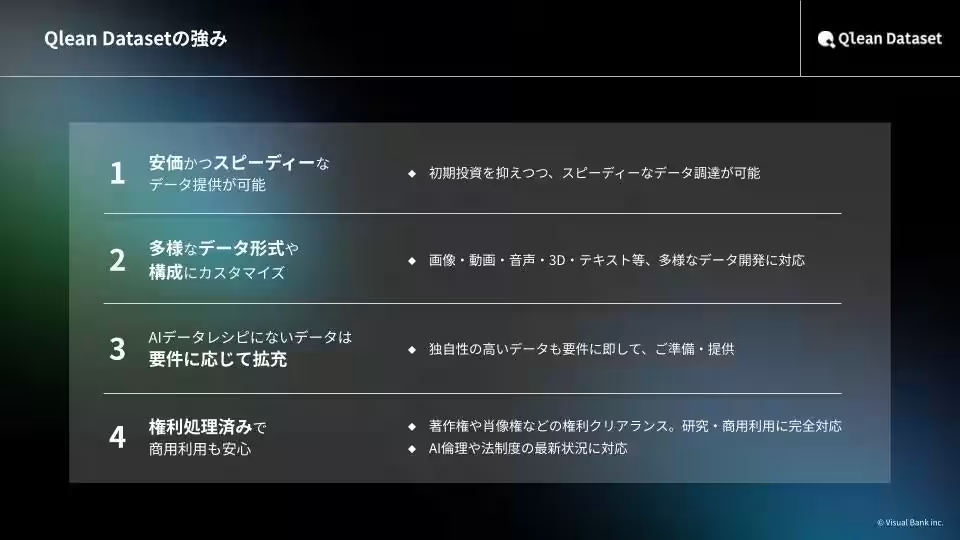
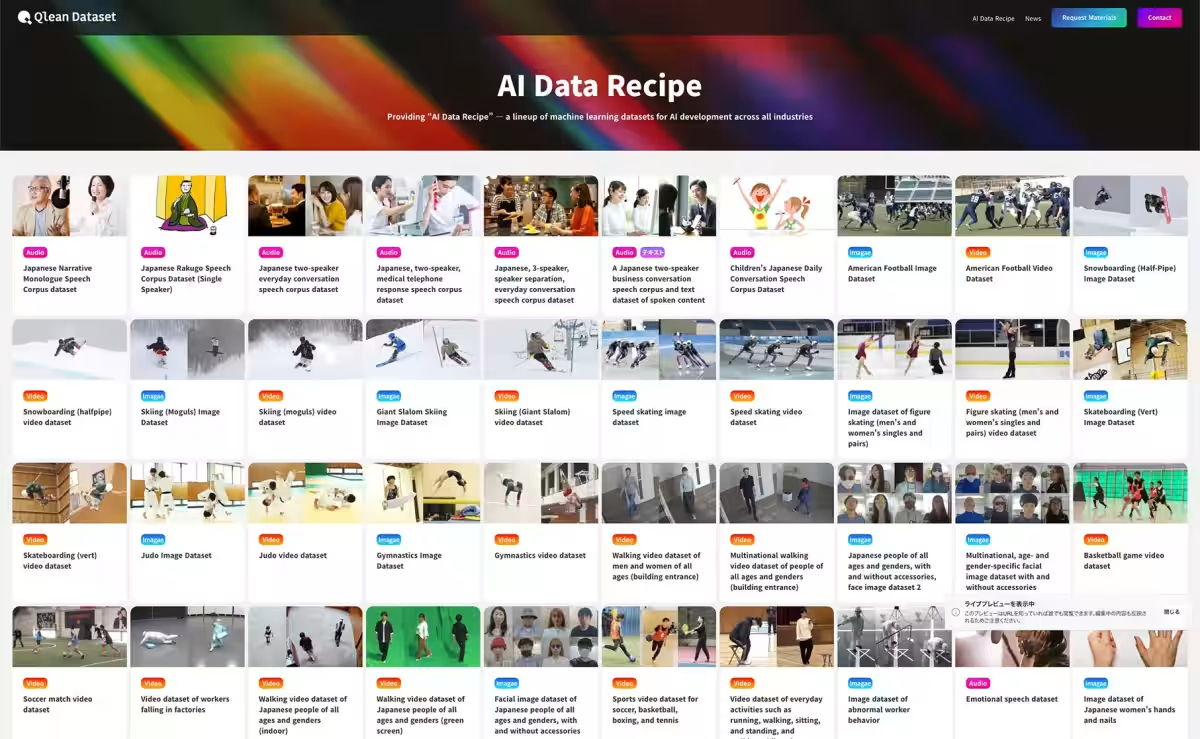
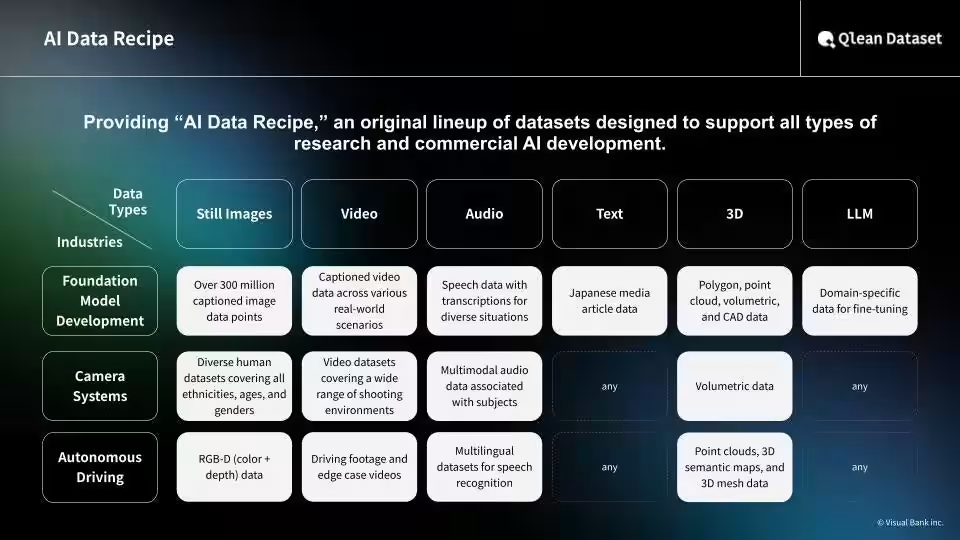
Qlean Dataset is presented as part of Visual Bank's original data line-up, known as



Topics Other)
【About Using Articles】
You can freely use the title and article content by linking to the page where the article is posted.
※ Images cannot be used.
【About Links】
Links are free to use.