



Skills Young Accountants Should Acquire: Insights from a Survey of 441 Professionals
Introduction
In the fast-evolving accounting landscape, the skills needed by young professionals are rapidly changing. A recent report from Invoice Co., Ltd., led by CEO Saito Nitami, sheds light on the essential skills that young accountants should acquire. This report is based on feedback from 441 accounting professionals, aiming to understand the training needs and challenges faced by young employees in the finance sector.
Key Findings
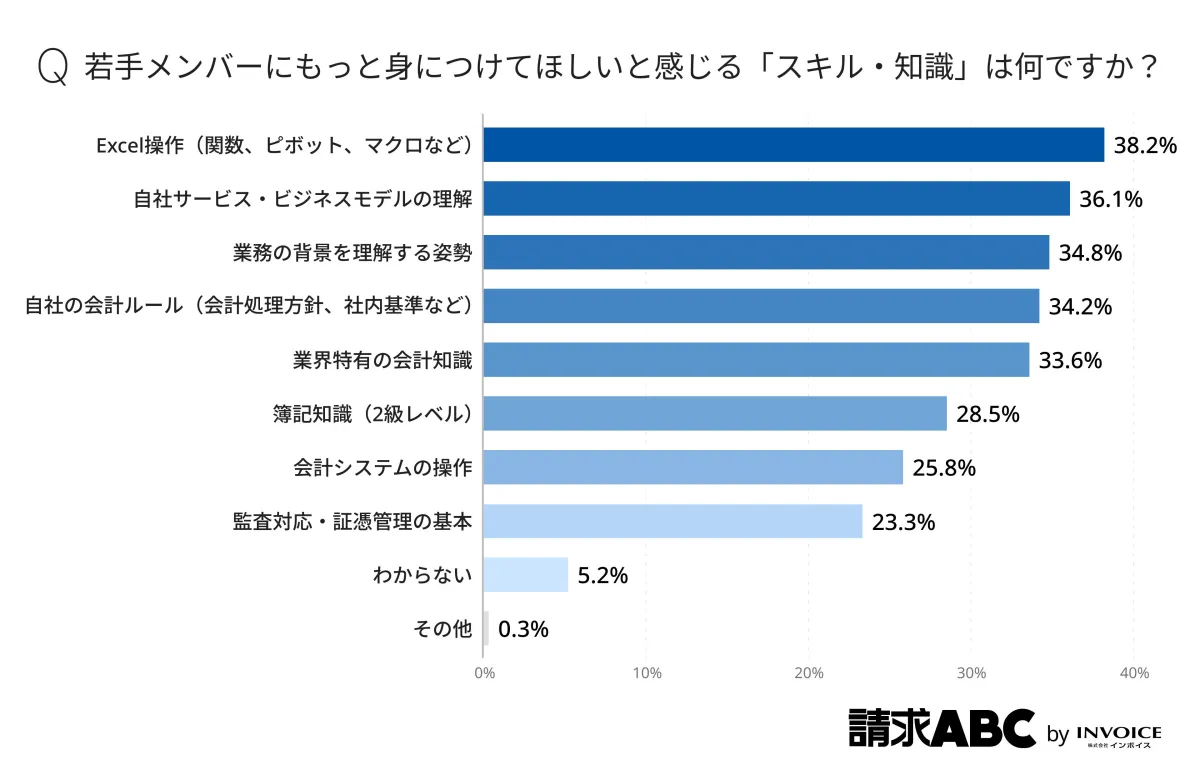
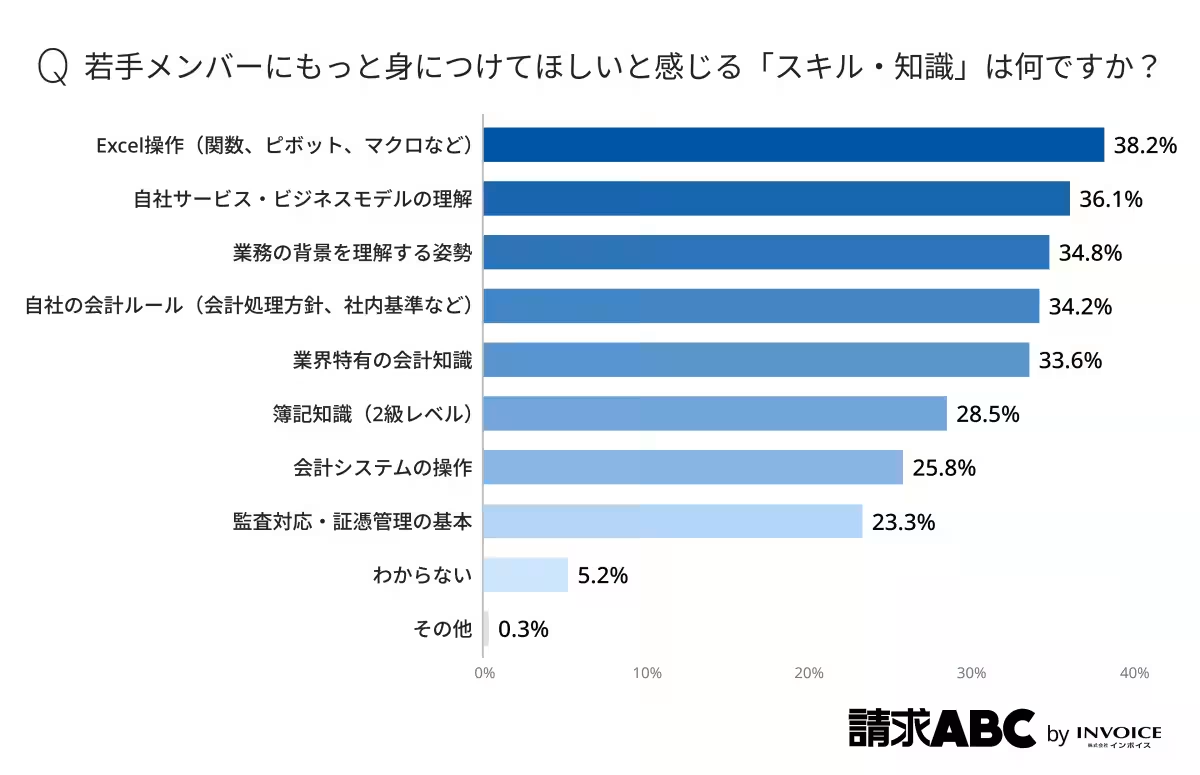
The survey found that the most crucial skill for young accountants is proficiency in Excel, with 38.2% of respondents highlighting the importance of Excel operations including functions, pivot tables, and macros. This reveals a shift towards leveraging technology to enhance efficiency in day-to-day accounting tasks. Other significant skills include:
- - Understanding the company's services and business model (36.1%)
- - A mindset to grasp the background of operations (34.8%)
- - Familiarity with internal accounting rules and industry-specific accounting knowledge
- - Accounting knowledge at the level of the Bookkeeping Certificate Class 2 (28.5%)
Insights on Bookkeeping Knowledge Requirements
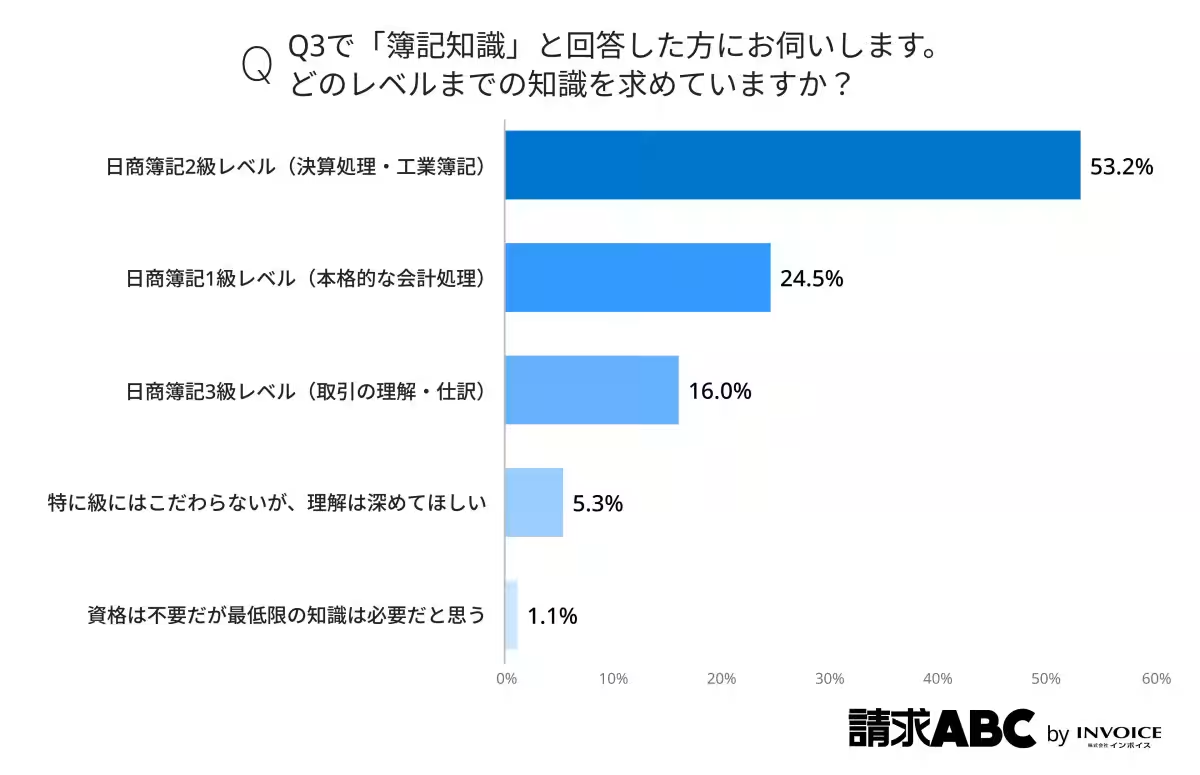
When asked about the level of bookkeeping knowledge required, 53.2% of participants indicated a need for understanding up to Class 2 level bookkeeping, signifying a demand for expertise in decision-making and financial reporting. Interestingly, only 16% considered the basics covered in Class 3 sufficient. This indicates a clear necessity for deeper understanding rather than just surface-level knowledge.
Challenges in Training Young Accountants
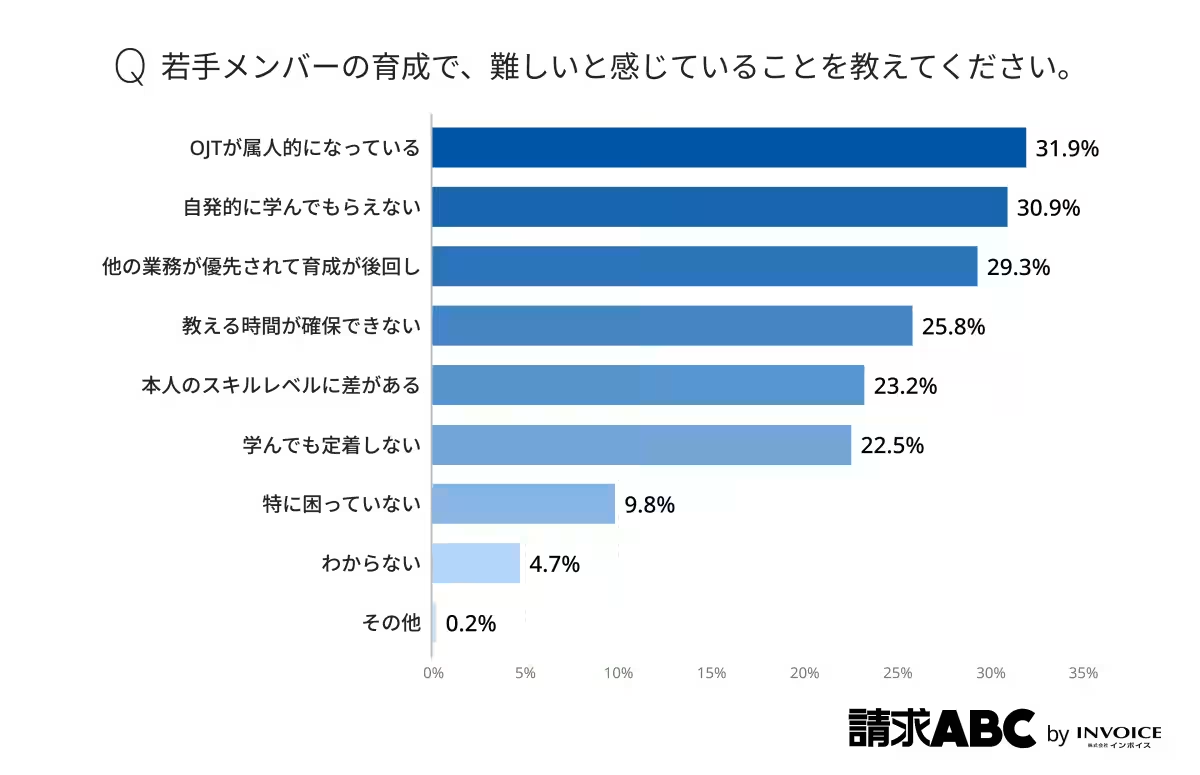
Despite these clear requirements, the survey identified significant challenges in training new employees. A staggering 31.9% of respondents noted that on-the-job training (OJT) has become too personalized, making it difficult to standardize the instructional quality. Other acknowledged barriers include:
- - Lack of self-motivation among trainees (30.9%)
- - Competing priorities where training is frequently postponed (29.3%)
Addressing Training Challenges
To overcome these hurdles, management must consider implementing structured training systems and revising resource allocation for employee training. By clarifying the necessary skills and utilizing external support effectively, companies can foster a more sustainable environment for talent development.
Conclusion
The findings from this survey underscore the common challenges across industries regarding the enhancement of fundamental skills and the deepening of operational understanding among young accountants. It is imperative for management to utilize the insights gained from this research to establish effective training policies that align with the evolving needs of accounting professionals. Companies are encouraged to view this report as a roadmap for improving their training methodologies moving forward.
For a more detailed understanding of the insights gathered and how they can inform effective training strategies for young accountants, please refer to the full report available at Invoice Co., Ltd..

Topics Other)
【About Using Articles】
You can freely use the title and article content by linking to the page where the article is posted.
※ Images cannot be used.
【About Links】
Links are free to use.