


Integrating Anime, Manga, and Gaming into the Lives of Children Struggling with School Attendance
Integrating Anime, Manga, and Gaming into the Lives of Children Struggling with School Attendance
The Growing Concern of School Refusal in Japan
In recent years, the phenomenon of school refusal has reached alarming numbers in Japan, with the 2024 reported figures soaring to 353,970 students across elementary and middle schools, according to a survey by the Ministry of Education, Culture, Sports, Science and Technology. Despite the challenges this presents, the advice and insights from professionals are not being effectively communicated to families dealing with this issue.
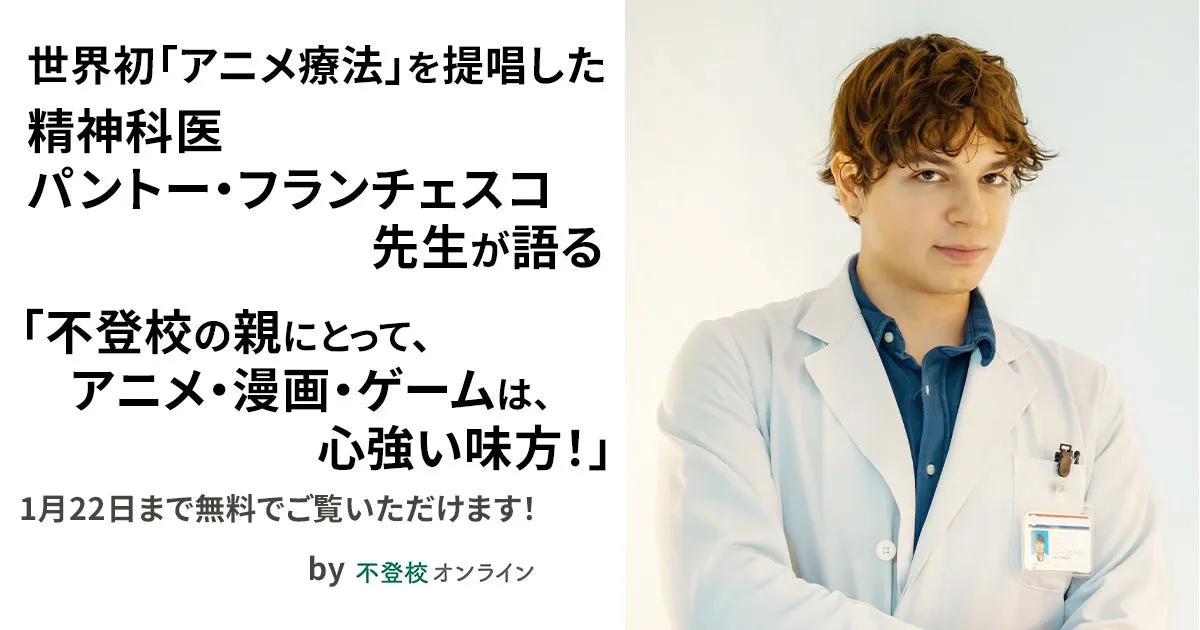
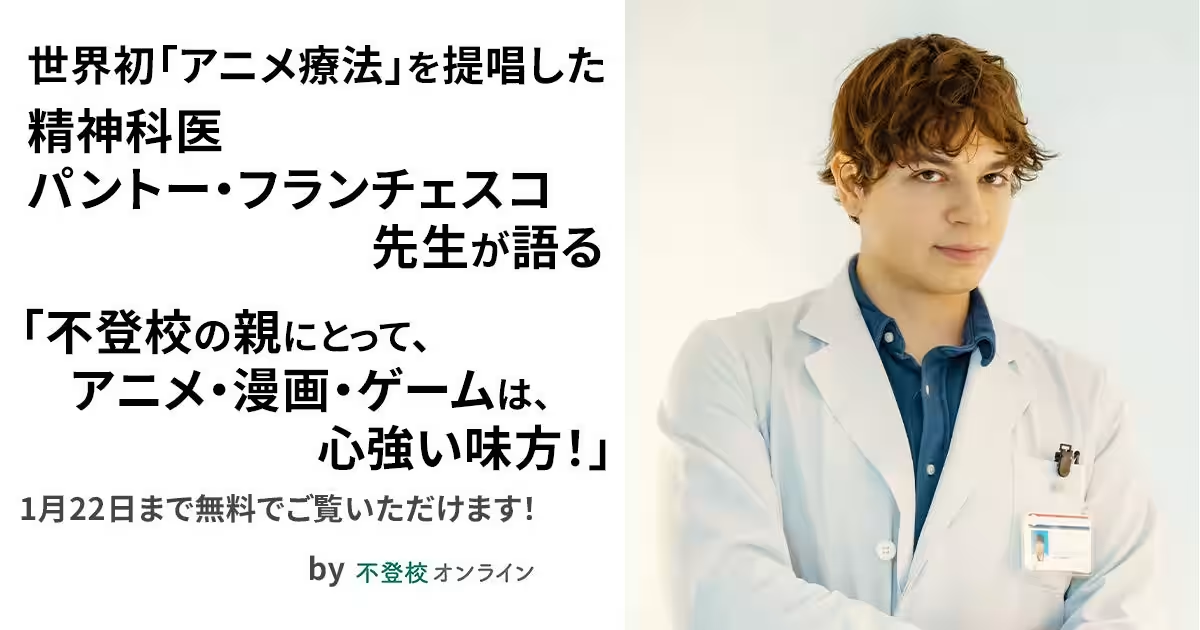
In efforts to bridge the gap between expert opinions and parental guidance, "Futoko Online," a digital media platform operated by Kizuki Co., has conducted an interview with Dr. Panto Francesco, a psychiatrist and proponent of a groundbreaking approach known as "Anime Therapy."
Dr. Panto Francesco: A Pioneer in Anime Therapy
Dr. Francesco holds medical licenses in both Italy and Japan. He specializes in harnessing otaku culture—an element of Japanese pop culture heavily characterized by anime and manga—as tools for mental wellness. As a child in Italy, he was enamored with shows like "Sailor Moon," which played a significant role in shaping his career and personal interests. His educational background includes medical training at the Catholic University of Rome and further studies in Japan, where he obtained his doctorate.
His unique insights into how anime, manga, and gaming can serve as therapeutic agents for children struggling with school attendance is now shared through his recent interview, which will be available for free until January 22, 2026, allowing more people to access his invaluable perspectives.
How Can Anime Support Children?
In the interview, Dr. Francesco highlights several points on how anime and gaming can play a significant role in the lives of children who are not attending school. These mediums present a low-risk avenue filled with potential benefits. He explains how animated narratives and character connections offer emotional support and understanding that may be lacking in a traditional educational environment.
Dr. Francesco also explores the duality of media: whether it acts as a remedy or a hazard. Citing historical figures like Paracelsus, he warns that moderation is key, pointing out even experts can sometimes lose control over their consumption habits, referencing his own experiences with gaming's allure.
Recommended Genres and How to Use Anime as a Bridge
Throughout the interview, Dr. Francesco outlines specific genres and titles that may be beneficial for children dealing with school refusal. For instance, he emphasizes the importance of relatability in character development and narrative, which allows children to see themselves reflected in the stories they watch.
He encourages parents to maintain a sense of curiosity about anime and to recognize its potential as a supportive tool rather than dismiss it entirely. He advocates for fostering a positive view on entertainment media and acknowledges the unique cultural landscape of Japan that makes such engagement accessible and effective.
Bridging the Gap Between Reality and Fiction
Dr. Francesco urges parents to think of anime as a bridge to reality rather than an escape from it. By engaging with their children’s interests in anime and gaming, parents can create meaningful conversations and relationships, making it easier for youths to connect with the world around them.
Reflecting on his childhood experiences with "Sailor Moon," Dr. Francesco shares poignant stories about overcoming personal insecurities with the help of these characters and community, which he believes can resonate with children facing their own challenges today.
The Italian Perspective on School Refusal
Additionally, Dr. Francesco shares insights into why school refusal may be less common in Italy, attributing it to cultural factors that encourage openness and community support systems. This comparison reveals the varying landscapes of mental health and education across different societies.
Conclusion: Embracing Anime in Mental Health Conversations
Ultimately, Dr. Francesco's interview is designed to empower parents and children alike. By promoting a deeper understanding of how anime and related media can be woven into the tapestry of mental health, he provides a glimpse into a future where creative expression and emotional support can coexist, aiding those navigating the complexities of school refusal.
For those interested, complete access to the interview and additional resources on school refusal is available on the Futoko Online website, a platform dedicated to supporting families impacted by these issues.
Topics People & Culture)




【About Using Articles】
You can freely use the title and article content by linking to the page where the article is posted.
※ Images cannot be used.
【About Links】
Links are free to use.