



Understanding Neighbor Relationships After Purchasing a Second-Hand Condominium
Investigating Neighbor Relationships Post-Condominium Purchase
Overview of the Survey
A recent collaborative study conducted by MEMOCO, headquartered in Shibuya, Tokyo, and Sumnara aimed to unveil insights into the relationships new buyers of second-hand condominiums establish with their neighbors. The survey encompassed 122 individuals, both males and females, who had previously purchased condominiums, highlighting their experiences post-purchase.
Survey Details
- - Survey Content: Relationship with neighbors after purchasing a second-hand condominium.
- - Duration: January 29, 2025 - October 17, 2025
- - Method: Online survey through a crowdsourcing service
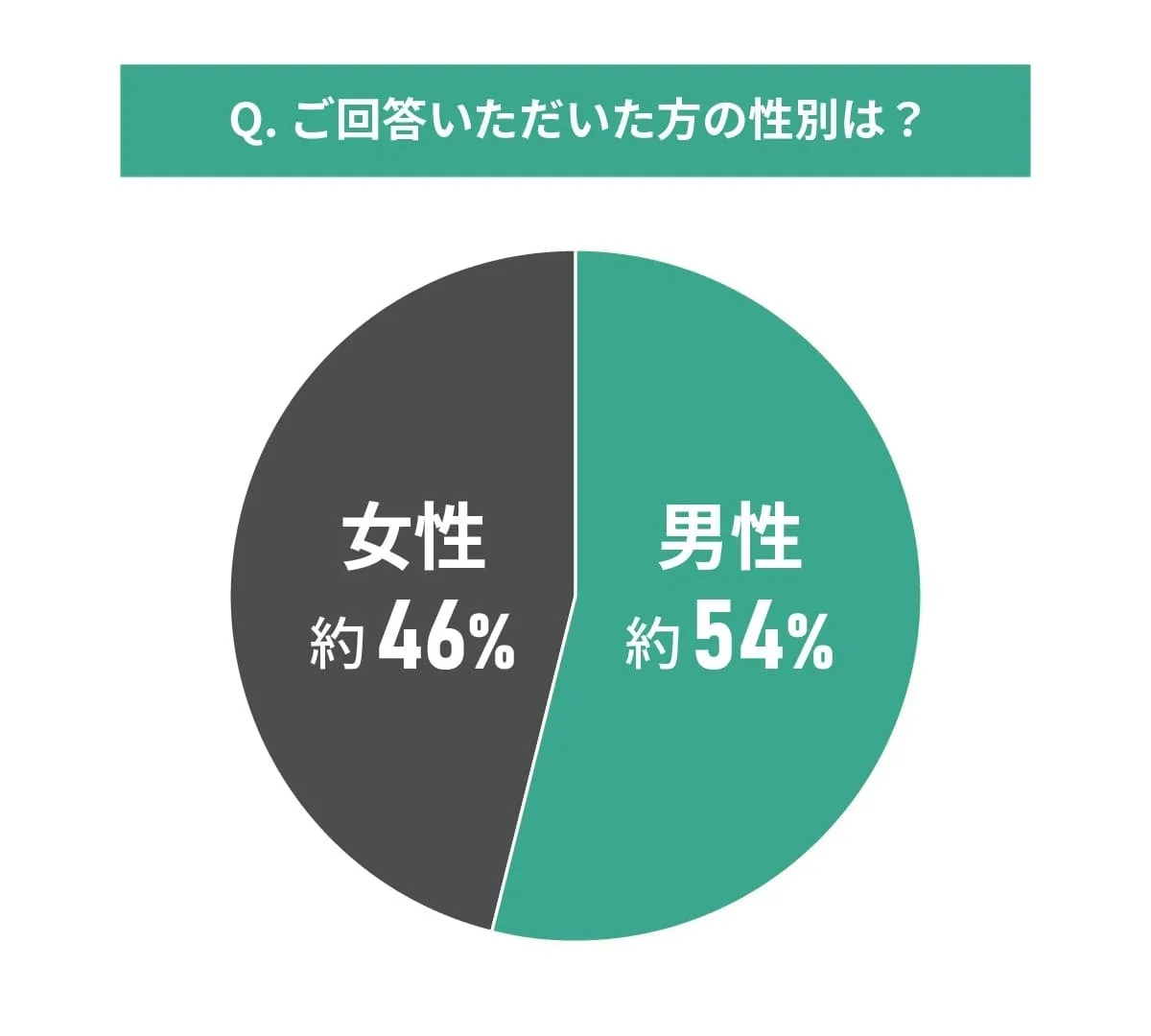
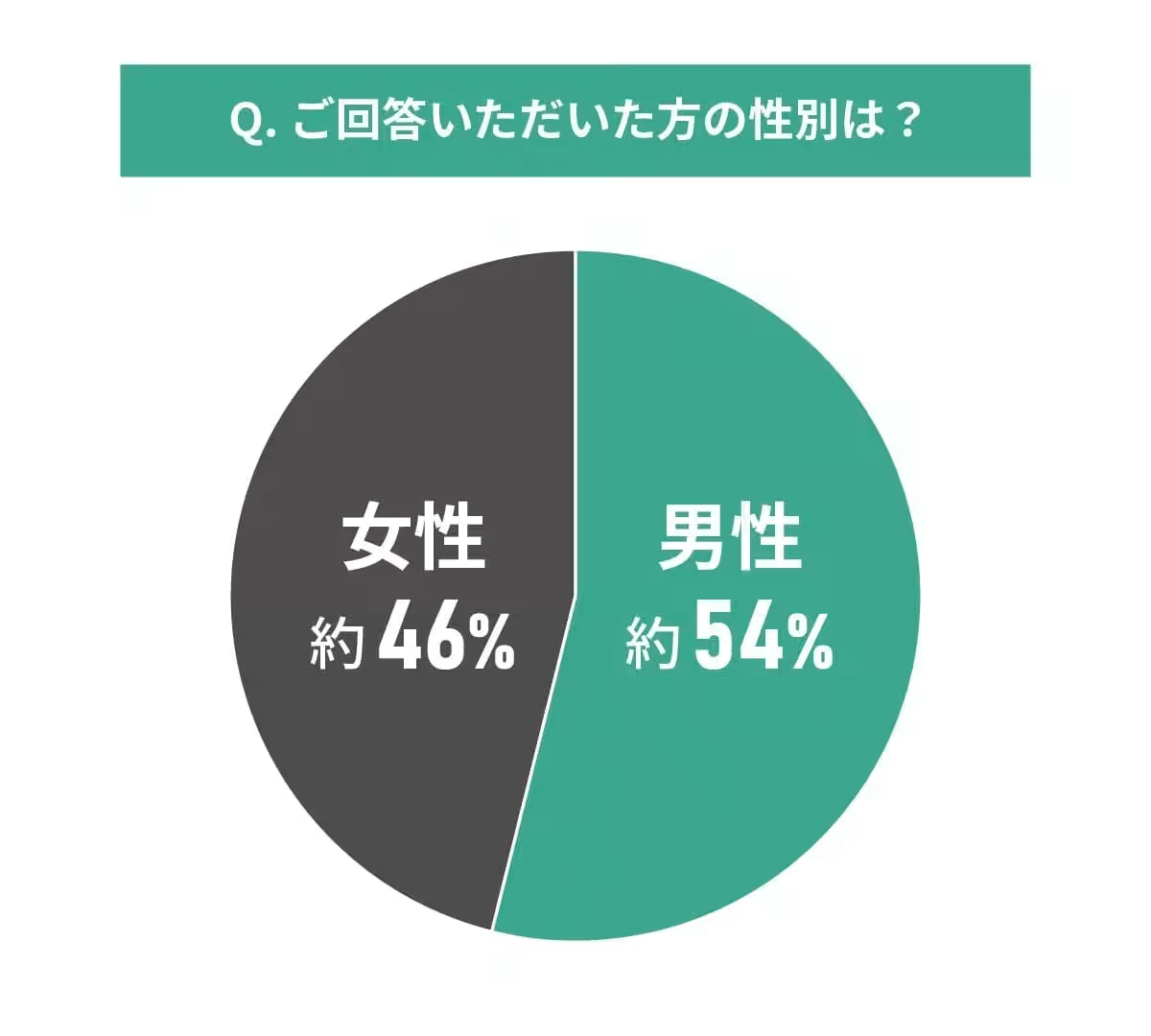
- - Participants: 122 (66 men, 56 women)
Demographic Insights
- - Gender Distribution: Women accounted for about 46%, while men made up roughly 54%.
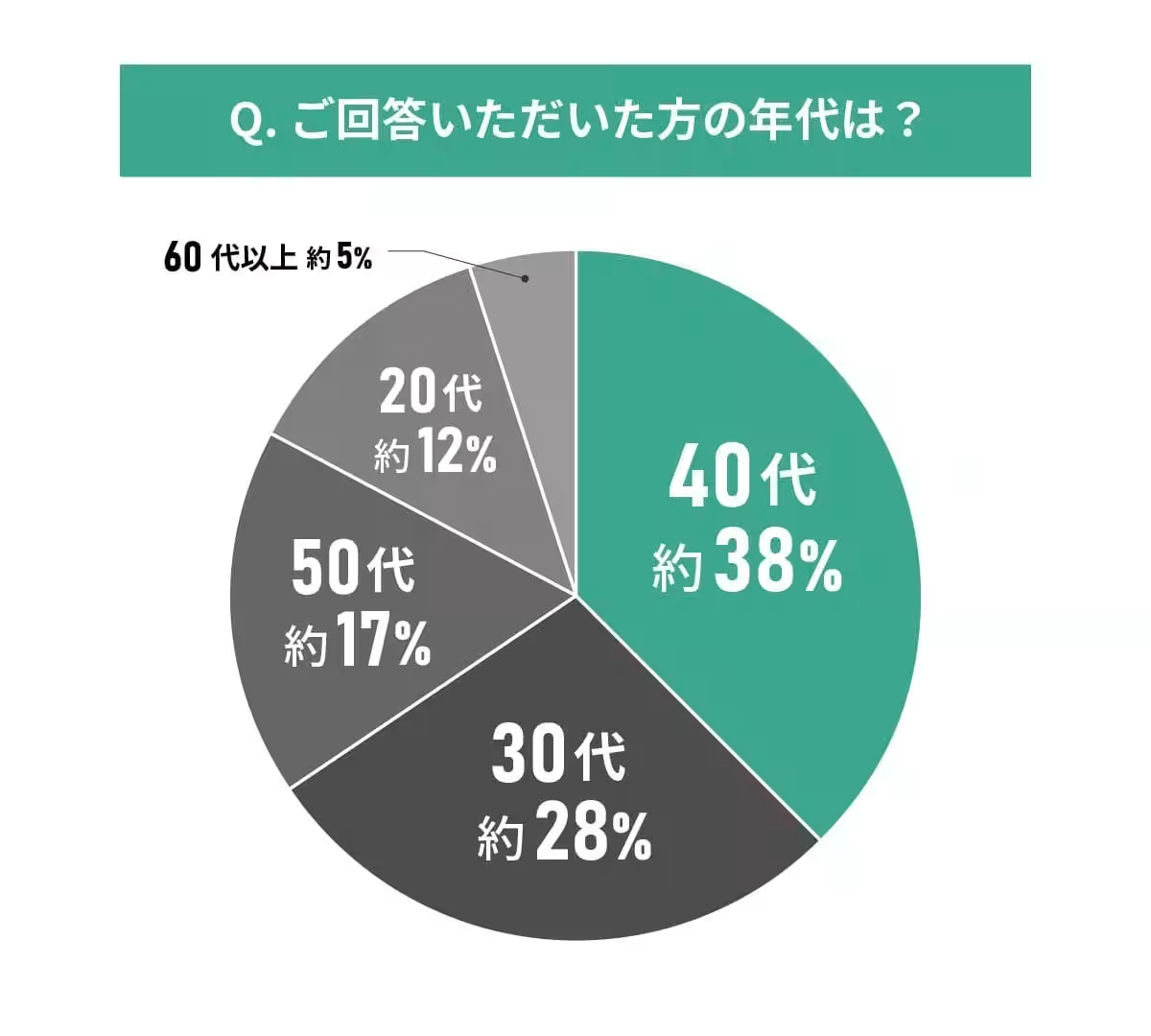
- - Age Groups:
- 30s: 28%
- 40s: 38%
- 50s: 17%
- 60s and above: 5%
Feelings of Anxiety Regarding Neighbor Relations
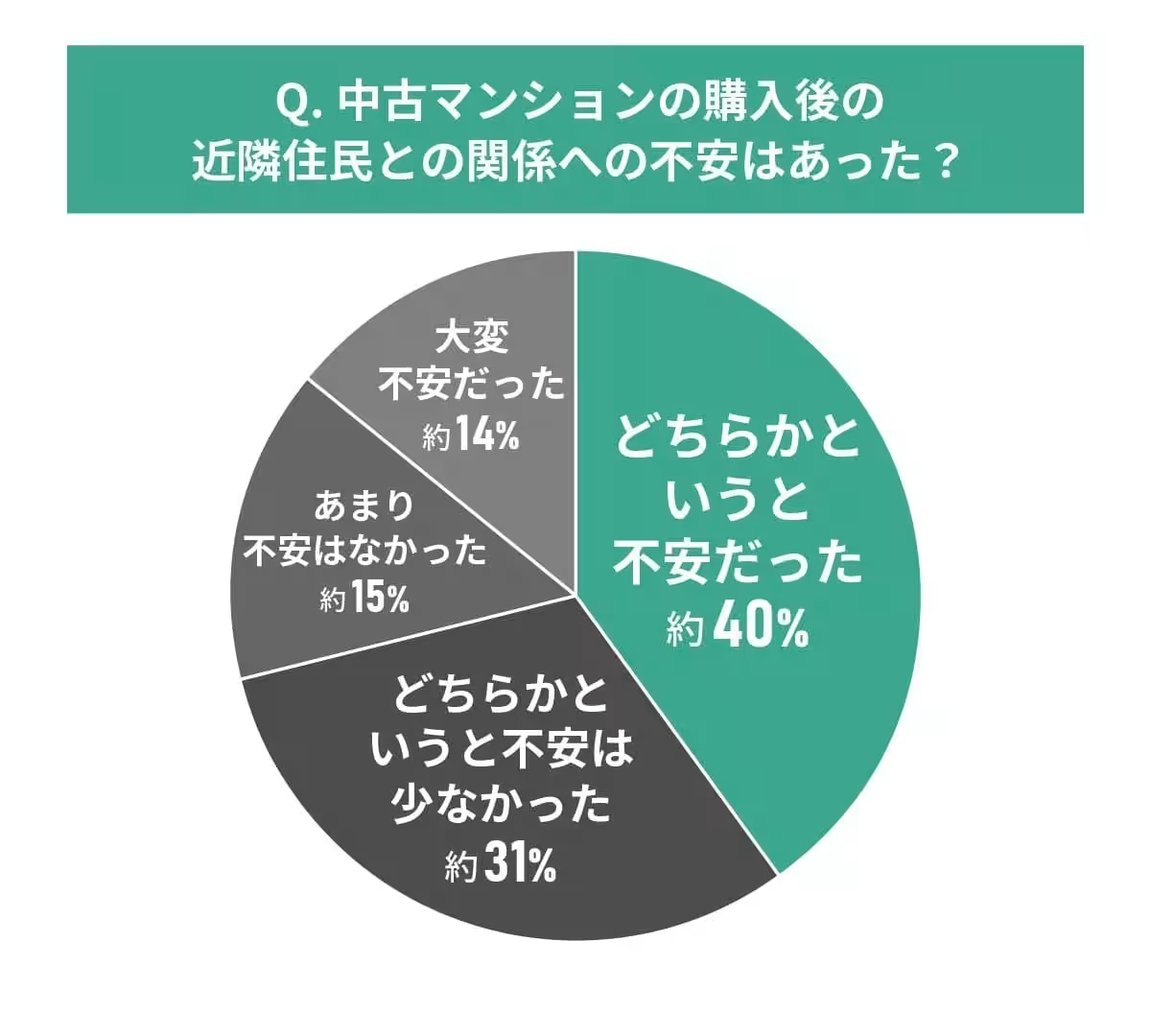
The survey sought to explore the level of anxiety individuals felt about their relationships with neighbors after moving into a second-hand condominium. Findings revealed that around 54% of respondents experienced some level of anxiety. Various reasons for this unease were noted:
- - Concerns about getting along well with neighbors
- - Fears of encountering neighbor-related issues or disputes
- - Families with young children expressed worries about potential noise complaints.
Concerns About Strange Neighbors
Additional comments highlighted that respondents feared miscommunication or conflict due to differing personalities among neighbors. Previous experiences with disputes intensified this anxiety, particularly when transitioning to the close-knit environment that condominium living often entails.
Lower Levels of Anxiety Among Some Buyers
Conversely, approximately 46% of survey participants reported low levels of anxiety, reasoning that they had no plans for interaction with their neighbors or felt assured due to the nature of condominium living in urban settings. The perception of relative anonymity has also played a role in reducing stress levels associated with neighbor relationships.
Actual Relationships After Moving In
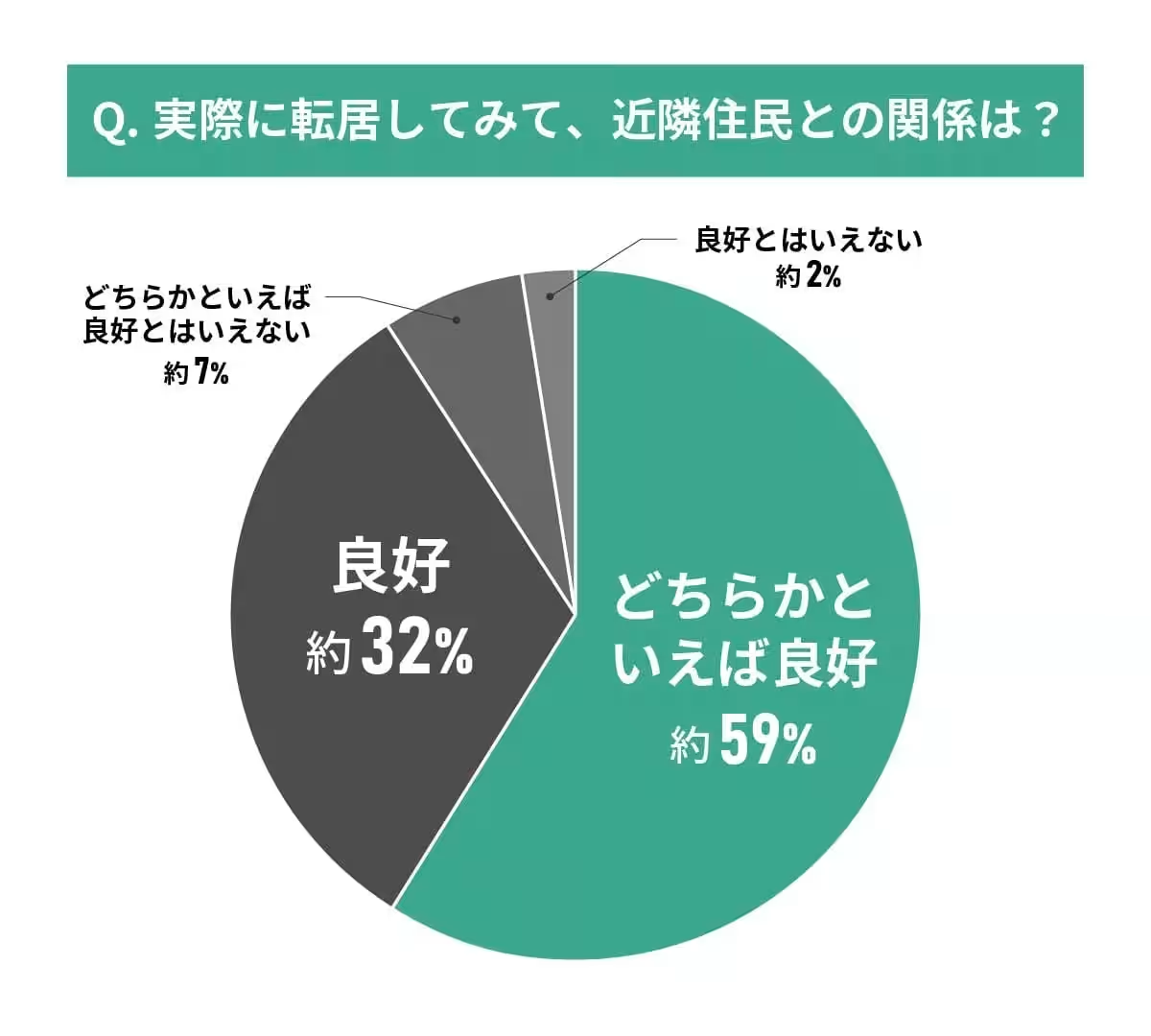
An exploration of how these anxieties translated into real-life relationships revealed the following insights:
- - About 59% claimed they had generally good relationships.
- - 32% reported their relationships were good.
- - Only 9% indicated that their relationships were not positive.
The majority (over 90%) of respondents had forged positive ties with their neighbors post-move. Many expressed relief, stating, “A simple greeting often leads to friendly exchanges,” and noted a sense of community that dispelled their initial fears.
Developing Comfortable Relationships
Residents depicted a comfortable distance between one another, where they maintained positive but non-intrusive interactions. Instances of mutual assistance in times of need, like exchanging contact for school updates or helping with child care, were noted among respondents.
Success Stories of Neighborly Relations
Many respondents shared uplifting anecdotes:
- - Exchanging souvenirs after travels,
- - Organized gatherings that helped them connect with neighbors.
Challenges Faced by a Minority
Despite the overwhelming positivity, approximately 9% of respondents noted difficulties with neighbors, including noise complaints or cultural communication barriers. Examples included instances of disruptive living habits that necessitated police involvement. Nonetheless, these cases were relatively isolated, highlighting the general trend of harmonious living.
Deep Dive into Pre-Move Anxieties
Examining the anxiety shared by prospective buyers revealed common fears among many:
- - Concerns about Noise for Families: Families worried about how children’s activities might disturb neighbors.
- - Impact of Past Experiences: Individuals with histories of neighborhood disputes expressed heightened caution, foreseeing similar issues in their new home.
- - Introverted Personalities: Some cited difficulties in socializing, causing preemptive anxiety about the upcoming change to their living situation.
Characteristics of Those Who Felt Less Anxiety
Several reasons allowed certain respondents to approach their purchases with less apprehension:
- - The awareness that city condominium interactions typically remain minimal.
- - Prior gathering of information about the neighborhood and the property’s reputation reduced anxiety.
- - Trust in the profile of residents within condominium communities often alleviated fears, bolstering confidence.
Building Relationships Post-Move
Once settled in, many reported that their relationships had flourished due to:
- - Pleasant Interactions: Regular greetings maintained a healthy distance.
- - Fringe Assistance: Circumstances where neighbors stepped in during moments of need.
Key Takeaways for Buyers
Upon analyzing the survey, several crucial points emerged for prospective condominium buyers to consider:
1. Common Fears Among Buyers: Nearly half of buyers feel concerned before moving, a typical sentiment that shouldn't deter purchases.
2. Pre-Move Research: Engaging in thorough research about local neighborhood dynamics can significantly reduce feelings of apprehension.
3. Maintaining Distance in Relationships: Establishing relations without unnecessary pressure promotes a tranquil living experience.
In conclusion, this survey illuminates the substantial potential for positive neighbor relationships following the purchase of a second-hand condominium. With the right mindset and preparedness, future buyers can navigate their concerns effectively. By maintaining an informed and realistic expectation both regarding neighbor dynamics and communal relationships, they can embark on their journey towards a fulfilling living experience.
Topics Consumer Products & Retail)
【About Using Articles】
You can freely use the title and article content by linking to the page where the article is posted.
※ Images cannot be used.
【About Links】
Links are free to use.