


Fukuoka City's Innovative Milk Opt-Out System for School Meals Starting 2025
Fukuoka City Introduces Milk Opt-Out System for School Lunches
Fukuoka City has recently announced a groundbreaking initiative set to roll out in 2025, allowing elementary and junior high school students to opt-out of consuming milk during school lunches without the need for a doctor’s note. This new policy is particularly beneficial for families who wish to avoid milk for various reasons, providing them with a much-needed relief while also aiming to reduce food waste, as the city has previously reported that over 50,000 bottles of milk were wasted annually in school lunches alone.
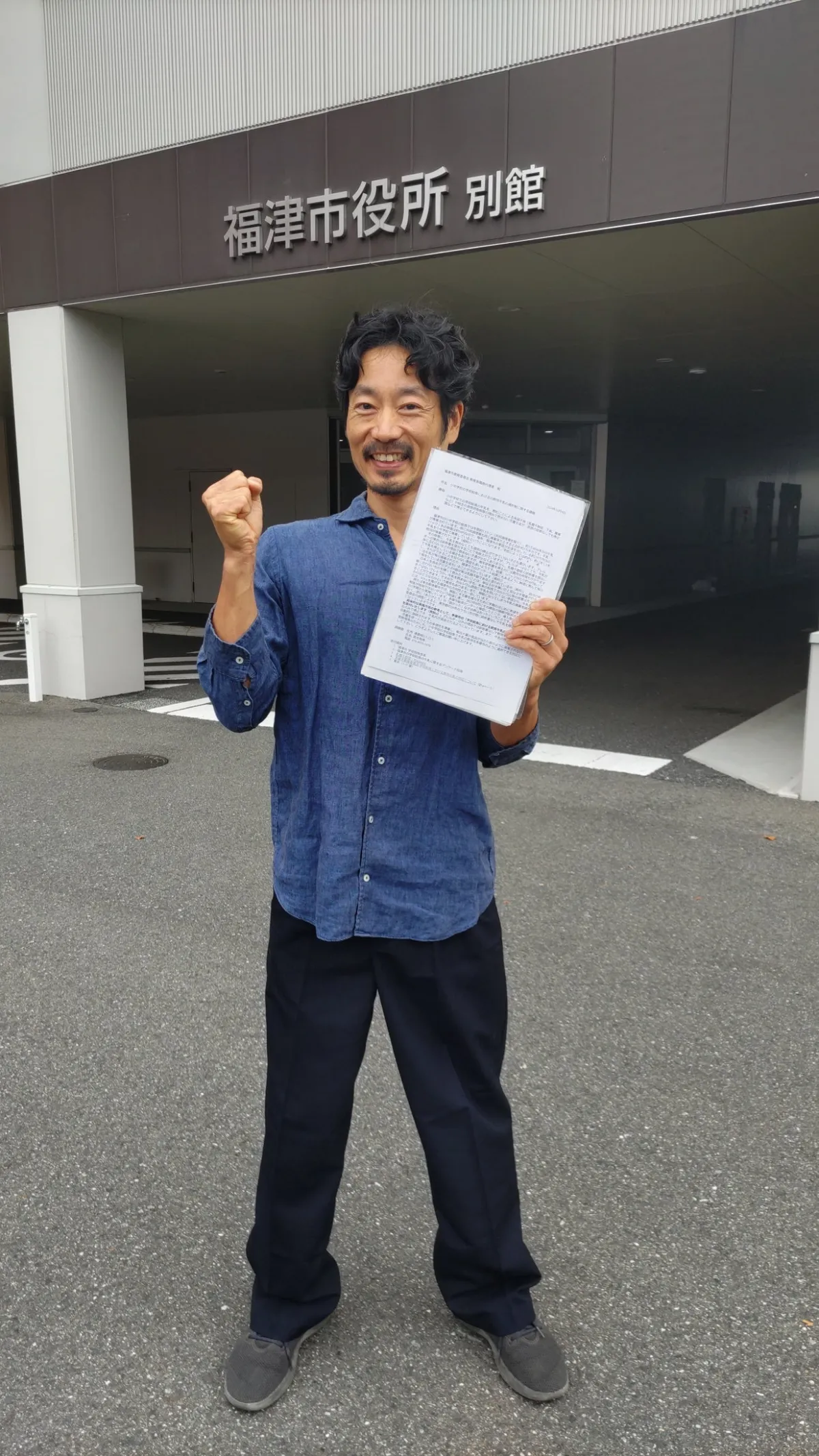
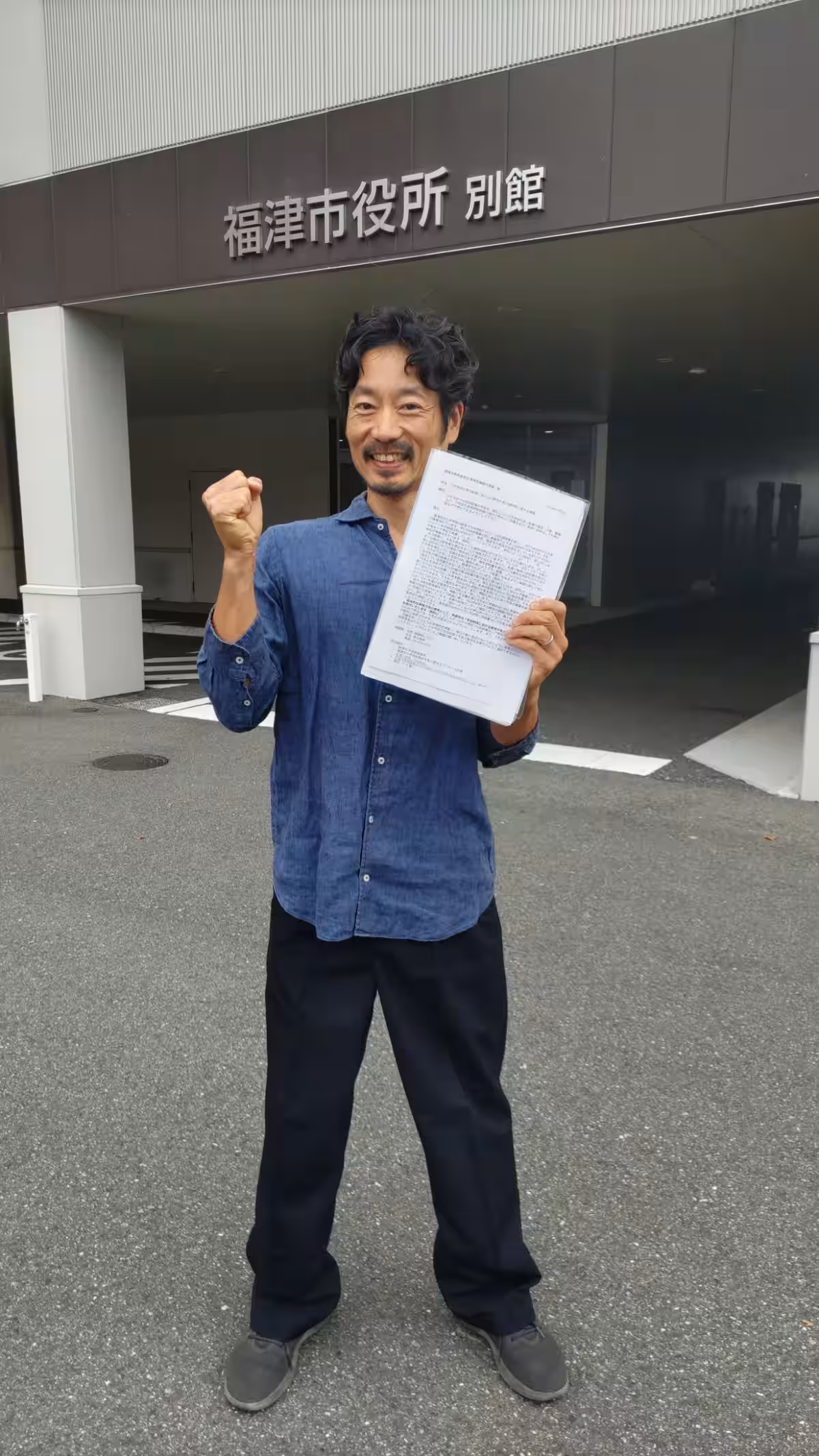
The decision to implement this milk opt-out system follows a petition submitted in October 2024 to the city’s Board of Education, which was subsequently adopted. This approach, known as a petition, is a tool for citizens to request changes in administration or legislation, accessible to everyone regardless of age or residency. Notably, a similar petition in 2022 was successfully adopted in Tama City, Tokyo, allowing them to implement their milk opt-out system in 2023. Fukuoka’s impending system marks the second successful citizen-driven initiative to choose milk in school meals.
The underlying question arises: why a move towards allowing milk to be optional when it’s traditionally emphasized as an important source of calcium? Research indicates that approximately 90% of Asians, including many Japanese, struggle to digest lactose, a condition known as lactose intolerance. This inability to break down lactose raises the argument that it’s more accurate to describe this condition as lactose malabsorption, as humans naturally stop needing to digest milk after weaning. Surprisingly, Japan stands out as one of the few countries globally where school lunches almost mandatorily include milk.
Historically speaking, Japan did not have native cattle until after World War II, and the introduction of milk into school lunches was heavily influenced by American practices post-war. Consequently, numerous children have endured uncomfortable experiences as a result of being forced to consume milk, such as enduring stomach aches that necessitate rushing to the restroom. A particularly poignant instance from Fukuoka City highlights a student sharing the news about the new opt-out policy with classmates who had felt pressured to consume milk they disliked.
With various reasons for opting out, some children simply disfavor the taste, while others suffer from adverse physical reactions. Traditional Japanese cuisine does not typically complement milk, and the growing sentiment that disliking milk may be a justified stance often clashes with societal expectations. It is significant to recognize that one serving of sesame seeds, for example, can provide as much calcium as an entire carton of milk, a fact little known among consumers.
Moreover, there is an increasing awareness regarding ethical concerns surrounding dairy production practices. The online petition “Make Milk Optional in School Lunches,” launched by advocates in Fukuoka, revealed distressing statistics: about 40,000 dairy cows in Japan are artificially inseminated annually for milk production, with their calves often separated shortly after birth, and male calves being slaughtered for meat. Furthermore, many dairy cows are confined, living in unhygienic conditions for the sake of milk production, leading to a life expectancy far below their natural potential.
Growing calls for schools to adopt milk opt-out systems reflect a significant shift in public opinion. Following Tama City’s initiative, several municipalities, including Munakata City, Shibuya, Kobe City, and various locations in Aichi Prefecture and Tokyo, have presented similar petitions aiming to give families a choice regarding milk consumption in school lunches. In Fukuoka’s Iizuka City, discussions between parents and city council members resulted in a decision for children to be able to refuse milk without a medical note starting in 2025.
Yuki Takahashi, the petitioner in Fukuoka City, remarked, “Submitting the petition to the Board of Education was surprisingly straightforward. By promoting a milk opt-out choice in school lunches across Japan, we can minimize waste and facilitate better nutrition education, empowering children to choose what’s best for their bodies.”
As of October 2024, the city’s Board of Education has officially adopted this pivotal proposal for a milk opt-out system. Takahashi had previously submitted a similar petition in February but was faced with rejection at the time.
For further information, you can reach out to: Animal Alliance Asia
Contact: Yuki Takahashi
Phone: 070-8970-5070
Email: [email protected]
This transition towards a milk opt-out system reflects broader cultural shifts in Japan as families gain a stronger voice in advocating for their children’s dietary needs. It symbolizes a growing recognition of individual preferences and health considerations, paving the way for more inclusive school meal policies.
Topics People & Culture)




【About Using Articles】
You can freely use the title and article content by linking to the page where the article is posted.
※ Images cannot be used.
【About Links】
Links are free to use.