



Understanding the Disturbing Reality of Reverse Power Harassment on Managers in Japan
The Alarming Findings of Reverse Power Harassment Among Managers in Japan
A recent research study conducted by J-Feel, an organization development and human resources firm based in Shibuya, Tokyo, sheds light on a concerning issue facing managers across Japan: reverse power harassment. This type of harassment occurs when subordinates exhibit abusive behavior towards their supervisors. By surveying 5,000 full-time employees across private sector companies, this groundbreaking study reveals shocking statistics about the mental strain faced by managers and the potential consequences of such adversities.
Background and Objectives of the Study
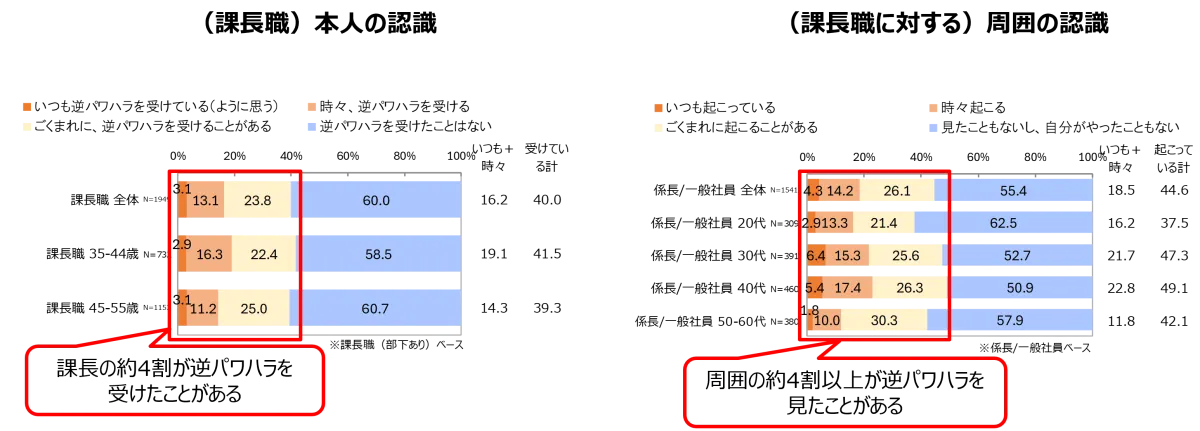
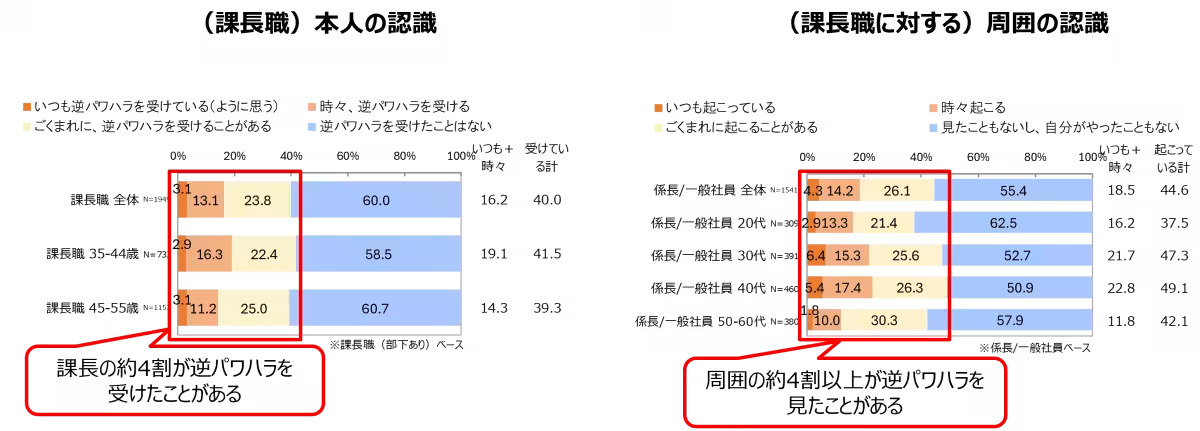
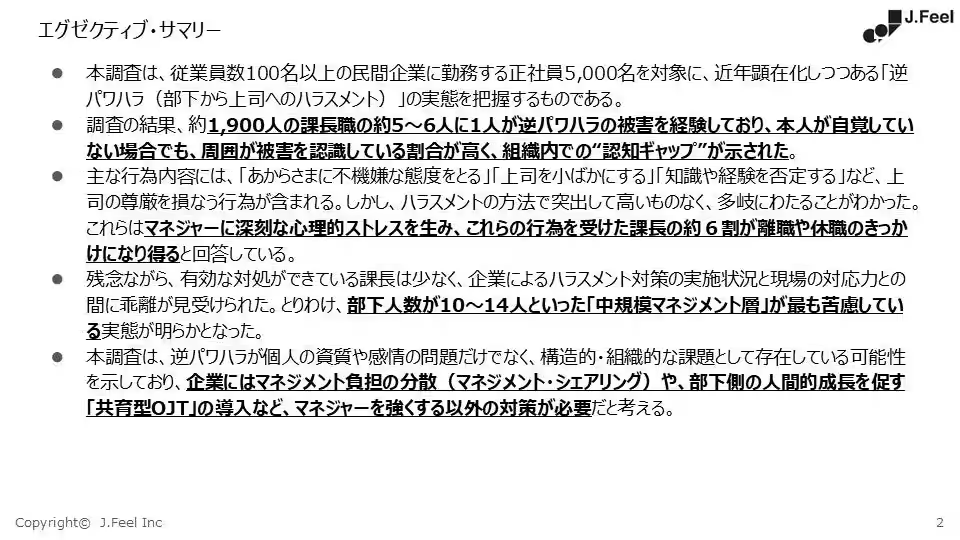
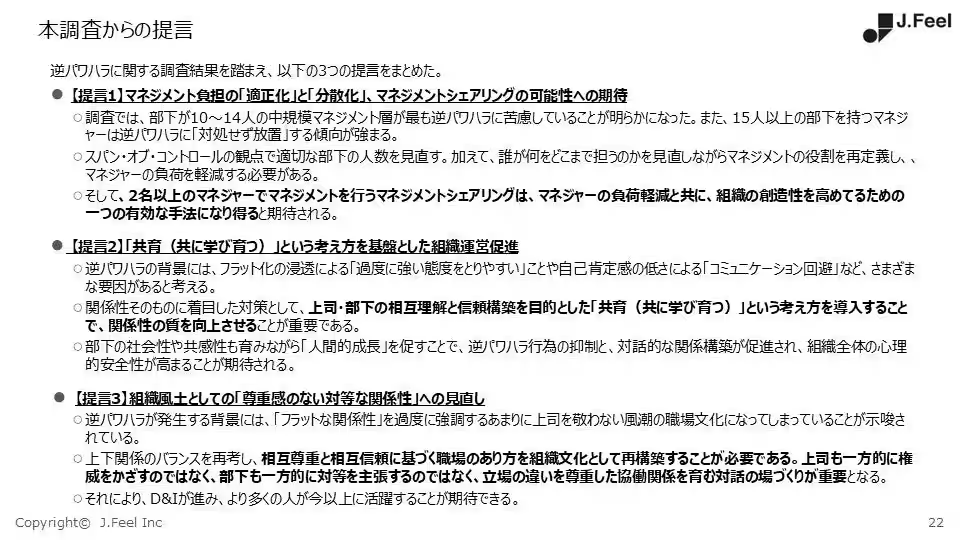
J-Feel's investigation into reverse power harassment highlights a significant and often ignored problem within organizational structures. With nearly 40% of managerial personnel reportedly facing this harassment, the findings indicate that approximately 60% of those affected consider it a catalyst for leaving their jobs or taking medical leave. The data suggests that reverse power harassment is not merely an individual emotional issue but is rooted in larger structural and organizational dynamics. Consequently, the firm emphasizes the need for distributing management burdens through practices like management sharing and implementing developmental training, also known as “collaborative education” (共育), to provide necessary support for managers to thrive.
Study Details
The research was conducted from April 18 to April 20, 2025, focusing on full-time employees in companies with a workforce of 100 or more. Among the 5,000 participants, 314 individuals provided valid responses regarding their experiences of witnessing or experiencing reverse power harassment.
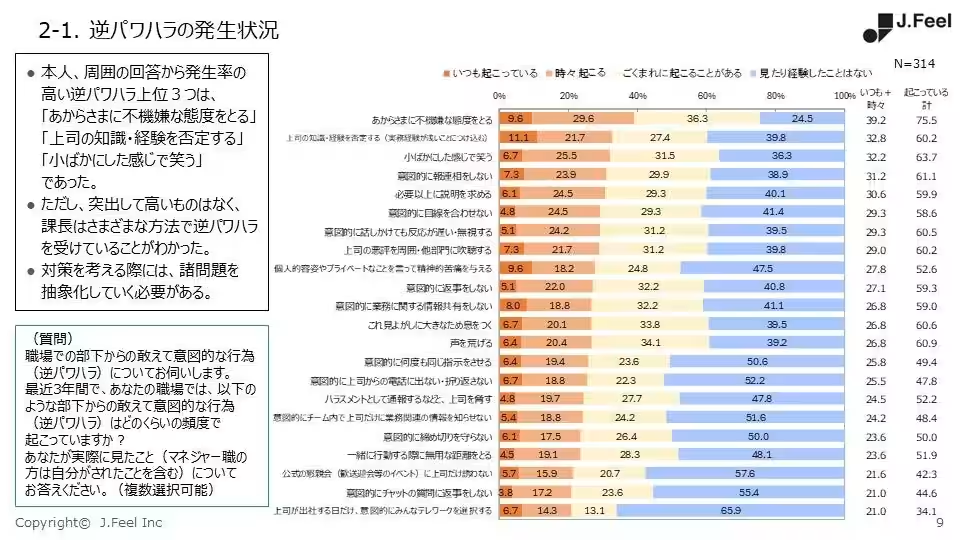
The survey explored specific examples of deliberate harassment behaviors from subordinates, such as dismissive attitudes towards their supervisors, overtly negative body language, and undermining their knowledge or experience. This qualitative data was analyzed to assess the experiences of victims, perceptions from peers, and correlations based on the size of the subordinate teams.
Results of the Research
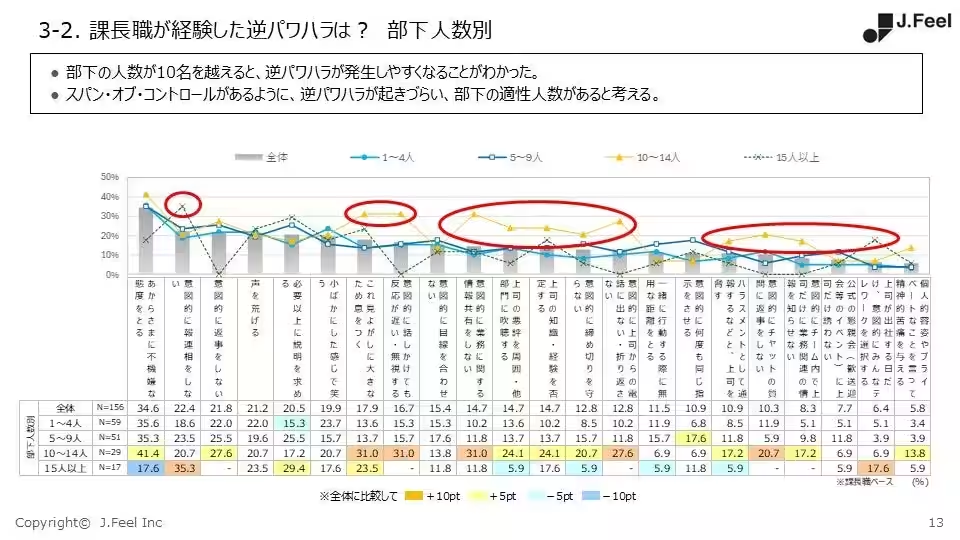
The findings of the research reveal alarming trends: nearly 40% of managers have dealt with reverse power harassment, with around 60% acknowledging that such incidents could lead to career ending implications like prolonged medical leave or resignation. This issue is especially pronounced among managerial professionals supervising teams of 10 to 14 individuals.
Significance and Impact of the Findings
This study unveils the psychological burdens placed upon those in managerial positions, offering invaluable insights that could reshape thoughts and strategies surrounding organizational development and human resource policies. The introduction of management sharing arrangements and the cultivation of collaborative learning environments could help mitigate reverse power harassment tendencies and foster stronger relational dynamics within workplaces.
Key Findings:
1. Establishing the current scenario of reverse power harassment.
2. The prevalence rates among managerial roles.
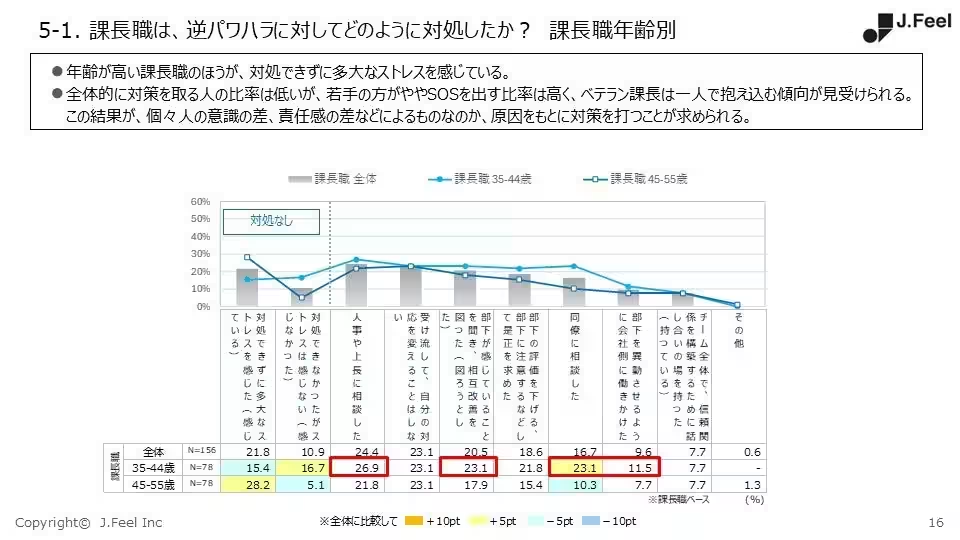
3. Responses from direct supervisors to these hostile behaviors.
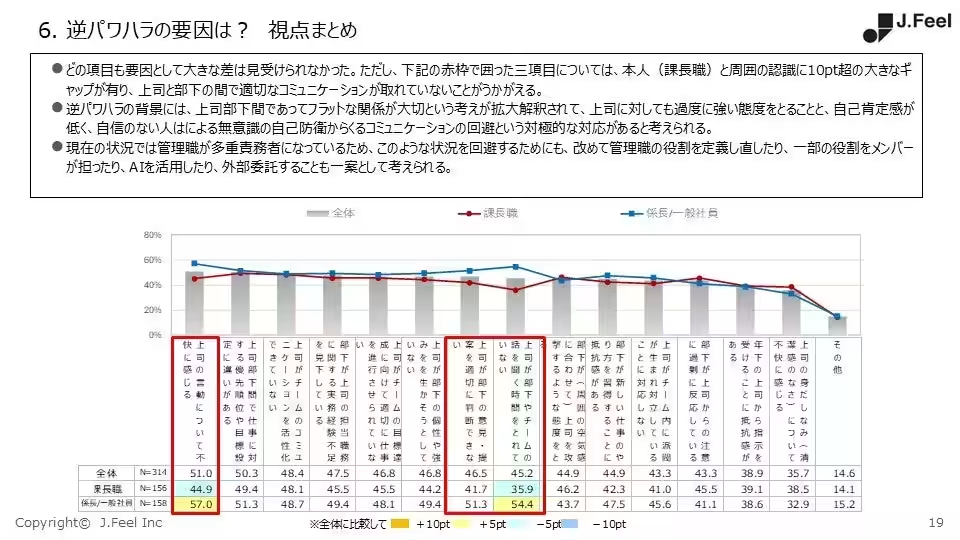
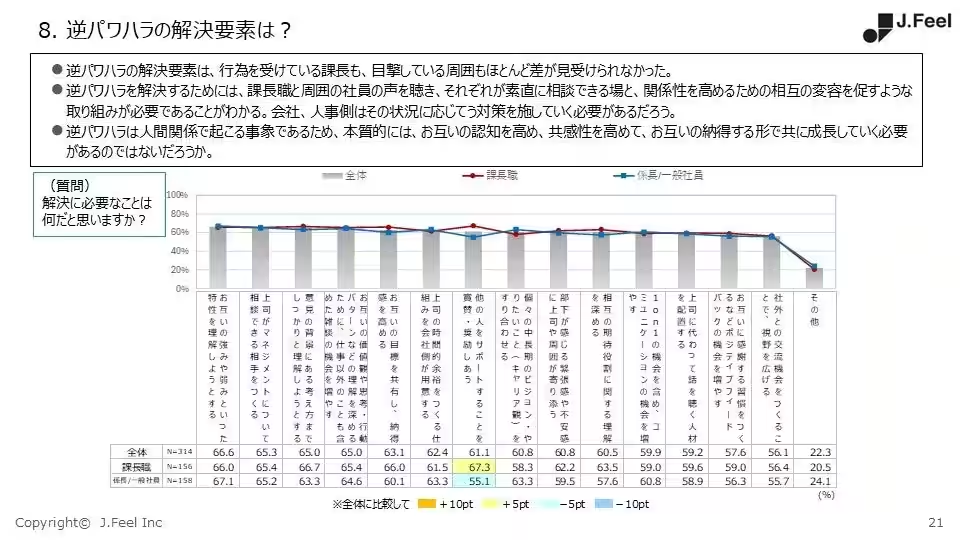
4. Identifying causes and preventive strategies.
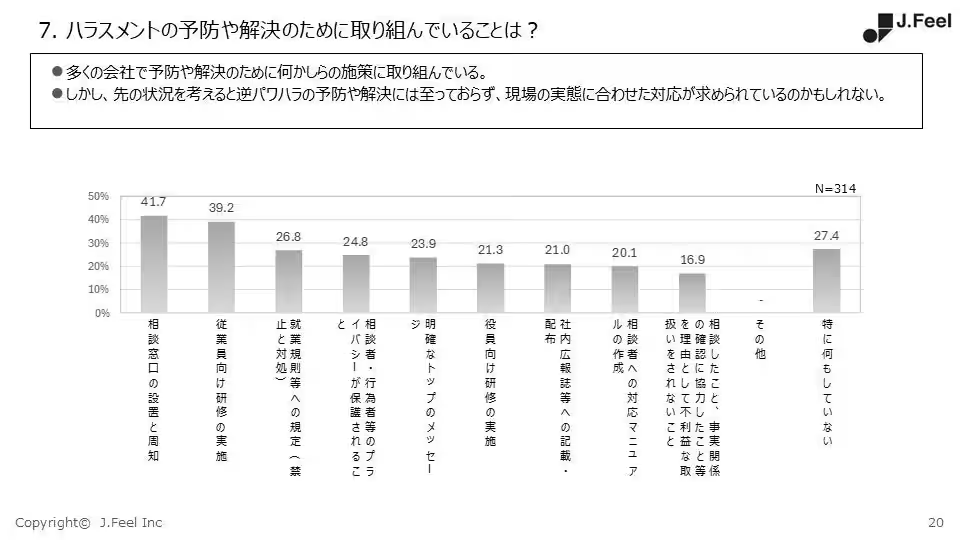
5. Evaluating organizational measures against harassment.
Recommendations Based on Study Outcomes
The insights gained from this research not only highlight a critical blind spot in organizational management but also provide actionable recommendations for companies. Firms are encouraged to explore implementation strategies that facilitate shared management responsibilities and promote joint educational initiatives, both of which could serve as deterrents against reverse power harassment and strengthen trust within teams.
To find out more:
For more information about J-Feel and their approach to organizational development, visit this link.
About J-Feel
J-Feel specializes in facilitating organizational change through strategies centered around individual transformations. Their offerings include interactive workshops, collaborative education-based OJT, and organizational culture reform consulting, directed at empowering managers and creating a more flexible and innovative organizational structure.
Topics People & Culture)
【About Using Articles】
You can freely use the title and article content by linking to the page where the article is posted.
※ Images cannot be used.
【About Links】
Links are free to use.