



Exploring the 2025 Survey on Solo Living and Homecomings During Obon
2025 Survey on Solo Living and Homecomings During Obon
In the summer of 2025, Hitogura, a support brand for solo living operated by Able Holdings based in Minato, Tokyo, conducted an insightful survey focused on the returning home intentions of those living alone during the Obon season. The survey aimed to understand the emotional and practical implications of these homecomings among solo residents, gathering responses from 808 participants aged between 15 to 49.
Survey Overview
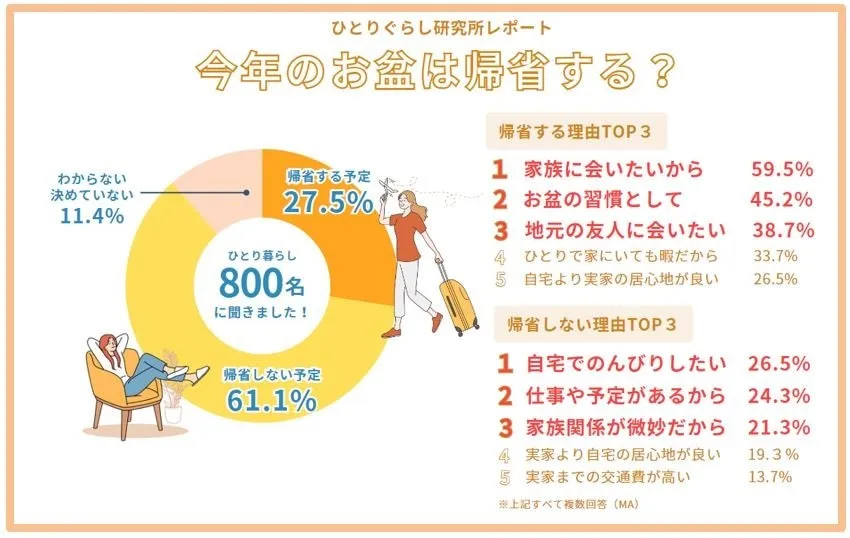
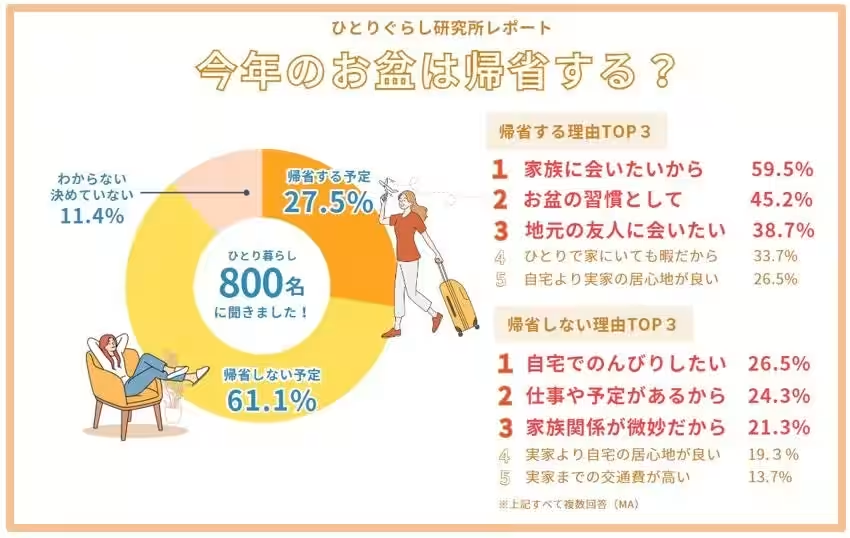
The survey, which took place from July 18 to 31, 2025, received a total of 1,004 responses, with 808 valid ones for analysis. The findings paint a nuanced picture of the reasons behind the decisions to return home or remain where they are, with a breakdown of responses revealing that approximately 30% of respondents plan to return home, while 60% intend not to. This stark contrast highlights a significant trend among solo residents during this pivotal family gathering period.
Reasons for Homecoming and Non-Homecoming
For those choosing to return to their family homes, the predominant reason, cited by about 60%, was the desire to see family, closely followed by traditional customs associated with the Obon holiday and the wish to reconnect with friends from the hometown, each attracting about 40% of respondents. On the flip side, the reasons for not returning varied from personal preferences like wanting to relax at home or having work commitments, to more complex emotional responses such as problematic family dynamics or discomfort at home. Notably, economic factors related to travel expenses only accounted for around 10% of the answers.
Demographic Insights
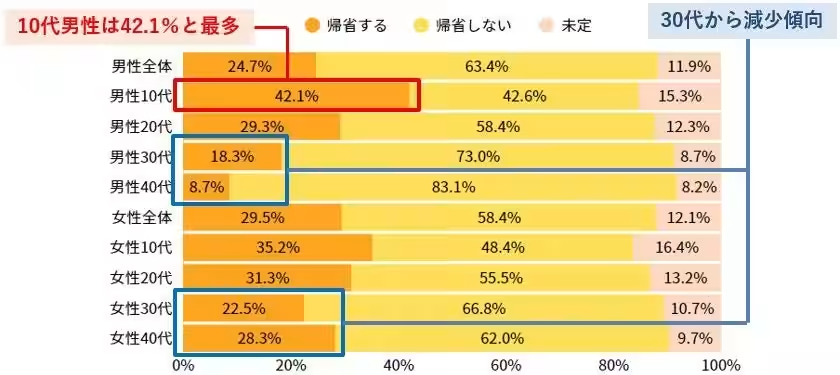
When analyzed by gender and age, the survey revealed interesting patterns. Women exhibited a higher tendency to return home, while young males in their teenage years showed the highest intention to go back, corroborating the trend that younger generations, particularly those in their teens and twenties, were more likely to prioritize family connections. Conversely, a significant decline in the intent to return was found among residents in their 30s and 40s, suggesting that increased responsibilities often associated with advancing careers and the establishment of a life far from one’s parental home contribute to this phenomenon.
Communication with Parents
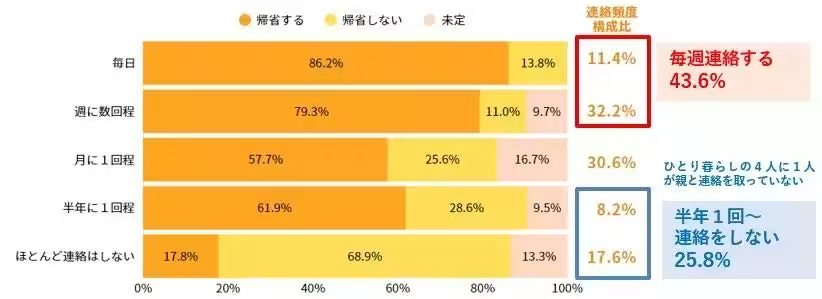
In terms of communication frequency with parents, it was noted that 43.6% of participants contacted their parents daily or several times a week. However, about 25.8% reported minimal or no communication with their family. This disconnection correlates with their return intentions, with 80% of those who frequently communicated indicating a desire to return, whereas only a small fraction of those who barely contacted their parents expressed a wish to go home.
Emotional Transformations
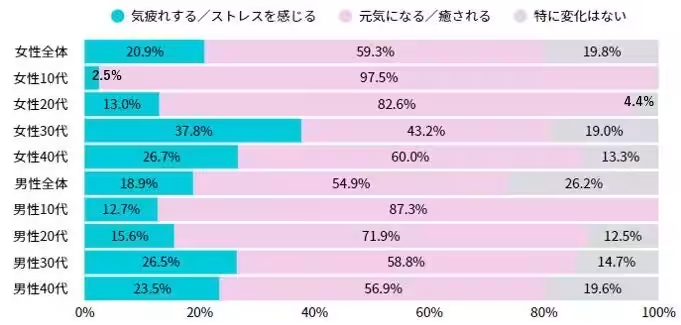
Upon returning home, many reported feeling revitalized or comforted, especially prevalent among younger respondents, where over 70% expressed positive sentiments toward their homecomings. In contrast, nearly 40% of women in their 30s reported feelings of stress or fatigue, suggesting a correlation between these emotions and lower return intent in that demographic.
Intentions with Actions
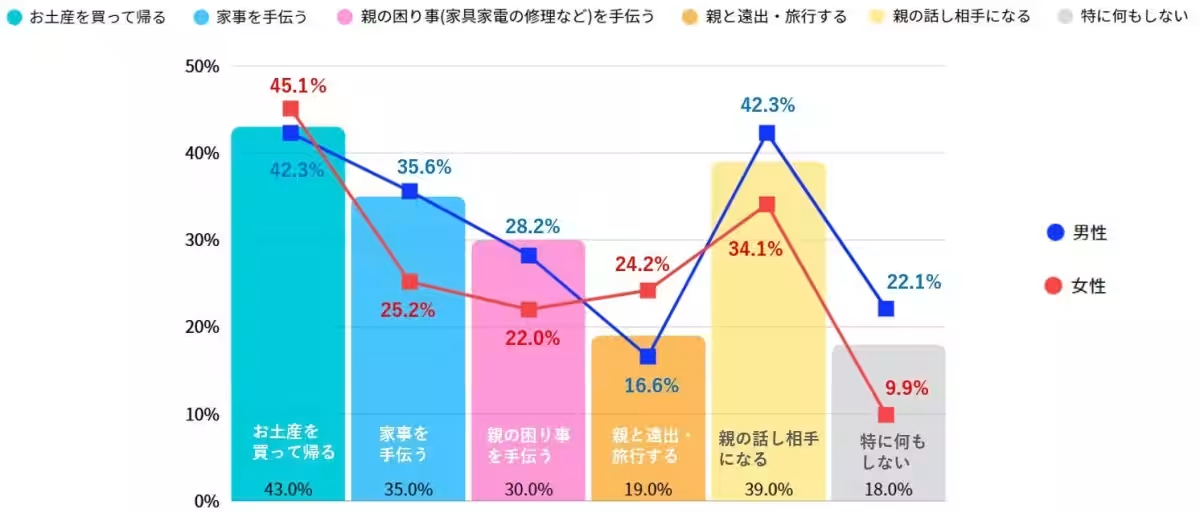
Respondents also shared what actions they prioritized while returning home. An impressive 43% indicated that they intended to bring gifts for their family, highlighting the value placed on gestures of appreciation. Additionally, 39% sought to spend quality time with their parents by engaging in conversation, displaying a commitment to fostering relationships.
Conclusion
Overall, the survey underscores a complex dynamic among solo dwellers regarding family interactions during Obon, presenting a blend of traditional values, emotional connections, and modern challenges. Despite the overwhelming majority expressing a preference not to return, significant portions of individuals maintain communication with their families, suggesting that the emotional ties to family remain strong even in the context of contemporary living arrangements. The results reflect the evolving nature of familial relationships in an era marked by independence and shifting societal norms. Detailed findings can be explored further on the Hitogura research lab website.
More Information on Hitogura Research
About Hitogura
The Hitogura Research Institute operates under Able Holdings, delving deeply into the phenomena surrounding solo living. By analyzing the realities and challenges faced by those living alone, the added knowledge is transformed into services that enhance the comfort and security of solo living experiences. Established on July 4, 2025, the institute is dedicated to making solo lifestyles enriched and fulfilling.
Website: Hitogura

Topics People & Culture)

【About Using Articles】
You can freely use the title and article content by linking to the page where the article is posted.
※ Images cannot be used.
【About Links】
Links are free to use.