



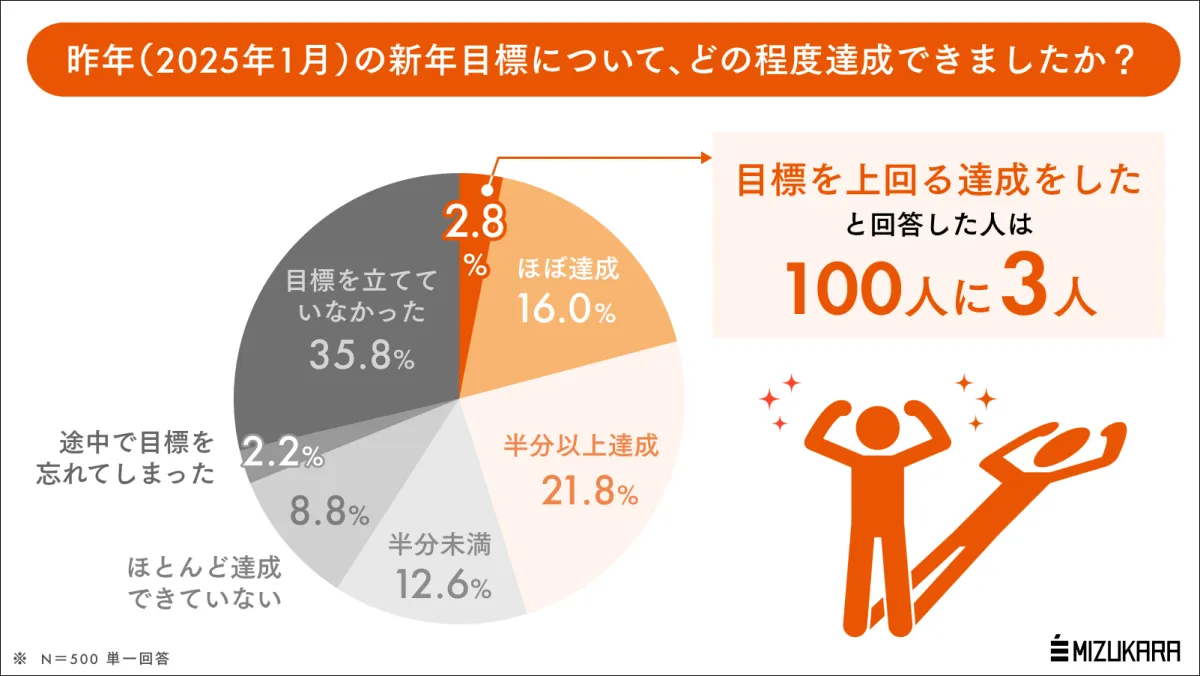
The Stark Truth Behind New Year's Resolutions: Only 3% Achieve Their Goals
The Stark Truth Behind New Year's Resolutions: Only 3% Achieve Their Goals
As we usher in 2026, many individuals take the time to reflect on the past year and set intentions for the year ahead. New Year’s resolutions have become a staple of this transition, yet how often are we held accountable for achieving these personal goals? While corporate objectives are scrutinized and assessed, personal resolutions often fade into silence. A recent survey conducted by Mizukara, a company specializing in cognitive science-based coaching, sheds light on the alarming reality of New Year's resolutions.
Survey Insights: A Disheartening 3% Success Rate
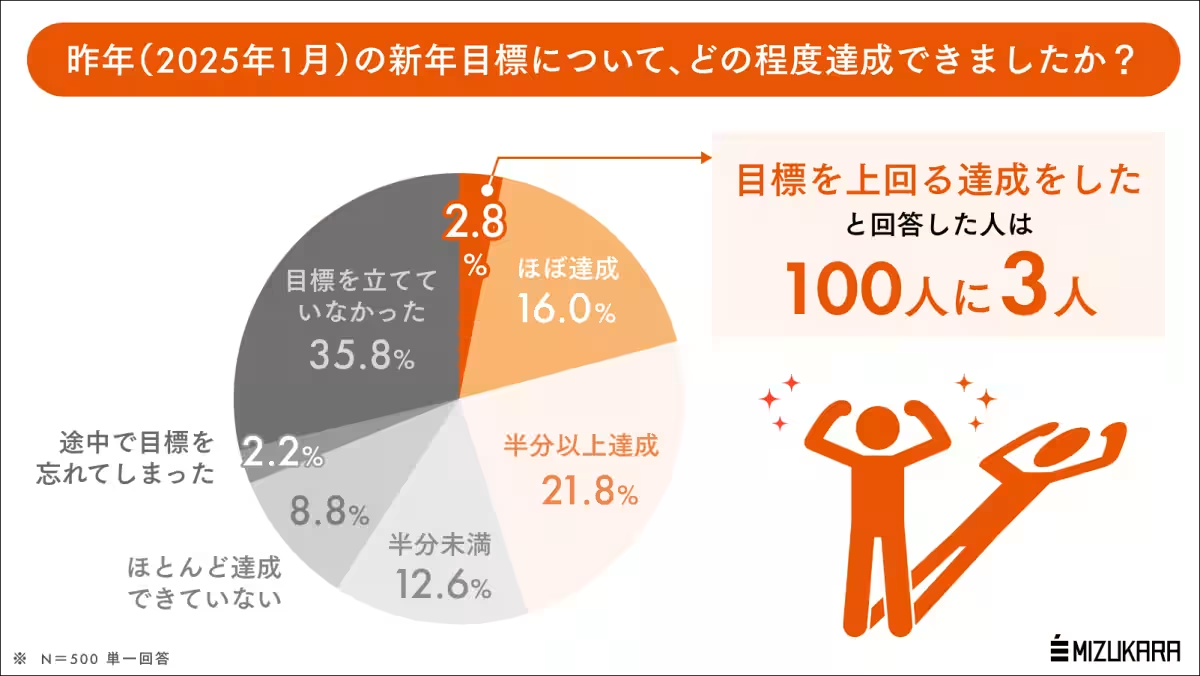
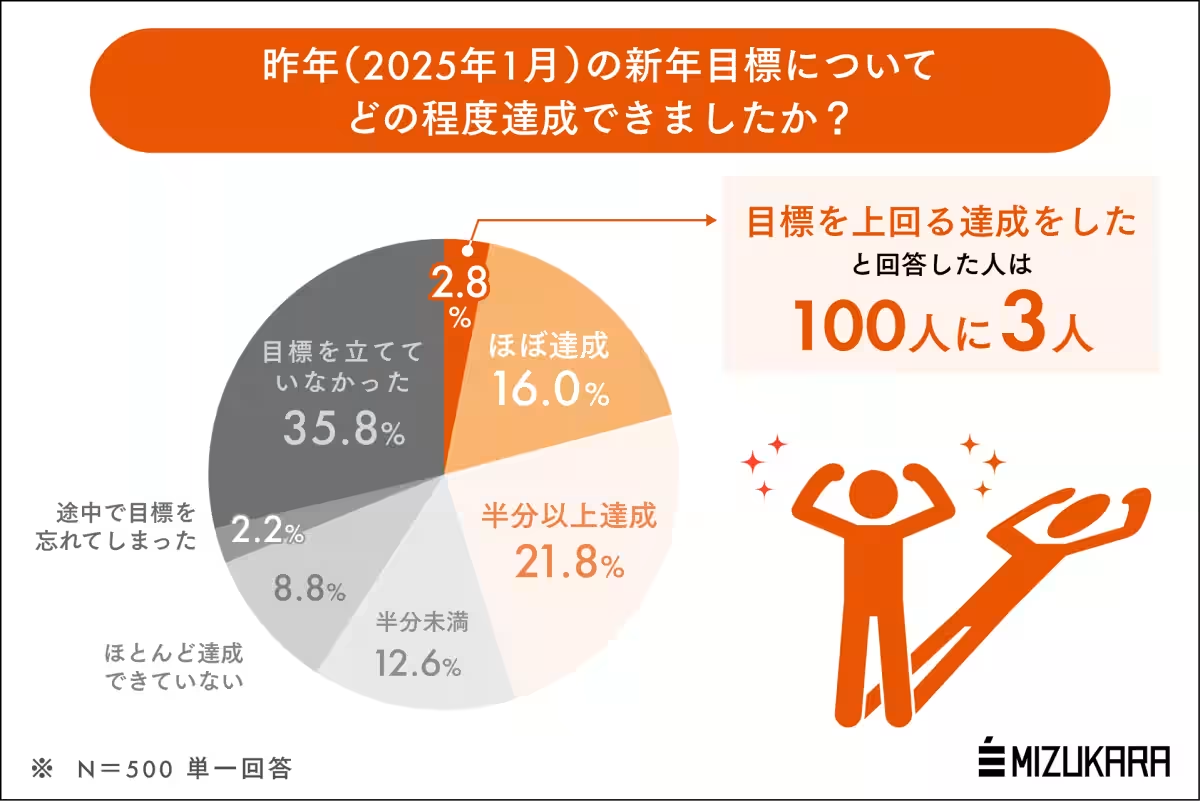
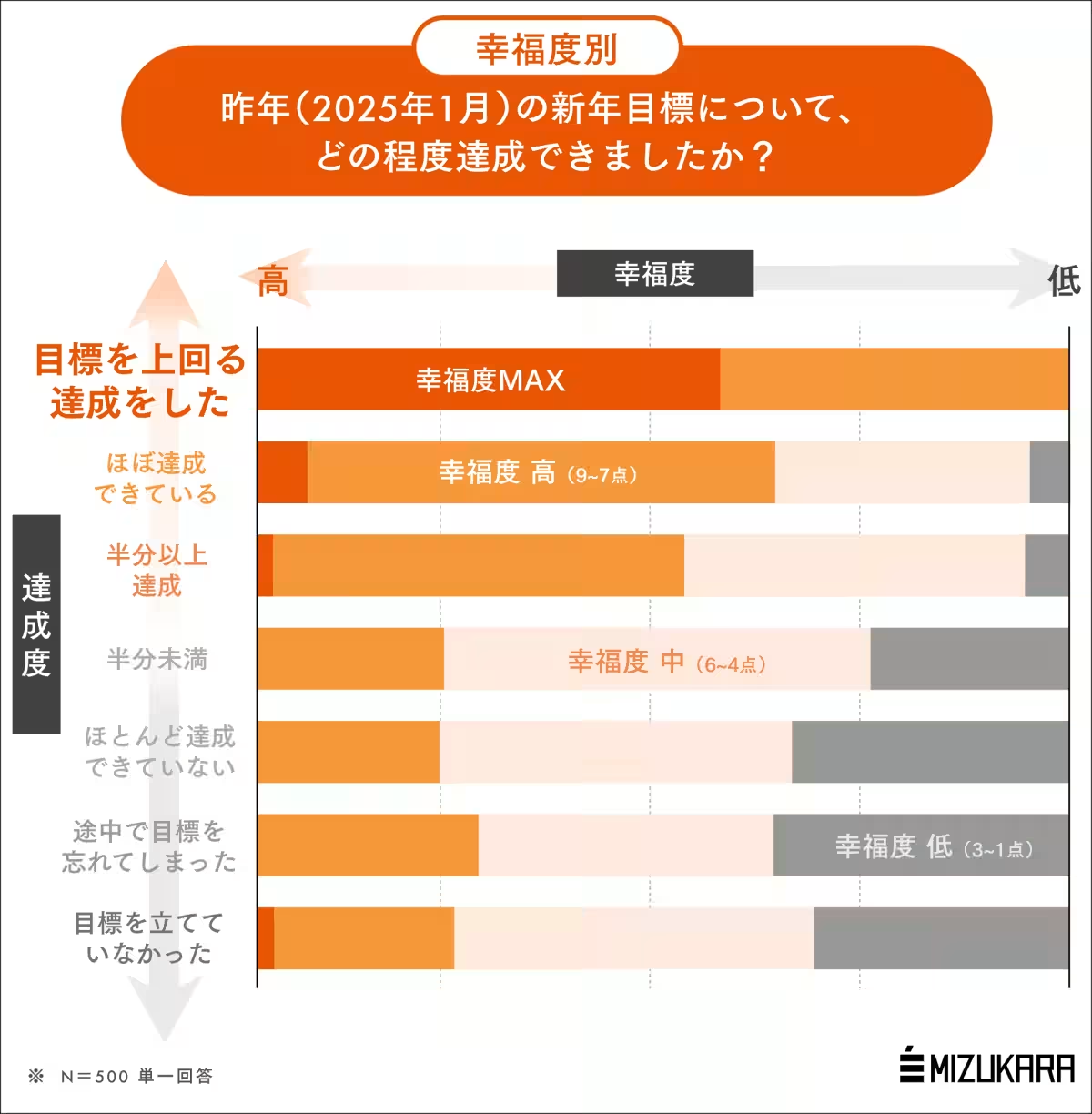
On December 12, 2025, Mizukara surveyed 500 employed individuals aged 20 to 59 about their New Year’s resolutions. The findings revealed that only 3 out of every 100 people (2.8%) reported exceeding their goals. These quiet commitments, made internally, often dissipate without making any noise. Though it may seem like an individual endeavor, sharing these goals with family or friends can significantly increase the likelihood of success.
The Common Trend: A Solo Approach
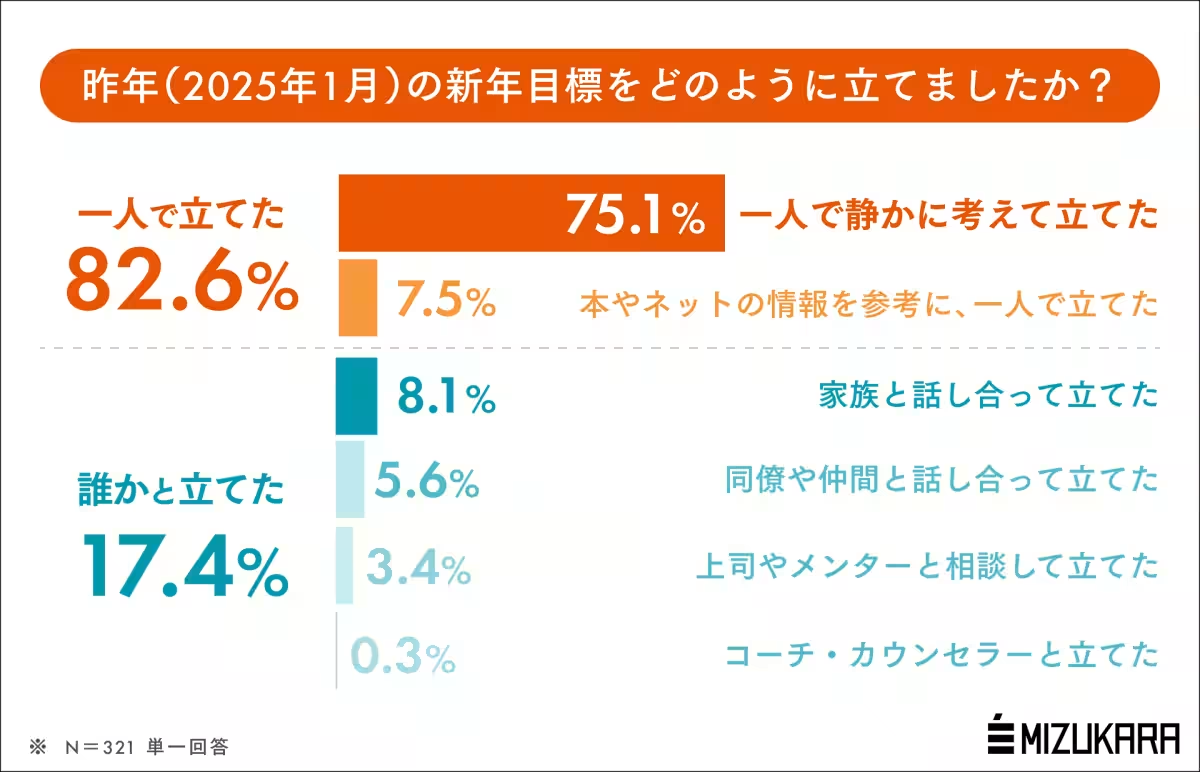
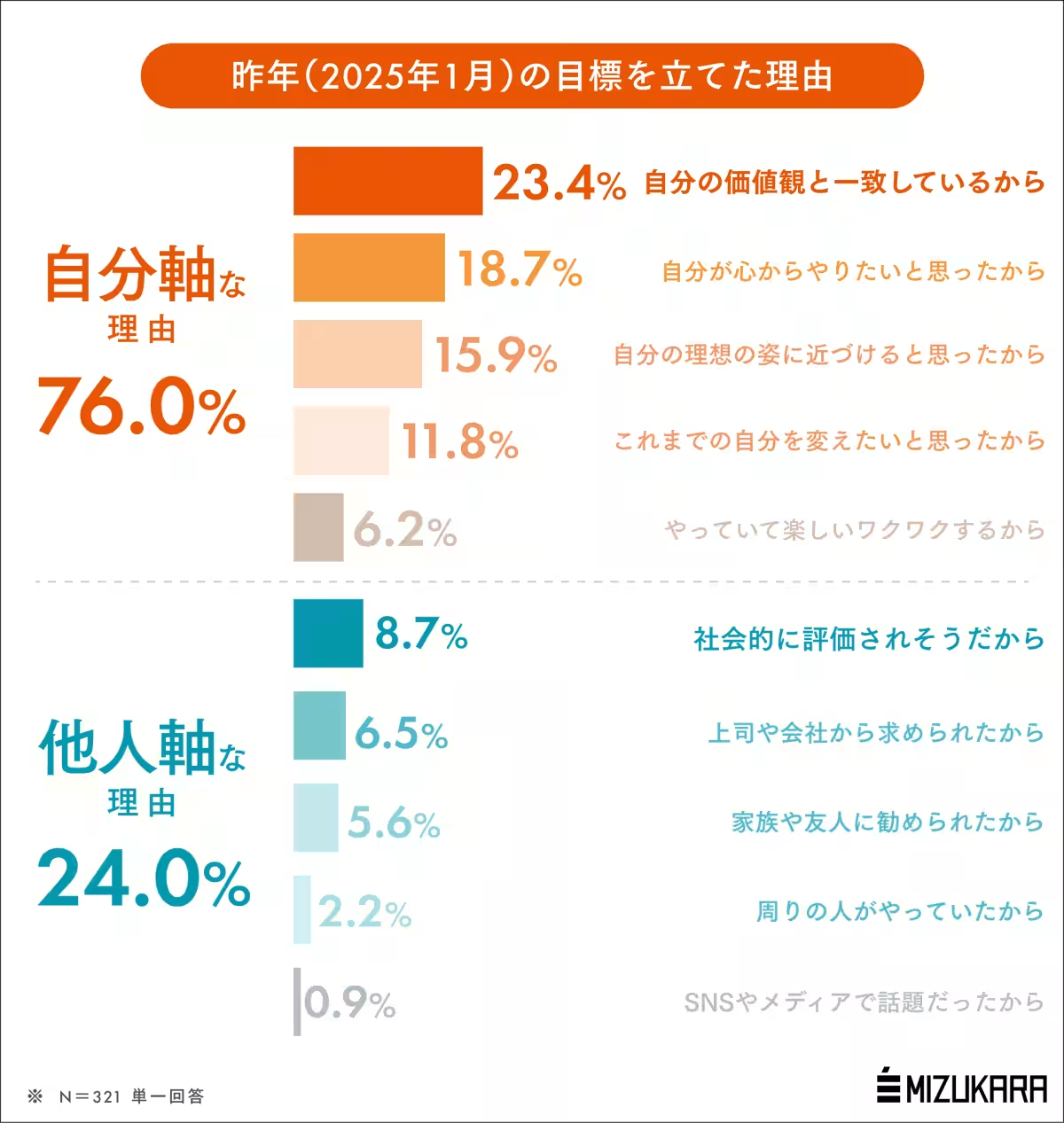
The survey results indicate that most people prefer to set their goals alone. When the method of goal setting is homogeneous, it’s no surprise that the outcomes are similarly disappointing. If you aspire to be among the mere 3% who achieve their dreams, it might be worth considering a change—like collaborating with others when establishing goals. Despite common perceptions that pressure from peers may sway Japanese individuals, the data suggests that most approach their resolutions from a personal standpoint, aligning with their own values.
Seeking Happiness Through Achievement
An intriguing correlation emerges when analyzing the relationship between resolution achievement and overall happiness. Those who surpass their resolutions exhibit markedly higher levels of happiness. If you wish to make 2026 a fulfilling year, why not start by committing to fulfilling your New Year’s resolutions fully?
Bridging Personal and Professional Goals
With an average success rate of merely 2.8% for personal resolutions, if this were the outcome for corporate objectives, we would face significant challenges in economic growth. Companies declare their targets to shareholders, and team members are held accountable for their contributions. This relationship between being seen and seeing reinforces the transition from vague “dreams” to tangible “goals.”
Similarly, personal commitments must also be voiced and duly acknowledged. Quiet resolutions tend to fade into obscurity. To avoid the slippery slope of merging professional objectives with personal aspirations, it is essential to clearly set and declare your life goals, whether to a supportive family, friends, or through professional coaching communities.
Conclusion
In summary, the dismal achievement rate of New Year’s resolutions serves as a wake-up call. Effective goal setting needs to be intentional and made visible to others. By engaging in conversations about our aspirations, we can increase our chances of success. Mizukara’s insights highlight the importance of personal development, not just in achieving resolutions but in fostering an overall sense of fulfillment and happiness. This year, let’s not allow our quiet promises to vanish—let’s make the commitment to share and achieve them together.
About Mizukara
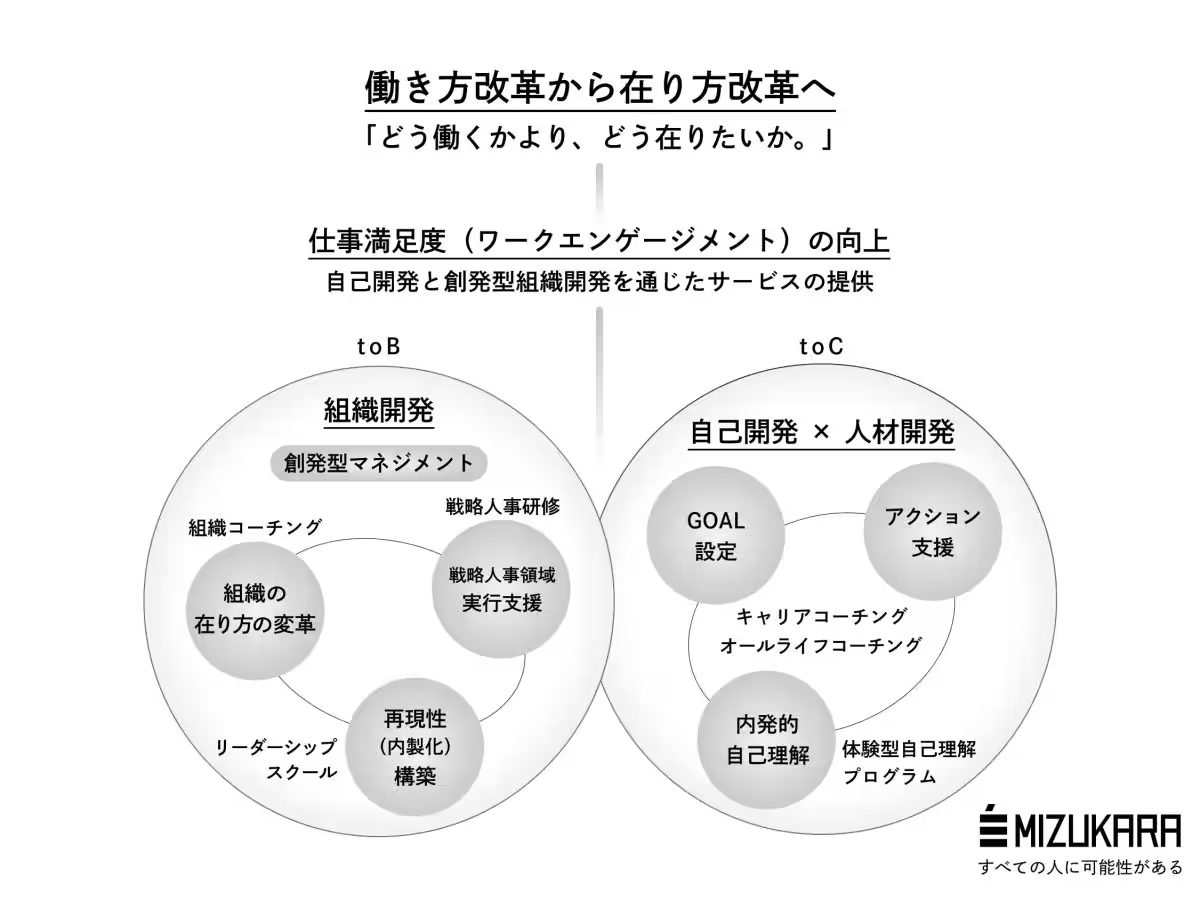
Mizukara operates under the belief that “everyone has potential.” The company offers various coaching services aimed at self-discovery and organizational development. They emphasize personal development through executive coaching, striving to enhance overall job satisfaction and experiencing life to its fullest.
For more information, visit Mizukara.
Topics People & Culture)
【About Using Articles】
You can freely use the title and article content by linking to the page where the article is posted.
※ Images cannot be used.
【About Links】
Links are free to use.