



Exploring Contemporary Calligraphy and Washi through Technology and Ethics
Bridging Tradition and Modernity: The Calligraphy and Washi Project in Hinohara
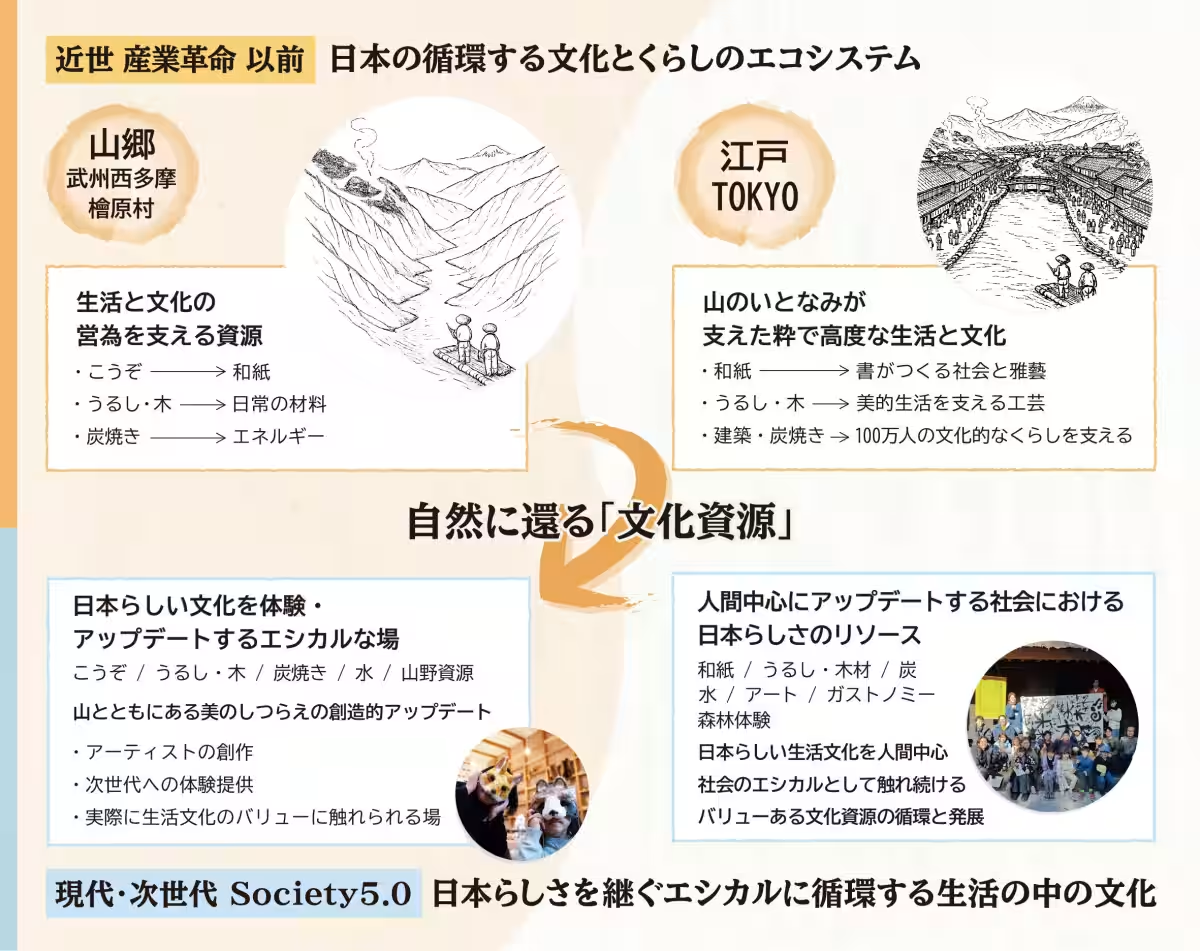
The 'Calligraphy and Washi Project in Hinohara,' organized by the Agency for Cultural Affairs, aims to merge Japan's rich traditional arts with contemporary technologies and ethical practices and to highlight their significance in today's society. This initiative showcases the enduring cultural practices of calligraphy and washi (Japanese paper), illustrating how these art forms have evolved into a sustainable value system in our super-smart society, also known as Society 5.0.
Project's Objective
Given the progressive digitization of our lives, the act of writing has diminished in frequency, leading to questioning the aesthetic and physical values that writing, especially calligraphy, has traditionally held. This project seeks to reevaluate these aspects and discover new forms of calligraphy that connect Japanese culture to the future. Inspired by the historical ecosystem connecting calligraphy, paper, and people that thrived between Edo-Tokyo and the surrounding mountains of Bushu, the project focuses on the vibrant town of Hinohara, known for its continuous cultural cycles. Creative Director Rieko Kawabe, a modern calligrapher, collaborates with local experts, artists, craftspeople, and children to revitalize the legacy of esteemed cultural figures from the past.
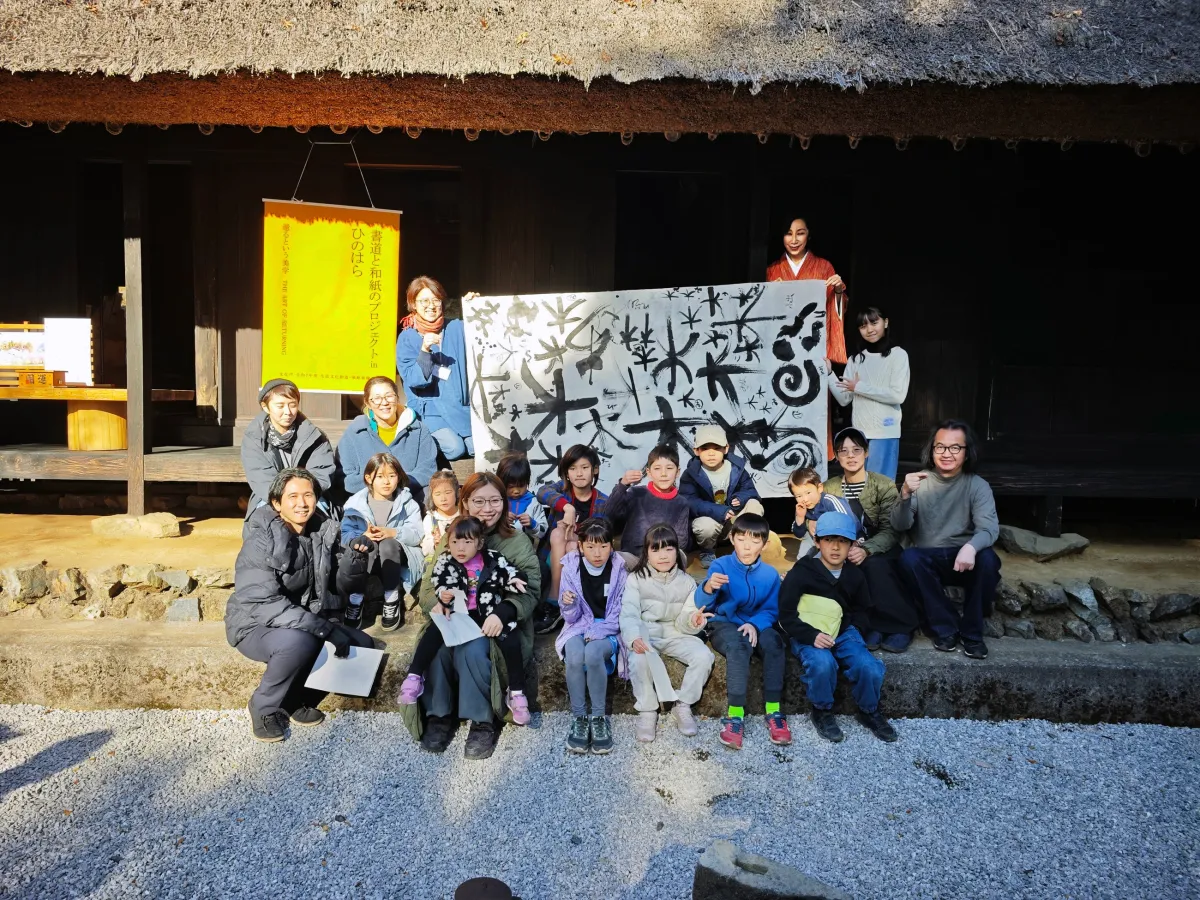
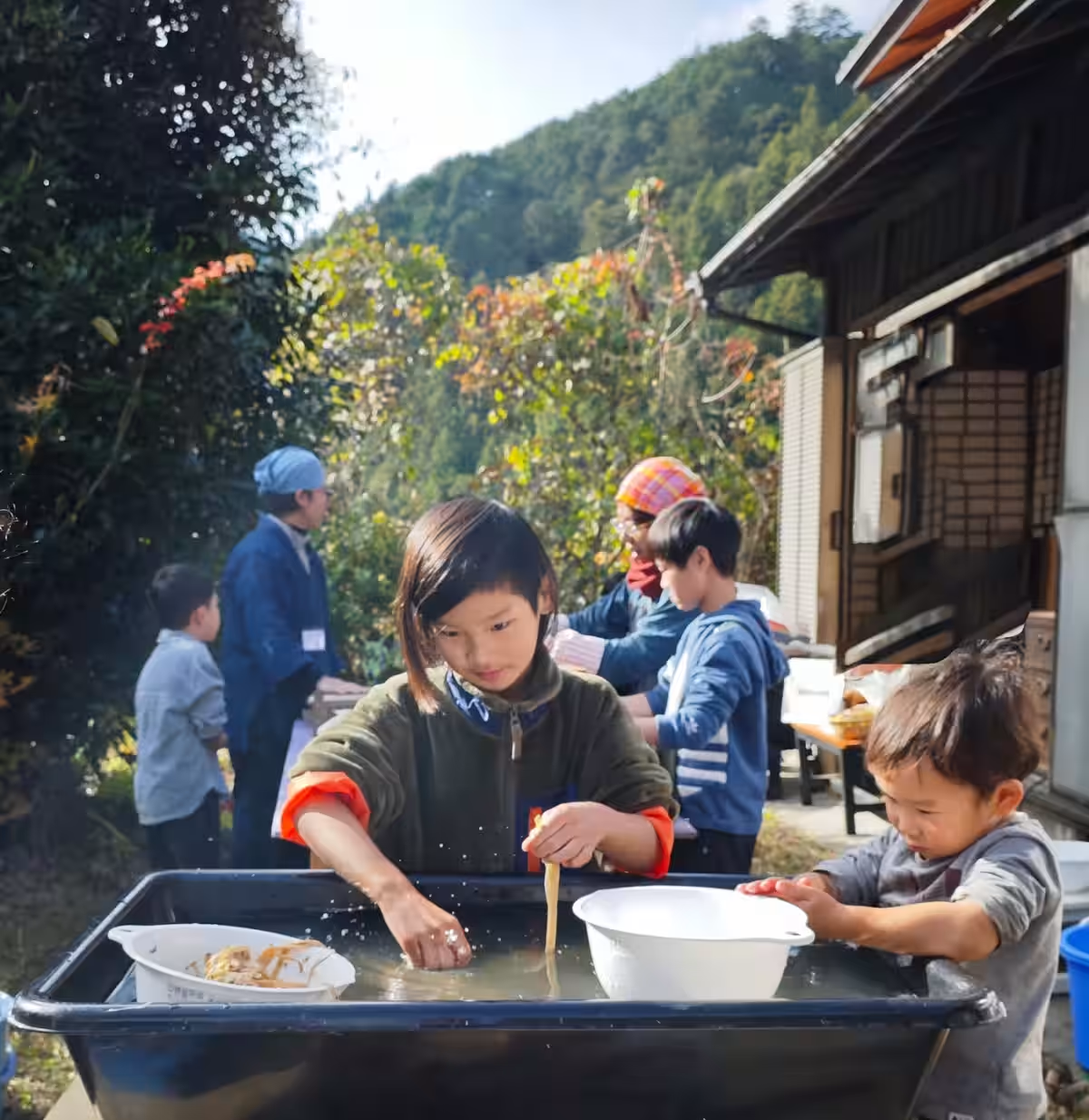
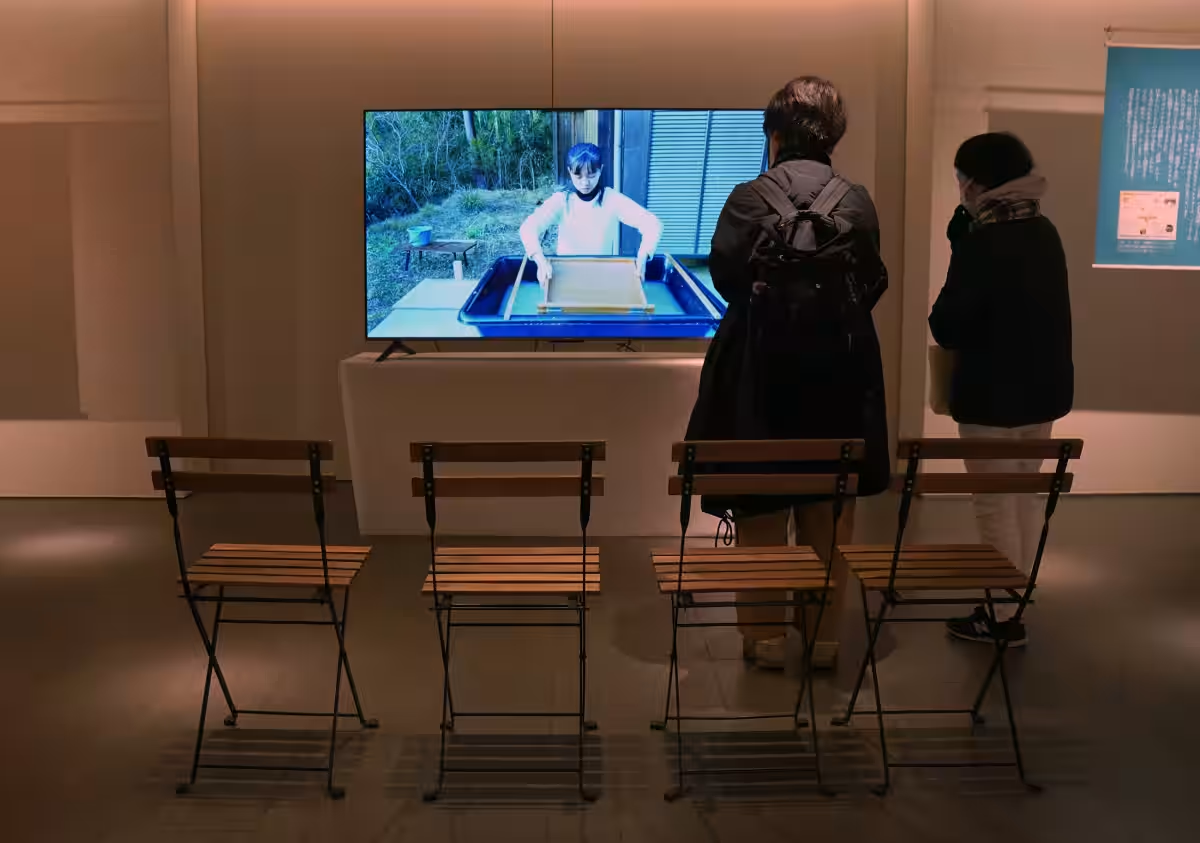
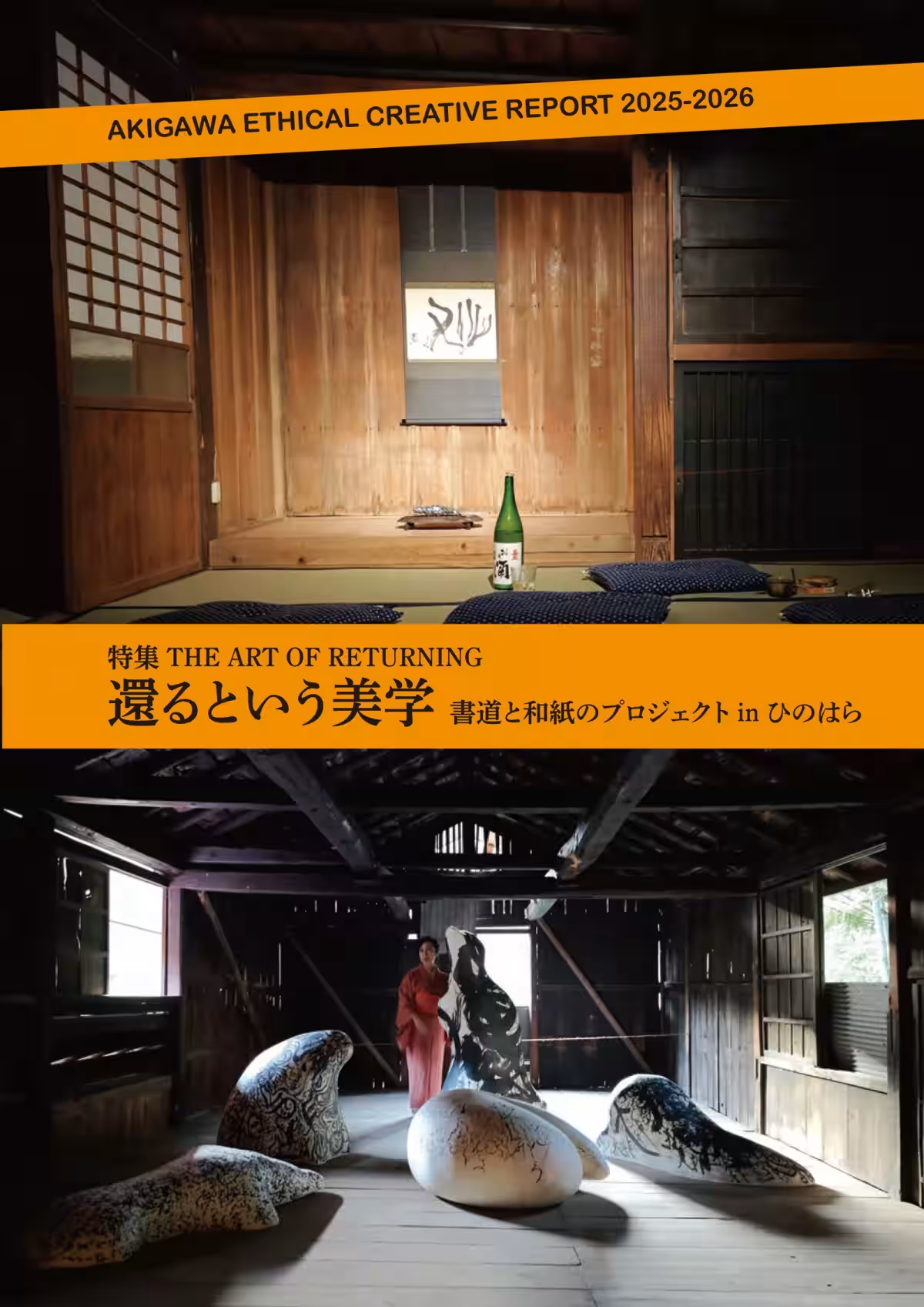
The project culminated in various educational programs and workshops at significant cultural heritage sites like the Kobayashi Residence, a national important cultural property, and an art center surrounded by lush forests. Participants engage in hands-on experiences, creating and learning about wash and calligraphy, thus making the cultural cycle of 'creating, learning, and experiencing' visible and dynamic.
Celebrating Japanese Culture in the Contemporary Art Festival
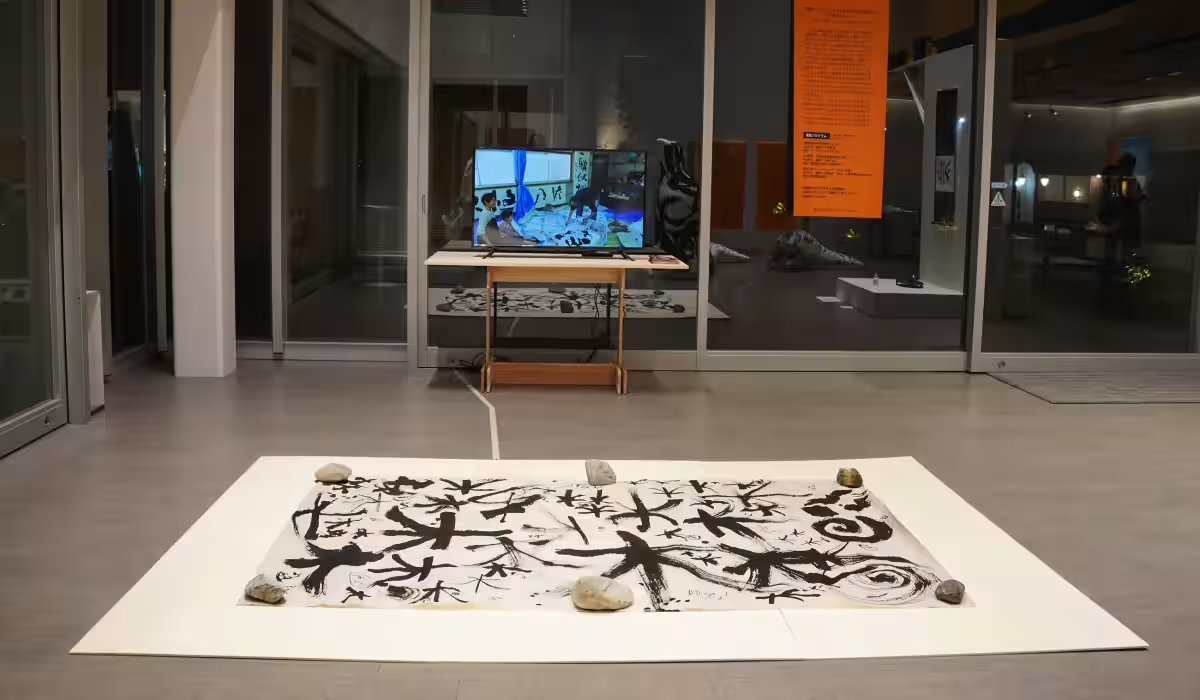
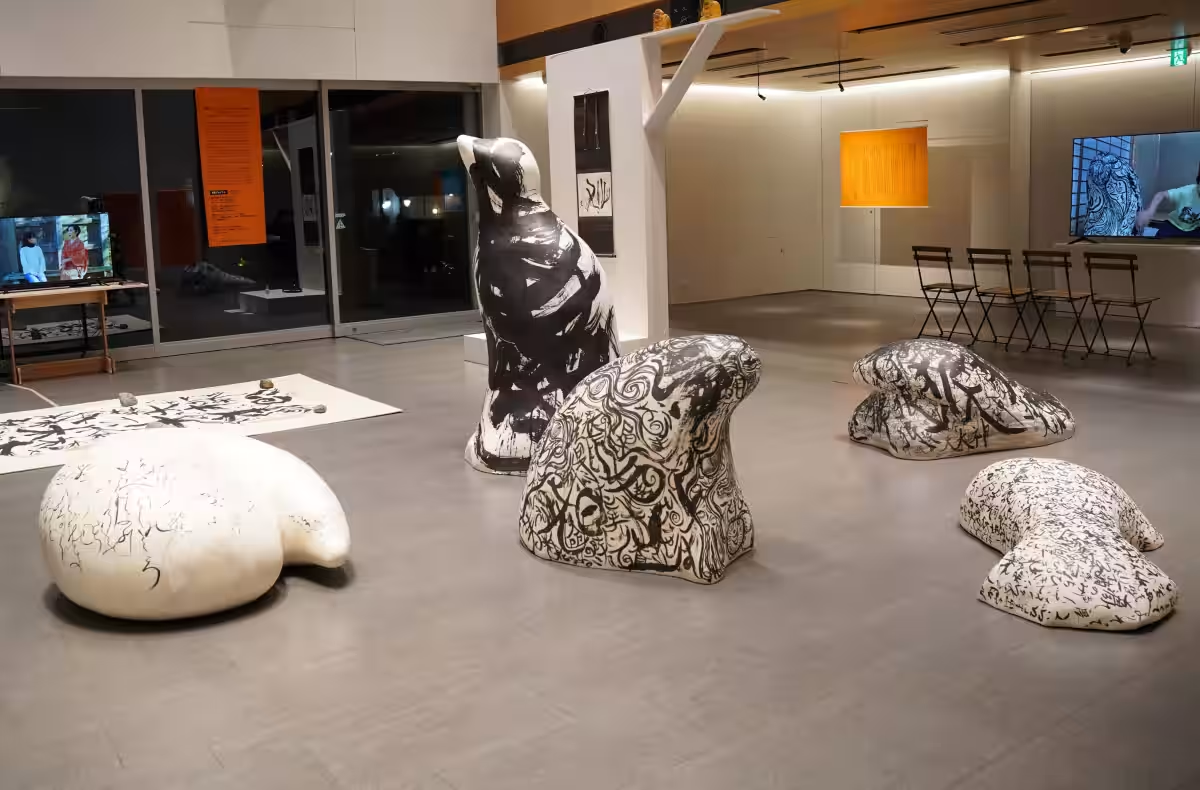
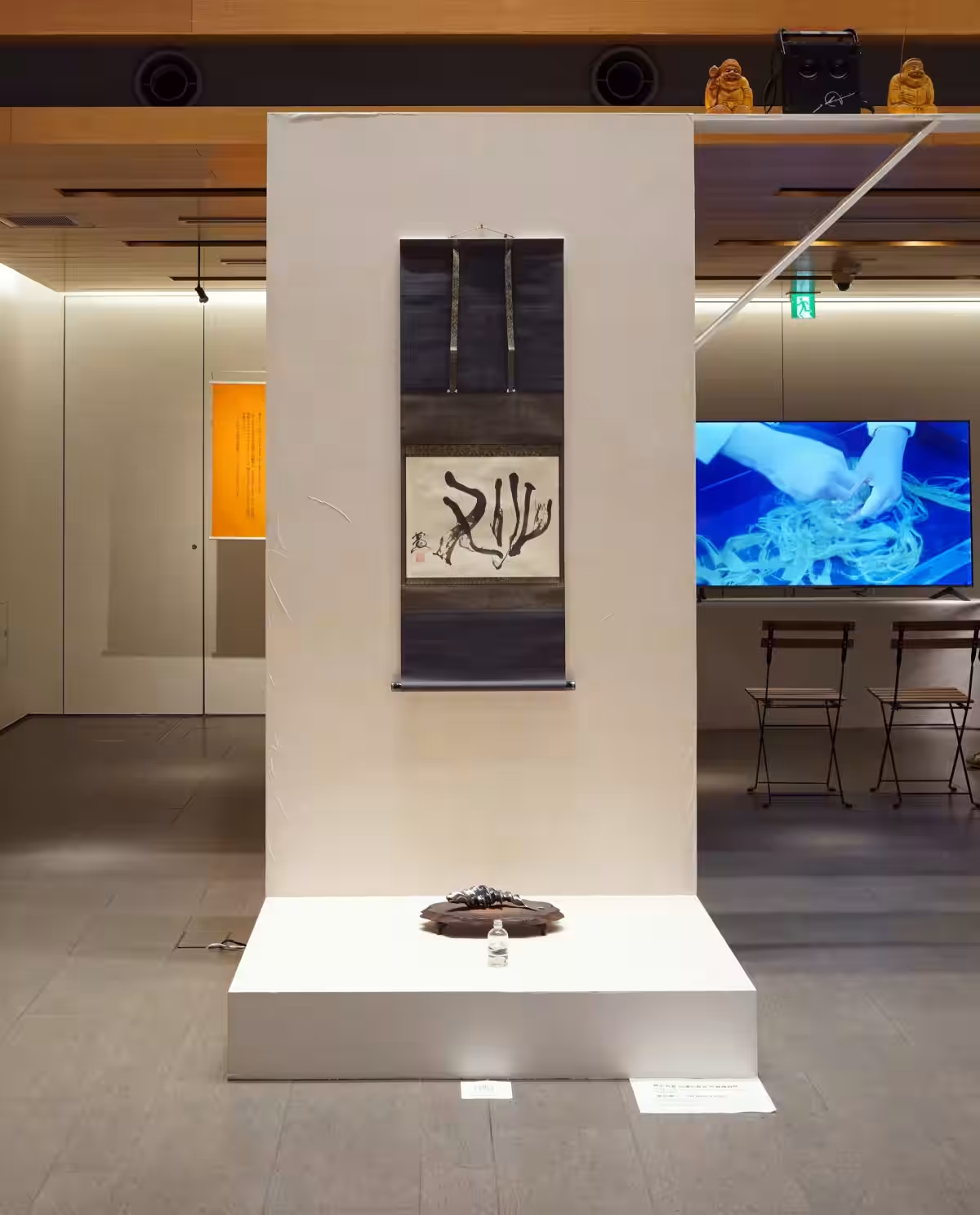
In late November to mid-December 2025, a cultural experience event focused on traditional Japanese calligraphy and washi was held in Hinohara. This event was part of a broader festival called 'Create! Akigawa Art Stream,' which reinterprets local cultural assets through a contemporary lens. Visitors immersed themselves in the exhibition that emphasized material, physicality, and spatiality of calligraphy, while also having opportunities to engage directly with the craft—from transforming raw kozo (mulberry) into washi to practicing calligraphy in various styles amidst the natural surroundings of the mountains.
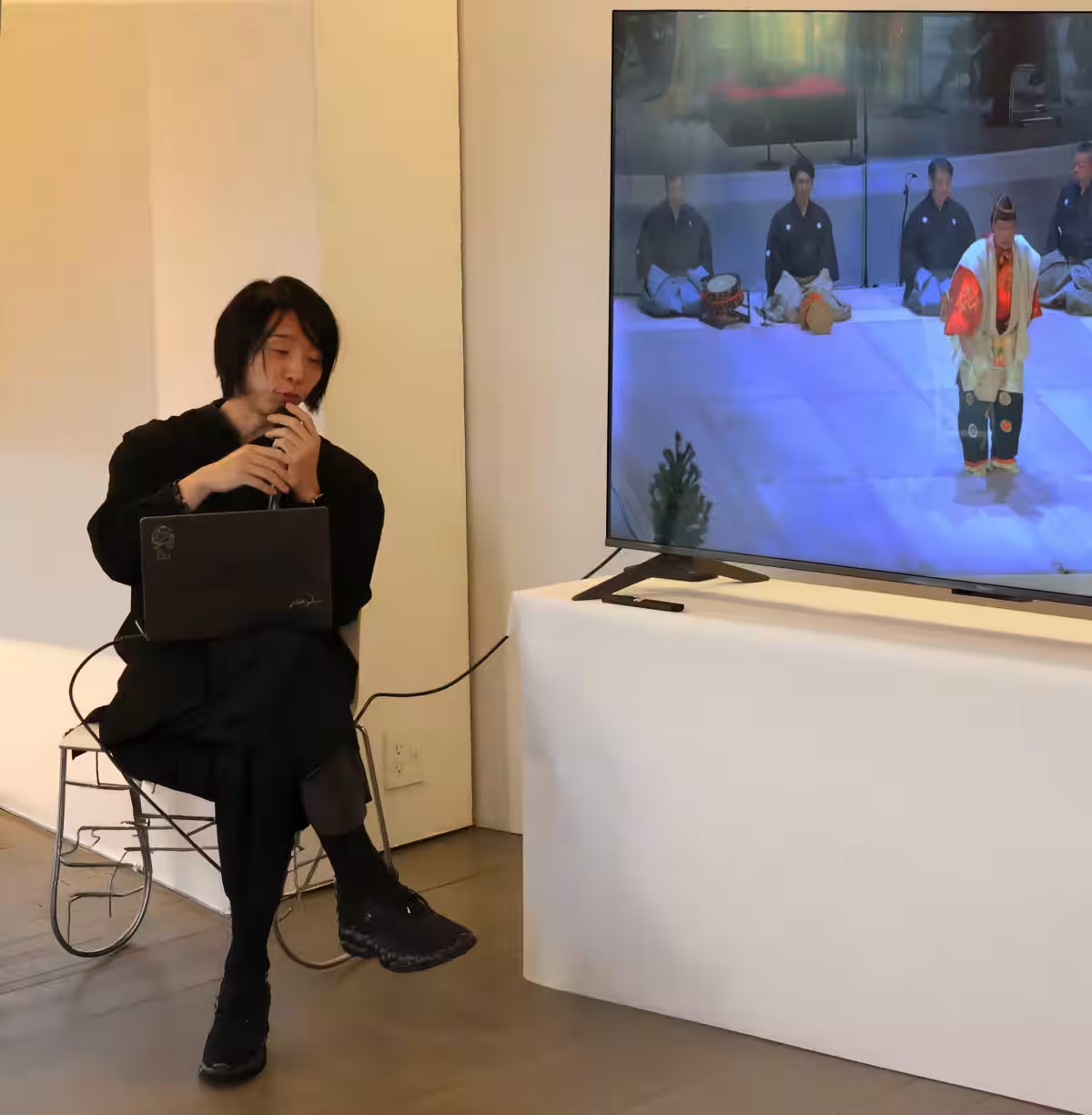
As a conduit between rural and urban environments, the project transitioned to a showcase in Daikanyama, Tokyo, on January 16, 2026. This urban-centric exhibition recontextualized Hinohara's themes, featuring a lecture by media artist Yoichi Ochiai and the project's curator, Tomohiro Okada, discussing the role of calligraphy in a digital age and the significance of cultural preservation versus innovation
Engaging the Community and Future Generations
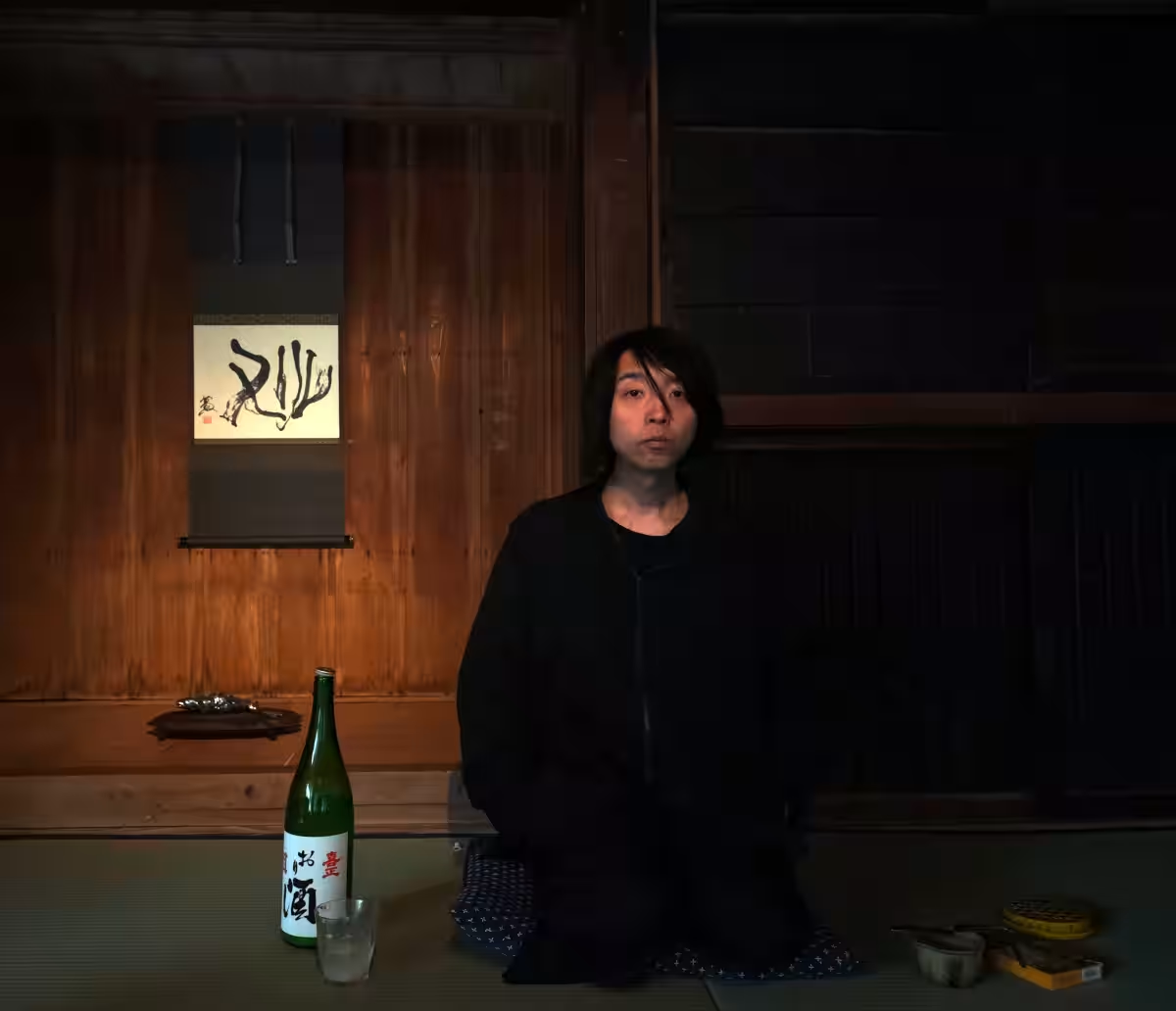
The exhibition also displayed works produced by the five contemporary calligraphers, including Ochiai's reflective installations. These artistic contributions, along with those from Kawabe's workshops, redefined calligraphy beyond mere textual representation, emphasizing its potential as a medium for cross-disciplinary expression involving space, body, and material.
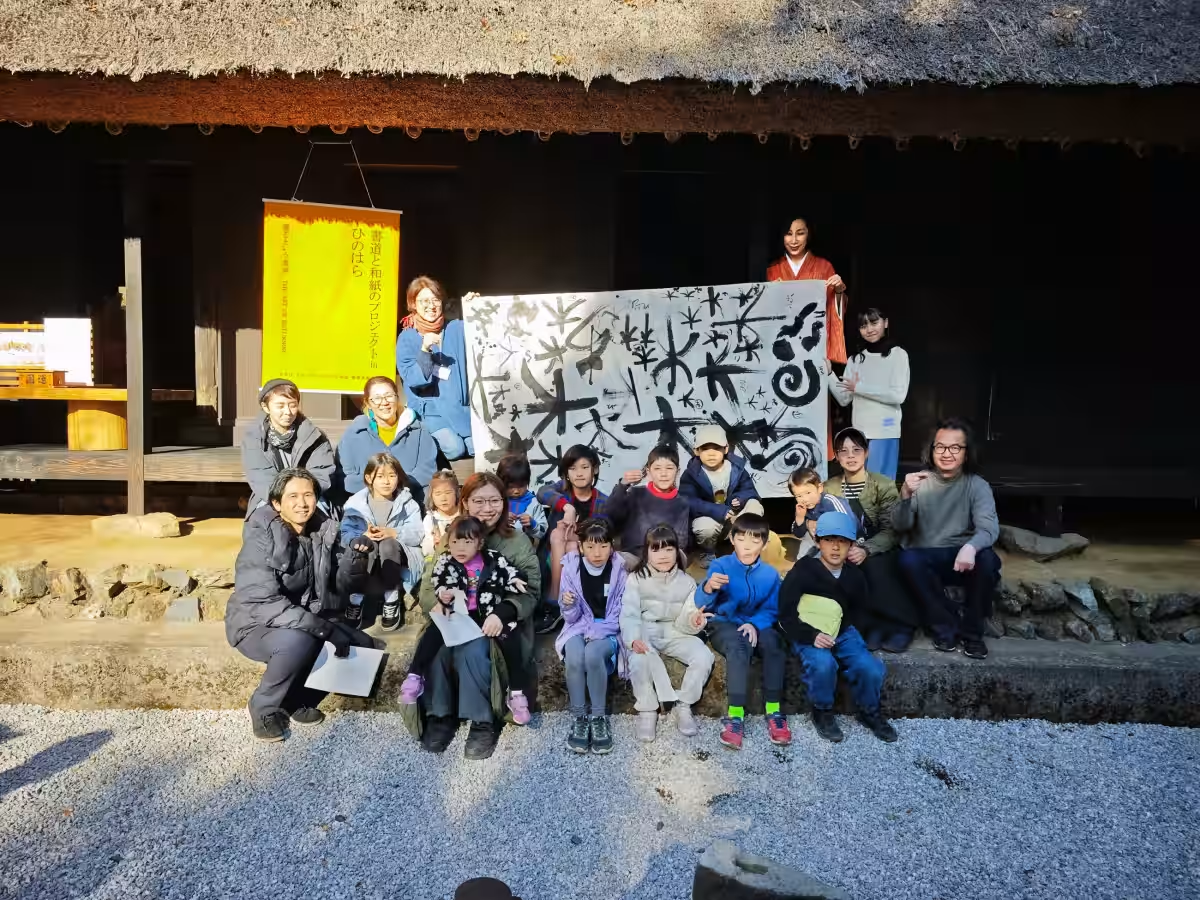
As part of the educational initiative, the 'Calligraphy School' guided local children in producing large-scale works that encapsulated traditional motifs, showcasing the beauty of collaboration across generations.
Looking Ahead
The success of the Hinohara project will pave the way for future exhibitions in Kyoto and foster broader initiatives for promoting calligraphy as a living cultural practice. By sharing this model nationally, the project aims to weave together the threads of tradition and modernity, ensuring that the cultural expression of calligraphy thrives and evolves alongside technological advancements.
The insightful feedback from attendees highlights the project's impact: from children inspired to try calligraphy, to art practitioners who found value in its contemporary interpretations. The project's ongoing developments will lead to continuous cultural exchanges driven by collaboration between local residents, artists, and experts—ensuring that traditional forms of expression like calligraphy remain relevant in today’s rapidly changing world.
To stay updated, additional resources related to the project, including an online Zine titled 'Akigawa Ethical Creative Report' that encapsulates sustainable possibilities within Japanese cultural practices, can be accessed through the project’s dedicated website.
Topics People & Culture)
【About Using Articles】
You can freely use the title and article content by linking to the page where the article is posted.
※ Images cannot be used.
【About Links】
Links are free to use.