



Over 80% of E-commerce Managers Focus on AI Strategies for the Future of Shopping
E-commerce and AI Strategies: Preparing for the Future of Shopping
In a world rapidly changing due to advancements in technology, artificial intelligence (AI) has become a focal point for many industries, particularly in e-commerce. A recent survey conducted by PLAN-B Marketing Partners, based in Shinagawa, Tokyo, revealed that over 80% of e-commerce managers across Japan are already taking steps to adapt their businesses to the AI-driven shopping experience. This article delves into the key findings of the survey, highlighting the ways e-commerce professionals are gearing up for an era where AI will play an increasingly crucial role in consumer purchasing behavior.
Survey Highlights
The study surveyed 179 e-commerce professionals nationwide to assess the progress and effectiveness of AI-related strategies. Key findings include:
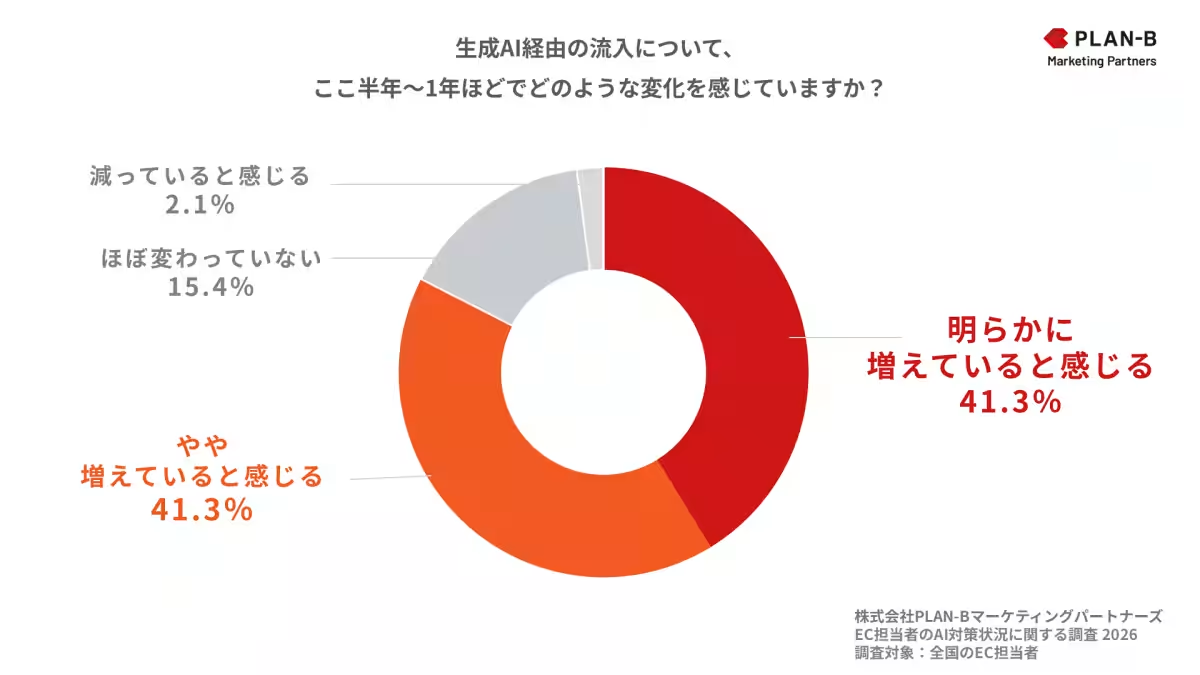
- - An impressive 82.6% reported an increase in traffic to their websites from AI over the last six months to a year.
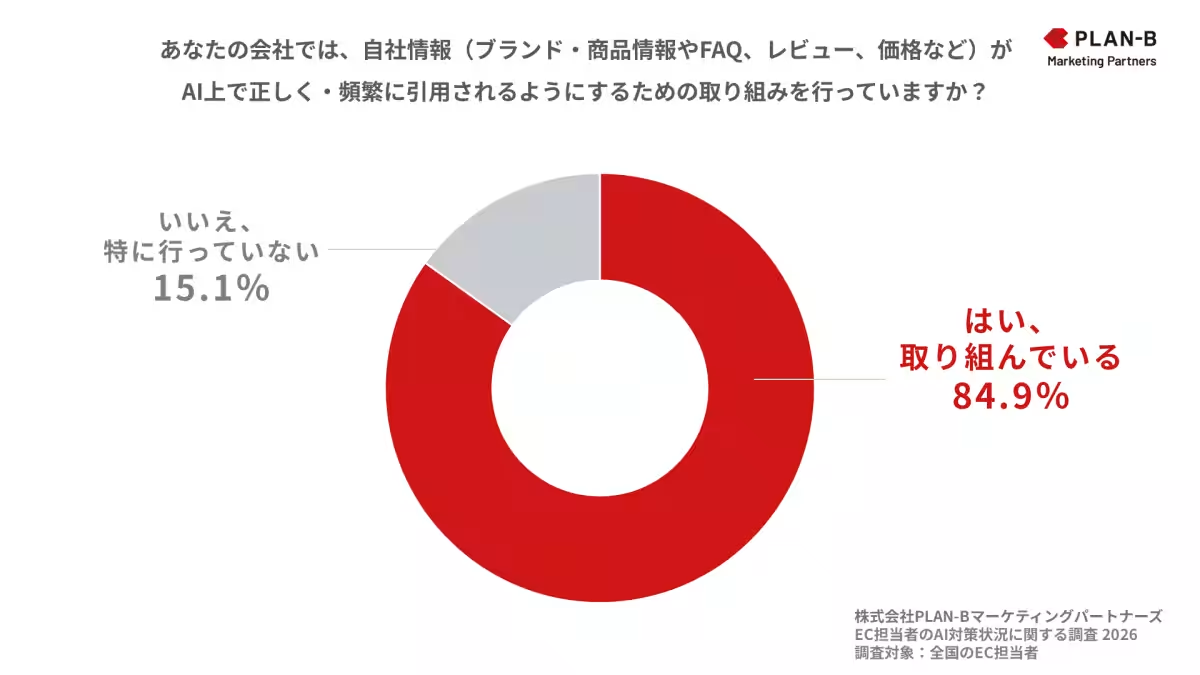
- - A significant 84.9% have implemented measures to ensure their brand and product information is accurately and frequently mentioned by AI platforms.
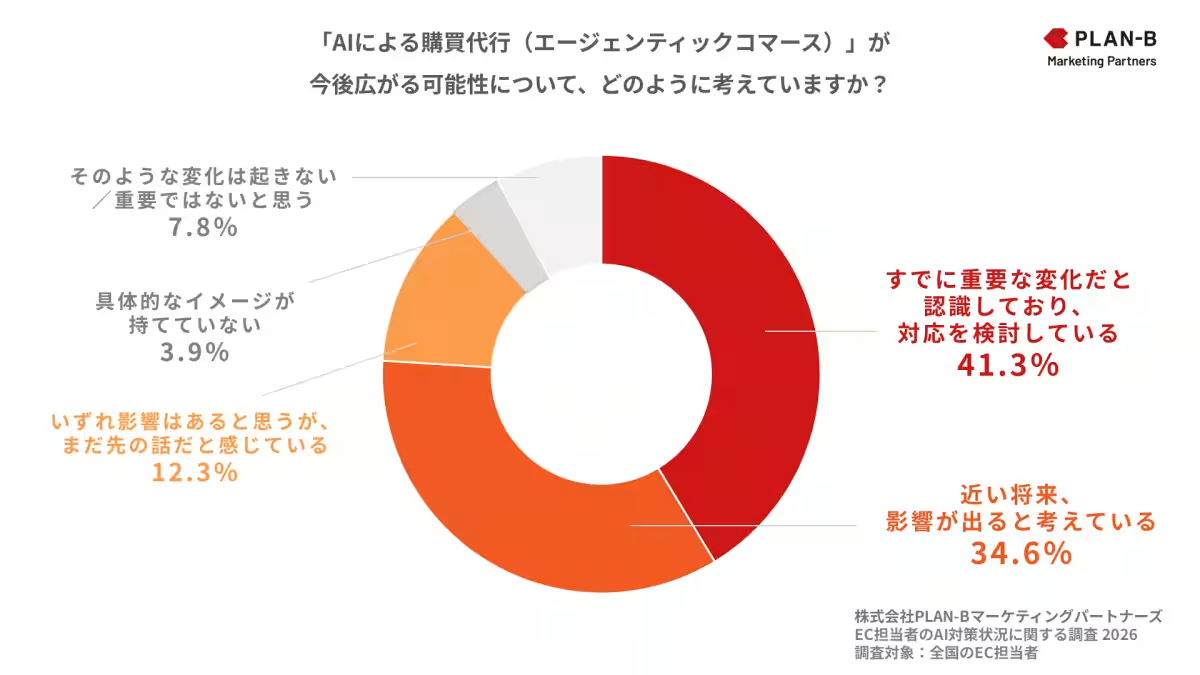
- - Approximately 80% anticipate future impacts from AI's role as a purchasing agent, showcasing a growing recognition of its importance.
Changing Consumer Behavior
As generative AI becomes commonplace, it profoundly alters consumer purchasing behavior. E-commerce businesses have started focusing not only on traditional search engine strategies but also on how to leverage AI as a new channel for attracting customers. Increasingly, businesses recognize that when users consult AI for product recommendations, being featured as a recommended product is becoming a critical starting point for sales.
AI in E-commerce: Three Key Phases
To better understand how e-commerce managers are addressing the rise of AI, the survey categorized their efforts into three key phases:
Phase 1: Monitoring AI-Driven Traffic
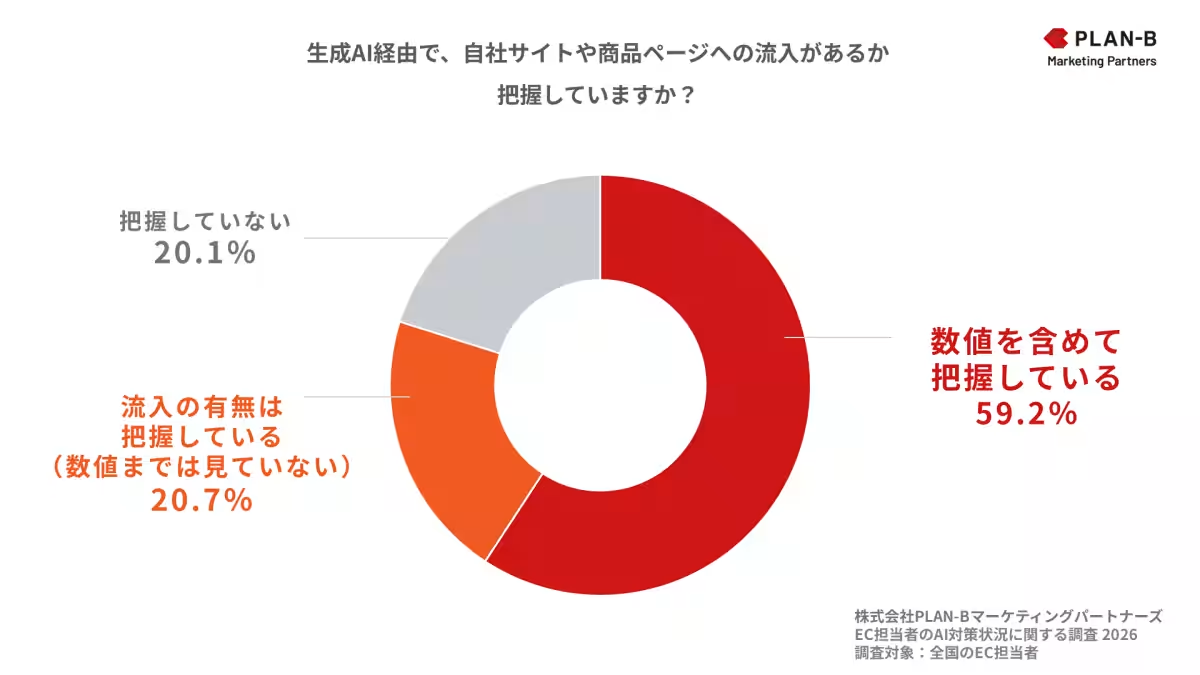
Almost 80% of e-commerce managers are actively tracking traffic from AI sources. Among them, 59.2% reported they keep comprehensive data, while 20.7% track the existence of AI traffic without precise metrics. This awareness of AI-driven engagement represents a crucial step for strategic planning in the e-commerce sector.
Phase 2: Designing Information for AI
Next, focusing on how to ensure their offerings are frequently and accurately represented by AI, 84.9% of respondents reported they are implementing strategies for effective information management. This highlights a consistent awareness that optimizing their presence on AI platforms is now essential for capturing consumer interest.
Phase 3: Preparing for AI as a Purchasing Agent
Looking toward the future, 75.9% of e-commerce professionals anticipate significant impacts from AI-driven shopping protocols, which are emerging technologies that facilitate AI-assisted purchasing decisions. With 41.3% believing these changes are already critical and 34.6% expecting future influences, it becomes clear that many are preparing for a transformation in how transactions may unfold.
Specific Strategies in Play
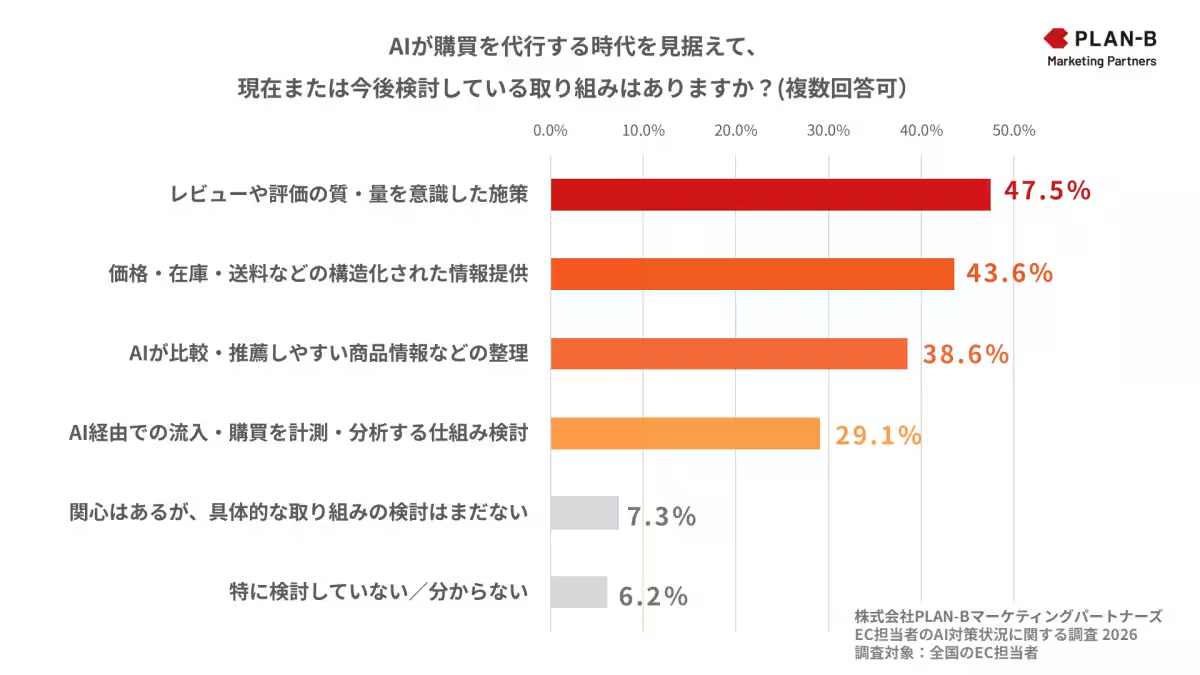
The survey illuminated specific strategies companies plan or are currently undertaking for an AI-fueled sales future:
- - Strengthening reviews and ratings (47.5%)
- - Structuring accurate information regarding pricing, availability, and shipping (43.6%)
- - Organizing product information to enhance AI recommendations (38.6%)
- - Establishing systems to measure AI-driven traffic and purchases (29.1%)
Concluding Thoughts
The findings from this survey reveal that AI is no longer a distant technological innovation but a crucial component of e-commerce strategy. The data demonstrates that a majority of e-commerce managers have acknowledged and are responding to the influence of AI on shopping behaviors. Beyond merely tracking site traffic, the competitive landscape now requires businesses to consider how they are positioned within AI recommendations.
Looking forward, as the line blurs between traditional product promotion and AI-driven purchasing facilitation, companies will need to rethink their approaches to information architecture and optimization. As even more consumers turn to AI for their shopping decisions, companies that effectively harness the insights AI provides and adapt their strategies accordingly will undoubtedly retain a competitive edge in this new digital marketplace.
The survey's implications serve as a vital reminder for e-commerce professionals: adapting to technological advancements is no longer optional; it is essential for sustained relevance and success in the marketplace.
- ---



Topics Consumer Products & Retail)
【About Using Articles】
You can freely use the title and article content by linking to the page where the article is posted.
※ Images cannot be used.
【About Links】
Links are free to use.