



Exploring Mental Health Solutions for Children amid the Challenge of September 1st Problem
Understanding the Mental Health of Children: A Focus on the September 1st Problem
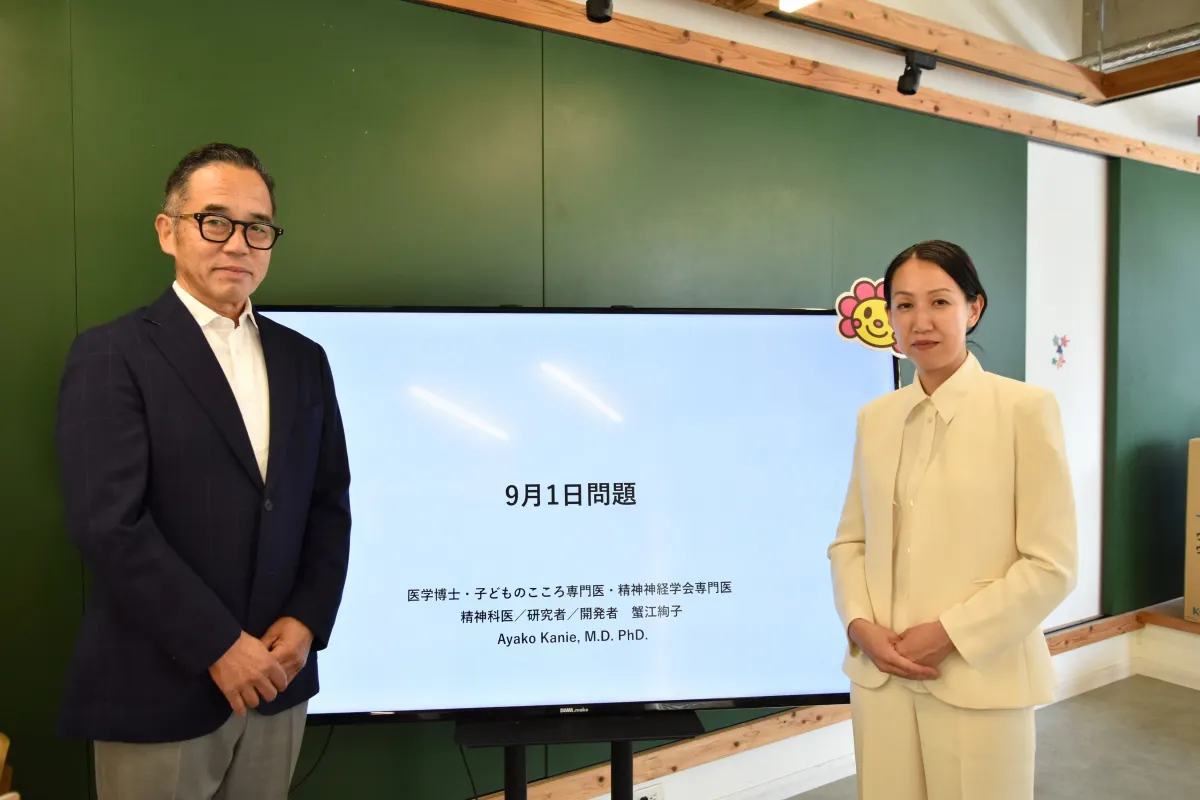
On August 21, 2025, Hanamaru Group, renowned for its educational initiatives including outdoor learning experiences, hosted a significant press briefing. The event featured high-profile speakers, including Masanobu Takahama, the representative of Hanamaru Group, and Ayako Kanie, a child psychiatry specialist. They engaged in discussions regarding the critical state of children's mental health, particularly in light of the alarming trend surrounding the so-called September 1st Problem.
Background of the Issue
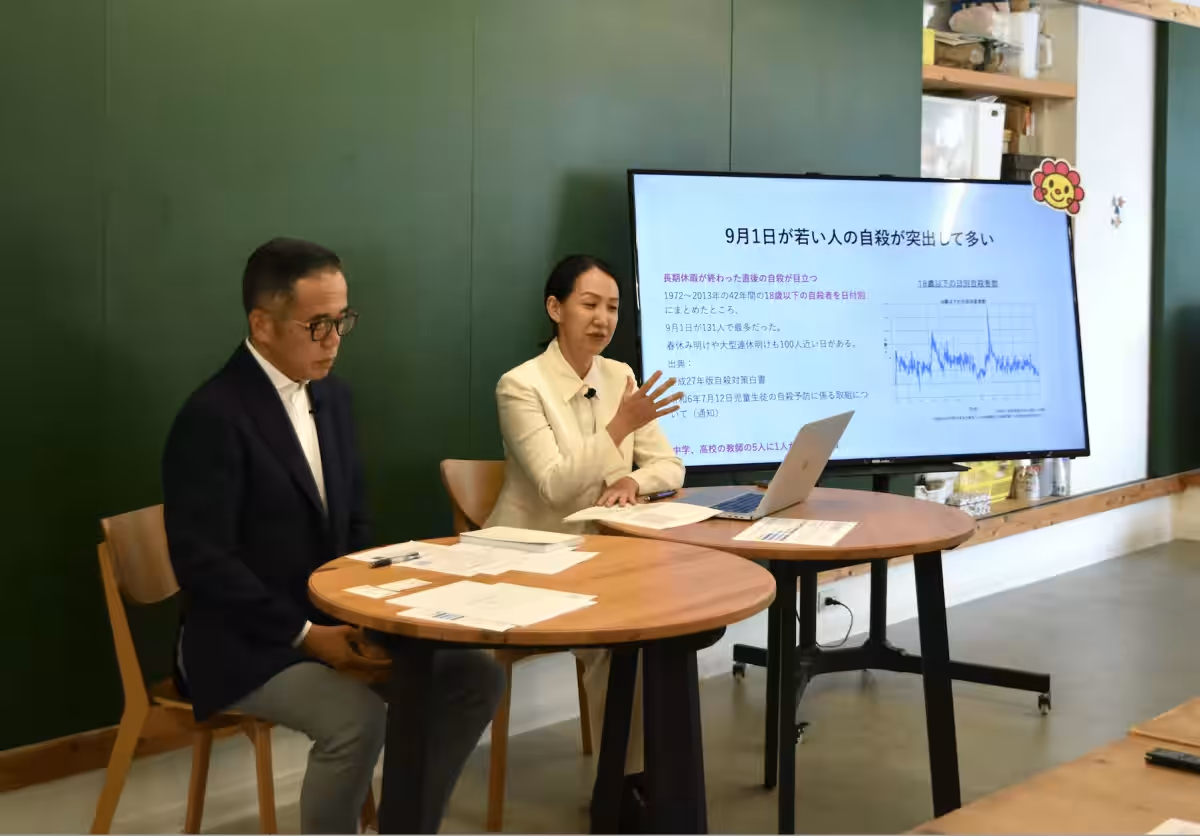
September 1st has been identified as a particularly grim day for child suicide rates, coinciding with the end of summer vacation and the return to school. This period often triggers increased anxiety among students, leading to a rise in both suicidal thoughts and school avoidance. In the 2023 academic year alone, the number of school absenteeism cases soared to over 340,000, marking a 15% jump from the previous year. This escalating situation necessitates urgent intervention and support.
The pressing nature of these issues was the focus of the meeting. The experts discussed the mental state of children around the September 1st Problem and shared strategies for parents and students navigating the academic landscape post-summer break.
Highlights from the Event
The Pressure of Returning to School
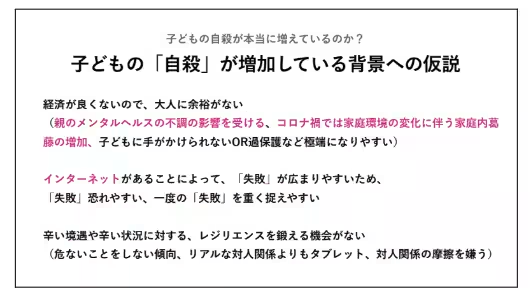
One of the leading topics was the psychological pressure students face when returning to school, particularly on September 1st. Dr. Kanie outlined a worrying trend where the highest rates of student suicides have been recorded right after long breaks, such as summer and spring vacations. Various factors contribute to this spike, including disrupted daily routines during vacation, issues within family and school environments, and social pressures.
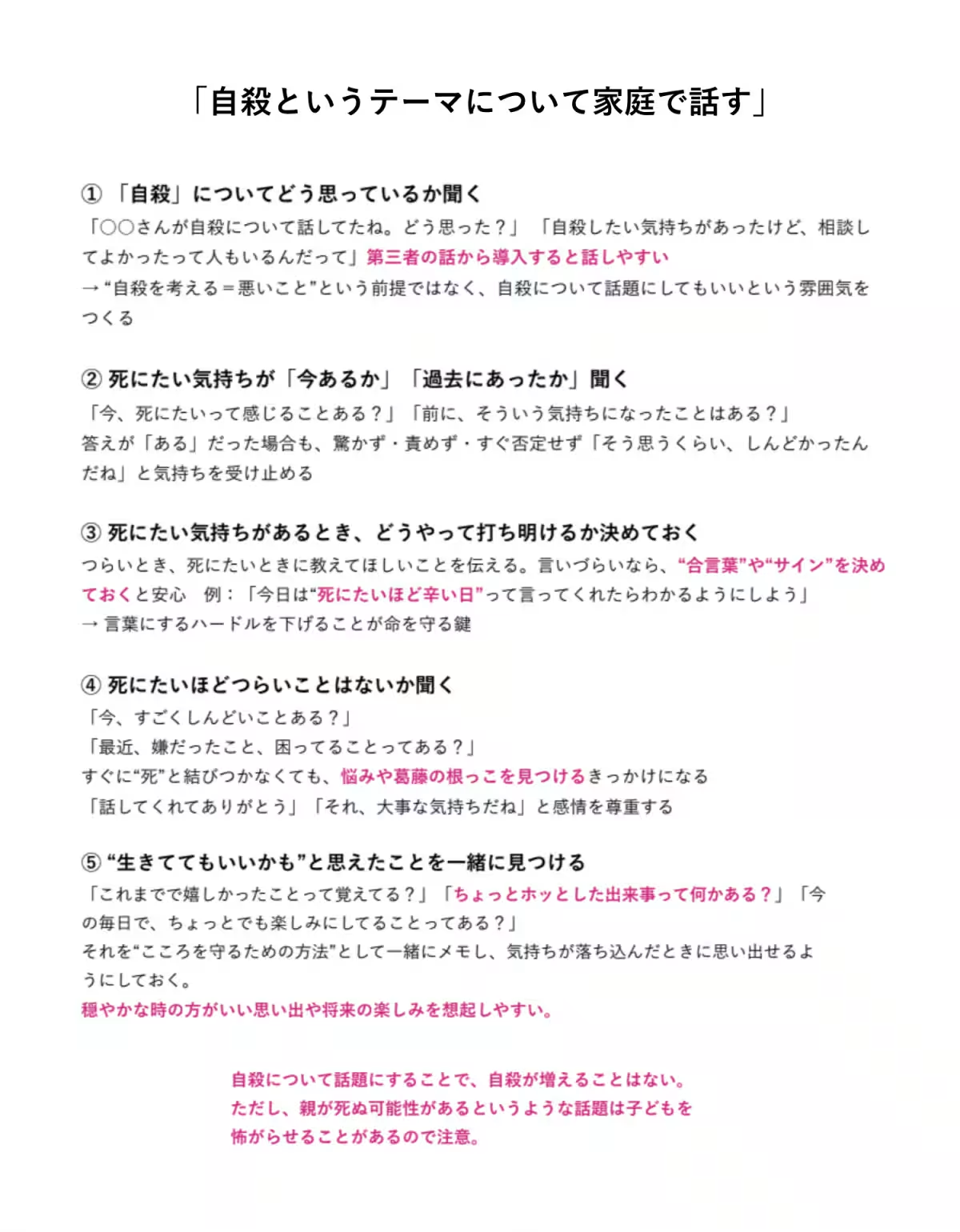
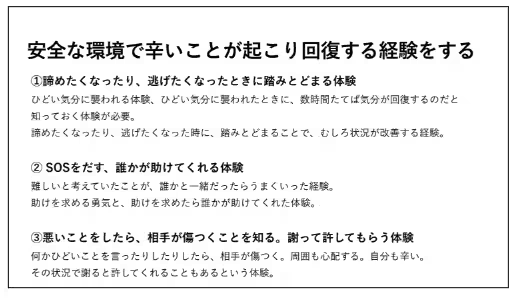
To mitigate these dangers, the discussion emphasized the importance of addressing mental health openly in families. Dr. Kanie suggested practical steps for parents:
- - Have ongoing conversations about life and death, gradually creating a comfortable environment to discuss difficult topics.
- - Regularly check in on children’s emotional states, validating their feelings without immediate judgment.
- - Establish safe words that children can use to signal distress, thus ensuring timely support.
- - Cultivate a list of positive experiences and safe spaces that children can refer to during tough times.
- - Encourage connections with other trusted adults outside the family to strengthen their support system.
Dr. Kanie also underscored the shrinking opportunities for children to experience failure and the resilience-building that comes from learning to overcome setbacks. As parents seek to protect their children from difficulties, they may inadvertently inhibit crucial development opportunities.
The Impact of Parental Mental Health
High-profile speaker Takahama reinforced this perspective, emphasizing that parental mental health issues could significantly amplify children’s anxiety. He discussed the challenges of parental isolation, as well as the impact of couple dynamics on children's well-being. He addressed the growing trend of parenting that relies heavily on technology, warning against using devices to quell children's natural exuberance.
He outlined measures to address parental isolation, such as building supportive communities for parents and encouraging open communication about mental health within families. He also highlighted the importance of organized 'digital detox' experiences to foster genuine connections and interactions.
Strategies for Effective Test Preparation
The second half of the event focused on effective study methods for students. Takahama discussed the importance of recognizing the study process as equally vital as the outcomes. He articulated that education should not solely revolve around grades but also appreciate efforts and strategies employed during the learning process.
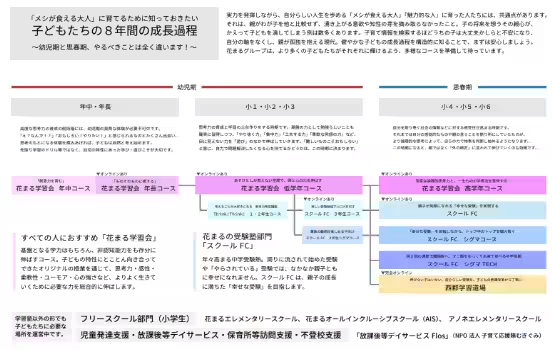
The Hanamaru Group offers a range of educational programs tailored to individual needs, from traditional in-person classes to fully online solutions. They underline the necessity for parents to clearly understand their educational philosophies and ensure that their children grow into well-rounded individuals.
Emphasizing Collaborative Support
During the closing segments, both speakers echoed the importance of collaboration among family, community, and educational institutions. They expressed optimism about future initiatives aimed at alleviating teacher burdens while enhancing student safety and well-being through sustainable partnerships.
Conclusion
The pressing issues surrounding the September 1st Problem highlight the urgent need to address the mental health of children in educational settings. Through the insightful discussions facilitated by experts from Hanamaru Group, it is evident that proactive measures and open communication are imperative for nurturing healthier environments for children as they transition back to school. The collective responsibility of parents, educators, and communities is critical in paving the way for resilient, well-adjusted generations to come.
Profiles of the Speakers
- - Masanobu Takahama: Founder of Hanamaru Learning Group, an educator with over three decades of experience in guiding students and parents alike.
- - Ayako Kanie: A certified child psychiatrist deeply involved in shaping mental health initiatives for children in education, signifying a commitment to fostering mental well-being throughout developmental stages.



Topics People & Culture)
【About Using Articles】
You can freely use the title and article content by linking to the page where the article is posted.
※ Images cannot be used.
【About Links】
Links are free to use.