



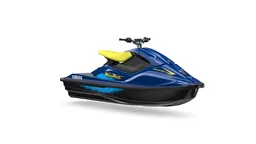
Yamaha Incorporates Cellenpia®PLAS for Wave Blaster's Exterior Parts
Cellenpia®PLAS: A Sustainable Innovation in Watercraft Manufacturing
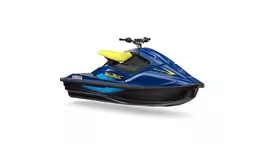
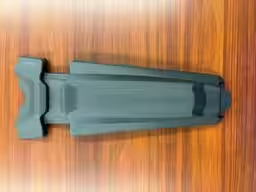
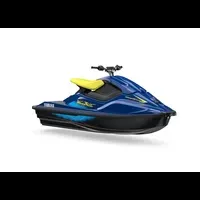
In an exciting development within the marine industry, Cellenpia®PLAS, a cellulose nanofiber (CNF) reinforced resin produced by Nippon Paper Industries Co., has been selected by Yamaha Motor Co. for use in the exterior parts of the new Wave Blaster jet skis. This marks a significant milestone as it is the first instance of a CNF-based material being utilized for mass-produced external parts in watercraft.
As environmentally friendly materials take center stage in production, Cellenpia®PLAS stands out not only for its high strength but also its water resistance, making it ideally suited for outdoor applications where durability is crucial. This innovation will be showcased at the 2026 Shizuoka International Exhibition of Cellulose Circular Economy, set for October 22-23 at Fujisan Messe in Shizuoka Prefecture.
Collaboration with Yamaha Motor
Nippon Paper has been collaborating with Yamaha to integrate this advanced material into their products, having previously introduced Cellenpia®PLAS in the engine covers of the company's watercraft in 2023. This collaboration is a pivotal step towards expanding the application of CNF reinforced materials in the mobility sector.
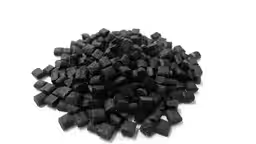
Cellenpia®PLAS is manufactured using a unique process that mixes cellulose fibers derived from biomass with thermoplastic resins like polypropylene (PP) and nylon 6 (PA6). This process combines innovative techniques from Kyoto University's Research Institute for Sustainable Humanosphere and KyoTech, leveraging a method known as the ‘Kyoto Process’—a breakthrough in CNF manufacturing.
Commitment to Sustainability
The use of Cellenpia®PLAS contributes to significant reductions in plastic usage and greenhouse gas emissions, addressing some of the critical challenges posed by climate change. The material’s excellent recyclability aligns with global sustainability goals, establishing Nippon Paper as a leader in green technology within the manufacturing sector.
The expansion of the manufacturing capabilities tailored for Cellenpia®PLAS is evidenced by the establishment of a demonstration facility at the Fuji factory, capable of producing over 50 tons of CNF reinforced resin annually. This is part of a broader initiative supported by the New Energy and Industrial Technology Development Organization (NEDO) focused on the rapid implementation of cellulose materials in various applications, including automotive parts from 2025 onward.
With ISO9001 certification in place for the design, development, and manufacturing of CNF reinforced resins, Nippon Paper is committed to ensuring the highest quality management standards are met in their production processes.
Future Directions
Looking ahead, Nippon Paper Industries aims to further refine and enhance production techniques while pursuing cost reductions. Beyond marine applications, there are plans to expand uses into a wider range of transport equipment components including motorcycles and cars.
The innovative journey of Cellenpia®PLAS demonstrates a thriving intersection of technology and environmental stewardship, paving the way for a greener future in the transportation industry. It showcases how forward-thinking collaboration between companies can lead to groundbreaking solutions that benefit both the economy and the planet.
In conclusion, Yamaha's adoption of Cellenpia®PLAS for their 2027 Wave Blaster model sets an industry precedent, and as more companies consider sustainable alternatives, the future of product design in all sectors looks promising.
Topics Consumer Products & Retail)





【About Using Articles】
You can freely use the title and article content by linking to the page where the article is posted.
※ Images cannot be used.
【About Links】
Links are free to use.