



Exploring AI's Impact on Job Hunting Among Generation Z Graduates
Survey Overview
A recent study conducted by BaseMe, a company based in Shibuya, Tokyo, reveals insights into how Generation Z students perceive the influence of artificial intelligence (AI) on their career choices. The survey involved 300 university and graduate students preparing for their job search.
Key Findings
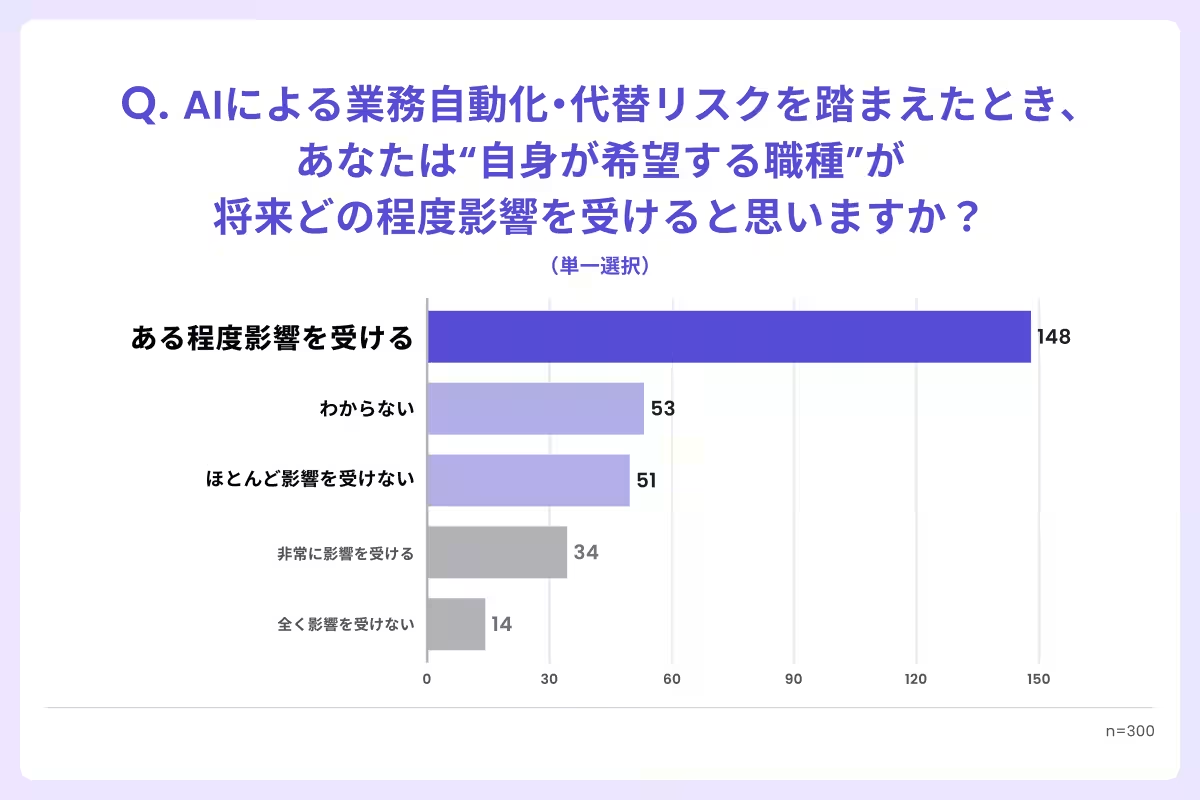
- - Recognition of AI's Influence: Approximately 60% of the respondents believe that AI will significantly impact their desired job roles. More specifically, 34 participants felt AI would have a considerable influence, while 182 acknowledged some level of impact.
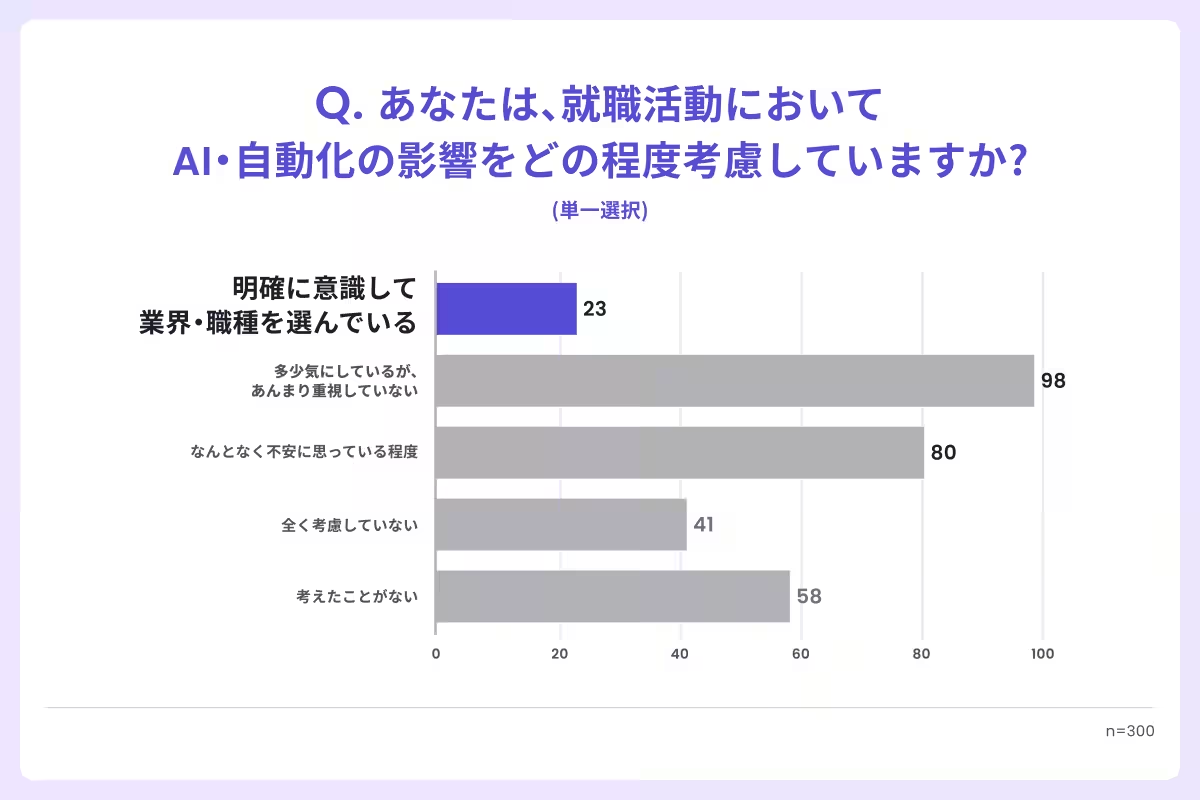
- - Consideration in Job Search: Despite this recognition, only 7% of students actively consider AI's implications during their job searches. The survey highlighted that 32% are somewhat aware of AI's impact but do not prioritize it, while 26% expressed general anxiety about AI without specific action.
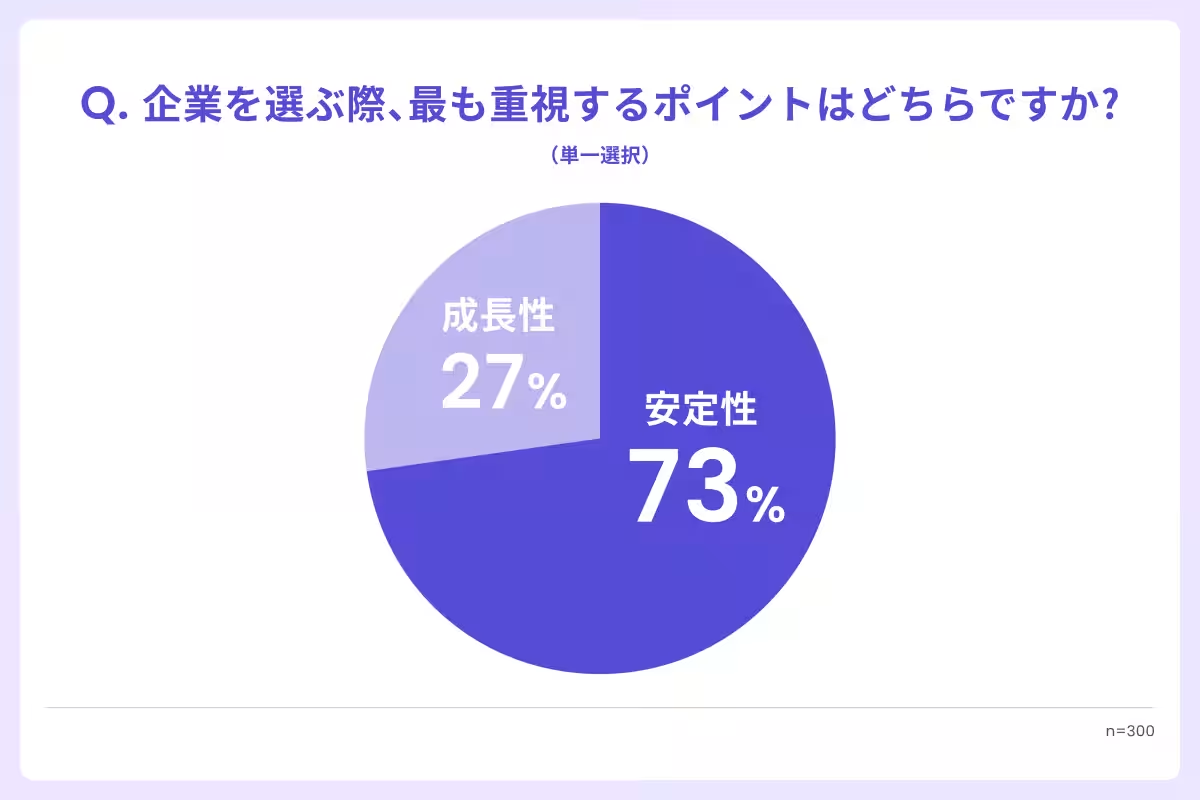
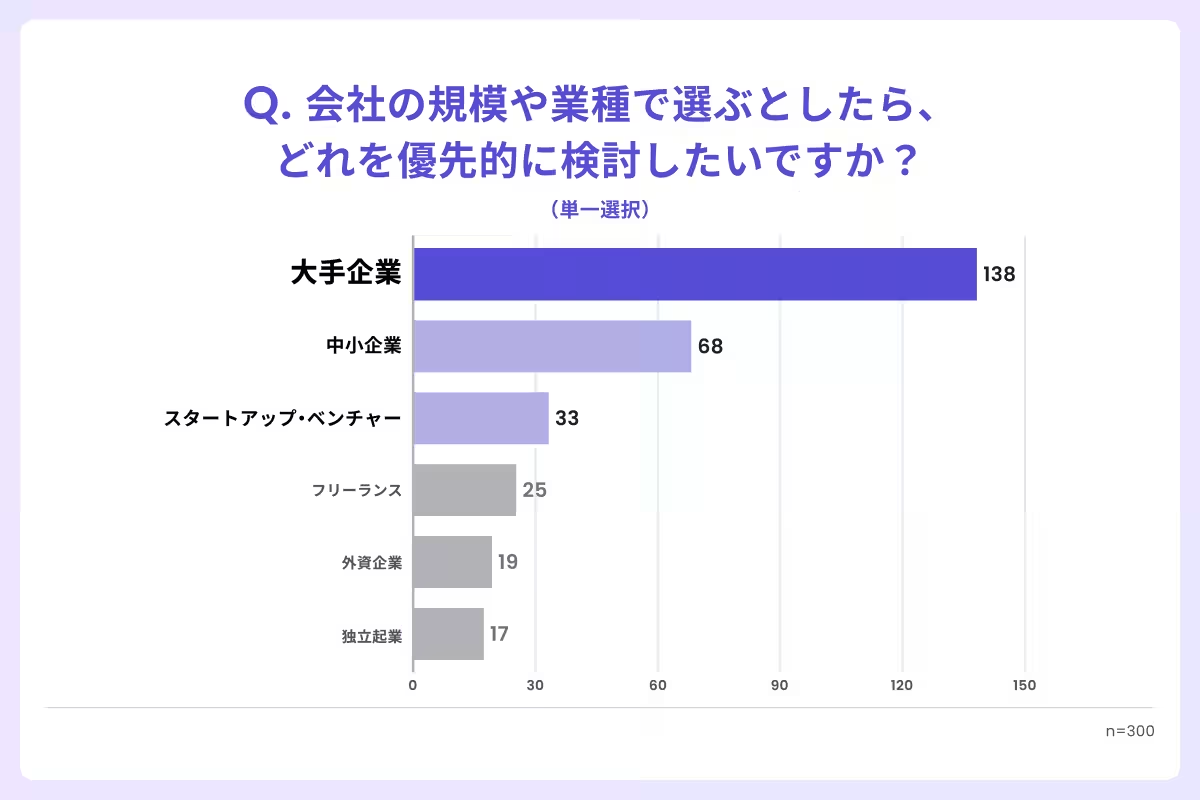
- - Stability vs. Growth: When asked about job preferences, around 70% of respondents prioritized job stability over growth potential, favoring large corporations over smaller independent ventures or freelance opportunities.
Skills Desired in the AI Era
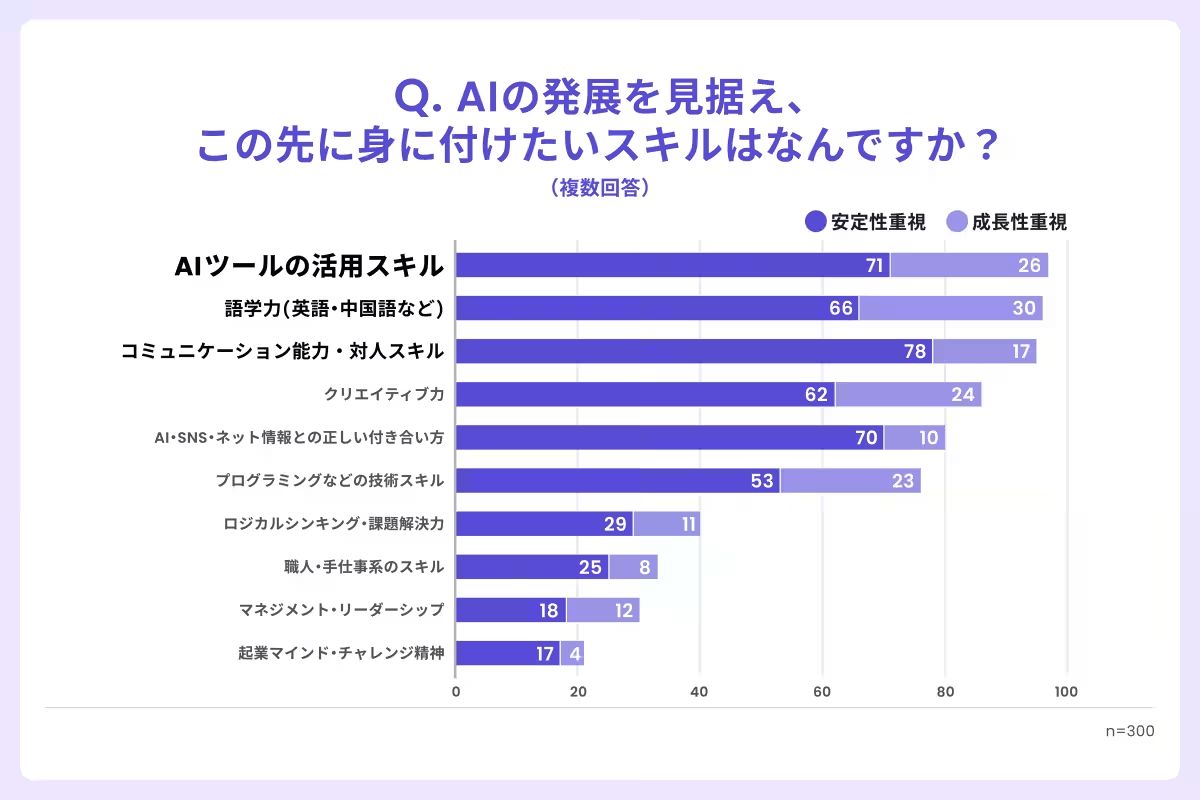
Respondents identified a preference for soft skills over technical skills. Key competencies include:
- - Communication Skills: Emphasizing the importance of interpersonal communication in a tech-driven world.
- - Network Literacy: The ability to navigate and utilize online platforms effectively.
- - Creative and Planning Skills: Highlighting the appeal of creativity as an essential human trait in juxtaposition to AI capabilities.
Interestingly, while communication topped the list for stability-focused students, those with growth mindsets tended to prioritize language proficiency and technical programming skills, reflecting a desire for specific marketable competencies.
Demographics on Job Preferences
Among those leaning towards stability, 51.1% favored large corporations, compared to just 32.1% from the growth-oriented cohort. The latter group tends to gravitate more toward startups (23.5%) or foreign companies (21.0%), indicating a distinct preference for dynamic work environments that challenge their capabilities.
Commentary from BaseMe's CEO
Kimi Hiro Katsumi, the CEO of BaseMe, commented on these findings: "The results highlight a paradox within Generation Z. While they are acutely aware of AI's looming presence, actionable measures to adapt their career choices remain limited. This points to a broader need across all levels of business professionals to develop clear strategies to harness necessary skills for an AI-driven future."
Need for Career Support
In conclusion, as we transition into an increasingly AI-dependent landscape, educators and career support platforms must create tailored strategies that align with the values and skills essential for today’s workforce. The findings not only reflect a pressing need for job security and stable employment but also emphasize the importance of adaptability and the continuous evolution of skill sets to thrive in the modern job market.
CEO Profile: Kimi Hiro Katsumi, born in 1998 in Tokyo, comes from a family with a history in the retail industry, fostering his interest in commerce and innovation early on. His entrepreneurial journey led him to establish BaseMe (formerly Ares Good), facilitating connections between students and companies through a values-driven approach.
With BaseMe poised for significant growth, over 150 companies, including prominent names like Toyota and Accenture, have already adopted their services. Katsumi was recently recognized in Forbes' 30 Under 30 Asia 2024 list for Consumer Technology, acknowledging his role in revolutionizing student career engagement.
Conclusion
BaseMe continues to evolve by prioritizing individual values while ensuring that students are armed with the skills required for success in their careers. As the job market adapts to technological advancements, transforming the way we approach employment and skill development is imperative.
Survey Methodology
- - Method: Online survey conducted via QIQUMO
- - Timeframe: Conducted in July 2025
- - Participants: 300 college and graduate students anticipating employment
For further details, please visit BaseMe.

Topics People & Culture)
【About Using Articles】
You can freely use the title and article content by linking to the page where the article is posted.
※ Images cannot be used.
【About Links】
Links are free to use.