



Cultural Biases in Motor Learning Strategies: New Insights
Cultural Biases in Motor Learning Strategies: New Insights
Recent research has unveiled some intriguing aspects of human motor learning, specifically focusing on the potential impact of unconscious cultural biases in the processes involved. Managing a delicate balance between conscious control and automatic processes, the common understanding was that these mechanisms were universal across cultures. However, this study challenges that notion, suggesting that cognitive biases inherent to specific cultures may influence how motor learning is assessed.
Key Points
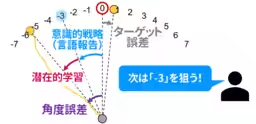
The research, led by Chiharu Yamada from Waseda University, Yoshihiro Itaguchi from Keio University, and Claudia Rodríguez-Aranda from UiT The Arctic University of Norway, involved a comparative study between Japanese and Norwegian university students. The study administered a visuomotor adaptation task to evaluate motor learning outcomes. While the actual performance metrics—such as accuracy and learning retention—showed no significant variances across cultural groups, interestingly, there were marked differences in the conscious strategies employed by participants. For instance, Japanese students tended to exhibit a conscious understanding of their movements that diverged significantly from the intended target direction.
These outcomes suggest that cultural biases can seep into conscious strategies during motor tasks, leading to varying results in learning processes that have long been considered culturally neutral.
Background on Motor Learning
Historically, researchers believed that motor learning operated under universal processes accessible to all human beings, irrespective of cultural background. Conscious strategy formulation—involving determining how one should move to achieve specific goals—was perceived as integral to improving motor performance. Established techniques for quantitatively assessing these strategies were part of the operational framework.
Contrastingly, domains like psychology have long recognized the role of cognitive biases in decision-making. These biases can skew perception and cognition, but their implications for motor learning have not been adequately explored. This study aims to bridge that gap by examining whether the processes of motor learning are susceptible to cultural influences.
Research Findings
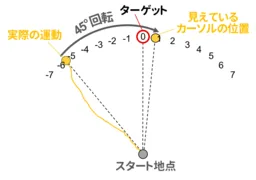
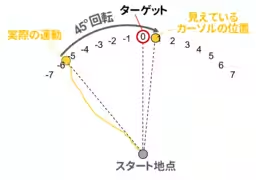
To underscore these points, the study employed a competitiveness-driven visuomotor task where participants were required to adjust their target movements in accordance with a pre-set visual disturbance. Participants were unaware that their cursor would deviate by 45 degrees from their intended direction. Following each attempt, they reported the direction they aimed for, allowing for comparative analysis of conscious strategies applied.
Statistical analyses revealed no significant cultural differences in implicit learning. However, notable discrepancies emerged in explicit strategies. Japanese participants frequently altered their aiming strategies between attempts and exhibited more substantial shifts in their intended directions compared to their Norwegian counterparts.
The implications are profound—these results indicate that the conscious aspects of motor strategies are indeed culturally contingent and challenge the previously held belief of universal motor learning. The observed cultural bias may stem from a Japanese cultural inclination towards lower confidence in decision-making, leading to a less personal attribution of success in motor tasks.
Social Impact and Future Directions
This research has essential ramifications for the evaluation techniques employed in motor learning assessments across diverse cultural environments. Given the influence of cognitive biases, there is an urgent need for culturally aware assessment strategies. Future studies should expand on this, exploring broader cultural contexts and the interplay between implicit and explicit learning in motor tasks.
Conclusion
In conclusion, this groundbreaking study proposes that the conscious dimensions of motor learning—long considered a universal phenomenon—are, in fact, affected by cultural backgrounds. This understanding can pave the way for improved intervention strategies in sports education and rehabilitation for individuals with motor impairments. As Chiharu Yamada aptly noted, this research is expected to lead to the development of better methods for practice fields like sports, psychology, and rehabilitation.
References
- - Yamada, C., Itaguchi, Y., & Rodríguez-Aranda, C. (2025). Unconscious cultural cognitive biases in explicit processes of visuomotor adaptation. npj Science of Learning.


Topics People & Culture)

【About Using Articles】
You can freely use the title and article content by linking to the page where the article is posted.
※ Images cannot be used.
【About Links】
Links are free to use.