


Tamura Atsushi and Yokozawa Natsuko Discuss Water Accident Prevention at Symposium
Water Safety Symposium 2025: A Multi-faceted Approach to Prevent Water Accidents
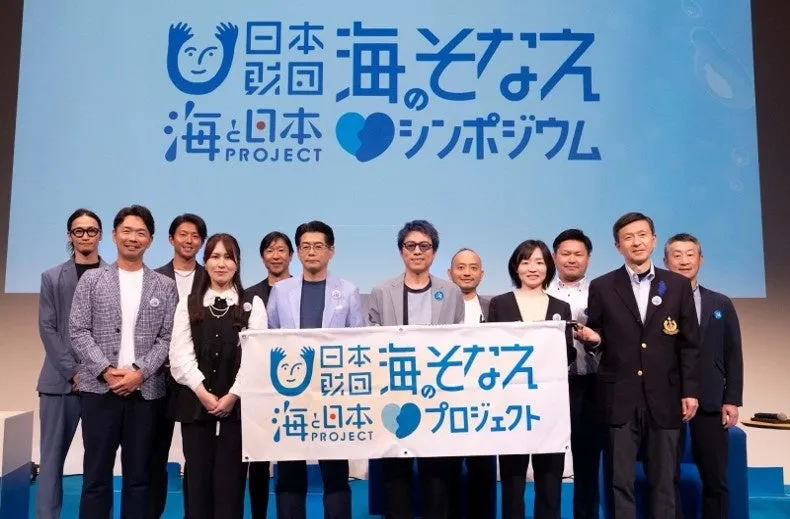
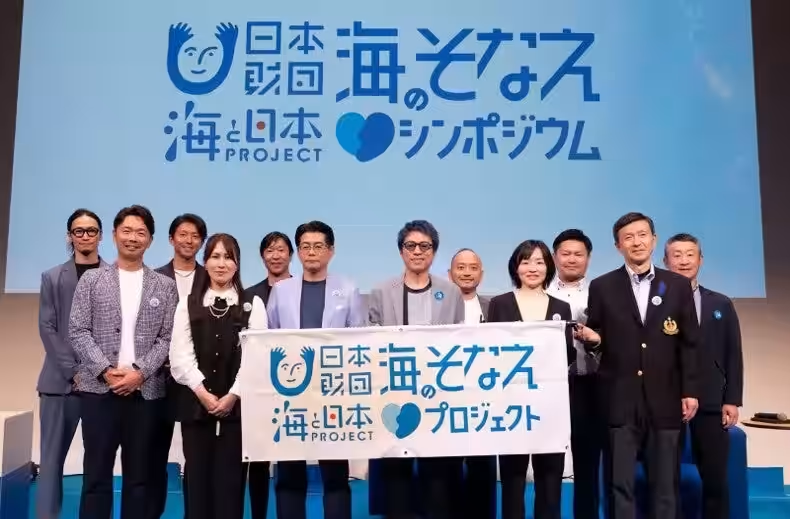
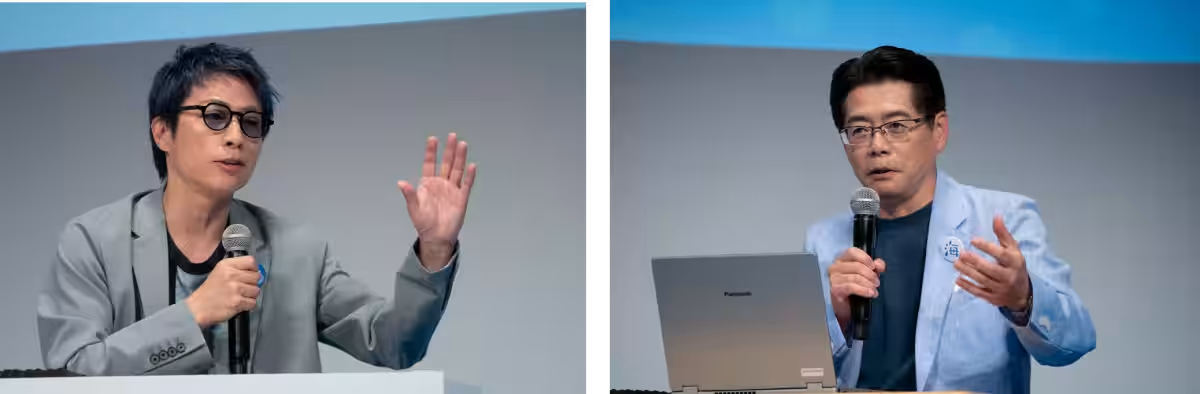
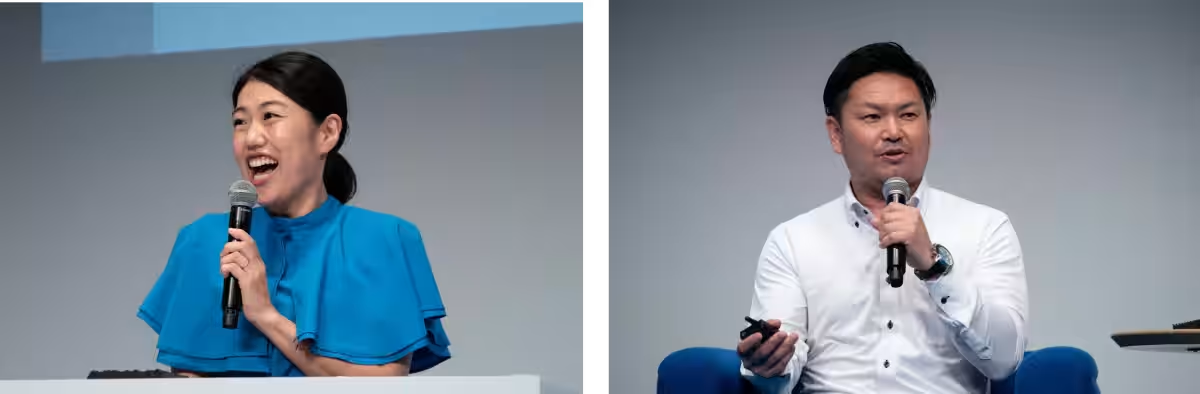
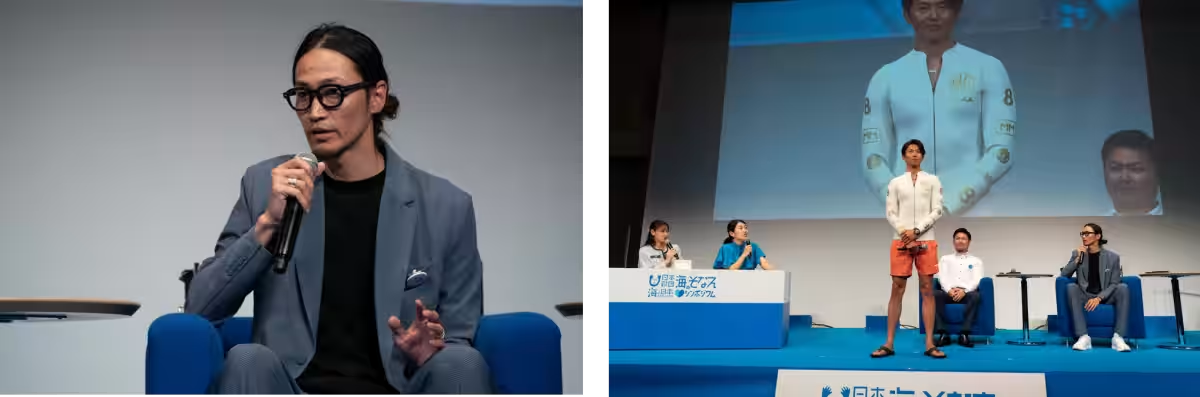
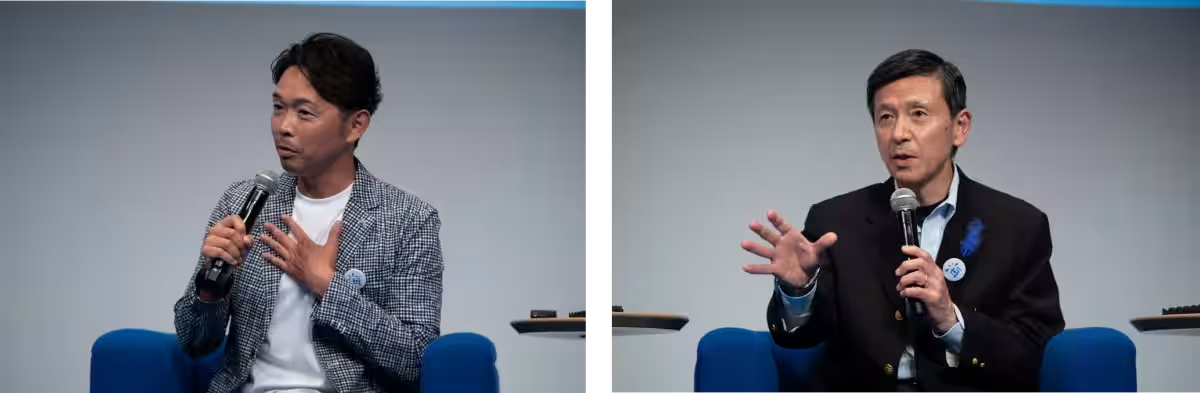
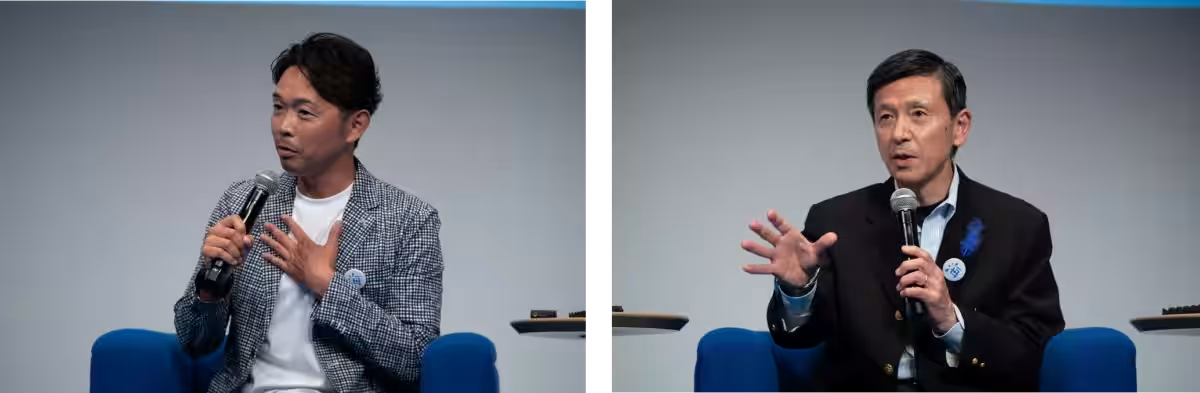
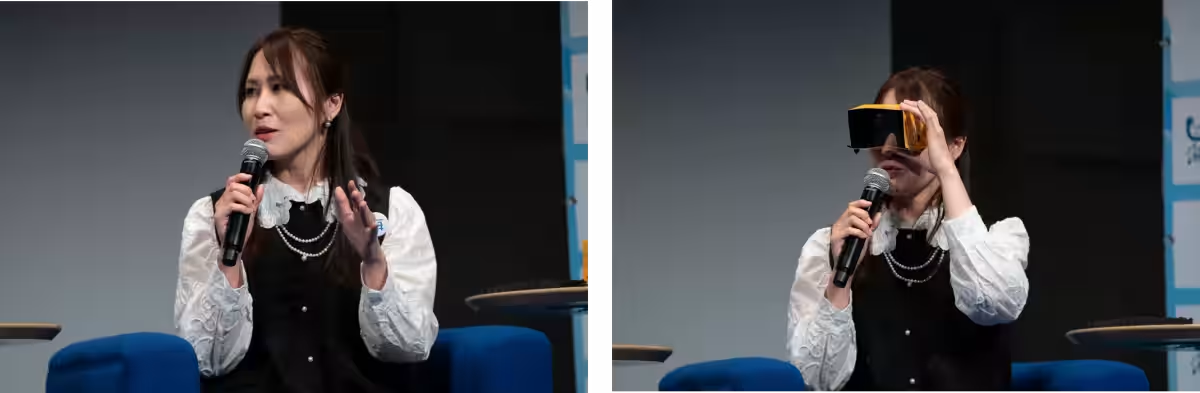
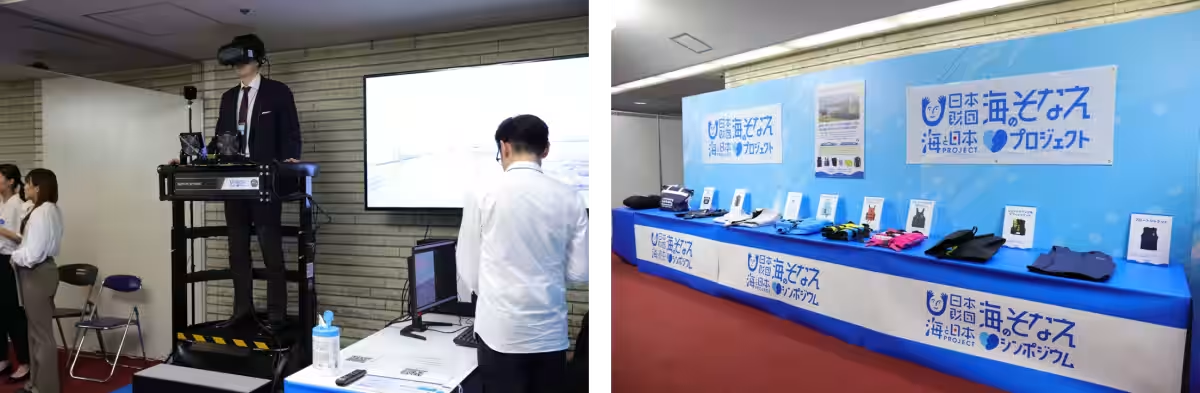
On May 22, 2025, at the TOKYO FM Hall, the 'Umi no Sonae Symposium 2025' was held, organized by the Umirai Environmental Foundation in collaboration with the Japan Lifesaving Association and the Japan Water Rescuer Association. The symposium was a continuation of an initiative by the Japan Foundation to raise awareness and educate the public about water safety. Among the notable speakers were Tamura Atsushi and newcomer Yokozawa Natsuko, who engaged in rich discussions focusing on three main perspectives: data collection, effective presentation of information, and communication strategies aimed at enhancing water safety.
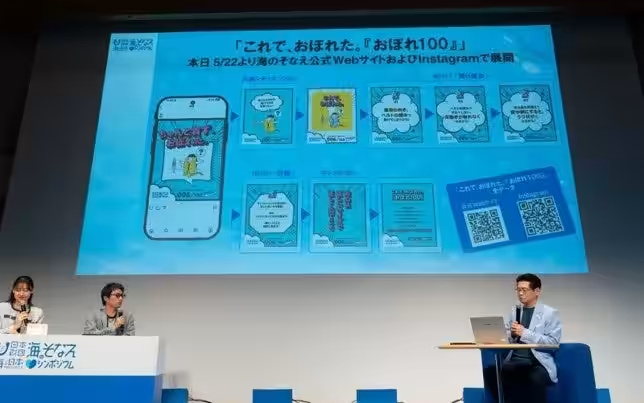
The event also served as a platform to introduce a new preventative communication strategy titled 'This is How I Drowned - 'Drowning 100,' which is based on recent survey findings regarding water-related injuries. This initiative is a significant component of the Japan Foundation's broader 'Umi to Nihon Project,' aimed at preserving Japan's rich marine environment for future generations.
Overcoming Challenges from Previous Initiatives
During the opening discussion, Executive Yamano stated, "The missing link is not information itself, but rather how to interpret and utilize it – in other words, the perspective we take." This observation made by Tamura, echoed throughout their session, suggested that previous data collected by government entities had significant gaps in understanding specific instances of drowning incidents.
Perspective 1: Bias in Data Collection
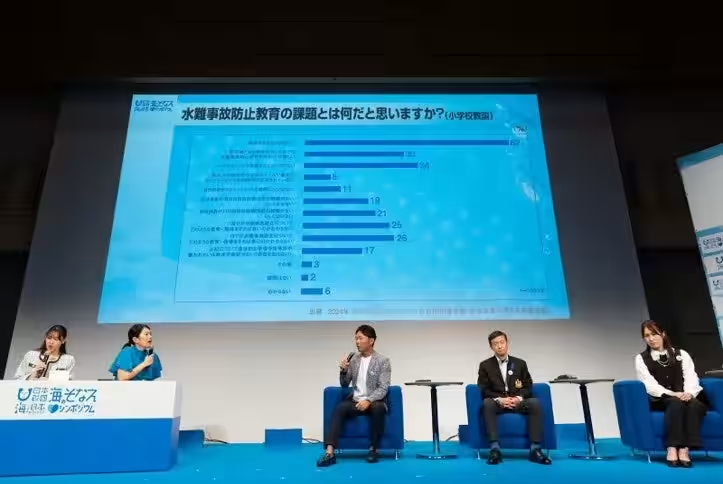
Traditionally, the data gathered by administrative bodies did not illustrate the nuanced scenarios in which drowning occurs. To address this, the Umi no Sonae project conducted a detailed investigation and a 'Hiyari Hatto Survey.' Spurred by a nationwide study in 2024 indicating that roughly 20% of respondents had near-drowning experiences, they sought personal anecdotes of individuals who narrowly escaped drowning. They intended to identify these 'close calls' as insights into preventative measures so often overlooked.
Tamura reflected on his experiences: "I never realized just how cold the water was until I tried it myself. The strength of ocean currents changes how you experience them, showcasing the vital need for firsthand experience in understanding water safety."
Perspective 2: Changing Information Presentation
The symposium emphasized the importance of presentation, emphasizing that information perceived as irrelevant becomes insignificant. Yamano stressed that even accurate data fails to resonate with the public if merely presented as-is. Tamura brought forth the point that certain terminologies, such as 'rip currents,' do not resonate with younger audiences, highlighting the need for more relatable information dissemination.
Perspective 3: Misaligned Messaging
In the digital age, the assumption that discussing essential topics equates to effective communication was challenged. The need for tailored messaging that connects with audiences on a personal level was underscored. Yamano remarked, "Moving forward, the critical factor is not merely stating what is accurate but ensuring the message resonates."
In light of these perspectives, Yamano concluded, "Recognizing why drowning occurs, reshaping the narrative into an empathetic context, and effectively transmitting this information is key to expanding preventative measures. Our initiative 'This is How I Drowned – 'Drowning 100' aims to achieve this goal."
The Database of Close Calls and Drowning Situations
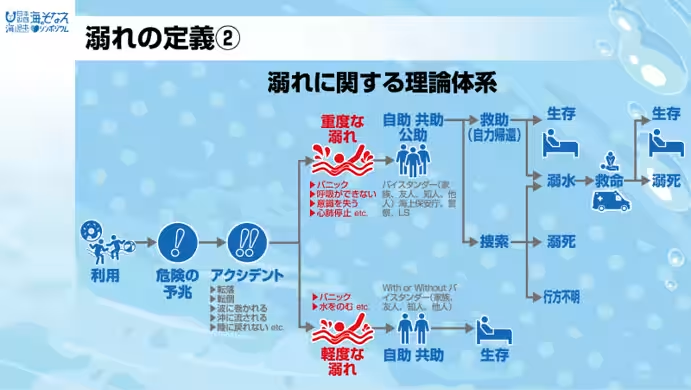
The themed discussions progressed to explore the dynamics of previously unseen incidents prompting near-drowning situations, with insights shared by Professor Ishikawa from Chuo University. He outlined that established definitions of drowning lacked depth in detangling related incidents and refined them to include both severe and mild cases of drowning. "Voice from the lightly submerged experience can yield crucial preventative findings," he noted.
The symposium also shed light on practical experiences and stories from individuals who encountered perilous water situations, drawing significant attention to storytelling in shaping public perception and safety awareness.
Floating Items for Water Safety: A New Approach
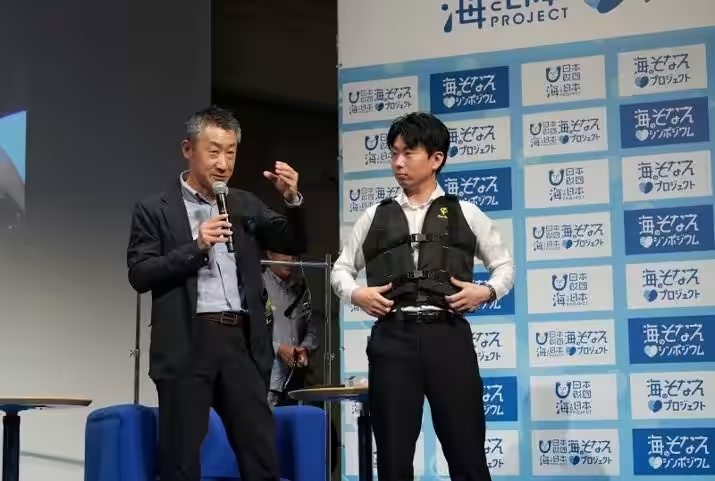
The next discussion involved standout contributions from Yokozawa. The focus shifted toward creating appealing floating items, like life jackets, that parents and children would want to wear. Yokozawa, drawing from her journey as a mother, indicated the challenges posed by ensuring safety obtains a fun aspect for children. Consequently, the symposium witnessed various stakeholders, including government officials, discussing how schools could adapt curricula using life jackets effectively.
The collaborative forces at the symposium also emphasized improving the aesthetic appeal of water safety equipment underlining safety designers adapting the ethos of 'safety = trendy'.
Education: Tailoring Lessons for Safety Resilience
The final segment centered around educational strategies. Matsumoto from the Japan Lifesaving Society presented insights into enhancing awareness amongst children relating to swimming techniques and accident prevention, promoting educational frameworks leading to safety independence. Amplifying the essence of proactive education caught attention across various stakeholders present.
Conclusion: A Collective Responsibility toward Water Safety
Enriching dialogues concluded with acknowledgment of the collective responsibility in nurturing a culture of safety. Successful initiatives will rely upon collaborative networking among educational institutions, local authorities, and communities to solidify a unified front against water-based incidents. A call to action resonated: 'The culture of preparedness is a communal effort; let's all play our part.'
For more information about upcoming initiatives, educational resources, and to join this vital safety mission, please visit the Umi no Sonae Official Website.
Topics Policy & Public Interest)

【About Using Articles】
You can freely use the title and article content by linking to the page where the article is posted.
※ Images cannot be used.
【About Links】
Links are free to use.