



Can Japanese Aesthetics Emerge as Global Standards of Luxury and Cultural Value?
Exploring the Future of Japanese Beauty in a Global Context
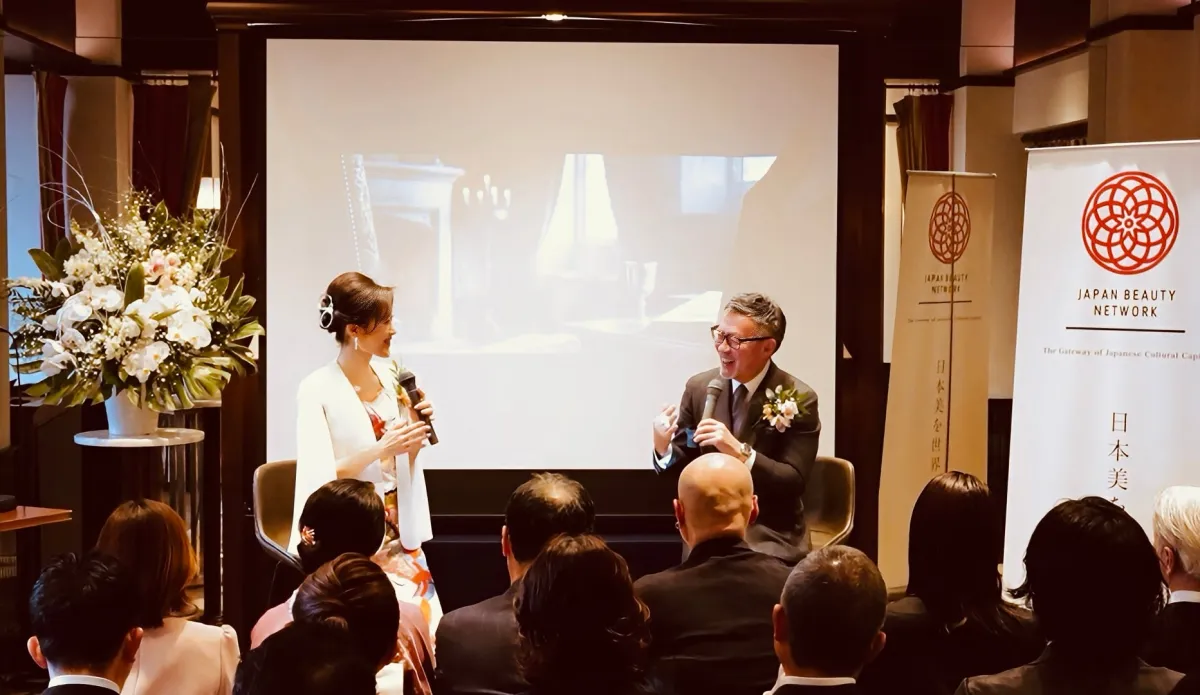
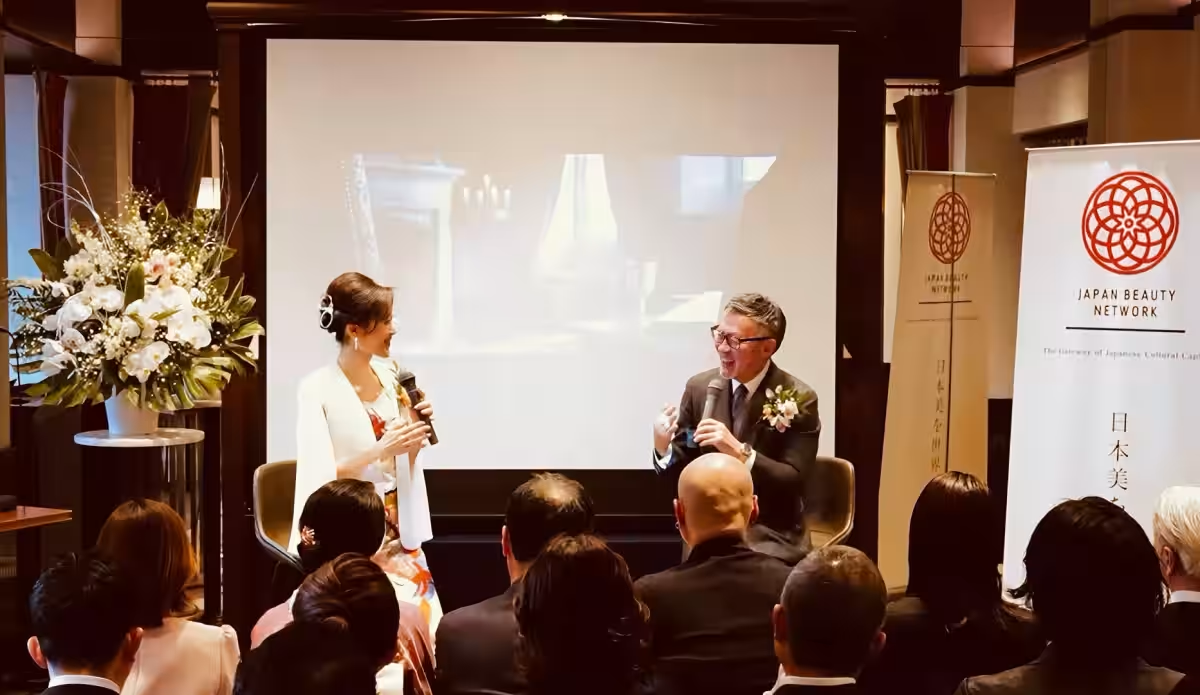
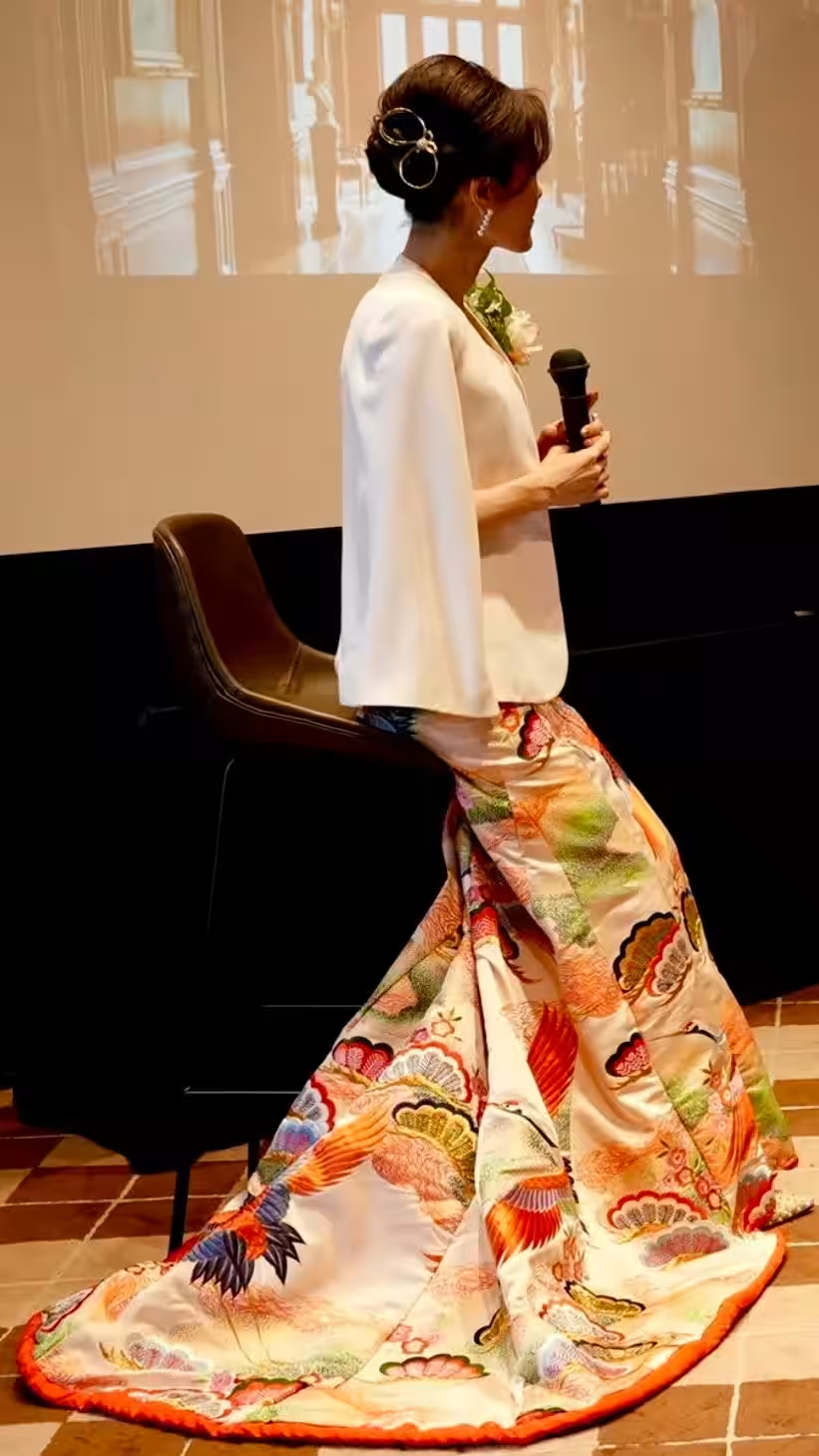
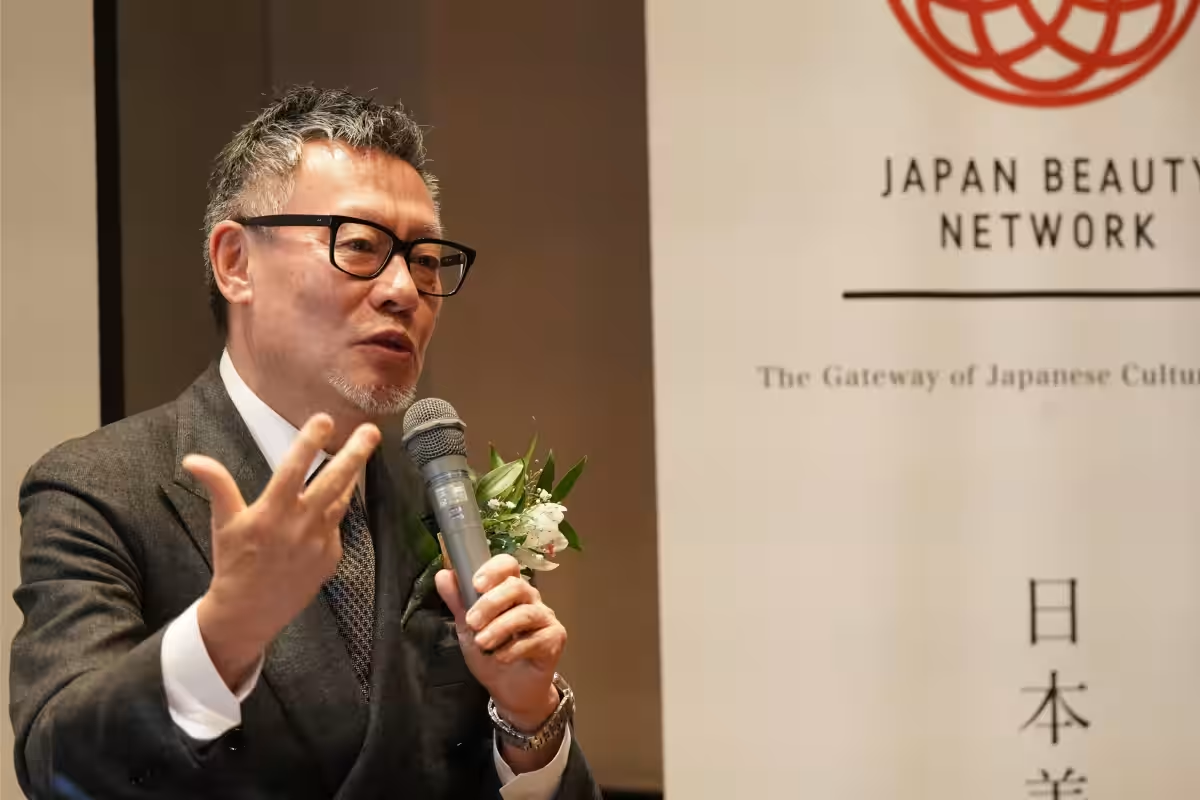
On February 5, 2026, a significant dialogue unfolded at a cultural heritage site in Japan, bringing together Hitoshi Miki, the Regional CEO of Richemont Japan, and Christine Takahashi, the Founder of the Japan Beauty Network. Their conversation provided insights into a profound question: Can Japanese beauty transcend traditional definitions of luxury and emerge as a significant cultural force in a post-AI world?
The discussion addressed the current landscape—where advances in generative AI, fierce price competition, and rapid commodification shift the focus from tangible assets to intangible values. In this era, the essence of luxury is being reevaluated, moving from mere possession to the significance of the values embodied by those possessions.
Rethinking Luxury
Miki defined true luxury through three critical lenses: deep-rooted history and tradition, recognition on a global stage, and unique design elements that cannot be replicated. He emphasized that luxury evolves through time, narrative, and cultural heritage rather than through fleeting trends or immediate sales metrics. This view leads to a realization that the slow emergence of globally recognized Japanese luxury brands stems not from a deficiency in aesthetic quality, but from a lack of structural support to cultivate and promote that beauty effectively.
The Role of Cultural Capital
In response, Takahashi elaborated on her concept of cultural capital, underscoring that the emergence of new civilizations is rooted in intentional design and structural foundations. The dialogue highlighted the rise of new cultural values which often arise from three significant signals: the devaluation of previously held beliefs, widespread spiritual ennui, and the quest for new forms of beauty.
Japan’s traditional aesthetics, characterized by values like impermanence, restraint, and sustainability, align closely with what the contemporary world craves. Yet, Japanese culture remains underrepresented in global luxury conversations, not due to a lack of merit but due to insufficient frameworks to convey those values internationally.
Beyond Conventional Luxury
Takahashi posits that instead of simply entering the competitive luxury market, Japan should aspire to redefine luxury itself. This involves ascribing value to elements of unseen beauty—values deeply embedded in human experience and sensitivity. By recontextualizing aesthetic principles alongside cultural narratives and soft power, Japan can assert a new definition of luxury that reflects deeper meanings rather than mere rarity of objects.
Future Directions: Toward a Post-AI Civilization
As society automates intelligence and efficiency, achieving sustained meaning will become a core challenge. The insights shared during the dialogue suggest that unseen beauty holds not just aesthetic significance but also serves as a template for enduring value and cultural evolution beyond the influence of AI.
Following their discussion, the participants noted that true cultural vitality cannot thrive solely on enthusiasm; it requires a collective vision shared by industries, society, and public institutions. Looking ahead, the Japan Beauty Network aims to engage public and private partnerships to position Japanese beauty as an essential element of national competitiveness and a pillar of global civilization.
In conclusion, as both Miki and Takahashi illustrated, the intersection of tradition and modernity in Japanese aesthetics presents a compelling narrative in the broader scope of global luxury and cultural identity, inviting a quest for renewed meaning amid the complexities of a post-AI world.




Topics People & Culture)

【About Using Articles】
You can freely use the title and article content by linking to the page where the article is posted.
※ Images cannot be used.
【About Links】
Links are free to use.