




Accelerating New Employee Integration with Health Literacy Training Program
Accelerating Employee Integration through Health Literacy Training
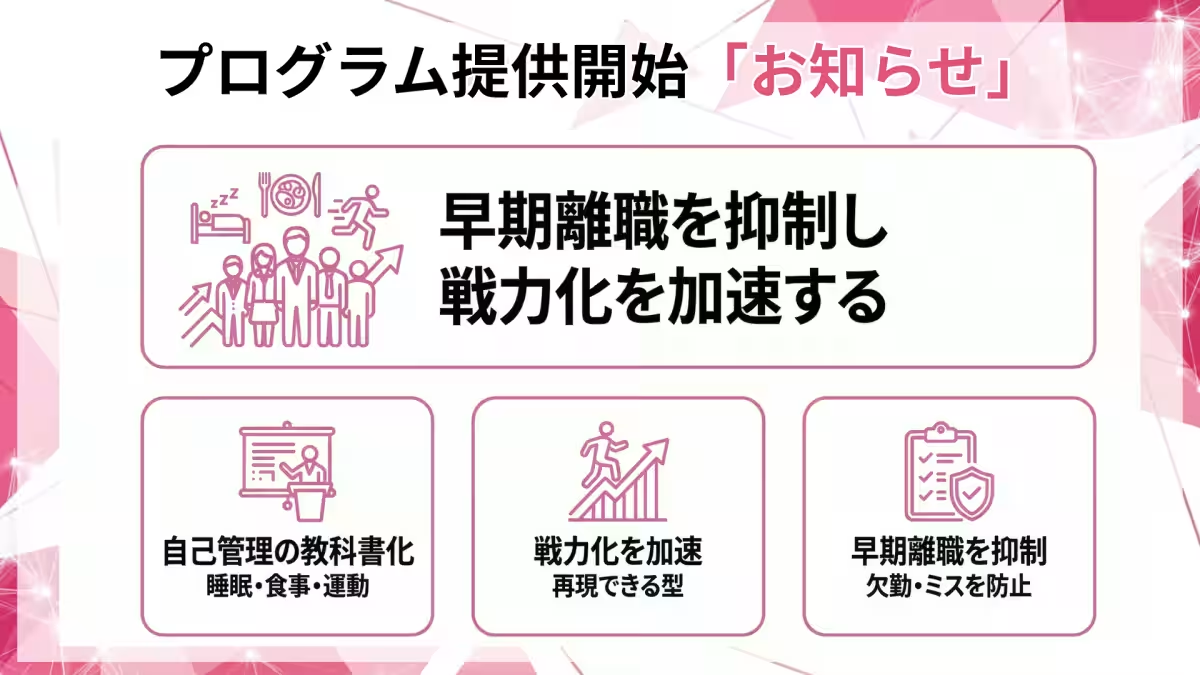
Fractal Workout, based in Shibuya, Tokyo, has launched a new health literacy training program aimed at helping new employees adjust to their roles while maintaining their well-being. This initiative addresses common challenges faced by new recruits, such as anxiety and lifestyle disruptions, all while aiming to reduce early turnover and enhance integration speed.
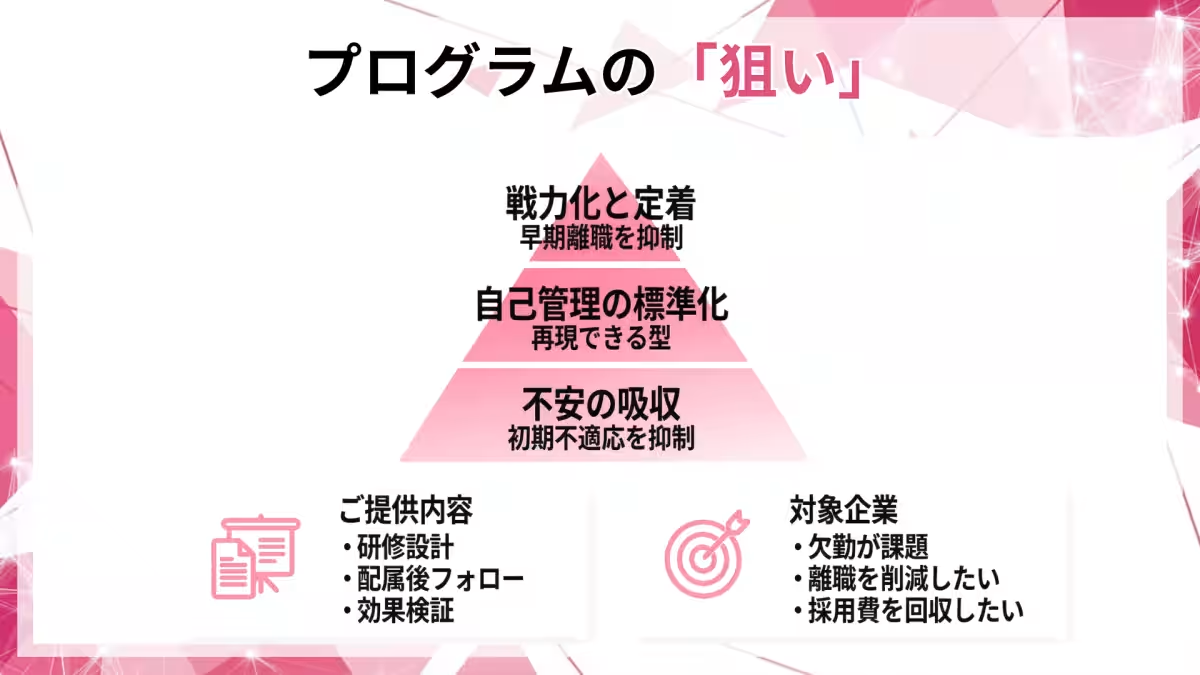
The Aim of the Program
The new initiative is not merely about discussing health management; instead, it focuses on teaching essential self-management skills as a foundational aspect of work. Topics include sleep, fatigue, nutrition, exercise, relaxation, communication, and health assessments, which are standardized into practical frameworks for employees to follow after their placement.
Background of the New Program
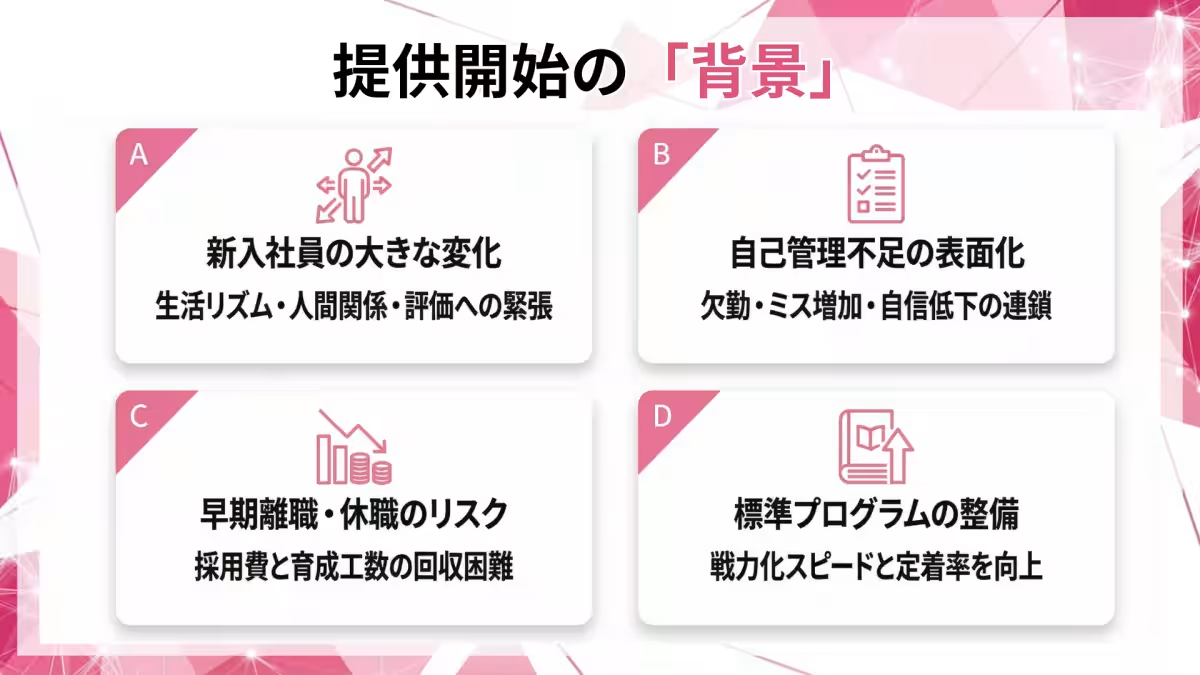
Transitioning from student life to the workforce can be overwhelming. New employees often confront significant changes in their lifestyle, mental state, and social interactions. They may experience anxiety due to new responsibilities, commuting, and establishing professional relationships while navigating performance expectations.
Without adequate self-management skills, these pressures can manifest as absenteeism, tardiness, reduced focus, and increased errors, which in turn can undermine their confidence and lead to a downward spiral of performance expectations. This can ultimately elevate the risks of early resignation or extended leave, complicating the recovery of hiring and training costs.
To combat this, Fractal Workout developed this health literacy training as a standard offering, designed to help new employees quickly adapt and reduce the tendency for early disengagement.
Program Overview
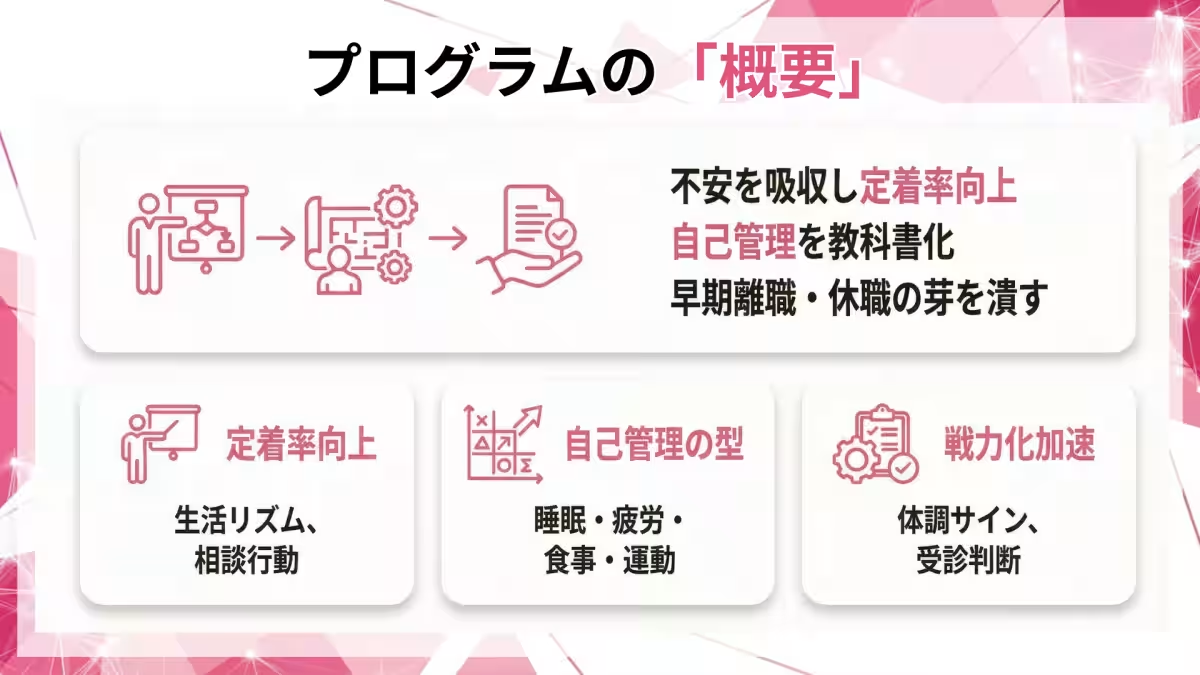
The program aims to formalize self-management techniques new hires can employ post-placement, effectively addressing potential issues of absenteeism and performance errors early on. Designed with a focus on investment recovery through effective integration and retention rather than mere welfare satisfaction, the program's primary goals include:
A. Enhancing Retention by Addressing Employee Anxiety
- - Proactively assist new recruits in establishing their daily rhythms and communication habits to prevent feelings of isolation and anxiety.
- - Cultivating a sense of safety within the company while minimizing early disengagement risks during onboarding.
B. Formalizing Self-Management Skills for Professional Life
- - Making round-the-clock management of sleep, fatigue, nutrition, and physical activity tangible through a work-related lens.
- - Standardizing actionable frameworks that specify what, when, and how much employees need to do to maintain their well-being after placement.
C. Accelerating Integration by Addressing Early Turnover Risks
- - Teaching signs of physical and mental health issues, decision-making regarding health consultations, and effective communication with supervisors and HR.
- - Reducing risks of absenteeism, early resignation, and mistakes ultimately accelerates transitioning new hires to productive team members.
Key Training Themes
Among the key themes addressed in training are:
- - Management of sleep and fatigue (e.g., fixed wake-up times, coping strategies during busy periods).
- - Impact of nutrition on concentration (e.g., the significance of breakfast and managing blood sugar levels).
- - Exercise and posture (e.g., strategies to avoid prolonged sitting and easy routines to incorporate.)
- - Methods to take breaks effectively (e.g., how to rest and prioritize recovery during weekends).
- - Recognizing and addressing signs of mental distress (e.g., verbalizing anxiety and avoiding self-deprecating cycles).
Anticipated Business Impacts
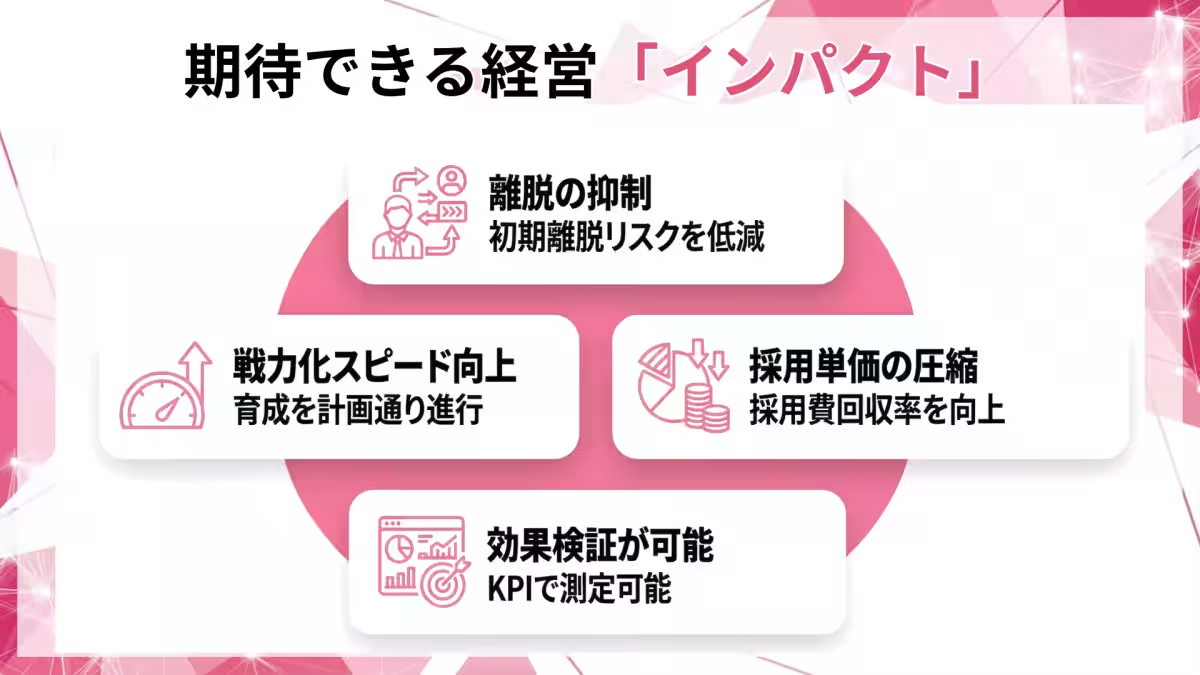
1. Minimizing Onboarding Disengagement: By addressing lifestyle issues and communication patterns swiftly, initial stumbling blocks that lead to absenteeism and turnover can be reduced.
2. Enhancing Speed of Integration: Consistent attendance and improved condition leads to faster onboarding progress and alignment with training schedules, minimizing the burden on supervisory staff.
3. Reducing Early Turnover and Absenteeism Costs: A decrease in early departures directly correlates with improved recovery of hiring expenses and training investments.
4. Using Operational KPIs for Effectiveness Assessment: Key performance indicators will include absenteeism rates, tardiness, increase in consultation instances post-training, onboarding completion rate, performance errors, and retention rates at various intervals of six months to a year post-hire.
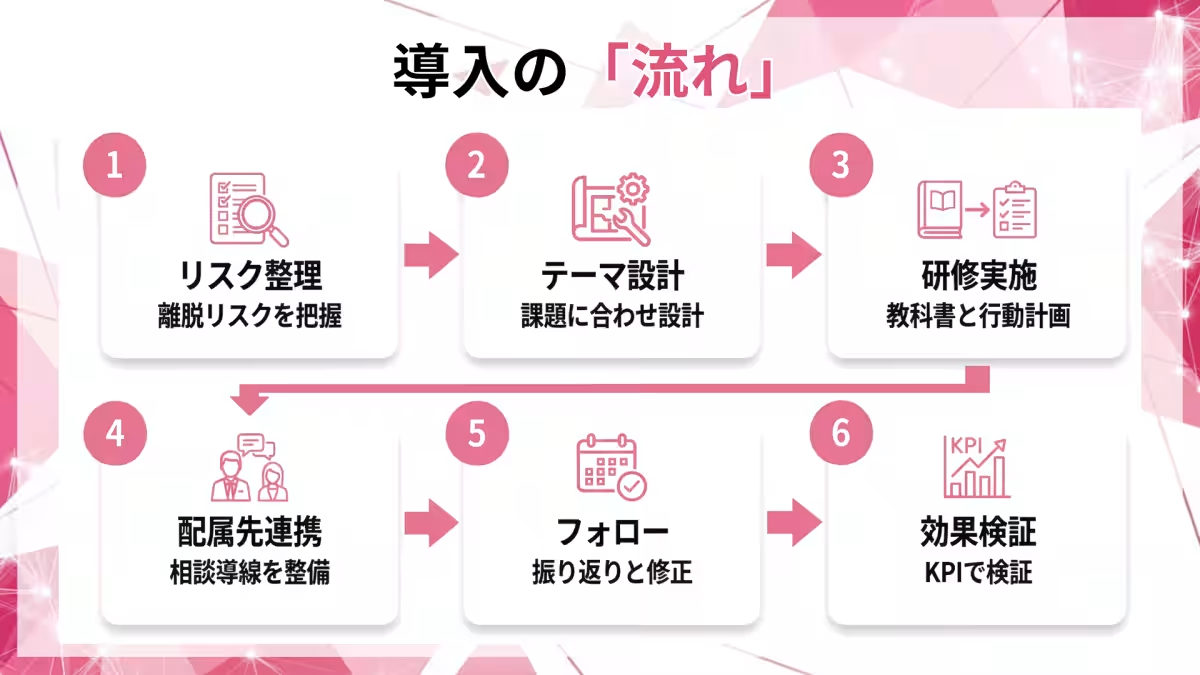
Implementation Flow
1. Identify new hires’ attributes and initial disengagement risks.
2. Tailor training themes to counter the company's specific issues such as turnover and delayed onboarding.
3. Provide self-management handbooks followed by actionable plans.
4. Support supervisors in understanding employee needs and refining consultation pathways.
5. Implement follow-ups a month later for reflection and adjustments.
6. Assess effectiveness through measurable KPIs and revise future onboarding as necessary.
In essence, this program aims to absorb new employees' anxiety and lifestyle challenges proactively, standardizing self-management as a fundamental aspect of their work, thereby accelerating their transition into effective team members and reducing the costs associated with early resignation and absenteeism. For organizations grappling with high turnover rates and onboarding delays, Fractal Workout offers a comprehensive approach from needs assessment to performance follow-up that aligns all aspects leading to enhanced employee integration.
Contact Information
For inquiries about the program or partnerships, please reach out:
- - Company Name: Fractal Workout, Inc.
- - Location: 1-14-34 Jingumae, Shibuya, Tokyo
- - CEO: Masahiro Takase
- - Website: Fractal Workout
- - Contact: Tel: 0120-107-125, Email: [email protected]

Topics People & Culture)


【About Using Articles】
You can freely use the title and article content by linking to the page where the article is posted.
※ Images cannot be used.
【About Links】
Links are free to use.