



Toyota Mobility Foundation Launches the 'Nana Mamo' Traffic Safety Project to Protect 7-Year-Olds
The 'Nana Mamo' Project: Ensuring Safety for 7-Year-Olds
As the new school season approaches, the Toyota Mobility Foundation (TMF), led by President Akio Toyoda, has unveiled a pivotal initiative aimed at enhancing traffic safety awareness among young children. The project, named 'Nana Mamo', which translates to 'Seven Year Protection', focuses specifically on safeguarding children around the age of seven, known to be particularly vulnerable to traffic accidents. This announcement follows discussions held at the Tate-Shina conference, which prioritizes efforts toward achieving zero traffic accident fatalities.
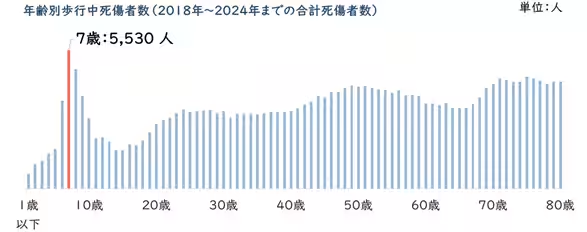
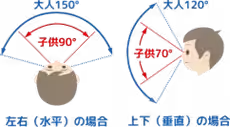
The data reveals a concerning trend: children around the age of seven, particularly those entering elementary school, start to engage more independently in walking to school and other activities without adult supervision. However, their ability to assess danger and respond effectively is still developing. Research indicates that the highest incidence of traffic accidents occurs among children in this age group due to their limited awareness and lower visibility to drivers compared to adults.
Key Initiatives of the 'Nana Mamo' Project
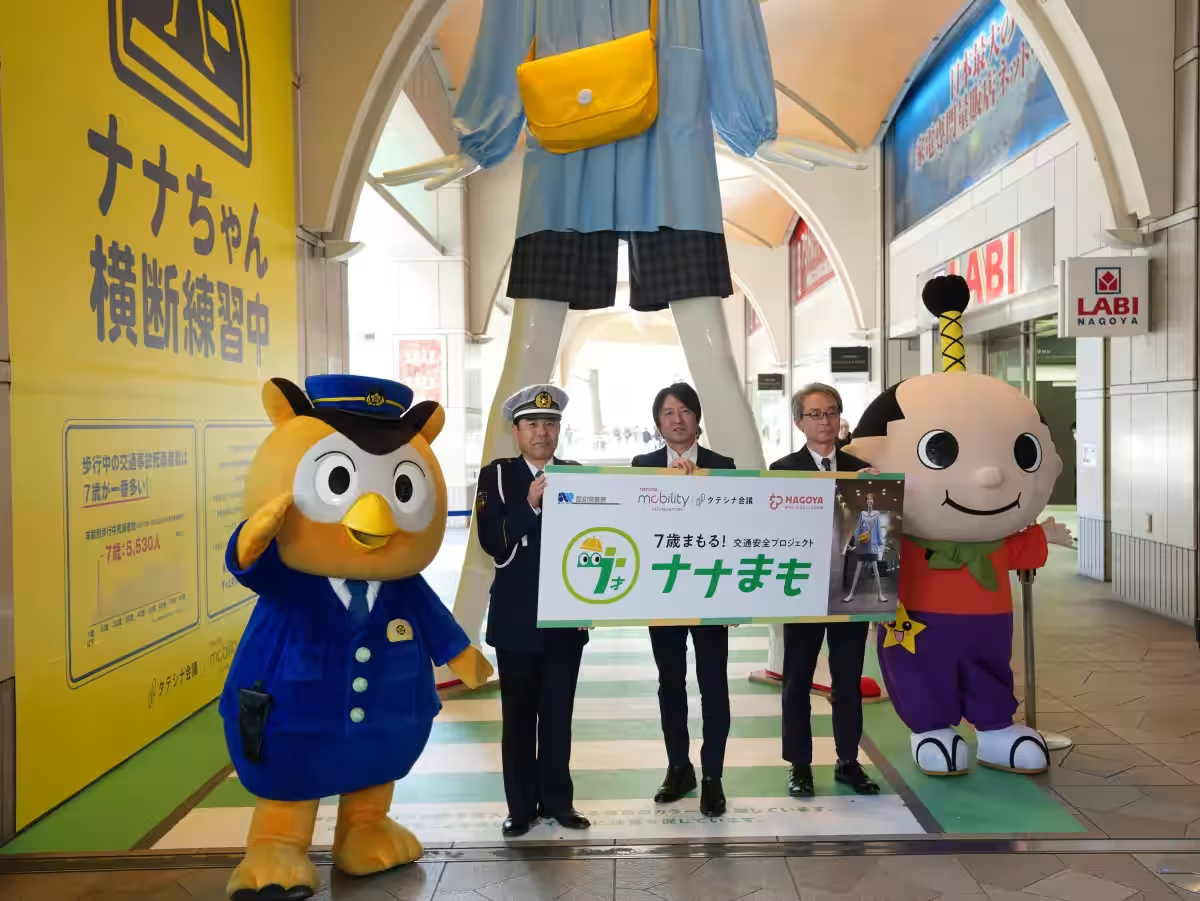
The 'Nana Mamo' project aims to address this alarming trend by raising awareness among parents, drivers, and the local community. Starting first in the Tokai region (Aichi, Gifu, and Mie prefectures), several initiatives are planned leading up to the new school year in April 2026. This includes collaboration with local stakeholders such as the Aichi Prefectural Police, leveraging community symbols like the iconic Nana-chan doll to spread critical safety messages.
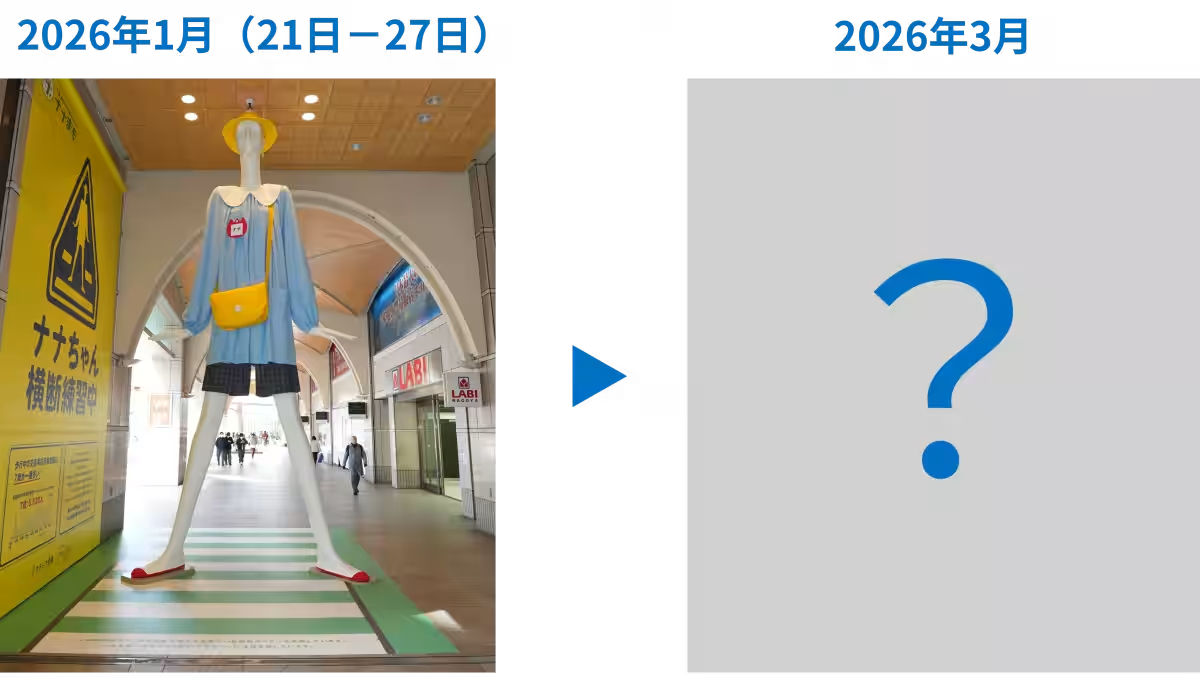
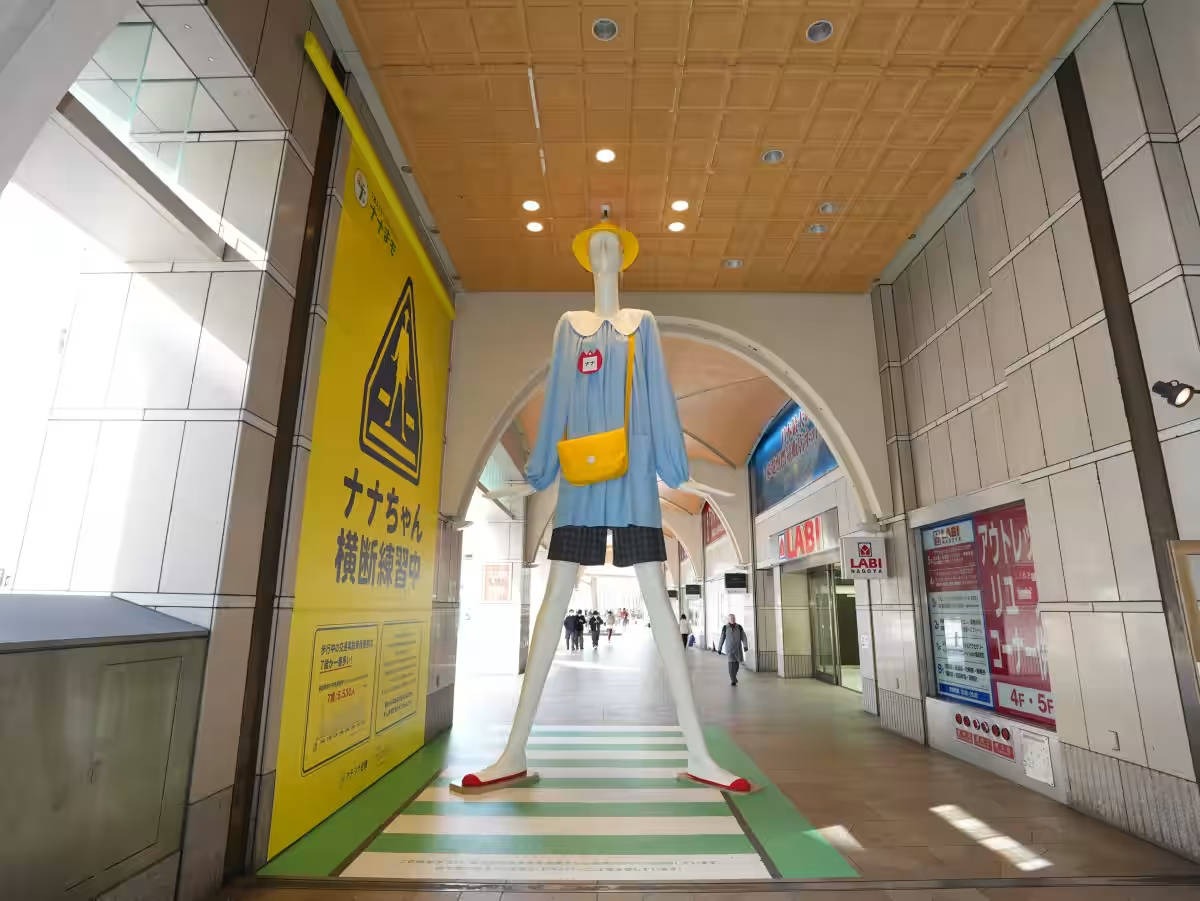
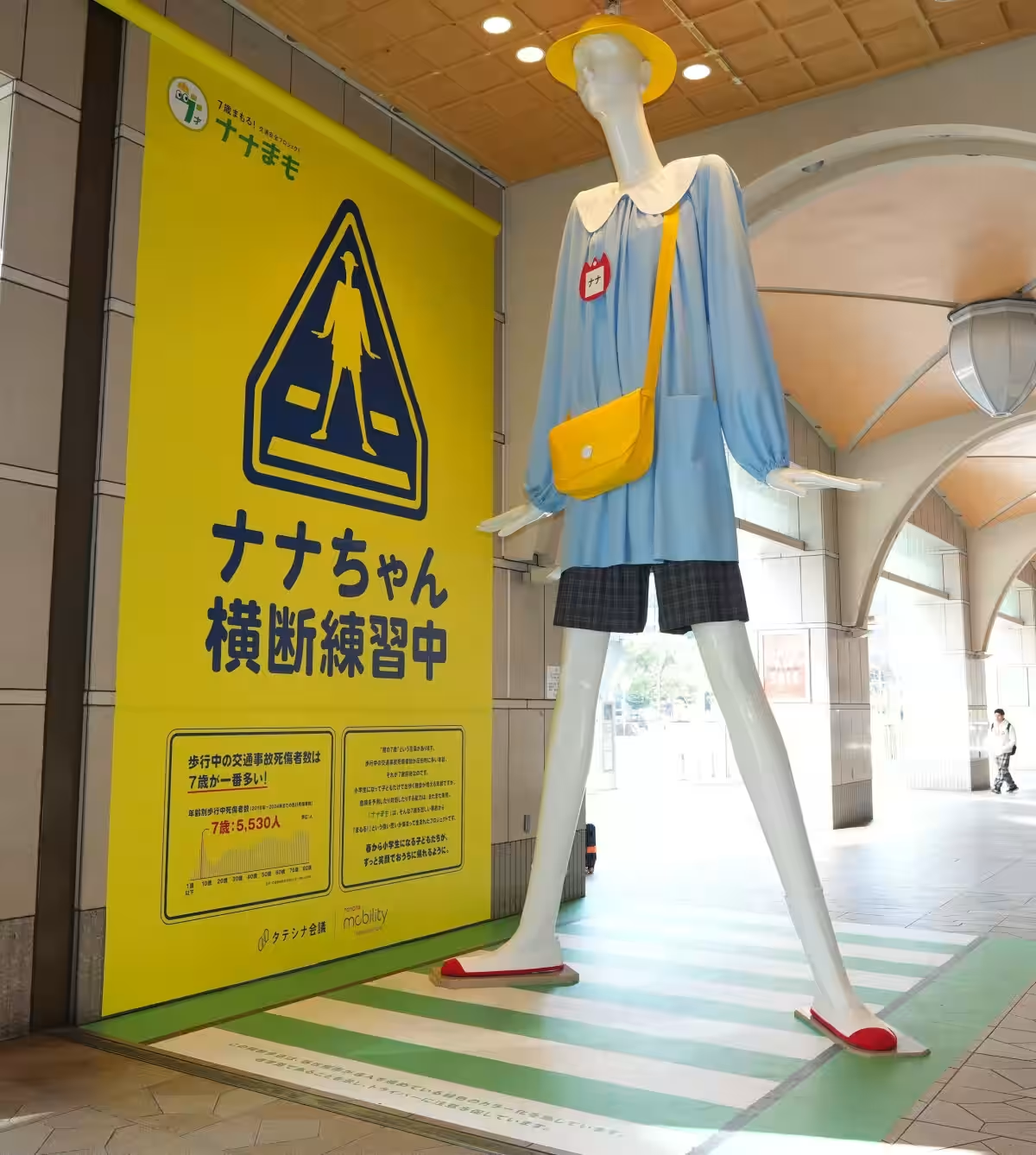
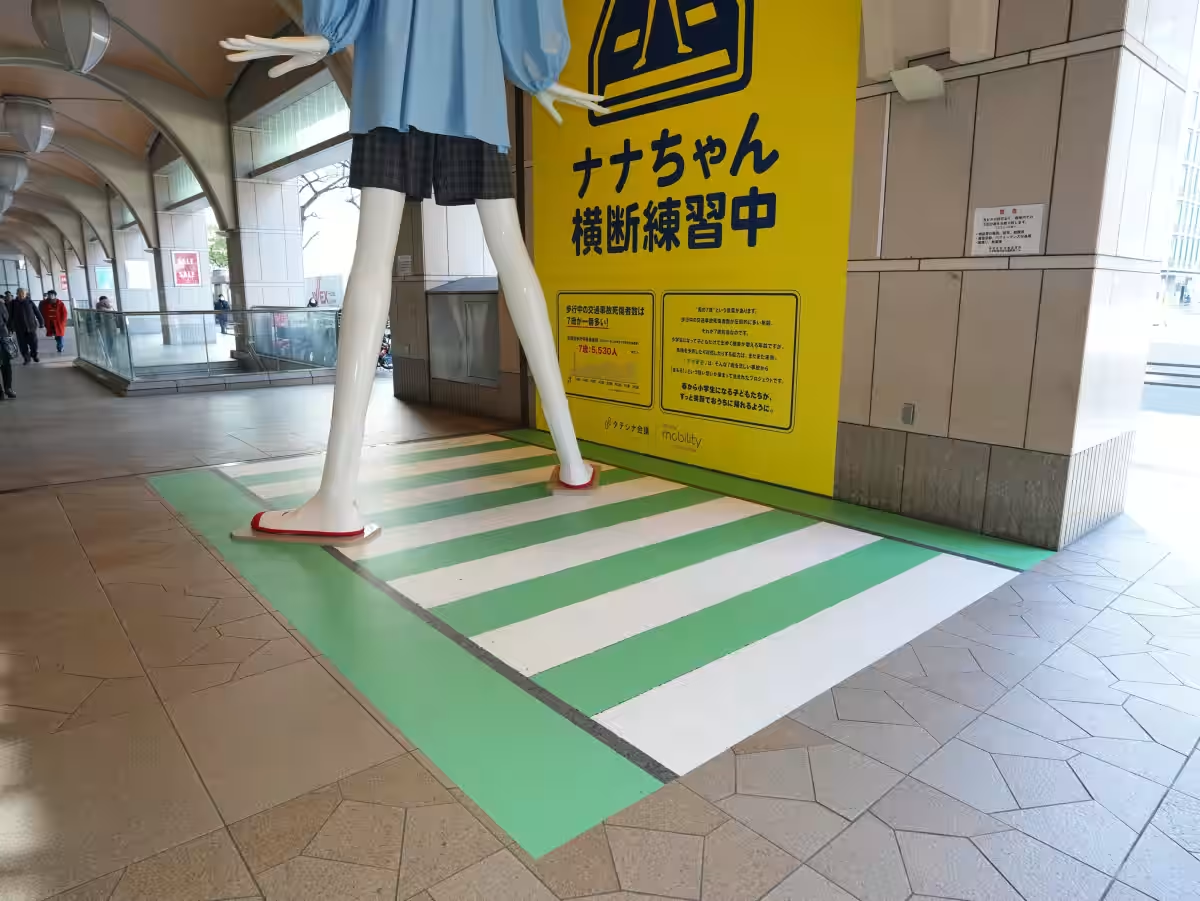
During an upcoming campaign, the Nana-chan doll will don a school child outfit and simulate pedestrian behavior, particularly at busy intersections, where child accidents are prevalent. This engaging initiative is designed to provoke discussions among parents, caregivers, and community members on how to better protect children as they begin to walk to school.
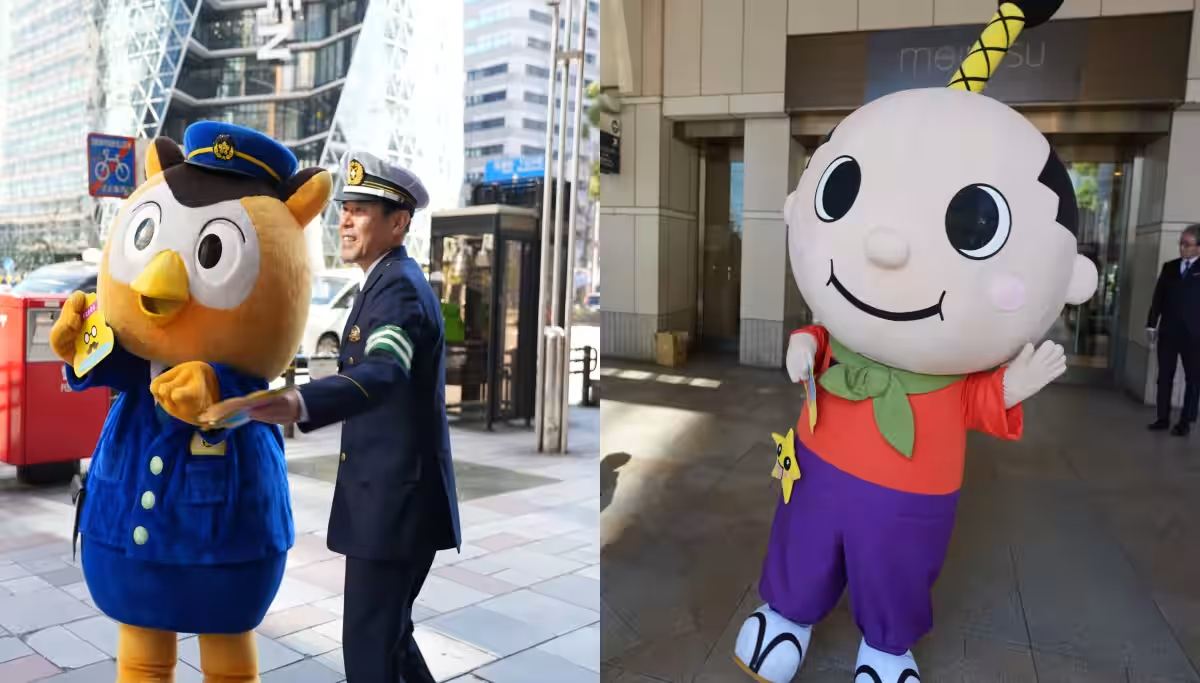
Moreover, on January 21, a special event will be held in Nagoya where the Nana-chan doll will be present alongside local mascots and police representatives, distributing pamphlets focused on preventing traffic accidents.
Background and Objectives
According to data from the Traffic Accident Comprehensive Analysis Center (ITARDA), children aged seven constitute the highest demographic for pedestrian accidents. This demographic trend necessitates immediate action to enhance awareness among parents and community members about the risks and promote proactive safety measures to address children's vulnerabilities preceding their first days of school.
In light of this information, TMF conducted awareness surveys revealing that only about 30% of the general population recognizes the dangers for seven-year-olds, with even lower recognition among parents of younger children. This highlights the urgent need for the 'Nana Mamo' initiative to escalate awareness and inspire concrete action to protect young pedestrians.
Initiatives in the Tokai Region
The project has set ambitious goals for implementation in the Tokai area:
1. Collaboration with Nana-chan: Running from January 21 to 27, 2026, Nana-chan will appear in a traffic safety role to emphasize the importance of pedestrian awareness leading into the new school year. This aligns with efforts to make pedestrian pathways clear and recognizable to drivers and students alike.
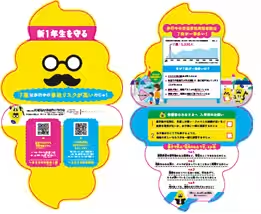
2. Traffic Safety Leaflets: In collaboration with BunKyo Publishing, 21,000 copies of the 'Unko Sensei - Protecting New First Graders' traffic safety leaflets will be distributed at parental orientation meetings across all elementary schools in Nagoya.
3. Collaboration with Local Characters: Engaging popular local characters to amplify their messaging about pedestrian safety further. During the project launch, pamphlets were distributed by local mascots to enhance visibility about the initiative.
4. Additional Outreach: Promoting awareness in schools and community events, alongside advertising campaigns, aims to reach families and reinforce the importance of safety around children in the lead-up to their school experience.
Additionally, an innovative virtual reality experience will be introduced at the Traffic Safety Festival hosted in Nagoya, allowing children to safely experience potential road hazards through interactive technology.
Conclusion
As children prepare to embark on their schooling journey, it is vital to foster a safer environment for them in our communities. The TMF's 'Nana Mamo' project represents a significant step toward fostering awareness, encouraging communal action, and profoundly reminding us all that protecting our young ones is a shared responsibility. Together, let us commit to creating a safer world for our children as they grow and explore their surroundings.


Topics Policy & Public Interest)
【About Using Articles】
You can freely use the title and article content by linking to the page where the article is posted.
※ Images cannot be used.
【About Links】
Links are free to use.