



Youth from Japan Experience International Cooperation in Indonesia with JICA and Ogi Mama
Introduction
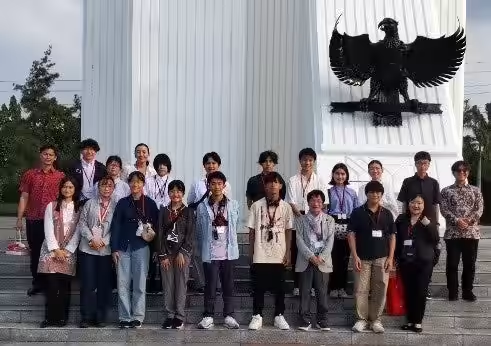
In an inspiring initiative that connects youth to global issues, 14 students from various regions of Japan, ranging from middle school to university level, recently returned from an overseas training program in Indonesia. Led by the renowned educator Ogi Mama, they delved into the significance of international cooperation through their participation in the JICA International Cooperation Essay Contest (2023-2024). This hands-on experience allowed them to explore the realities of developing countries and the importance of collaboration on a global scale.
Discovering International Cooperation
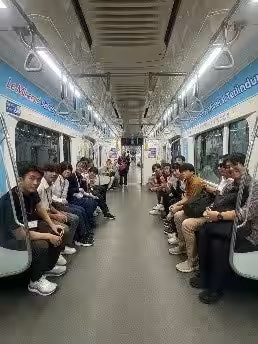
The students had the unique opportunity to observe JICA's projects firsthand, particularly the Jakarta Mass Rapid Transit (MRT) system, a large-scale infrastructure supported by Japan's ODA. They were fascinated by the ongoing work at the construction site, where Indonesian and Japanese companies collaborate to drill tunnels. Stories from local workers highlighted the trust and relationships forged through this partnership. The experience culminated in a ride on the operational MRT, emphasizing the importance of such projects in building sustainable urban transportation.
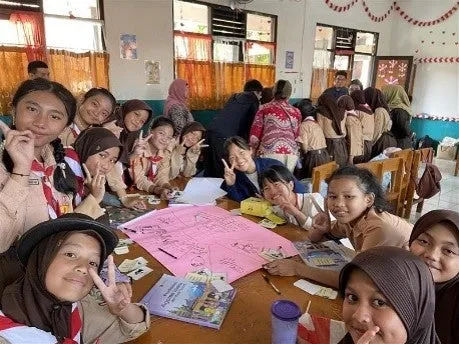
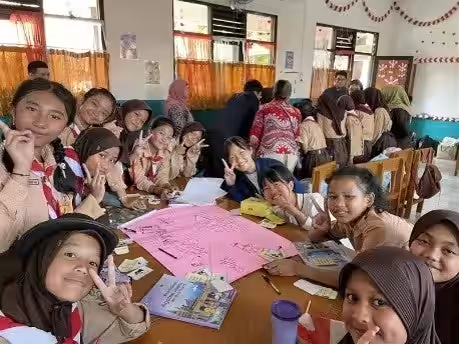
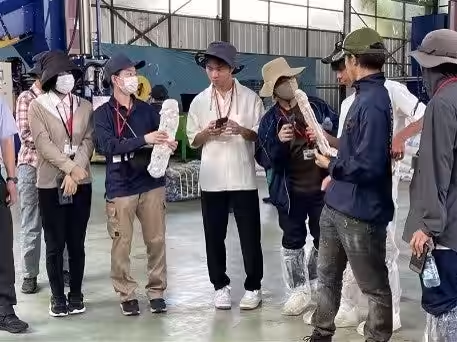
At the Jakarta Recycling Center, the students witnessed the transformative power of community engagement in recycling initiatives, supported by JICA. Here, rubbish is sorted and repurposed into valuable resources, underscoring the necessity of local collaboration in achieving sustainability goals. In a local elementary school, the students engaged in eco-activities with enthusiastic children, further learning about practical approaches to environmental education.
Building Cultural Bridges
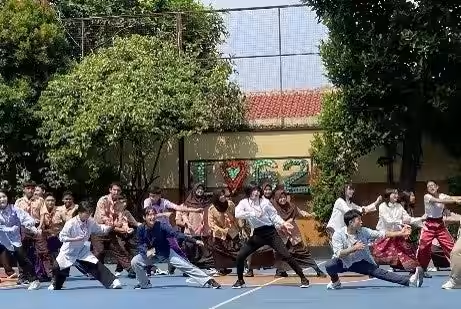
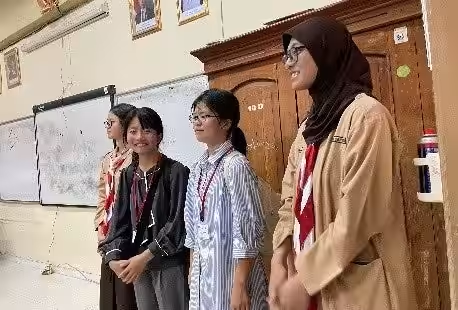
The cultural exchange was profound when the students visited a local high school. They were met with a passionate performance of traditional Indonesian dance, which made a lasting impression. In return, the Japanese students showcased their folk song 'Soran Bushi', creating a dynamic environment where learning transcended language barriers. Pairing up with Indonesian peers, they explored classrooms and libraries, practiced self-introductions in Indonesian, and delivered presentations about their cultural backgrounds in English. Such moments of shared experience fostered deep connections between the students.
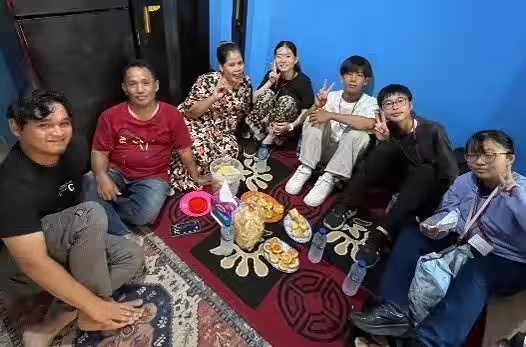
On the final day, home visits allowed them to experience the warmth and hospitality of Indonesian families. Despite only communicating in Indonesian, both hosts and visitors made commendable efforts to bridge language gaps. Many participants noted this experience as a vital lesson in empathy and global understanding as they engaged actively with the local culture through shared meals and conversations.
Reflecting on Historical Context
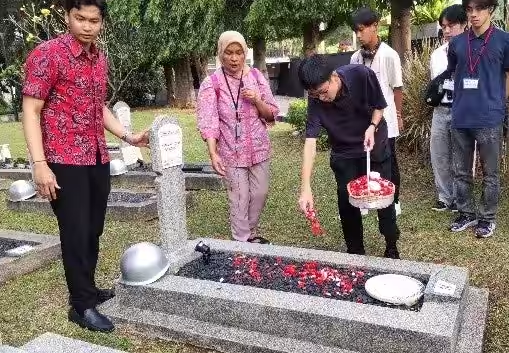
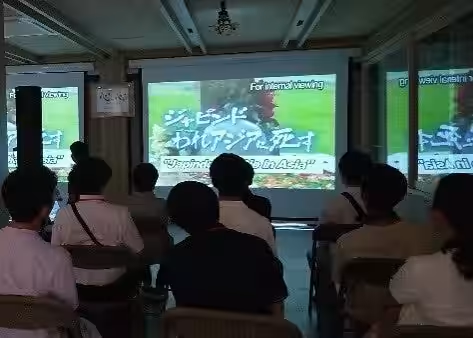
A pivotal moment in their journey was the visit to the museum dedicated to the 'remaining Japanese soldiers' who participated in Indonesia’s independence struggle. This encounter with history was eye-opening, offering insights into the lives of Japanese soldiers who chose to stay in Indonesia after the war. Participants had the rare opportunity to hear from the descendants of these soldiers, which greatly deepened their understanding of the complexities surrounding loyalty, identity, and sacrifice for the cause of independence. Following the museum visit, they paid their respects at Kalibata Heroes Cemetery, reflecting on the significant contributions made by these individuals.
Conversations with Leaders
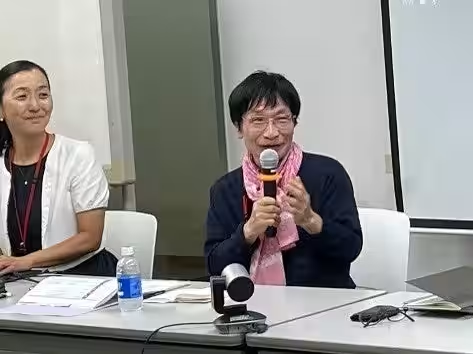
Throughout the trip, the students were able to engage in meaningful discussions with Ogi Mama and JICA officials. These exchanges allowed them to reflect on the importance of education and the role it plays in fostering international understanding. The students expressed how rewarding it was to directly hear stories of global cooperation and the challenges many face. Dinners became invaluable opportunities for opening up about their personal aspirations and concerns.
Conclusion
Reflecting on this journey, Ogi Mama noted the remarkable growth displayed by the participants. They not only exercised their ability to think critically about international cooperation but also demonstrated action-oriented engagement through concrete experiences in the field. The project's insights and lessons are expected to guide them in bringing valuable knowledge back to their communities.
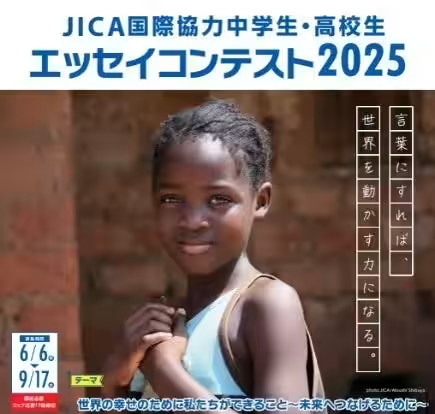
The JICA International Cooperation Essay Contest, now in its 64th year, emphasizes the importance of understanding the intertwined destinies of countries and the responsibilities of the youth in shaping a better future. The next call for submissions will run from June 6 to September 17, 2025, with the theme ‘What we can do for global happiness – To connect to the future’.
To learn more about the contest, visit: JICA Essay Contest.
Topics People & Culture)


【About Using Articles】
You can freely use the title and article content by linking to the page where the article is posted.
※ Images cannot be used.
【About Links】
Links are free to use.