



New Survey Reveals Attractive Sports for Romantic Partners: Volleyball and Soccer on Top
In a fascinating recent study conducted by Pairs, a popular dating and matchmaking application operated by Eureka, users shared their thoughts on attractive sports in the context of romance. The survey was carried out from January 22 to January 26, 2026, gathering responses from 1,660 participants in their 20s and 30s. With the expected surge of major sports events in 2026, the findings reveal insights into how different sports influence perceptions of romantic partners.
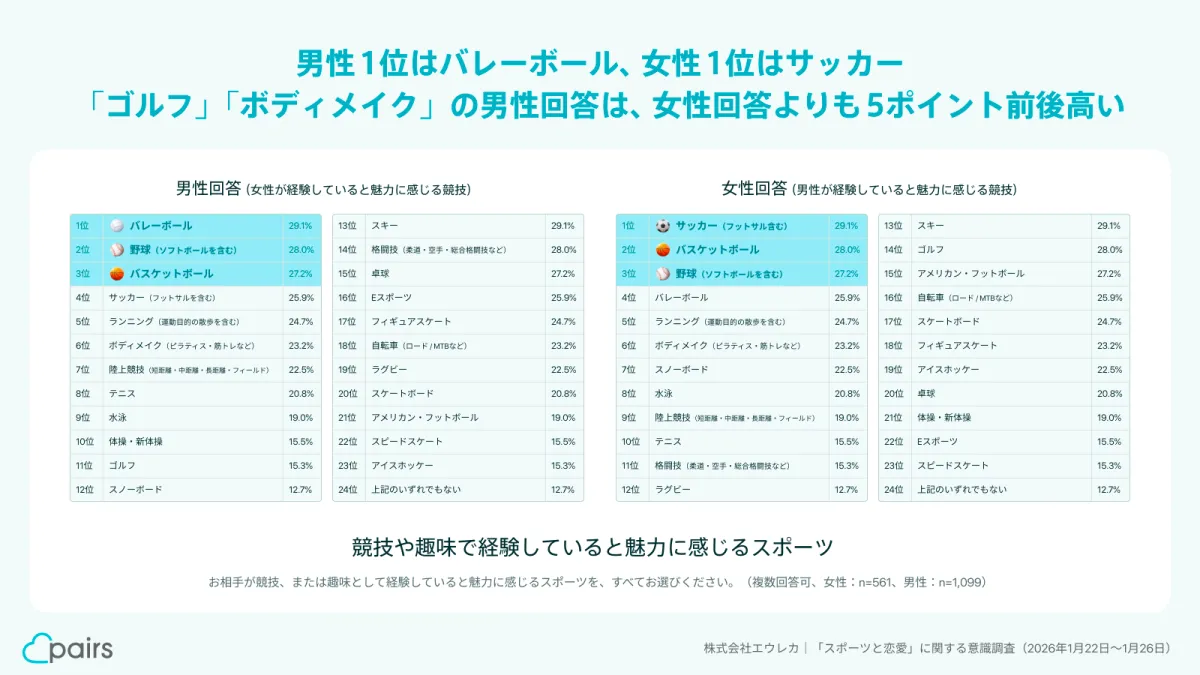
The survey specifically addressed the inquiry into what sports individuals find attractive based on their partners' experiences. According to the survey results, volleyball emerged as the most appealing sport when women have participated, ranking number one for male respondents at 29.1%. Following closely was baseball (including softball) at 28.0% and basketball at 27.2%. Women, on the other hand, found soccer, including futsal, to be the most attractive sport for their partners, receiving 39.6% of female votes. Basketball also ranked highly for women at 38.9%, with baseball coming in at 38.5%.
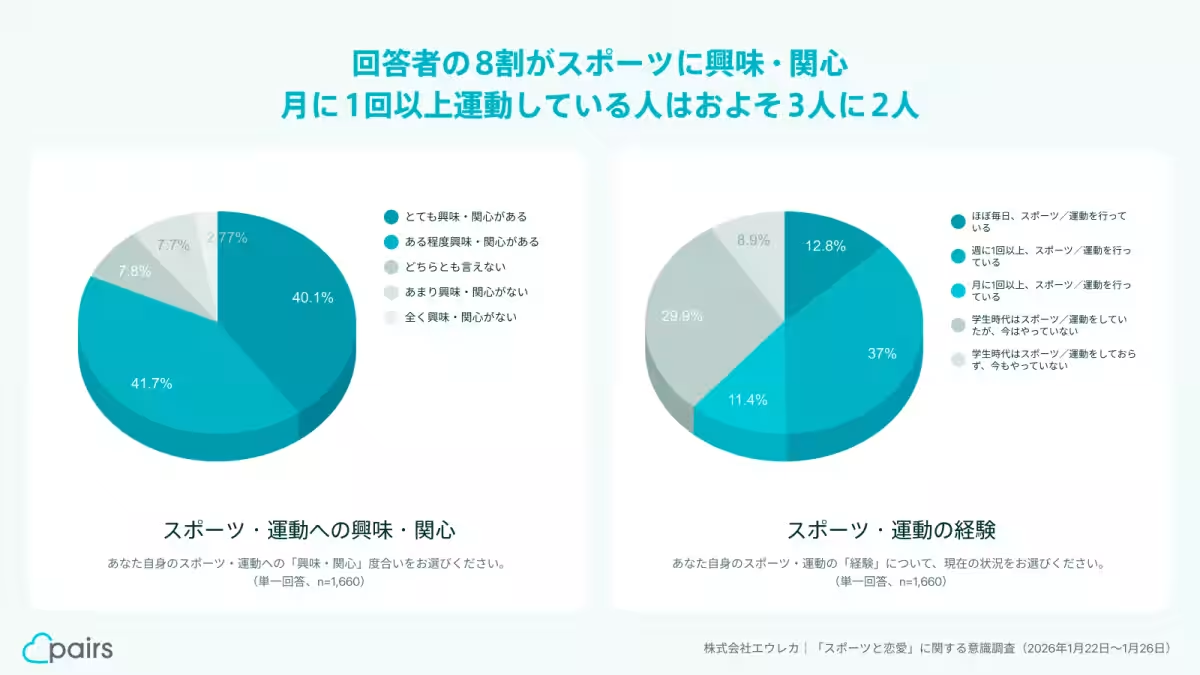
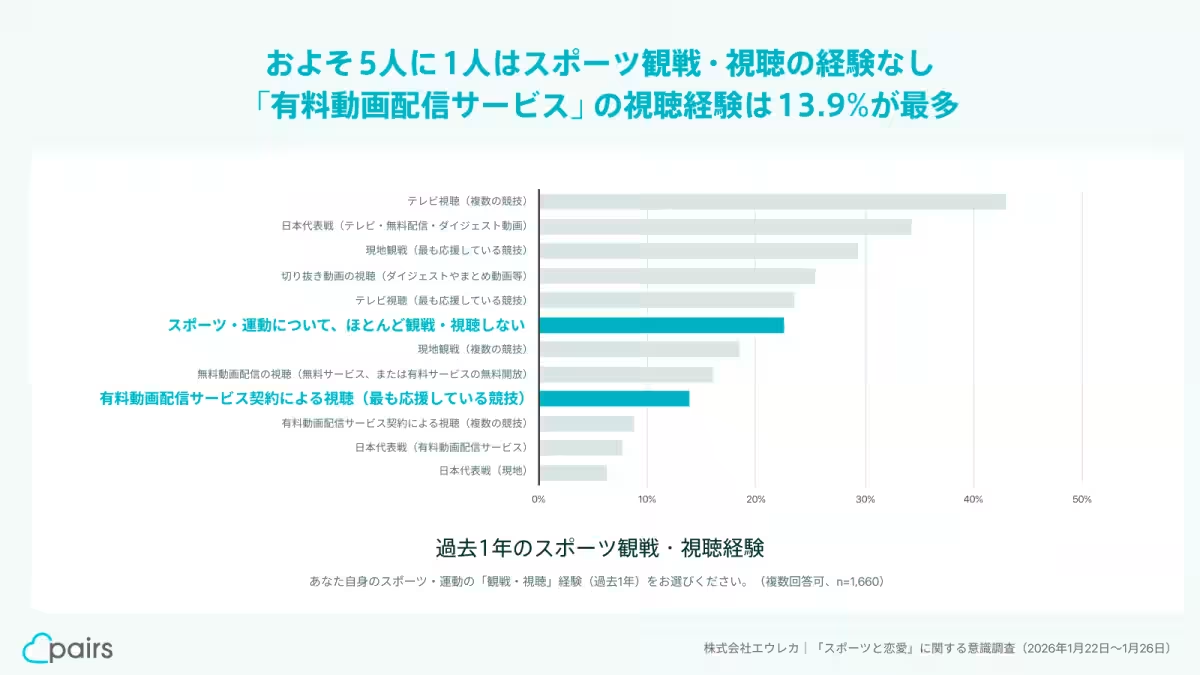
Furthermore, the study explored the overall interest in sports among respondents. It showcased that 81.8% of the gathered participants showed some level of interest in sports, while about two-thirds reported participating in sports at least once a month. However, an interesting twist revealed that around 22.7% of sports fans admitted to having not engaged in any form of watching sports over the past year. This statistic indicates that even with a robust interest in sports, there remains a disconnect when it comes to actual participation in watching events.
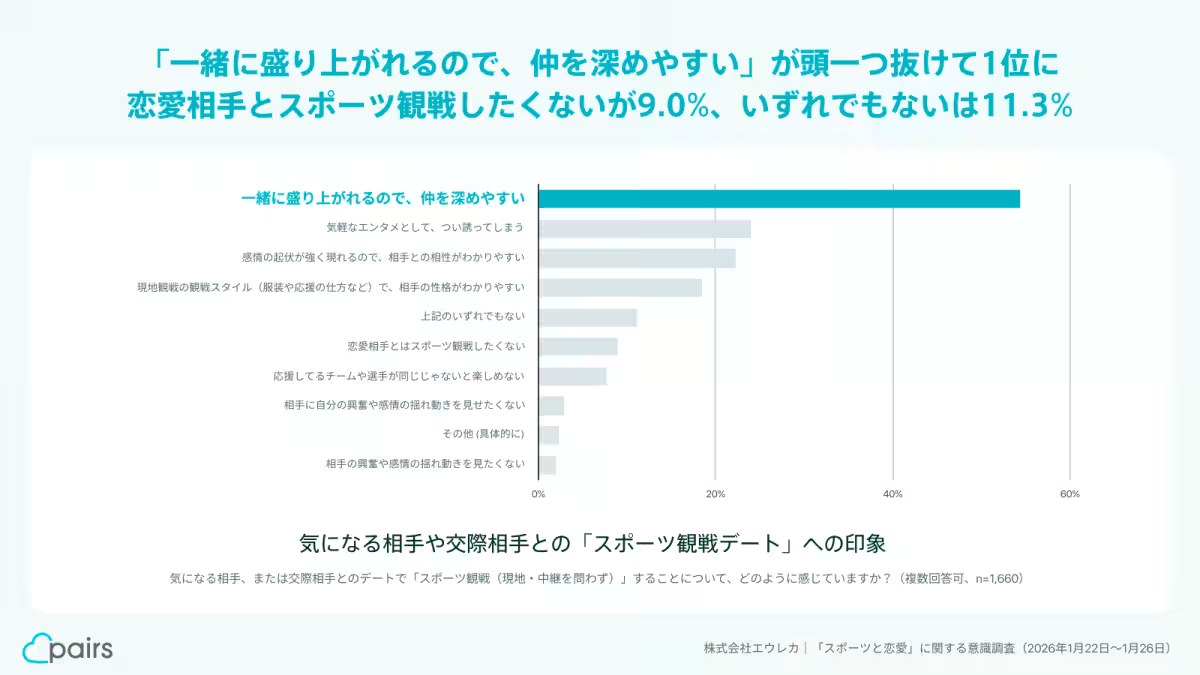
In the context of shared activities between romantic partners, the study emphasized that couples often prefer shared experiences in sports. About 41.5% of participants expressed a desire to engage in both playing and watching sports together. This aligns with the notion that couples feel closer when doing enjoyable activities together. Notably, 54.5% believed watching sports together helps deepen their relationship.
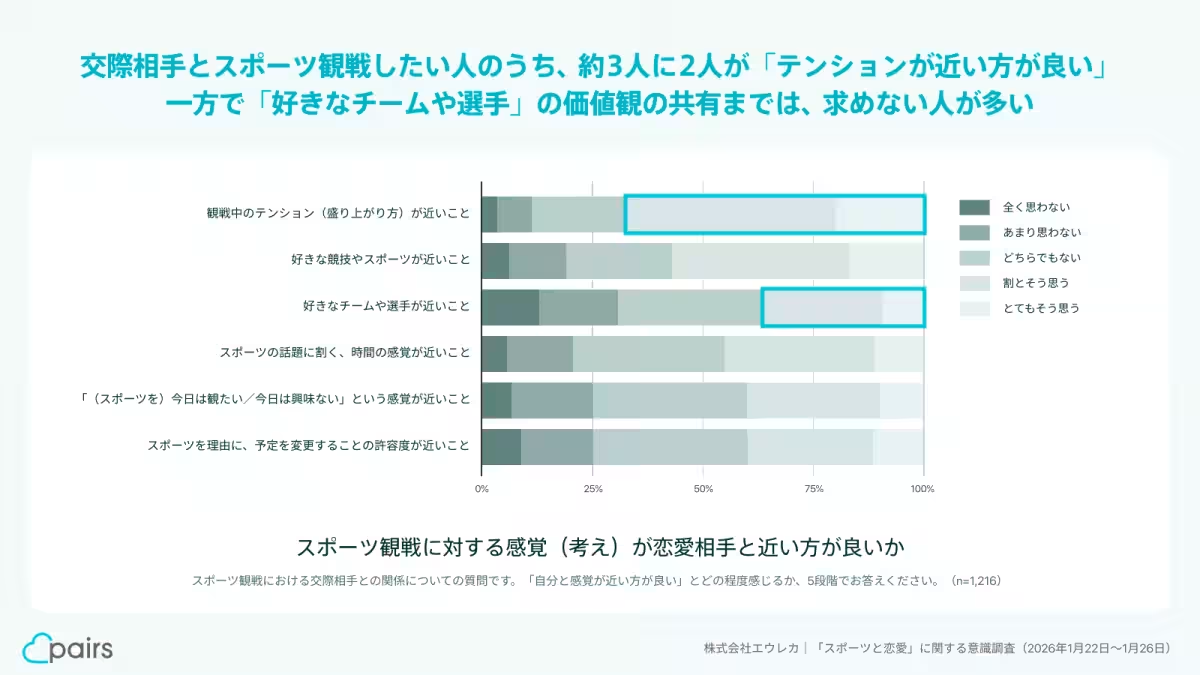
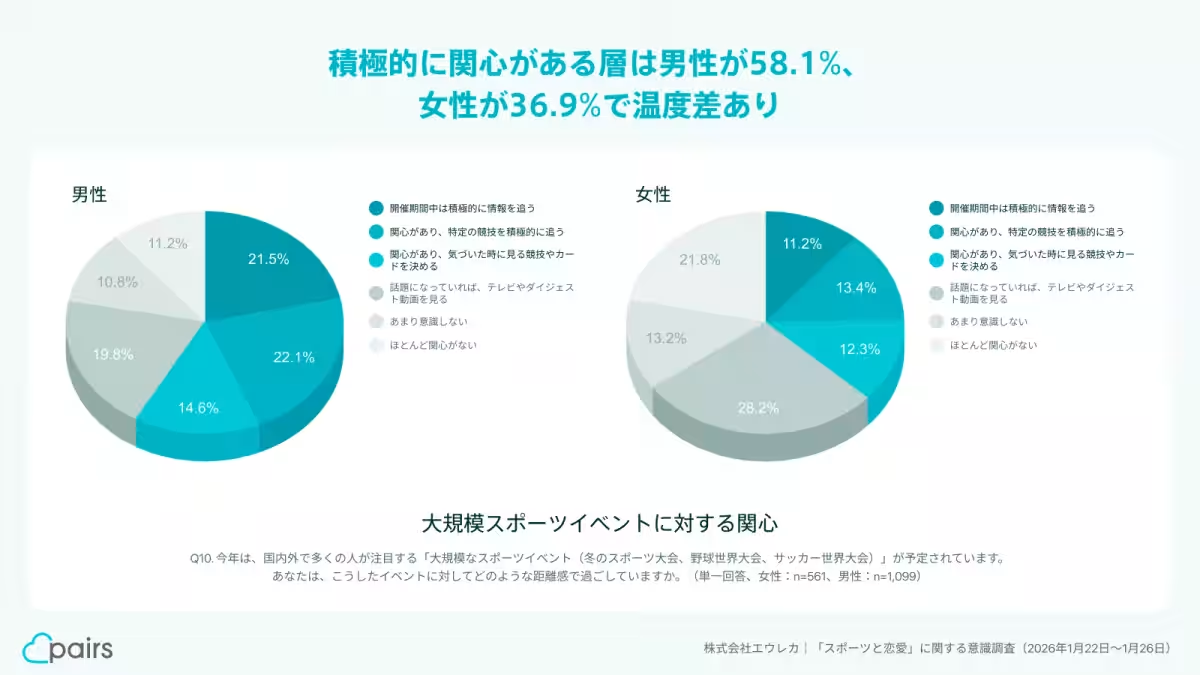
Next, the survey delved into respondents' sentiments regarding upcoming major sporting events, like the Winter Sports Festival and the World Cup. The interest in these events was significantly higher among males (58.1%) compared to females (36.9%). This disparity extends to the anticipated desire for partners to share the excitement of these events, with 70.4% of men and 73.4% of women desiring their partners to have similar enthusiasm towards these occasions. This gender gap presents an intriguing aspect of the dynamics between sports interest and romantic connections.
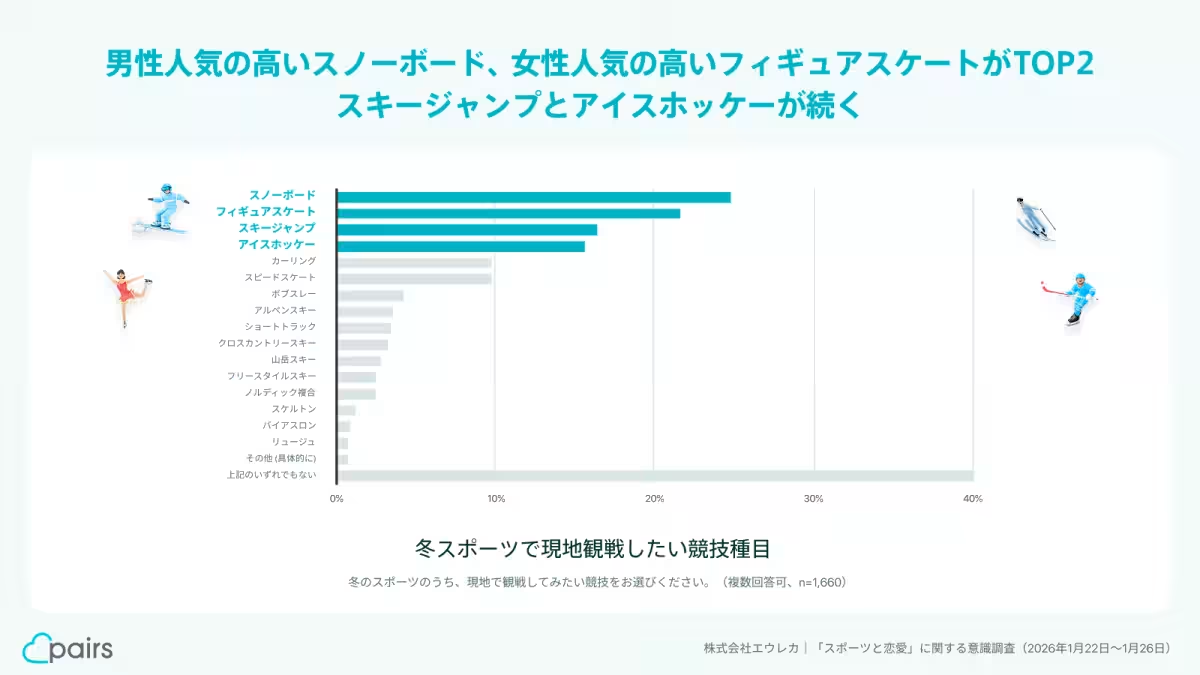
As Valentine's Day approaches, the survey also examined which winter sports participants are eager to watch live. The results highlighted snowboarding as the most desired (24.9%), followed by figure skating (21.7%) and ski jumping (16.5%). Interestingly, males favored snowboarding, while females showed a strong preference for figure skating.
Understanding these preferences and insights is essential for individuals navigating romance in conjunction with sports. For instance, the shared experience of being a sports fan can create a bond between partners, leading to shared memories and deeper connections. Couples using the Pairs platform can explore potential matches who align with similar sporting interests or values. Such matchmaking initiatives address the desire for shared beliefs and hobbies, which are increasingly prevalent in today's fast-paced society.
In conclusion, the findings from this survey underline the intricate relationship between sports and romantic relationships, offering key insights into attraction factors and shared experiences. Whether it is engaging in physical activities together or cheering for teams during major sporting events, these activities seem to play a significant role in attractiveness and relationship building. And as the sports year of 2026 approaches, acknowledging these interests could shape meaningful connections for many users of Pairs.
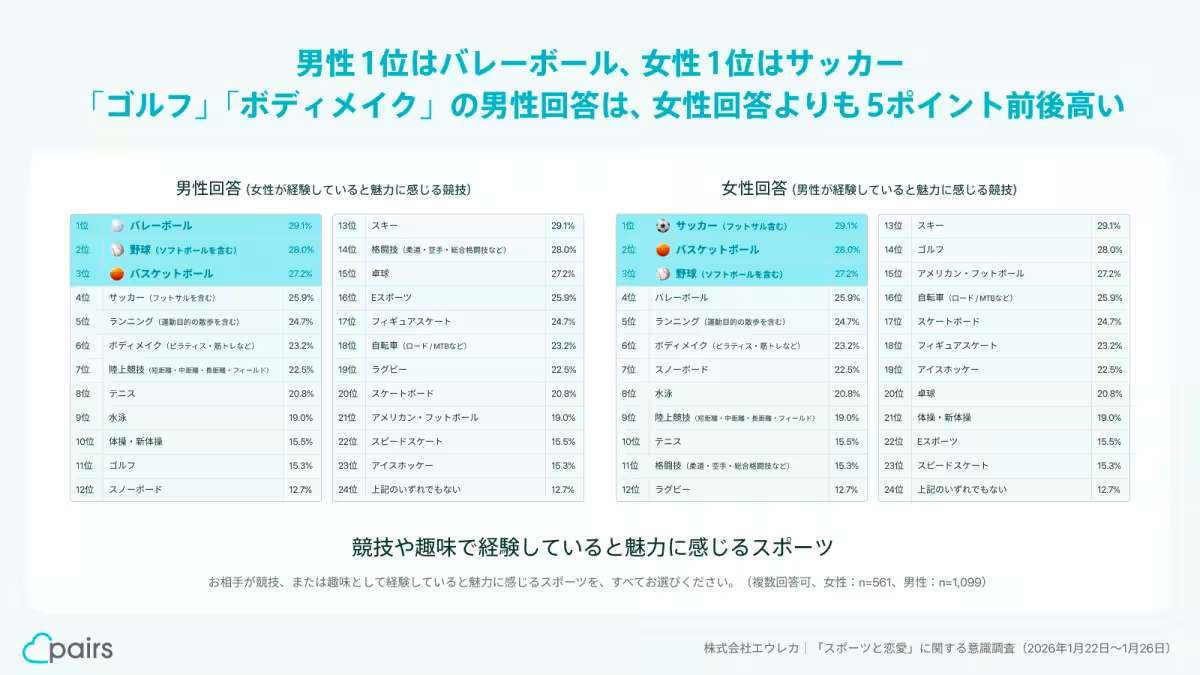
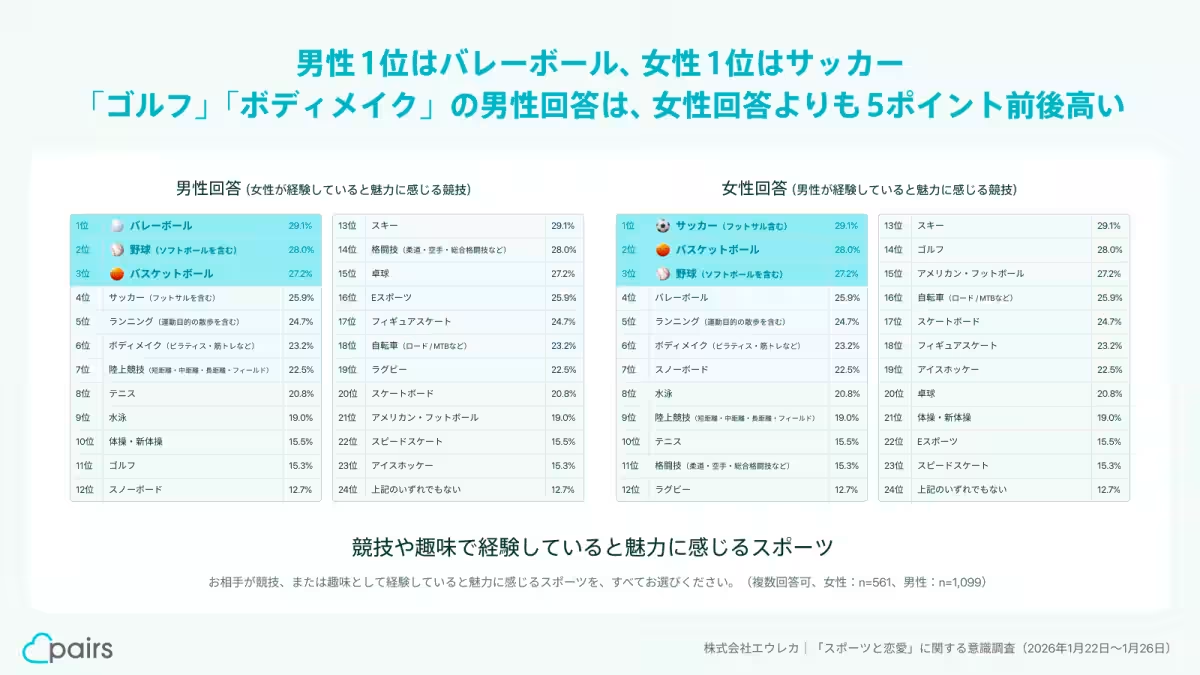
The survey specifically addressed the inquiry into what sports individuals find attractive based on their partners' experiences. According to the survey results, volleyball emerged as the most appealing sport when women have participated, ranking number one for male respondents at 29.1%. Following closely was baseball (including softball) at 28.0% and basketball at 27.2%. Women, on the other hand, found soccer, including futsal, to be the most attractive sport for their partners, receiving 39.6% of female votes. Basketball also ranked highly for women at 38.9%, with baseball coming in at 38.5%.
Furthermore, the study explored the overall interest in sports among respondents. It showcased that 81.8% of the gathered participants showed some level of interest in sports, while about two-thirds reported participating in sports at least once a month. However, an interesting twist revealed that around 22.7% of sports fans admitted to having not engaged in any form of watching sports over the past year. This statistic indicates that even with a robust interest in sports, there remains a disconnect when it comes to actual participation in watching events.
In the context of shared activities between romantic partners, the study emphasized that couples often prefer shared experiences in sports. About 41.5% of participants expressed a desire to engage in both playing and watching sports together. This aligns with the notion that couples feel closer when doing enjoyable activities together. Notably, 54.5% believed watching sports together helps deepen their relationship.
Next, the survey delved into respondents' sentiments regarding upcoming major sporting events, like the Winter Sports Festival and the World Cup. The interest in these events was significantly higher among males (58.1%) compared to females (36.9%). This disparity extends to the anticipated desire for partners to share the excitement of these events, with 70.4% of men and 73.4% of women desiring their partners to have similar enthusiasm towards these occasions. This gender gap presents an intriguing aspect of the dynamics between sports interest and romantic connections.
As Valentine's Day approaches, the survey also examined which winter sports participants are eager to watch live. The results highlighted snowboarding as the most desired (24.9%), followed by figure skating (21.7%) and ski jumping (16.5%). Interestingly, males favored snowboarding, while females showed a strong preference for figure skating.
Understanding these preferences and insights is essential for individuals navigating romance in conjunction with sports. For instance, the shared experience of being a sports fan can create a bond between partners, leading to shared memories and deeper connections. Couples using the Pairs platform can explore potential matches who align with similar sporting interests or values. Such matchmaking initiatives address the desire for shared beliefs and hobbies, which are increasingly prevalent in today's fast-paced society.
In conclusion, the findings from this survey underline the intricate relationship between sports and romantic relationships, offering key insights into attraction factors and shared experiences. Whether it is engaging in physical activities together or cheering for teams during major sporting events, these activities seem to play a significant role in attractiveness and relationship building. And as the sports year of 2026 approaches, acknowledging these interests could shape meaningful connections for many users of Pairs.
Topics People & Culture)



【About Using Articles】
You can freely use the title and article content by linking to the page where the article is posted.
※ Images cannot be used.
【About Links】
Links are free to use.