



Exploring Self-Understanding: The Impact of Generative AI Tools on Young Adults' Insights
The Rise of Generative AI in Self-Understanding
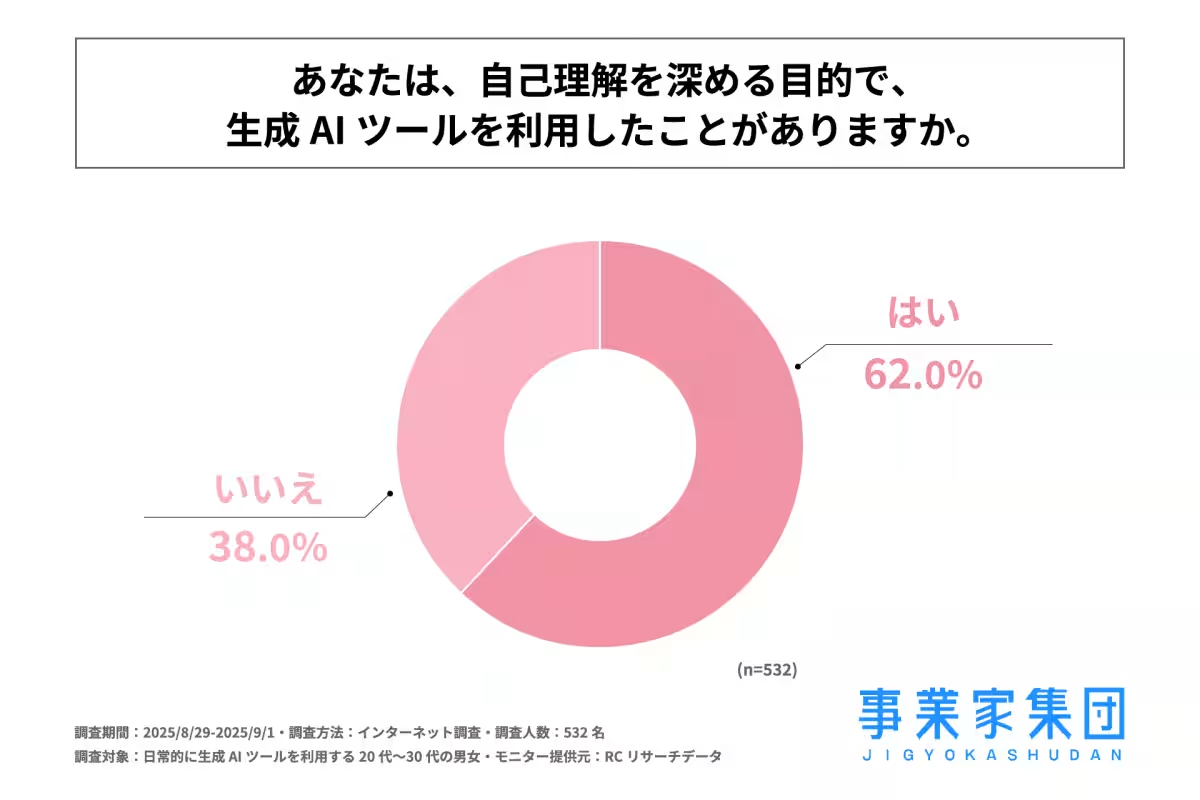
In recent years, generative AI tools like ChatGPT have revolutionized not only workplaces but also personal spaces, particularly in helping individuals grapple with self-understanding. A survey conducted by the Jigyoka Group's 'Anti Zukan' project highlights that over 60% of young adults in their 20s and 30s utilize generative AI for introspection purposes, revealing insights on how these tools assist them in understanding their thoughts, emotions, and decisions.
Background of the Survey
The unprecedented adoption of generative AI in personal reflection has created a new dynamic in how individuals approach their inner challenges. While AI offers an unbiased and accessible platform for discussions about careers and relationships, there has been a notable scarcity of data regarding its actual usage for self-discovery. In light of this, the survey aims to uncover the real behaviors and attitudes of users aged 20 to 30 who regularly engage with these tools.
Key Findings
1. High Usage for Self-Understanding: The survey conducted from August 29 to September 1, 2025, gathered responses from 532 participants aged between 20 and 30. It recorded that 62% of the respondents have turned to generative AI for deepening their self-understanding.
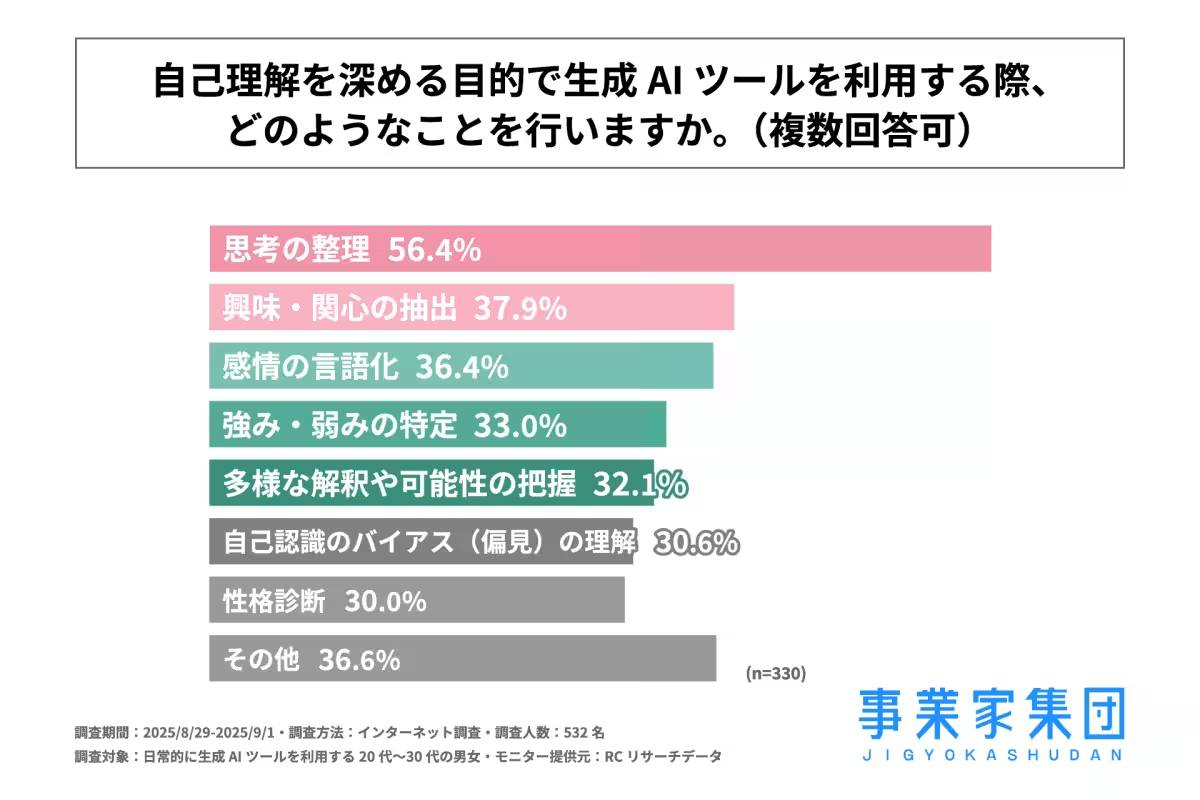
2. Primary Purpose: Among those who have utilized these tools for self-exploration, a significant 56.4% cited 'organizing thoughts' as their main activity. This suggests a prevalent trend in using AI to streamline complex feelings and thoughts into manageable insights.
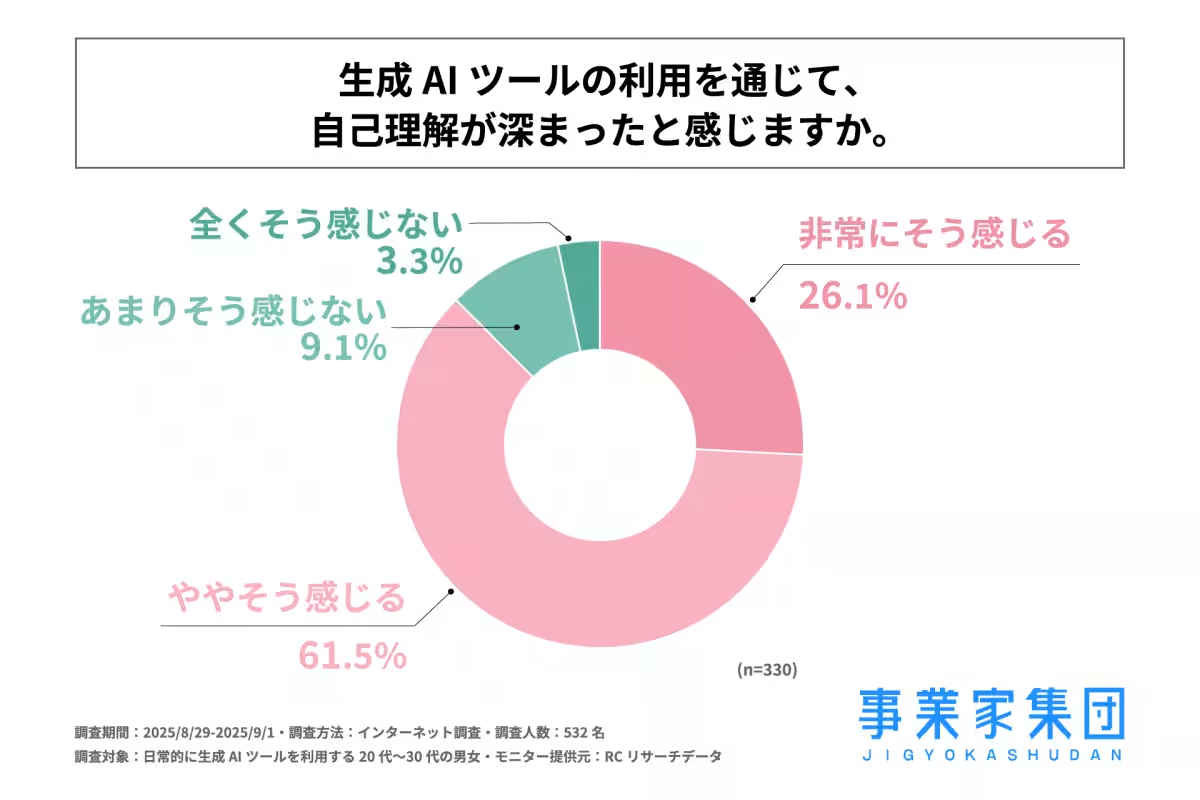
3. Perceived Impact: Notably, about 87.6% of participants felt that their experience with AI has positively influenced their self-perception, indicating that these tools can bridge the gap in personal exploration.
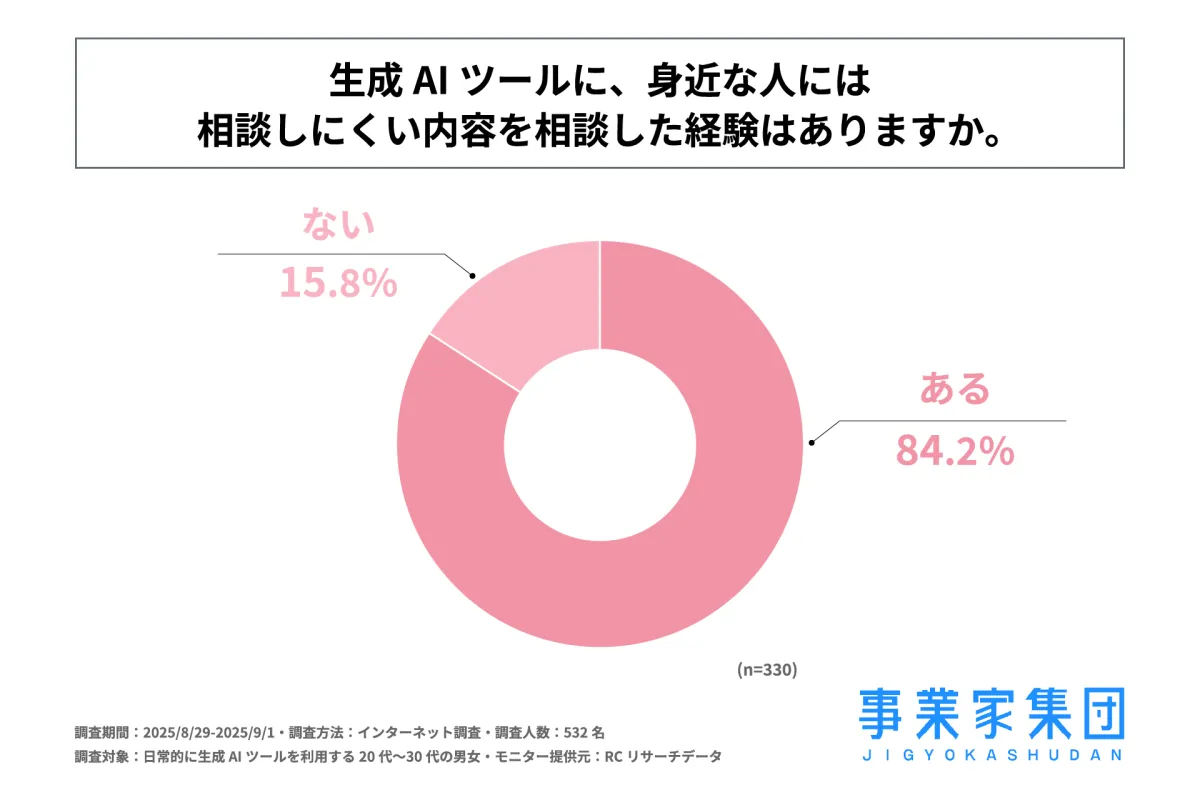
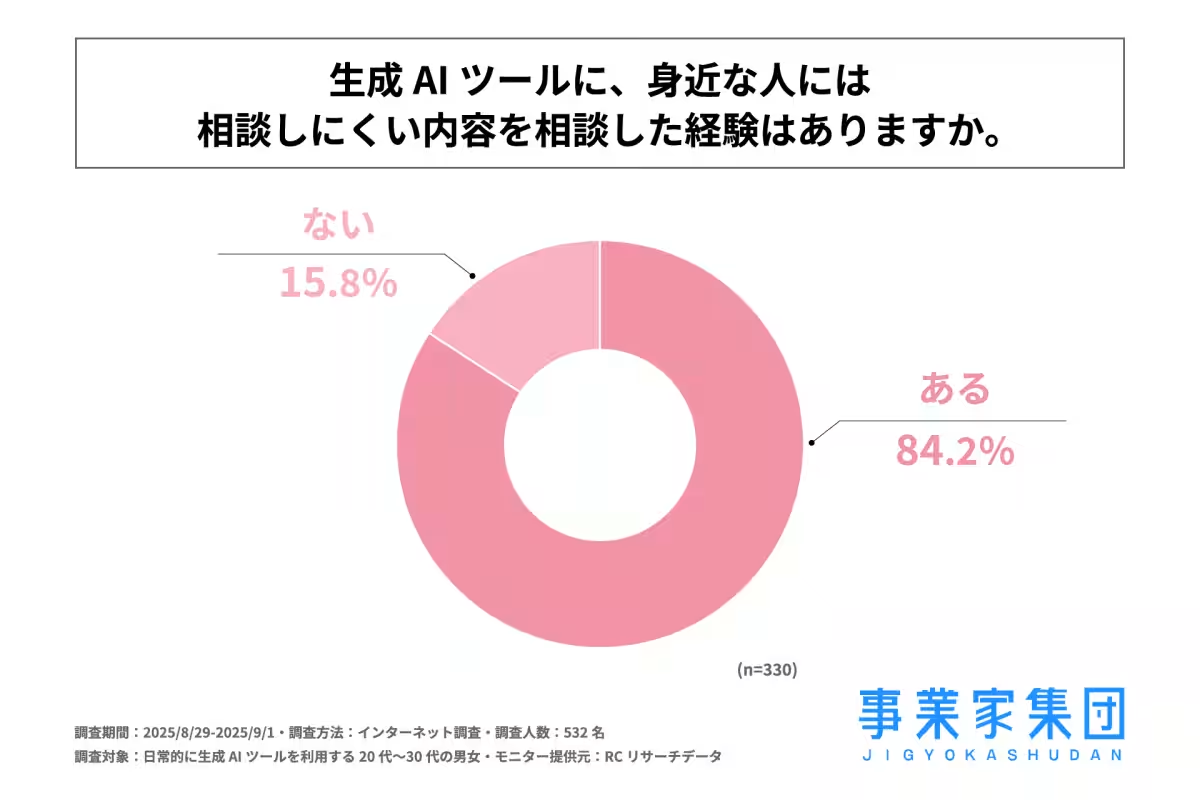
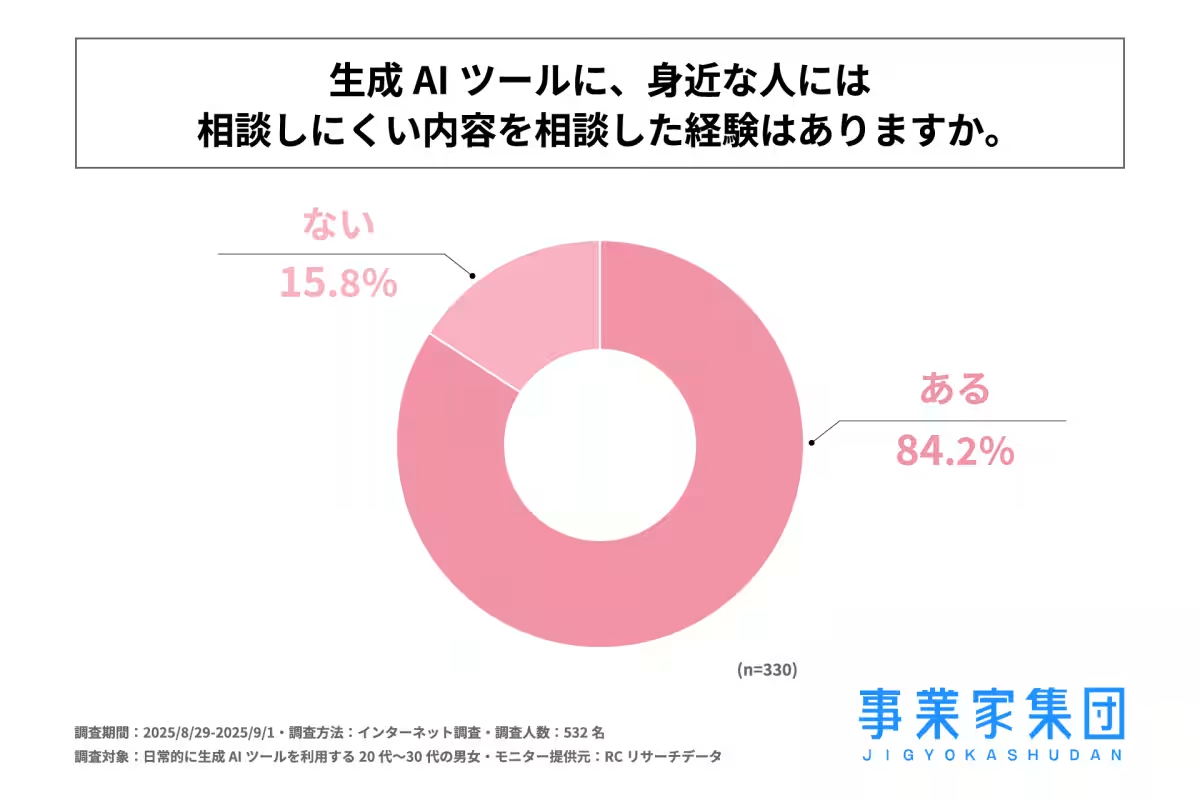
4. Confidentiality: Approximately 84% of users admitted to confiding in AI about matters they find difficult to share with close friends or family, suggesting that privacy and ease of access significantly contribute to AI's appeal in such sensitive areas.
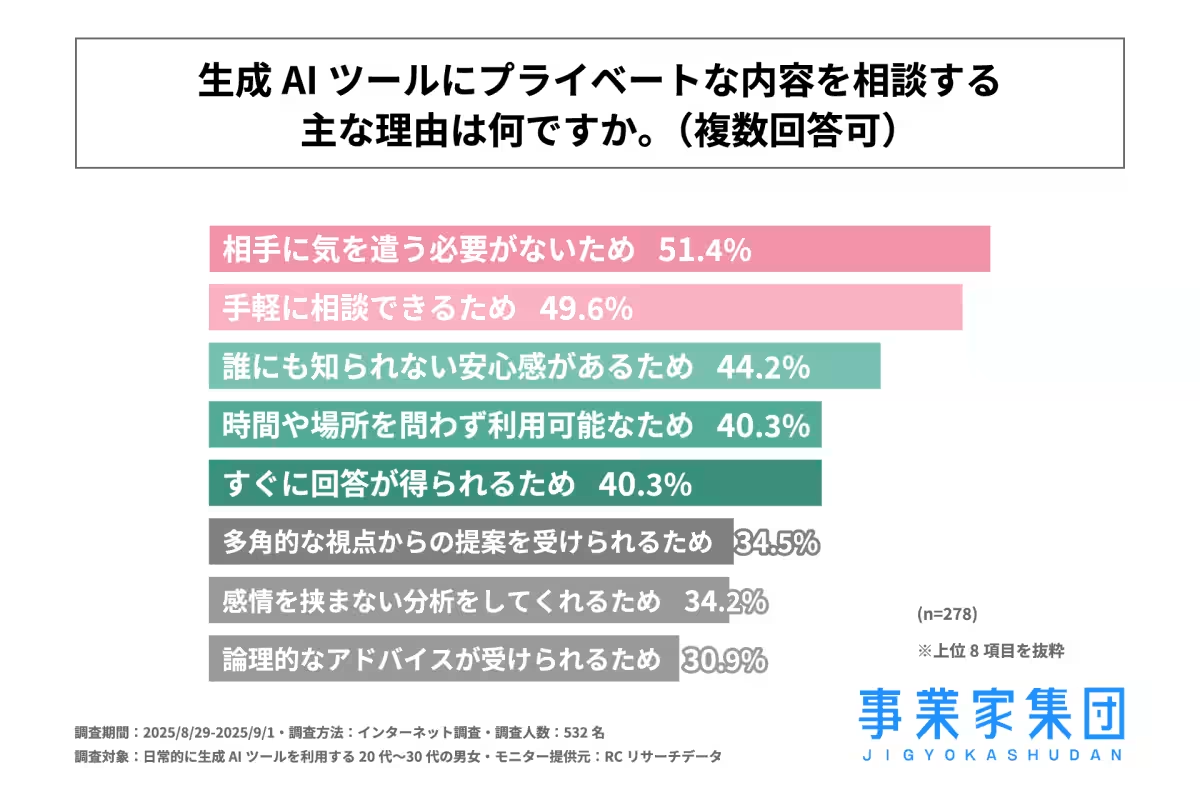
5. Compelling Reasons: The top reasons for seeking AI's insights included the lack of social obligation (51.4%) and convenience of communication (49.6%). This indicates a shift in how young adults are choosing to navigate their emotional landscapes.
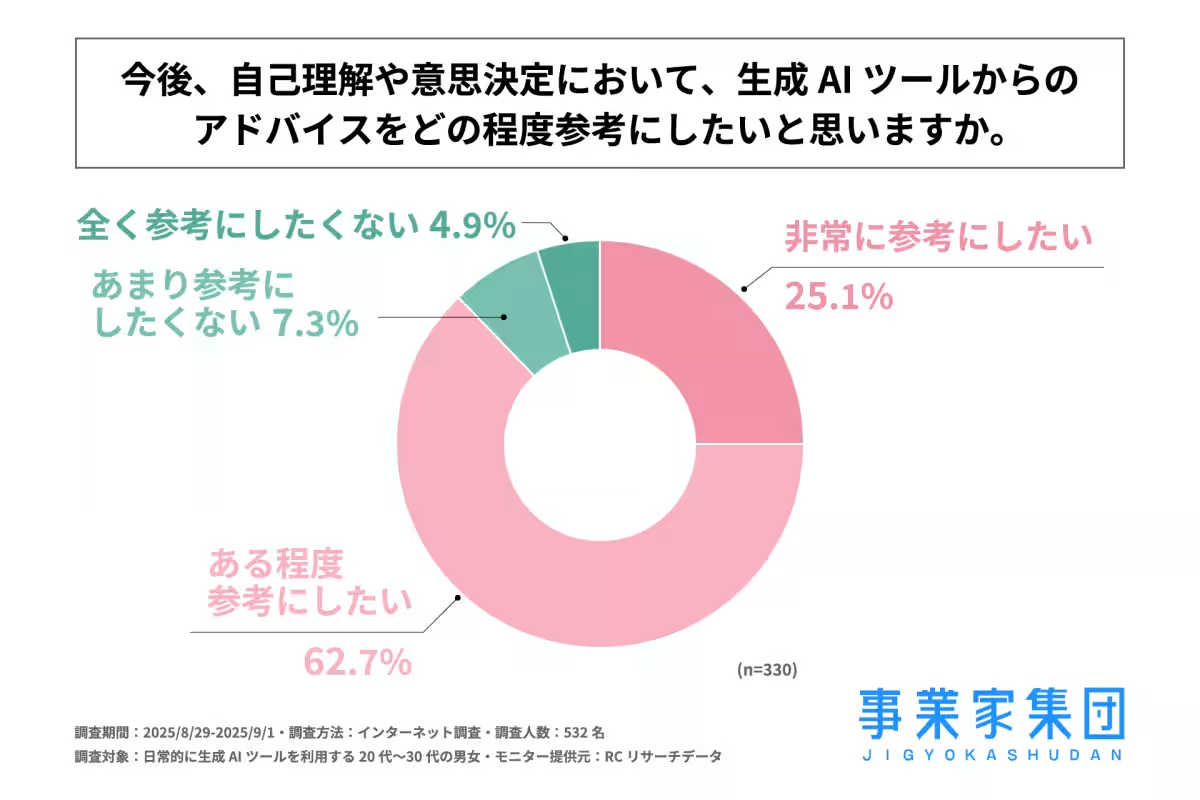
6. Future Engagement: Lastly, around 87.8% of respondents expressed a desire to incorporate AI advice into their future self-understanding and decision-making processes, signifying a growing trust in these technological companions.
Conclusion
The survey by the Jigyoka Group has illuminated a significant trend among young adults using generative AI to actively engage in self-discovery. It showcases how this demographic is leaning on AI not just for practical opinions but for deeper personal insights as well. The 'Anti Zukan' platform, designed by the Jigyoka Group, serves as an innovative resource that encourages such self-exploration through its unique character-driven lens, effectively empowering individuals to better understand and confront their inner conflicts. This paradigm shift is indicative of a broader acceptance of technology as an ally in personal growth, debunking the notion that introspection must always occur in human interaction. As generative AI continues to evolve, its role in the realm of self-understanding could very well define the future of personal reflection and emotional intelligence today.
For more insights on this innovative platform, visit Anti Zukan.

Topics People & Culture)
【About Using Articles】
You can freely use the title and article content by linking to the page where the article is posted.
※ Images cannot be used.
【About Links】
Links are free to use.