



Are You Aware of Food Waste in Your Refrigerator? The Hidden Cost of Saving Money
Understanding the Hidden Costs of Food Waste
In recent years, the issue of food waste has started to gain significant attention as societies strive for sustainability, particularly in connection with the Sustainable Development Goals (SDGs). Nwith Co., Ltd., based in Chuo-ku, Tokyo, took the initiative to conduct an awareness survey on food waste and eating habits among 100 individuals aged between 20 to 50. The findings reveal a paradox wherein the intent to save money inadvertently leads to unhealthy dietary habits, giving rise to what can be termed as "food waste poverty."
Survey Insights
Awareness vs. Action
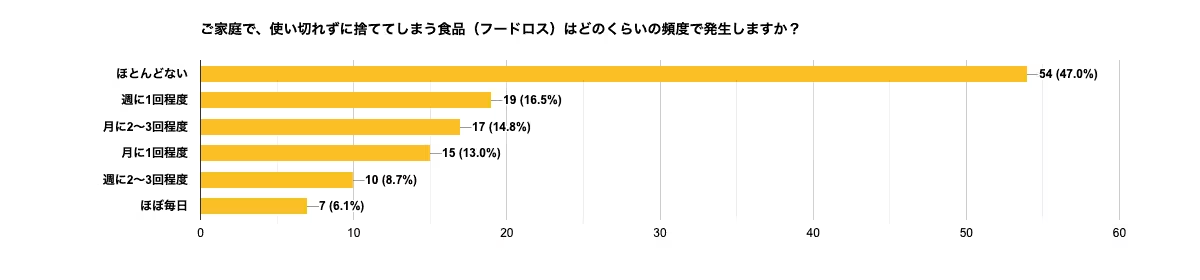
The survey's results indicate that 84.3% of respondents are aware of the term "food waste," yet interestingly, 53.0% reported discarding food at home at least once a week. This disparity underscores a significant gap between awareness and action, highlighting that while many are conscious about food waste, they fail to act according to this awareness.
The 'Just Buy' Mentality and Its Consequences
A notable 52.1% admit to buying food items without a planned menu, landing them in situations where they forget purchases or let items expire in the refrigerator. Such behaviors are likely contributors to food waste, as they create ‘forgotten’ items that end up discarded. This phenomenon exhibits how impulse buying reinforces a cycle of waste, thus unnecessarily inflating grocery bills.
The Health Dilemma of Budgeting
Moreover, around 50% confessed to choosing cheaper, lower-nutritional foods in the name of saving money. This mindset emphasizes a troubling trend where financial constraints lead to compromises in nutritional value, presenting a health risk that many might overlook.
The 'Waste Not' Syndrome
A staggering 70% of respondents echoed they have eaten despite feeling full, solely due to the belief that it might be ‘wasteful’ to leave food uneaten. Such conditioning fosters unhealthy eating practices that intertwine the desire to reduce food waste with overconsumption, which can lead to health implications like weight gain or digestive issues.
Economic Implications
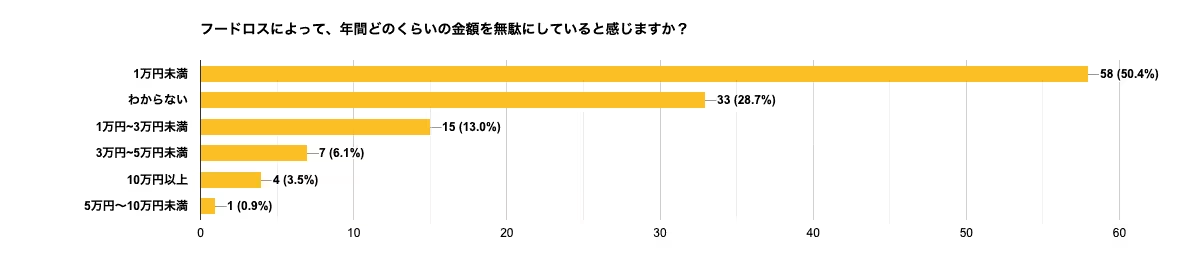
The survey also explored the economic impacts of food waste. When asked how much they felt they were wasting in monetary terms due to food waste, an alarming 72.5% mentioned they believed their losses exceeded 10,000 yen annually. This statistic reflects a lack of awareness among some regarding the economic ramifications of food waste, revealing a significant portion of individuals either unaware or not actively contemplating the cost of their wasteful habits.
Additionally, the tendency to make unplanned purchases at supermarkets persists, with approximately 49.6% admitting to often buying ingredients on impulse without planning. This behavior not only leads to food waste but perpetuates the ‘food waste poverty’ cycle, resulting in missed savings opportunities.
A Nutritional Perspective
Diving deeper into the relationship between food waste reduction and individual health, about 50% admitted compromising on nutrition for cost. In stark contrast, 60.9% felt their diets lacked balance due to these choices, illustrating a growing concern regarding food quality in pursuit of saving expenses.
A concerning pattern is emerging where the guilt of wasting food leads to unhealthy eating habits, confirming that while initiatives aimed at reducing food waste are crucial, these efforts should not detract from personal health needs. 67.8% also noted they felt pressured to eat beyond satisfaction, creating unhealthy eating patterns.
CHONPS: A Solution for Healthier Eating
To combat the issues posed by food waste and promote healthier eating habits, online meal guidance service CHONPS offers personalized support. Backed by registered dietitians, CHONPS facilitates tailored meal plans focusing on reducing food waste and optimizing nutritional intake. This innovative service bridges the gap between food waste reduction and maintaining a balanced diet.
Managing Nutrition Amid Food Waste Initiatives
According to Ai Otsuka, a Nutrition Specialist at CHONPS, these findings reveal the complexities surrounding food waste reduction and health balance. While actions to curb waste can be beneficial, they should not compromise dietary quality or health. Instead, conscious meal-preparation practices that consider nutritional value can lead to a more sustainable and healthier lifestyle.
Final Thoughts
Recognizing the interplay between food waste and health is critical. Campaigns aiming to reduce food wastage must include clear guidelines on implementing effective meal planning, strategic ingredient usage, and understanding personal dietary needs. The goal should transition from merely finding ways to save to finding enjoyable, healthy habits that align with sustainability efforts. As we delve deeper into food waste reduction practices, understanding its connection with personal well-being will be paramount in fostering a healthier and more sustainable future.








Topics People & Culture)

【About Using Articles】
You can freely use the title and article content by linking to the page where the article is posted.
※ Images cannot be used.
【About Links】
Links are free to use.