



Generational Perspectives on Ideal Work Styles in the Post-Pandemic Era
Introduction
In a recent survey conducted by LASSIC, a leading company advocating for flexible working environments, compelling insights emerged regarding the future of work. The survey focused on the preferences of workers in different generations and aimed to uncover their ideal work styles in the wake of the pandemic. As traditional in-office work regains popularity, it is crucial to understand the shift in preferences among different age groups.
Significance of Remote Work
Since the onset of the COVID-19 pandemic, remote work has witnessed an unprecedented rise. The need for social distancing, coupled with advancements in technology, has made remote working not just a necessity but a cherished option for many. Interestingly, LASSIC’s survey reveals that only 6.9% of the 1,003 respondents advocate for a full office return, while a robust 71.6% favor either full remote or hybrid work arrangements. The results suggest a clear inclination among workers towards retaining the flexibility introduced by remote work.
Survey Insights: Preferences of the Workforce
Upon analyzing the data, we find that preferences diverge distinctly among different demographics:
- - Full Remote: 17.1% of respondents prefer to work entirely remotely.
- - Hybrid Model: A significant 54.5% indicated a preference for a hybrid setup, which offers the flexibility of remote working with some in-office days.
- - Full On-site: Only 6.9% of individuals wish to return to fully in-person work.
- - Other: 21.4% expressed preferences outside these categories.
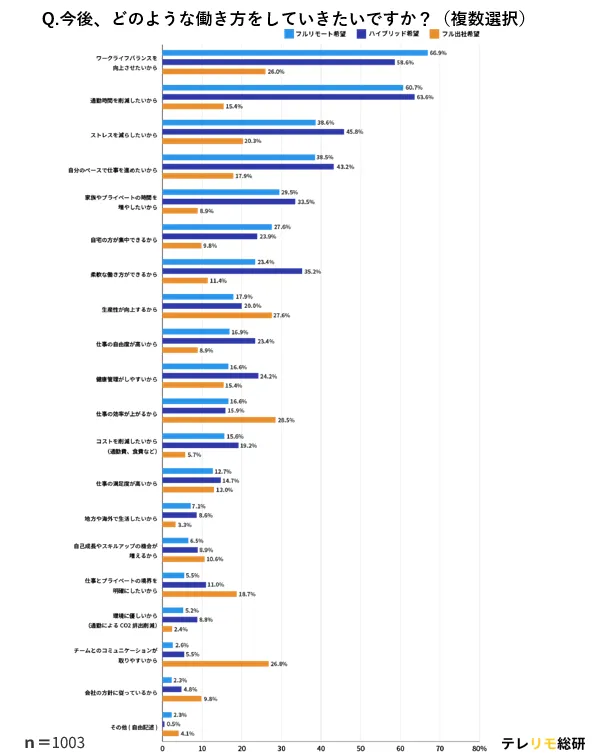
This distribution reflects a growing desire to sustain the work-life balance that remote work fosters, with participants highlighting reasons such as reduced commute times and the ability to focus more on their families. The survey indicates a substantial cultural shift where work is viewed more as a component of life rather than its center.
Generational Disparities
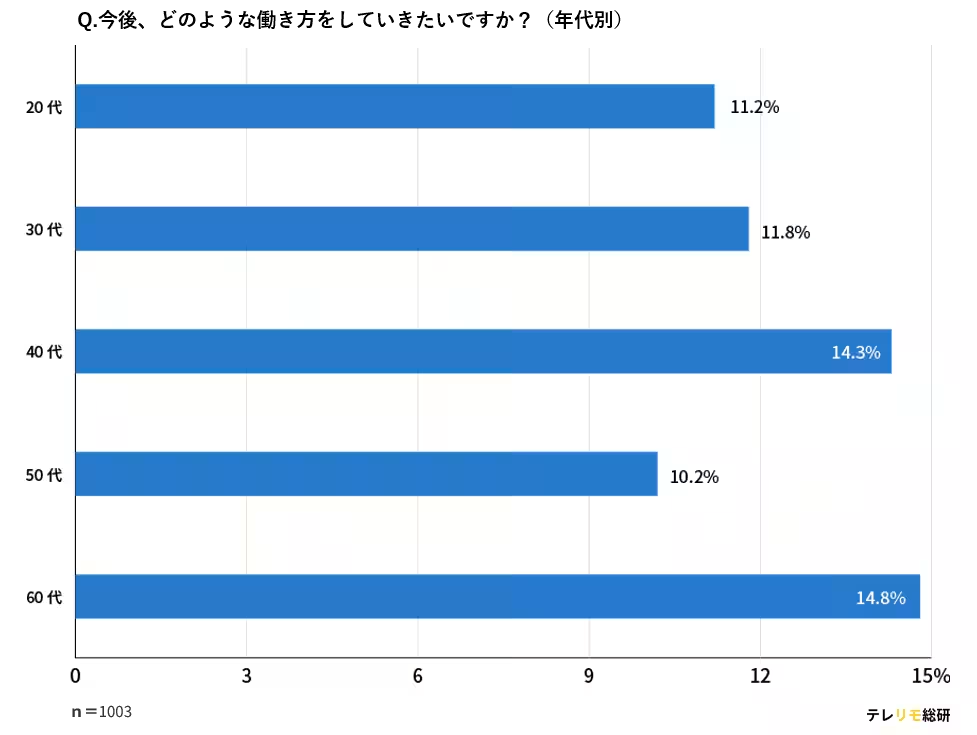
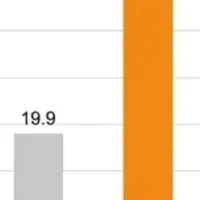
Diving deeper into the generational aspect, we observe that support for full in-office work predominantly arises from the 40s and 60s age groups. The 40s demographic, comprising many individuals with older children, tends to favor on-site work for better focus. In contrast, the 60s cohort has spent the majority of their careers in traditional office settings, where the notion of 'work means being at the office' is deeply ingrained.
Conversely, the 50s age group, positioned between these two, shows a more flexible attitude towards working styles. Perhaps they have adjusted to a conducive home environment due to children’s independence or have been influenced by the economic shifts of their generation, allowing a higher acceptance of remote work.
Health Considerations in Work Style Choices
A noteworthy observation from LASSIC's results was that those preferring hybrid models ranked health management significantly higher than their counterparts wanting either full remote or full on-site work. This suggests that hybrid workers find a balance between productivity and personal well-being, which likely reflects a growing awareness of mental and physical health in today’s work culture.
These individuals adapt their weekly routines to incorporate physical activity—such as commuting or gym sessions—resulting in a balanced lifestyle rather than viewing hybrid work as a compromise.
Future of Work: Emphasizing Flexibility
The survey results invite organizations to reconsider their return-to-office strategies. With the hybrid model emerging as the most favored option, companies should aim to blend the advantages of remote flexibility with the benefits of in-person collaboration. This approach not only caters to diverse worker preferences but also enhances overall employee engagement.
Given today’s emphasis on diversity and inclusion, it’s crucial to avoid a one-size-fits-all approach to working styles. Companies adopting flexible arrangements can expect to attract and retain talent better while promoting a culture that values both productivity and personal well-being.
Conclusion
In summary, LASSIC's survey illustrates a significant shift in workplace dynamics, showcasing a generational divide that highlights the necessity for adaptable work options in the evolving landscape of work. Embracing these insights may ultimately lead to a more satisfied and engaged workforce in the post-pandemic world.
About LASSIC
Founded in 2006, LASSIC is dedicated to revitalizing regional economies through technology and innovative practices. With a strong commitment to enhancing employees' quality of work life, they aim to create effective remote work strategies that benefit both personal and organizational objectives.
Topics People & Culture)
【About Using Articles】
You can freely use the title and article content by linking to the page where the article is posted.
※ Images cannot be used.
【About Links】
Links are free to use.