



FANCL's Breakthrough Study Reveals Key Factors in Skin Elasticity
Understanding Skin Elasticity: Recent Research by FANCL
FANCL, a leading skincare brand, has made a significant breakthrough in our understanding of skin elasticity. Traditionally, elastin fibers have been known for supporting skin firmness and elasticity, but new research suggests that this depends not only on the quantity of elastin but also on the thickness of the fibers and how well they connect with one another.
The Study's Innovations
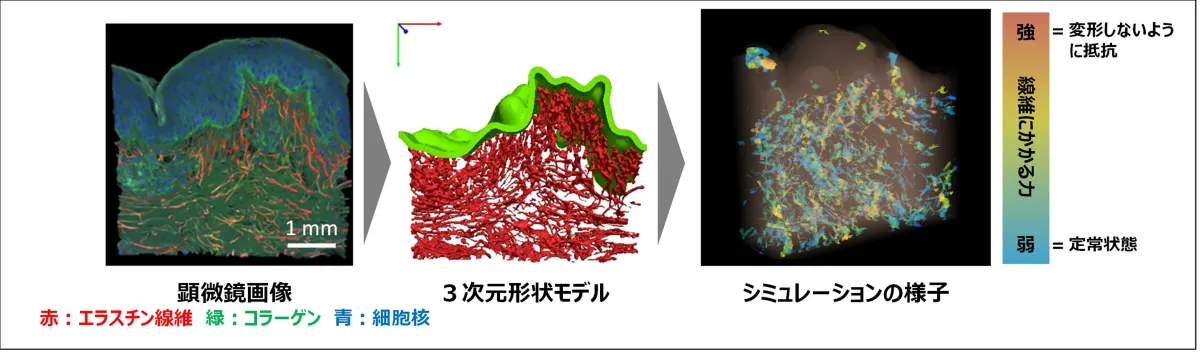
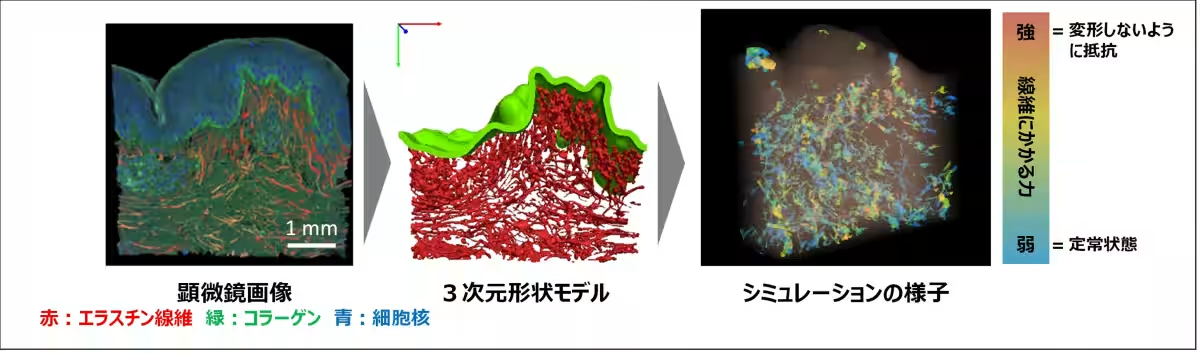
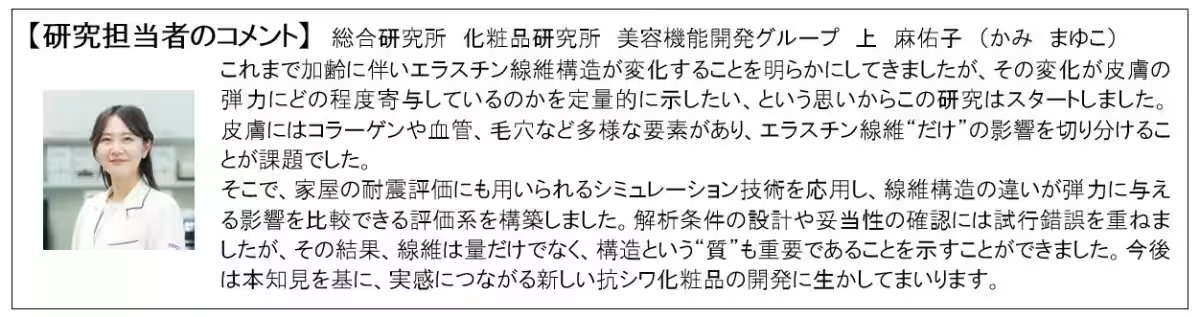
In collaboration with Yamaguchi University, FANCL researchers developed an innovative 3D simulation evaluation method to scrutinize the structural nuances of elastin fibers extracted from human skin. By recreating their 3D structure, they were able to apply forces digitally to predict skin elasticity differentials across ages. This cutting-edge approach has allowed scientists to visualize, for the first time, how aging impacts our skin's firmness and elasticity.
Key Findings
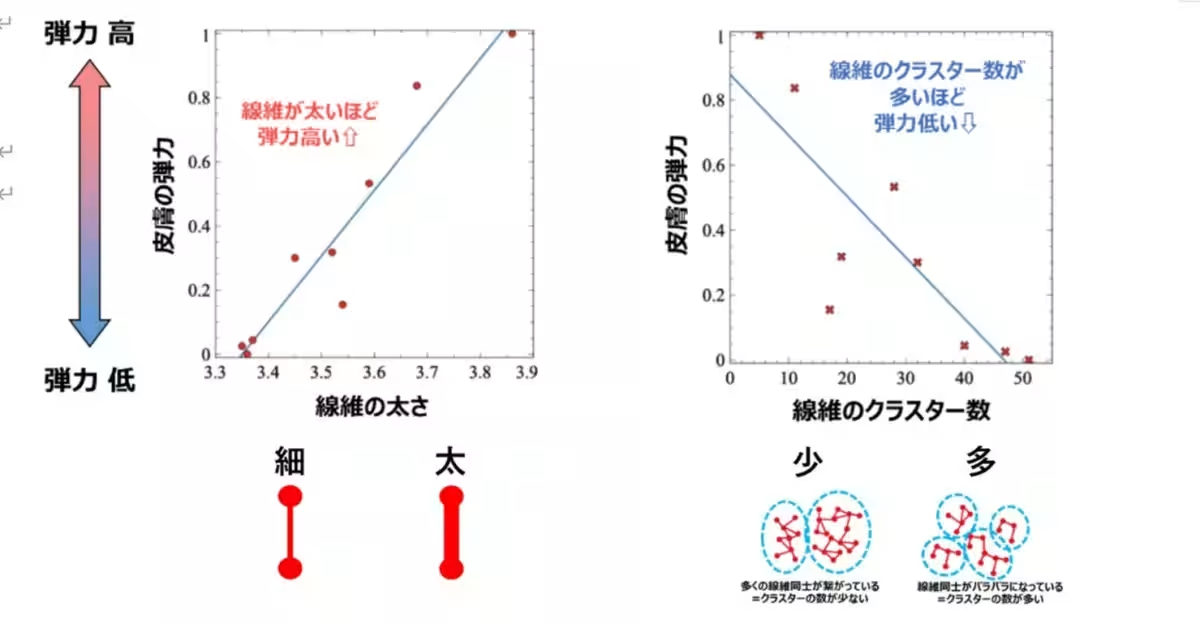
1. Thickness and Connectivity Matter: The study established that the quality of elastin fibers is pivotal in maintaining skin elasticity. Fibers that are thicker and well-connected enhance the skin's resilience.
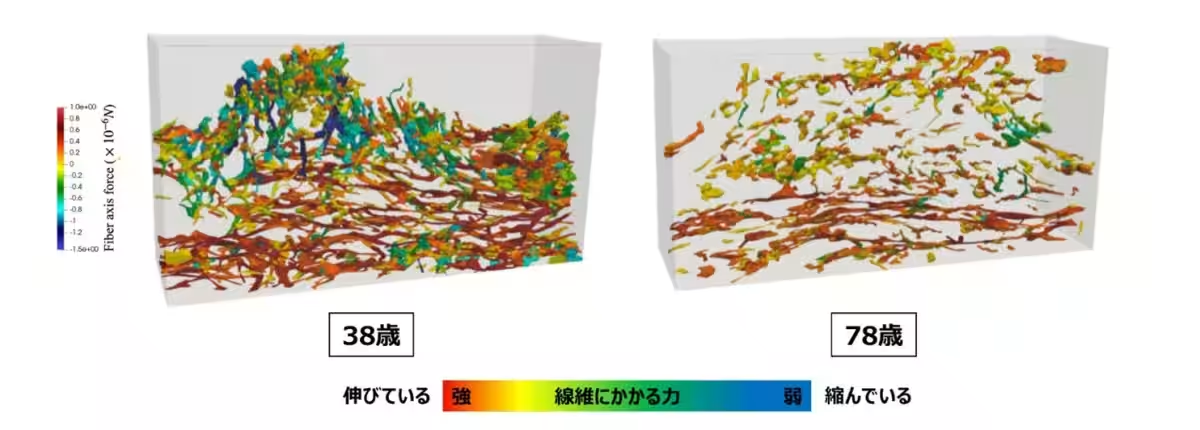
2. Age Comparison: The research involved modeling elastin fiber structure from both young and older skin. Young skin showcased robust elasticity, exhibiting thicker, longer fibers that formed a tightly knit network capable of absorbing and dissipating forces without damage. In contrast, older skin revealed significant elasticity loss, characterized by thinner, fragmented fibers that lacked cohesiveness.
3. Impact of Fiber Quality: The findings indicated a positive correlation between fiber thickness and elasticity, while more fragmented, disconnected fibers were linked to reduced skin resilience. The researchers noted that the number of fiber clusters, indicative of segmentation, negatively affected elasticity.
Implications for Anti-Aging Products
The implications of this research are vast. By elucidating how elastin fibers behave as we age, FANCL aims to leverage this knowledge in the formulation of more effective anti-aging skincare products. The results may lead to the discovery of new cosmetic components specifically targeted at preventing and reversing the degradation of elastin connections, promoting healthier skin structures.
The Path Forward
This research represents a significant advancement in dermatological science, with the potential to reshape the future of skincare. FANCL plans to continue exploring skin aging mechanisms and leverage these insights for innovative product development in the anti-aging domain. Their commitment marks a new frontier in understanding how specific physiological changes contribute to aging skin, paving the way for effective skincare interventions.
Conclusion
By focusing on the structural quality of elastin fibers rather than merely their quantity, FANCL's recent study invites a paradigm shift in the skincare industry. Moving forward, integrating these findings into practical applications will be instrumental in fostering a more youthful appearance and enhancing overall skin health.
This transformative research will not only enrich the scientific community's knowledge but also significantly benefit consumers seeking effective solutions for aging skin.
Topics Consumer Products & Retail)
【About Using Articles】
You can freely use the title and article content by linking to the page where the article is posted.
※ Images cannot be used.
【About Links】
Links are free to use.