



The Growing Distrust in E-commerce Reviews: Key Findings from 2026 Survey
The Growing Distrust in E-commerce Reviews
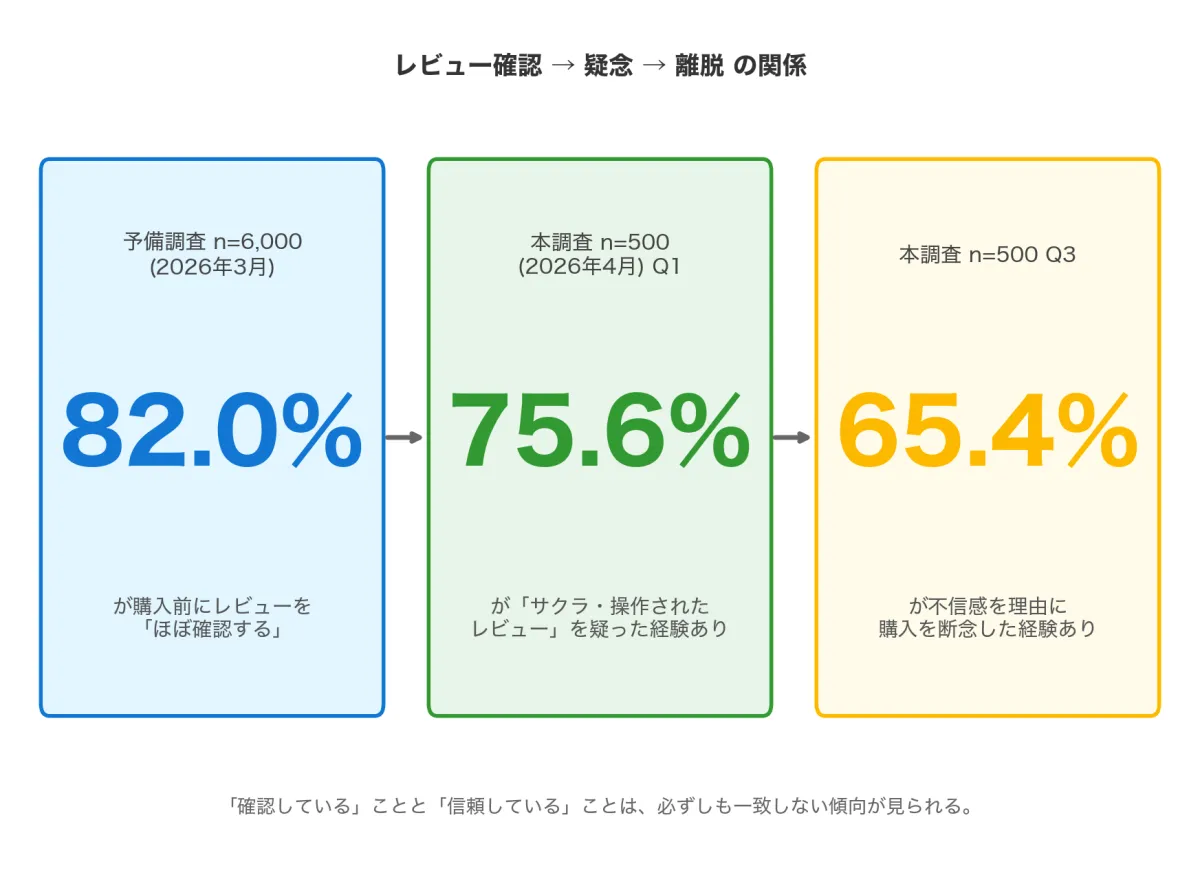
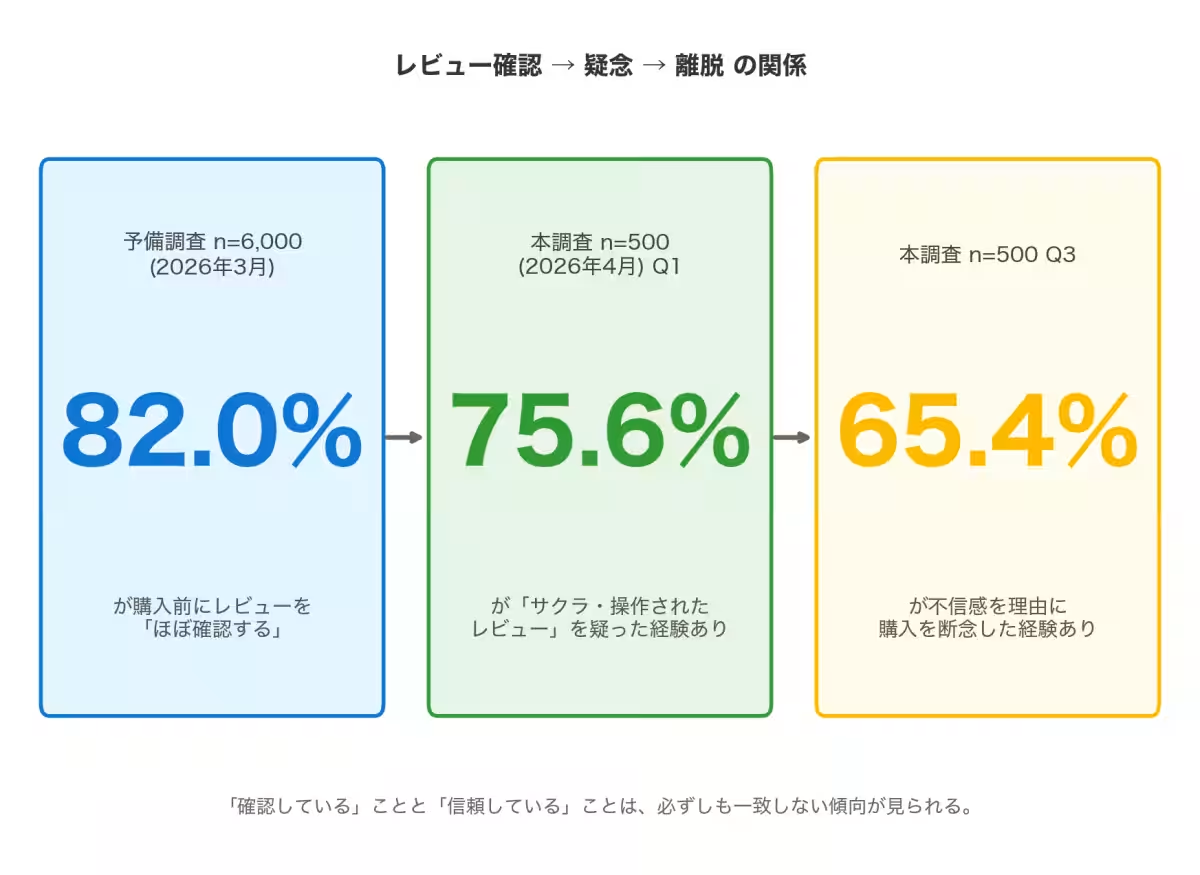
In a recent survey conducted by Spollup Co., Ltd., key findings reveal a significant trend in consumer attitudes towards e-commerce reviews. The firm, based in Chofu City, Tokyo, surveyed 500 active e-commerce users to assess the reliability of online reviews. This survey, titled "2026 Deep Dive Survey on E-commerce Review Reliability," succeeded an earlier preliminary survey of 6,000 participants conducted in March 2026. The survey highlights a compelling disconnect between consumer engagement with reviews and their trust in that information.
Major Insights from the Survey
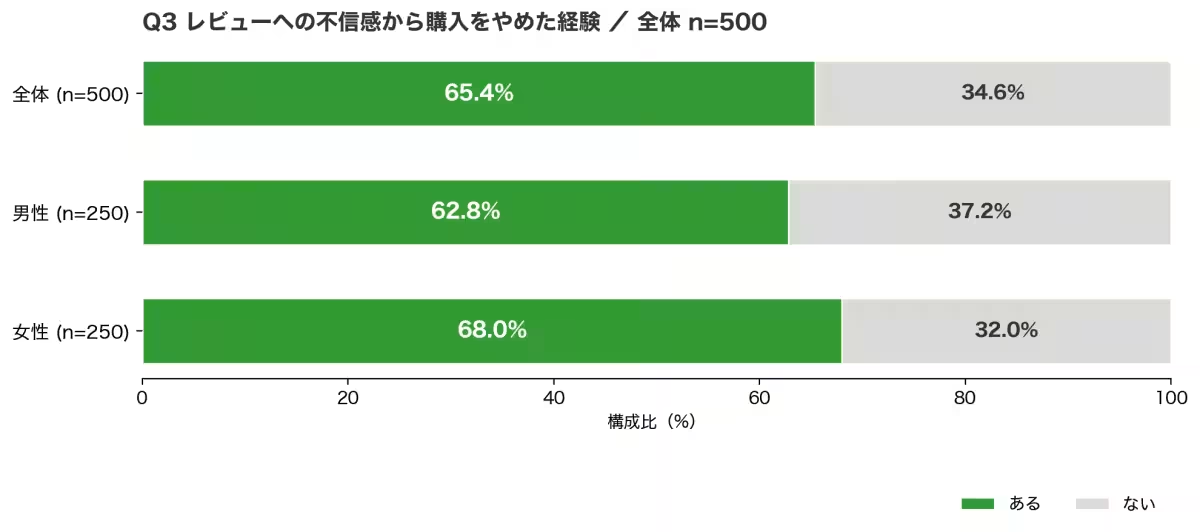
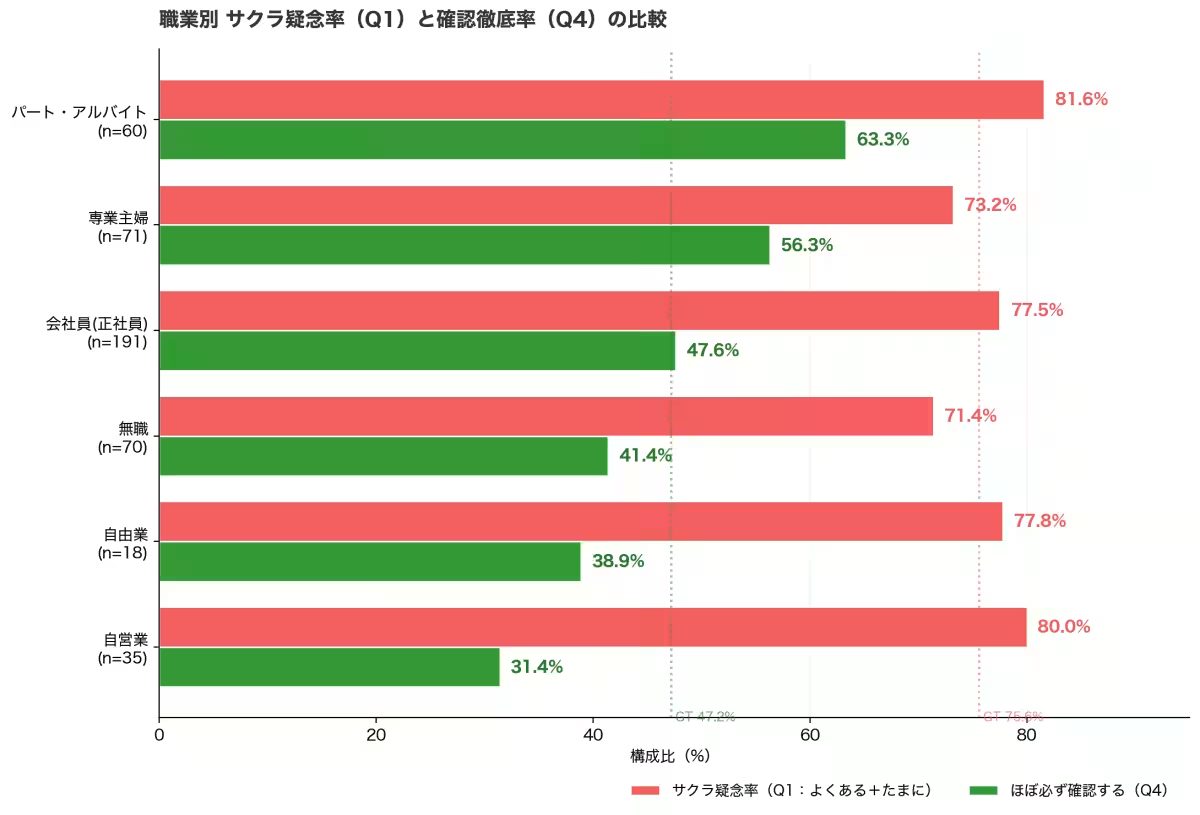
The results are startling: a staggering 75.6% of participants admitted to having doubts about the authenticity of online reviews, suspecting them to be either fake or manipulated. Furthermore, the findings indicated that 65.4% had chosen not to proceed with purchases strictly due to skepticism about review authenticity. This suggests that while many consumers view reviews before making a decision—82% affirmed they nearly always check reviews—the underlying sentiment reflects a deep-rooted mistrust.
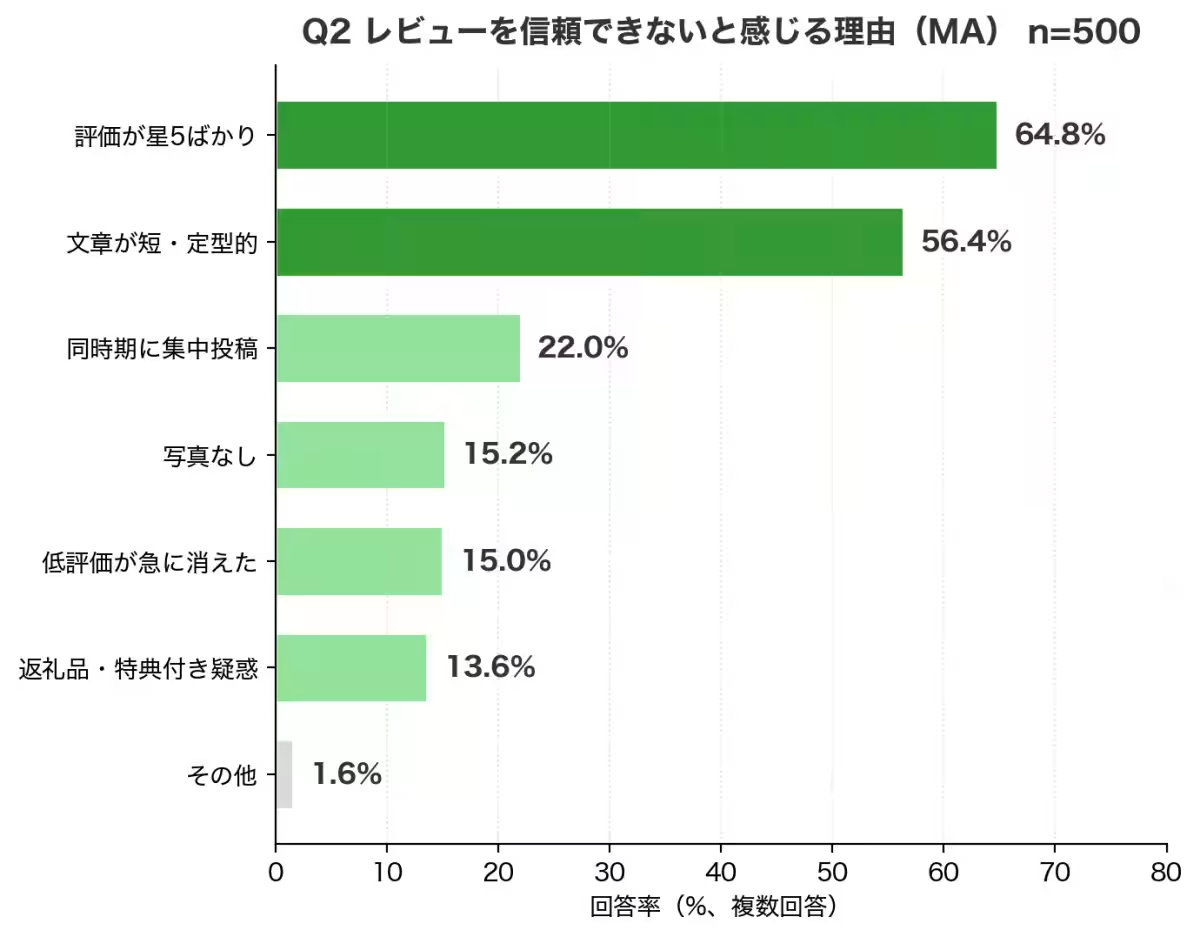
The most frequently cited reason for this distrust (64.8%) is the prevalence of overly positive five-star reviews, raising red flags among potential buyers. Interestingly, the survey identified that the most trusted reviews include both positive and negative feedback. About 74.6% of respondents cited detailed reviews with negative content as the primary factor for trust.
Disparities in Trust Across Demographics
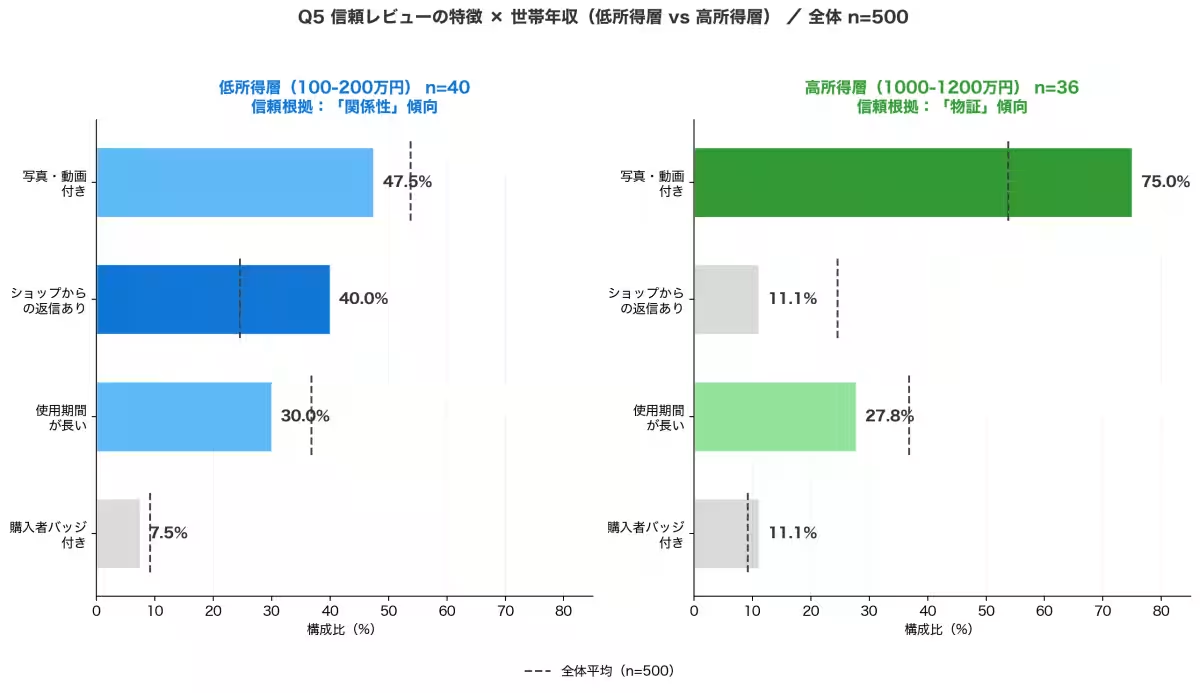
The survey also revealed interesting variances in how different income brackets perceive review reliability. For instance, high-income individuals tended to rely on visual proof—like photos and videos—but low-income respondents emphasized the relationship with the seller, suggesting the need for communication and engagement as a trust factor. The analysis indicated that the trust signals differ significantly when viewed through the lens of economic strata and age.
Generational Insights
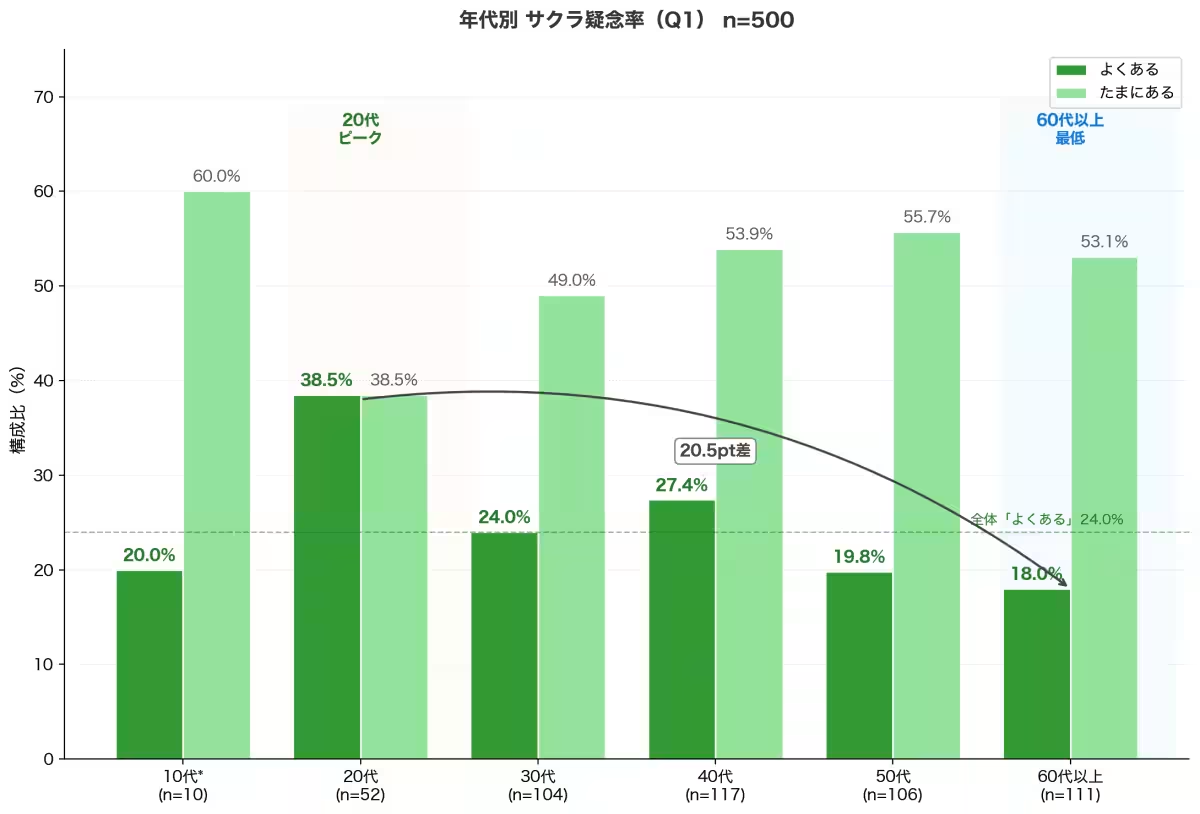
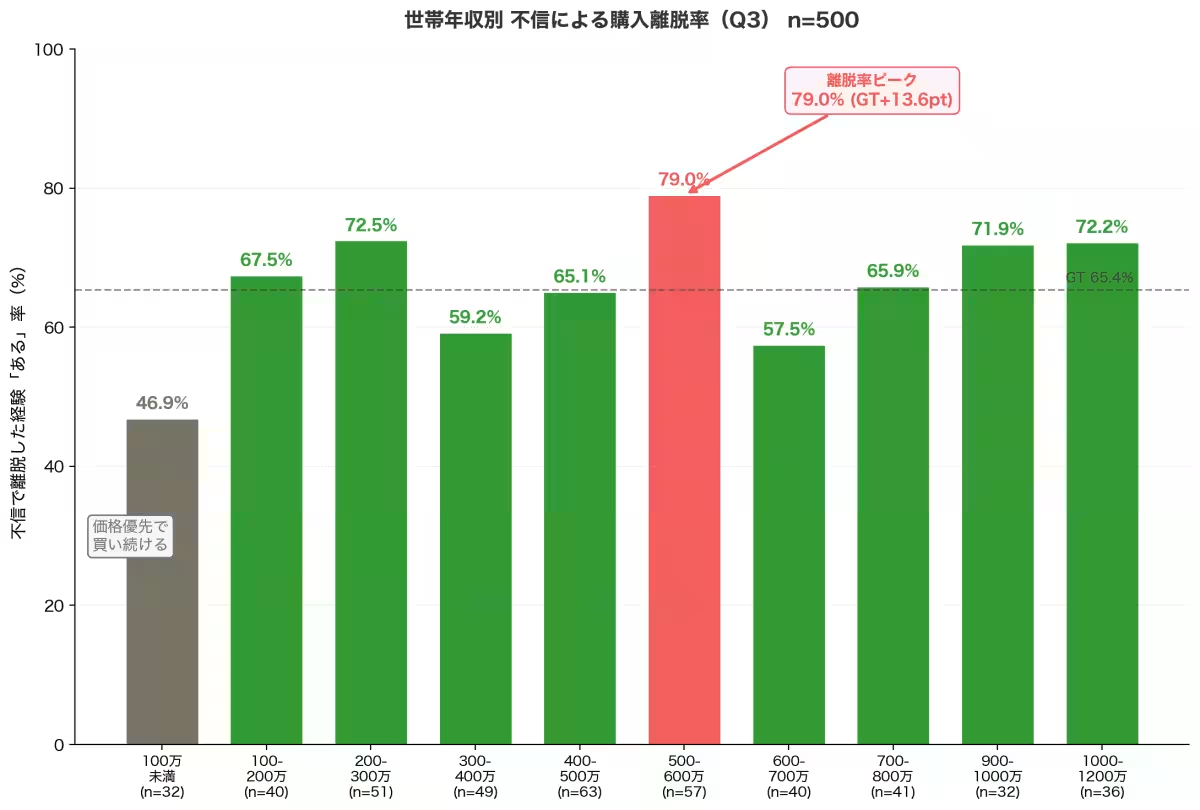
Younger generations, particularly those in their 20s, showed a pronounced skepticism toward reviews, with 38.5% sharing concerns that such reviews might be manipulated—significantly higher than the 18.0% among those aged 60 and above. Moreover, the survey showed that income levels directly influenced the likelihood of abandoning purchases due to mistrust. Individuals in the 500,000 to 600,000 yen income bracket reported the highest inclination to withdraw from purchases based on skepticism.
Differences in Confirmation Strategies
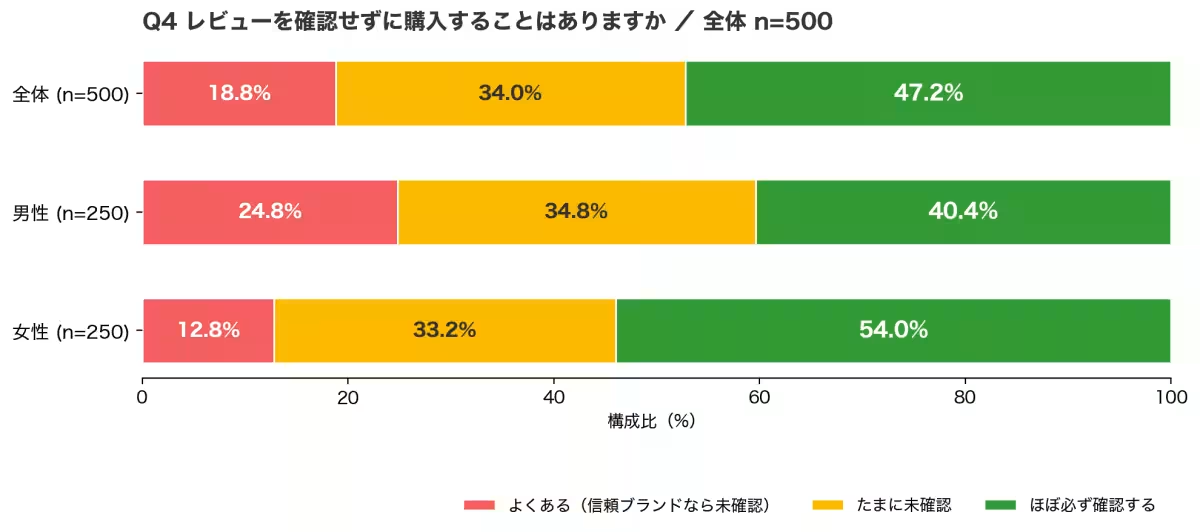
Differences between genders also emerged, particularly concerning strategies for verifying reviews. While both men and women exhibited high skepticism towards reviews, men showed a tendency to rely on established brands for their purchases, often skipping the verification step; in contrast, women generally opted for meticulous scrutiny of reviews. This divergence highlights a broader narrative about how different demographics navigate e-commerce decisions.
The Necessity for Change in E-commerce Strategies
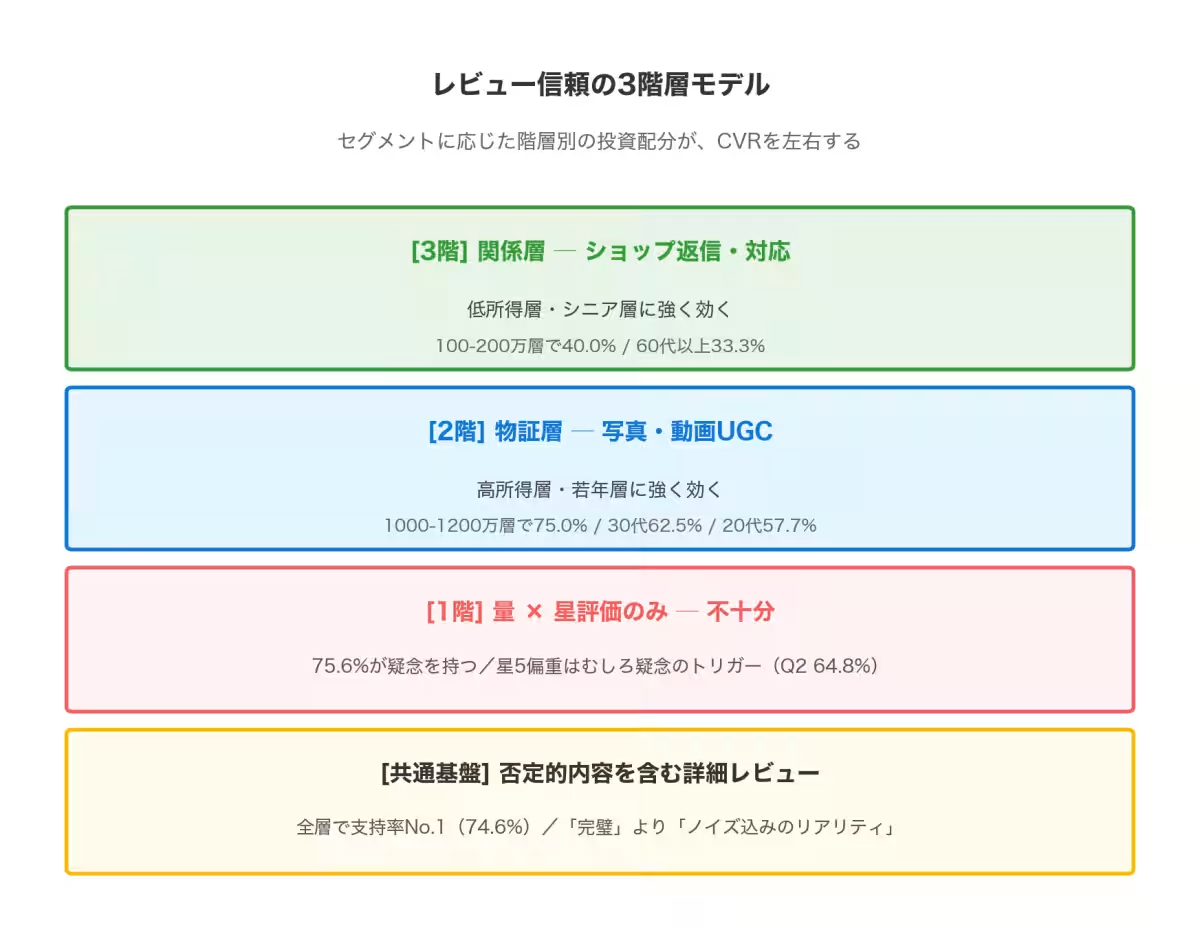
The findings from the 2026 survey emphasize the need for e-commerce operators to rethink their review strategies. Traditional methods prioritizing volume and average star ratings are no longer sufficient in differentiating brands. Instead, there’s growing evidence that consumers are shifting towards valuing credibility and transparency. The emergence of a three-tier model for establishing trust in reviews has been proposed:
1. Common Foundation: Reviews inclusive of both positive and negative feedback.
2. Material Evidence: Incorporating visuals tends to bolster credibility amongst younger and higher-income users.
3. Relationship Factors: Engagement from sellers becomes crucial, especially for lower-income and older demographics.
Future Directions
As the e-commerce landscape matures, stakeholders must adapt to the evolving expectations of consumers. The result indicates a clear need for diverse review strategies that align with consumer trust determinants. E-commerce entities must ensure that review platforms reflect an accurate picture of customer experiences, thus restoring consumer faith in the reliability of e-commerce reviews.
For a deeper understanding of the factors influencing review trust and more comprehensive data analysis, a detailed report of the survey findings, including gender, age, and income data comparisons, is available through Spollup’s website.
Topics Consumer Products & Retail)
【About Using Articles】
You can freely use the title and article content by linking to the page where the article is posted.
※ Images cannot be used.
【About Links】
Links are free to use.