



Analysis of Dining Out Trends and Food Spending Habits in Japan
Overview of the Dining Out Survey
In a comprehensive survey conducted by Cross Marketing, which involved 3,000 individuals aged between 20 and 69 from all 47 prefectures of Japan, significant insights into dining habits and food expenditure have been revealed. This survey focused on various aspects such as frequency of dining out, the proportion of food expenditure, perceived price increases of certain food items, purchasing behaviors in response to these increases, and awareness and purchasing intent towards trendy and functional foods.
Dining Out Frequency
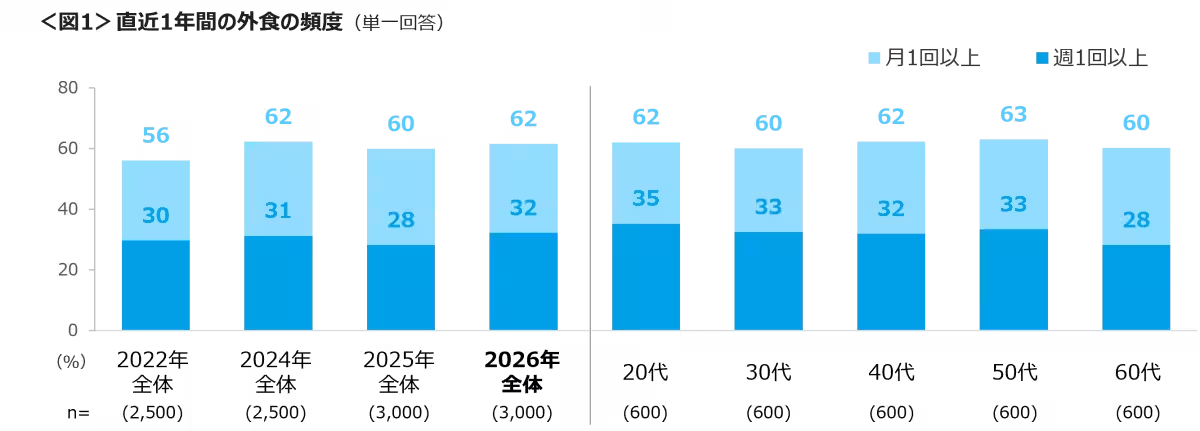
The findings indicate that 62% of respondents dine out at least once a month, a rate that remains consistent compared to previous years. Notably, 32% of participants reported dining out over once a week. Among different age groups, those in their sixties showed a slightly lower frequency of dining out compared to younger age groups.
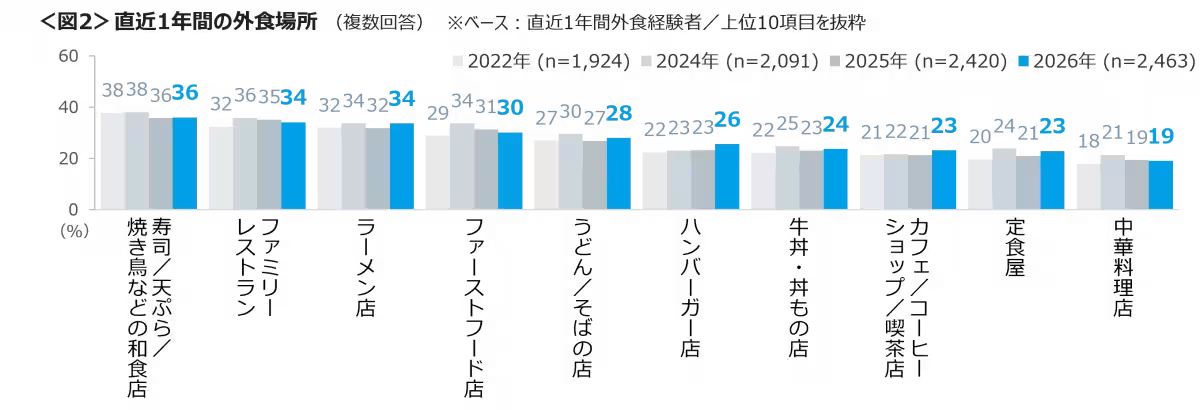
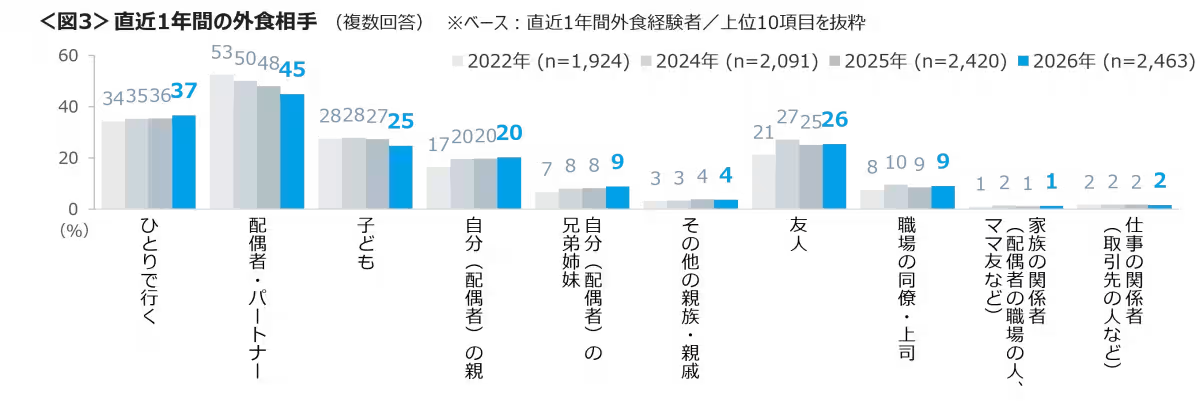
In terms of preferred dining establishments, Japanese restaurants, family restaurants, ramen shops, and fast food outlets dominate the choices, each accounting for a significant portion of dining preferences currently unchanged since 2024. When dining out, most respondents enjoy their meals with a spouse or partner, although there's been a noted decrease in this trend, as people are increasingly dining alone or with friends and children.
Food Expenditure Trends
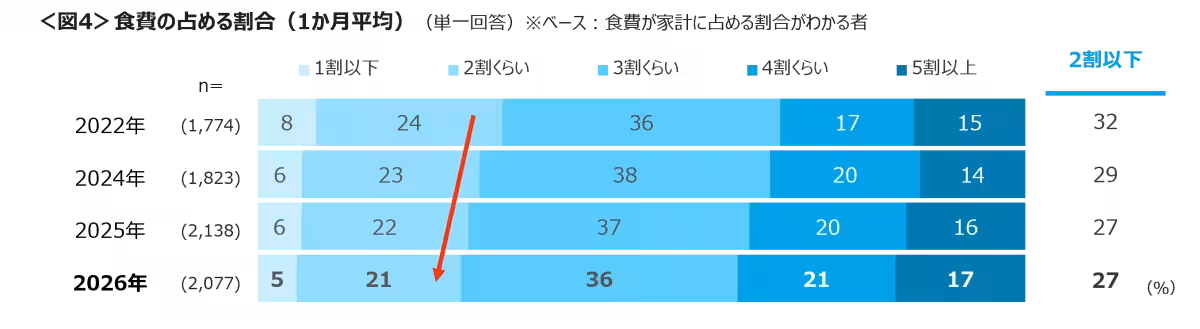
According to Japan's Ministry of Internal Affairs and Communications, the Engel coefficient—the percentage of total household expenditure dedicated to food—rose to 28.8% in 2025. The survey findings echo this trend; 36% of respondents noted that food expenditure accounts for about 30% of their overall household budget, while 21% indicated it constitutes either 20% or 40%. These percentages suggest a growing burden of food costs relative to household expenditures, noticeable since 2022.
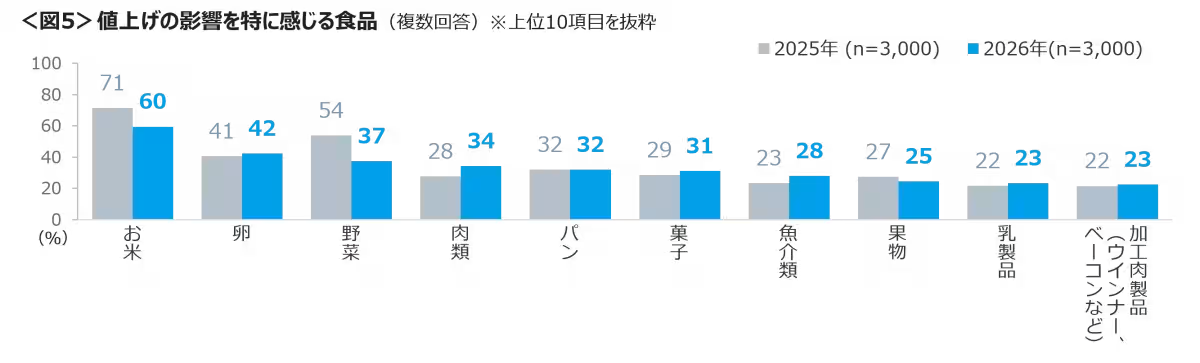
The survey identified certain food items where consumers felt particularly sensitive to price hikes. Rice was noted by 60% of respondents, followed by eggs at 42%, vegetables at 37%, and meats at 34%. Interestingly, while perceptions of price increases for rice and vegetables have slightly dropped compared to 2025, those for meats and seafood have slightly risen.
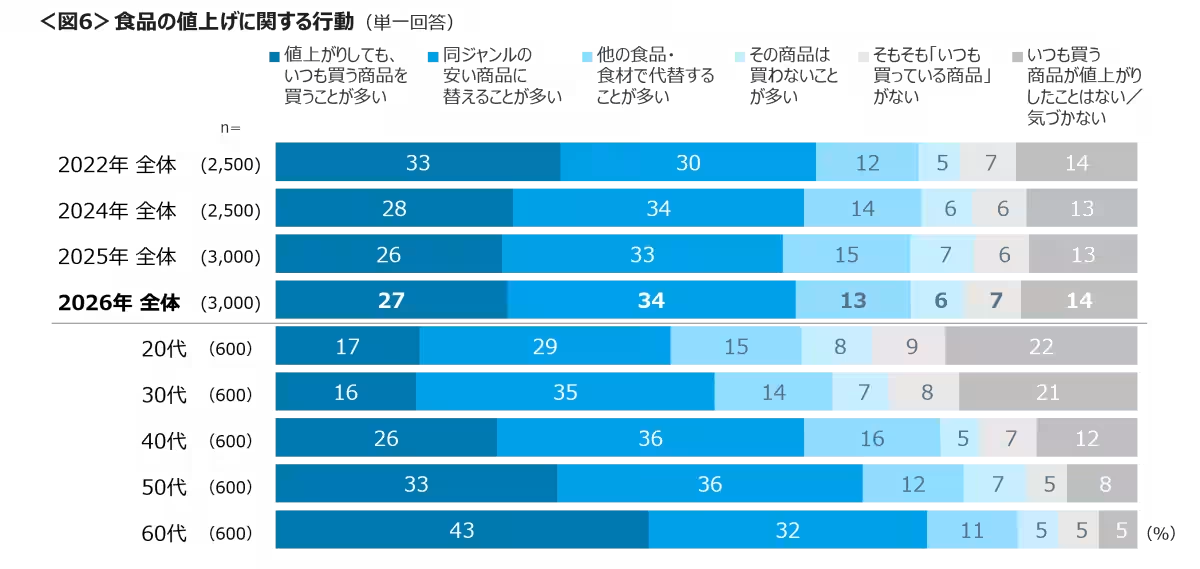
In reaction to price hikes, 34% of people generally switch to less expensive alternatives within the same category, while 27% tend to continue purchasing their usual items despite price increases, a behavior most prevalent among those in their sixties, where 43% choose to stick with their usual purchases despite higher prices.
Trends in Food Awareness and Purchasing Intent
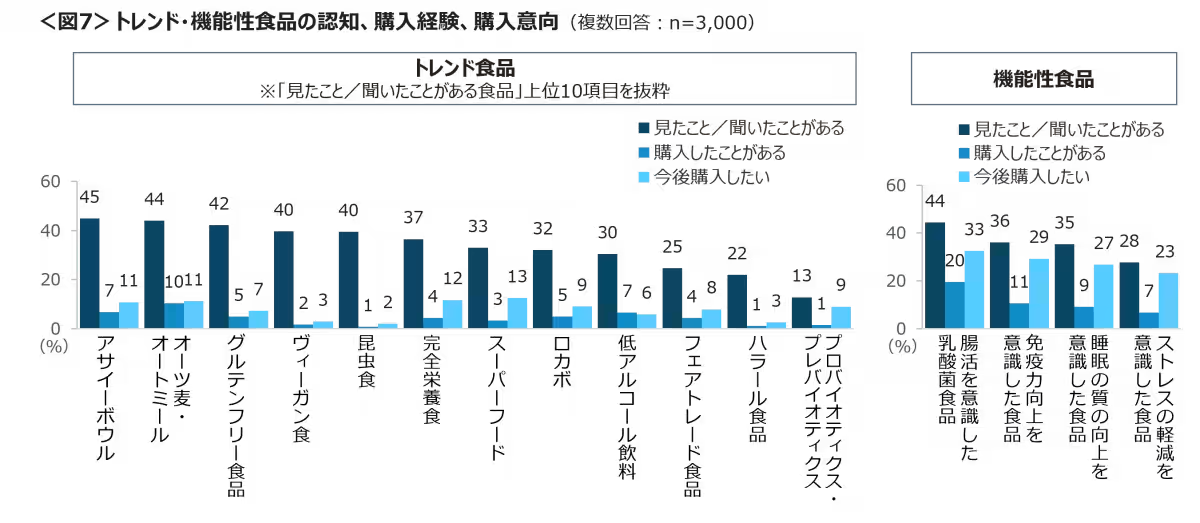
Among various trendy food items, a significant number of respondents (40%) recognized names like acai bowls, oats, gluten-free foods, vegan options, and insect-based products. The most frequently purchased were oats, acai bowls, and low-alcohol beverages. After presenting details about various products, purchase intentions were highest for superfoods (13%), complete nutrition meals (12%), and oats (11%). Additionally, awareness and purchasing intent around functional foods, particularly those containing probiotics for gut health, topped the charts in recognition and consumer interest.
Conclusion
This survey from Cross Marketing vividly illustrates the evolving landscape of dining and food purchasing in Japan, highlighting significant behavioral trends stemming from economic pressures. With food budgets continuing to grow, a clear shift towards mindful consumer behavior is emerging as people adapt to price hikes and new food trends. As households prioritize spending, adopting innovative eating habits may define dining experiences in the coming years.
For more detailed results, the full report and various insights can be accessed directly here.

Topics Consumer Products & Retail)
【About Using Articles】
You can freely use the title and article content by linking to the page where the article is posted.
※ Images cannot be used.
【About Links】
Links are free to use.