



Shifting Trends in Housing Purchases Amid Inflation: Insights from a Tokyo Area Survey
Overview of the Survey
In response to the rising costs of living and residential properties in Japan, Takamatsu House conducted a survey to explore the changing motivations behind housing purchases, particularly among upper-middle-class individuals aged 20 to 50 living in the Tokyo, Kanagawa, Chiba, and Saitama prefectures. The study targeted households with an annual income exceeding 10 million yen to ascertain their perceptions and preferences regarding potential housing investments.
Inflation as a Driving Force
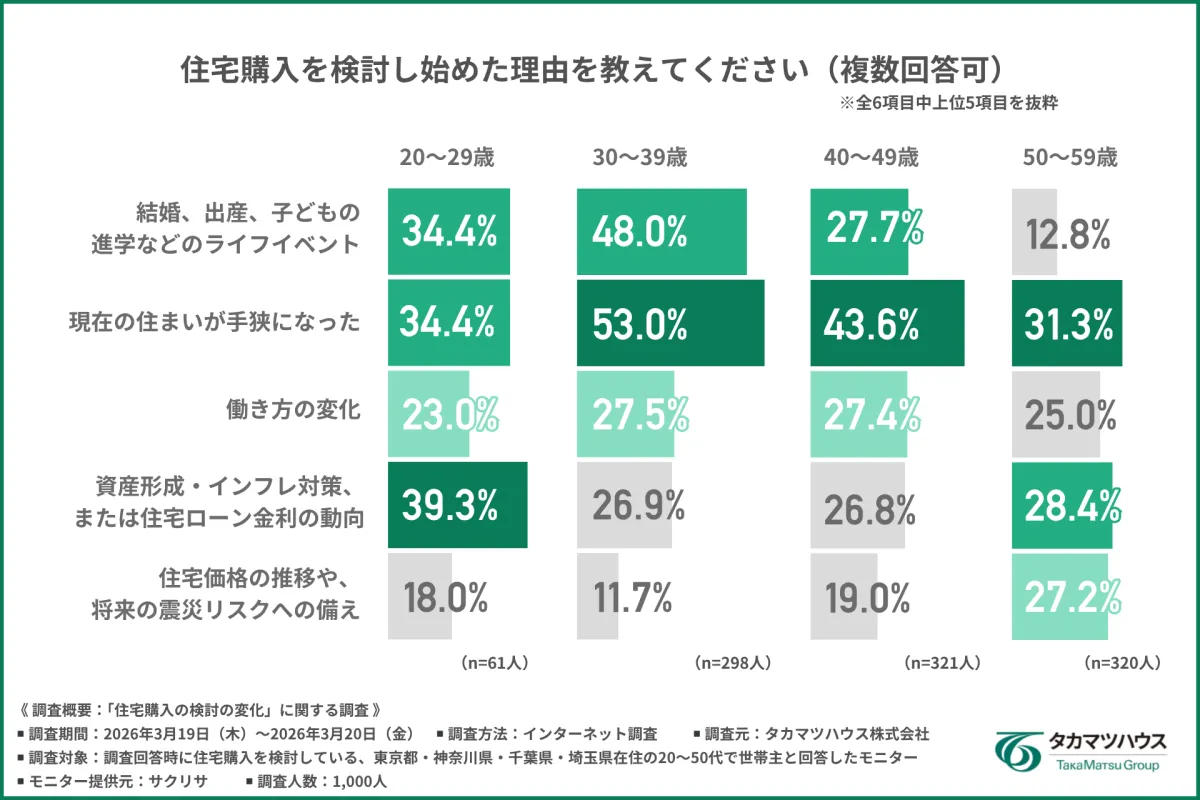
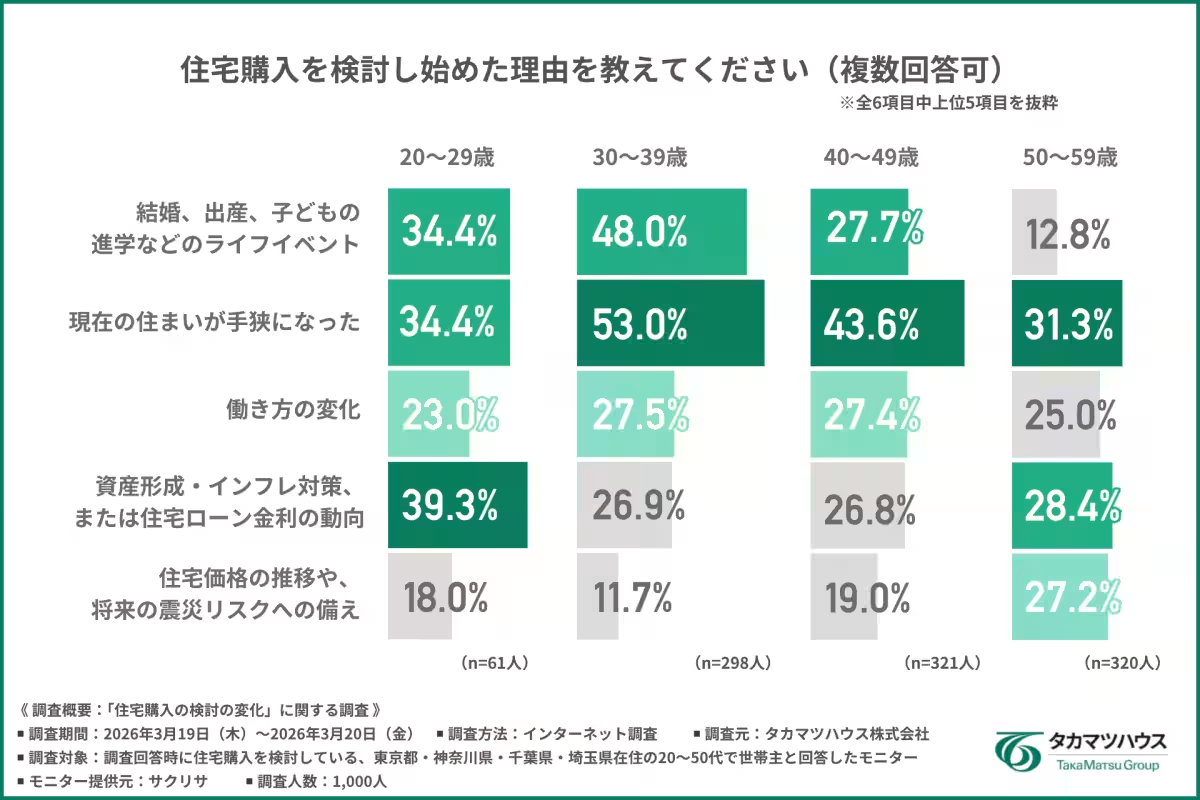
The survey unveiled a significant trend among younger respondents in their 20s, with many indicating that their primary motivation for purchasing a home was to combat inflation. This shift highlights a broader concern regarding financial stability in the face of rising prices and interest rates. The investigation emphasized that an alarming number of prospective buyers are seeking to make strategic real estate investments as a hedge against economic uncertainties.
Who is Buying?
The details reveal that, on average, individuals aged 30 to 50 tend to be looking for new condominiums, whereas the younger generation appears to be leaning toward purchasing used properties. This preference is largely attributed to the skyrocketing prices of new units, where even a budget of 150 million yen may only afford limited living space of about 60 square meters. Additionally, this trend points to significant socio-economic challenges faced by younger generations aiming to establish a foothold in the market.
Generational Preferences
The survey reported that 36.1% of respondents in their 20s currently reside in rental apartments, while about 41.3% of those in their 30s find themselves in similar situations. The necessity for first-time buyers in the earlier decades is vital, whereas individuals in their 40s and 50s are often considering relocation from their existing homes.
The preference for new condominium purchases remains particularly high among older age groups. Meanwhile, 45.9% of 20-something respondents prefer used condominiums, showcasing their focus on affordability and potential asset appreciation without stretching their finances too thin.
Motivating Factors Behind Housing Decisions
Diving into the reasoning for their potential purchases, many respondents in their 30s to 50s indicated that their current residences had become too cramped, possibly due to the growth of family sizes. Conversely, younger individuals cited the desire for asset formation and rental climate concerns as primary motivations. Their actions indicate a proactive approach to property investment as an antidote to financial unease.
Decision-Making Criteria
When it comes to the essential factors influencing their choice of property, 'location' emerged as the primary concern for 59.7% of respondents, while 'price' followed closely behind at 55.5%. Elements such as surrounding environment and potential resale value were also considered crucial in this decision-making process.
Concerns Regarding Property Acquisitions
Undoubtedly, with rising property prices, many respondents expressed trepidation about overextending their budgets. A substantial 48.5% voiced concerns about property prices exceeding their financial plans, and this sentiment was noted across all age demographics. Issues related to neighborhood compatibility and the quality of post-purchase support also ranked high among considerations, further illustrating the anxiety around long-term living conditions and community experiences.
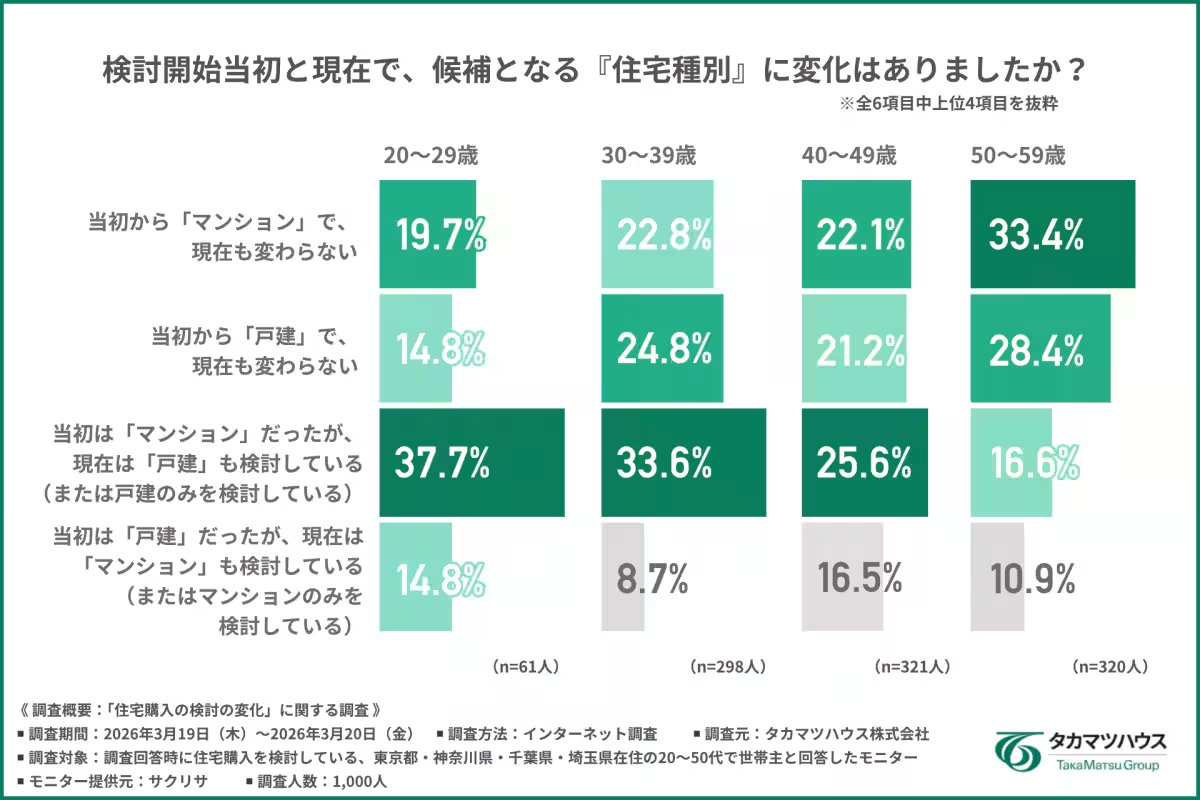
Evolving Preferences: From Condominiums to Detached Homes
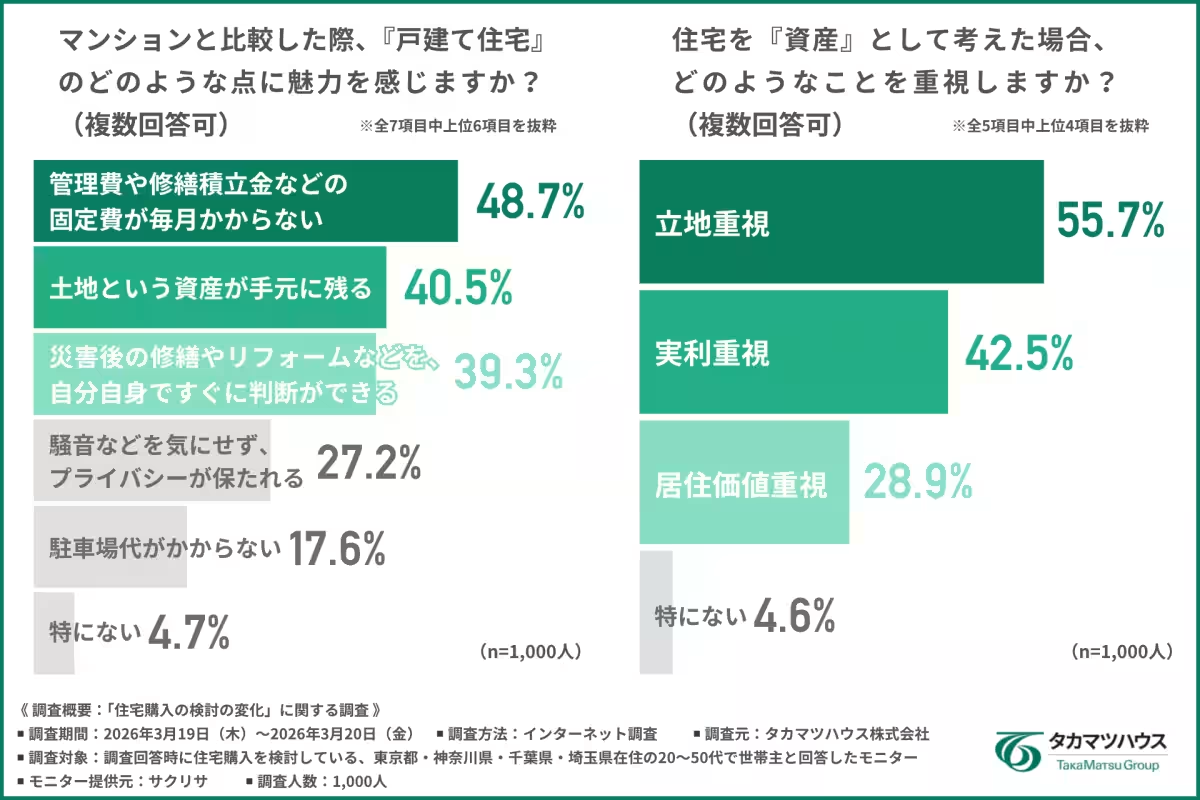
The insights revealed a notable shift in focus for some potential buyers moving from apartments to detached homes as they reconsider what residential arrangements best serve their long-term needs. The reasons for this transition include the elimination of monthly maintenance costs typically associated with condominium ownership, thereby increasing the appeal of standalone properties. Many younger citizens prioritize avoiding ongoing expenses, such as maintenance fees and reserve funds, aligning with their financial objectives of minimizing long-term costs. Furthermore, 40.5% recognized detached homes as valuable asset investments for the future.
Looking to the Future
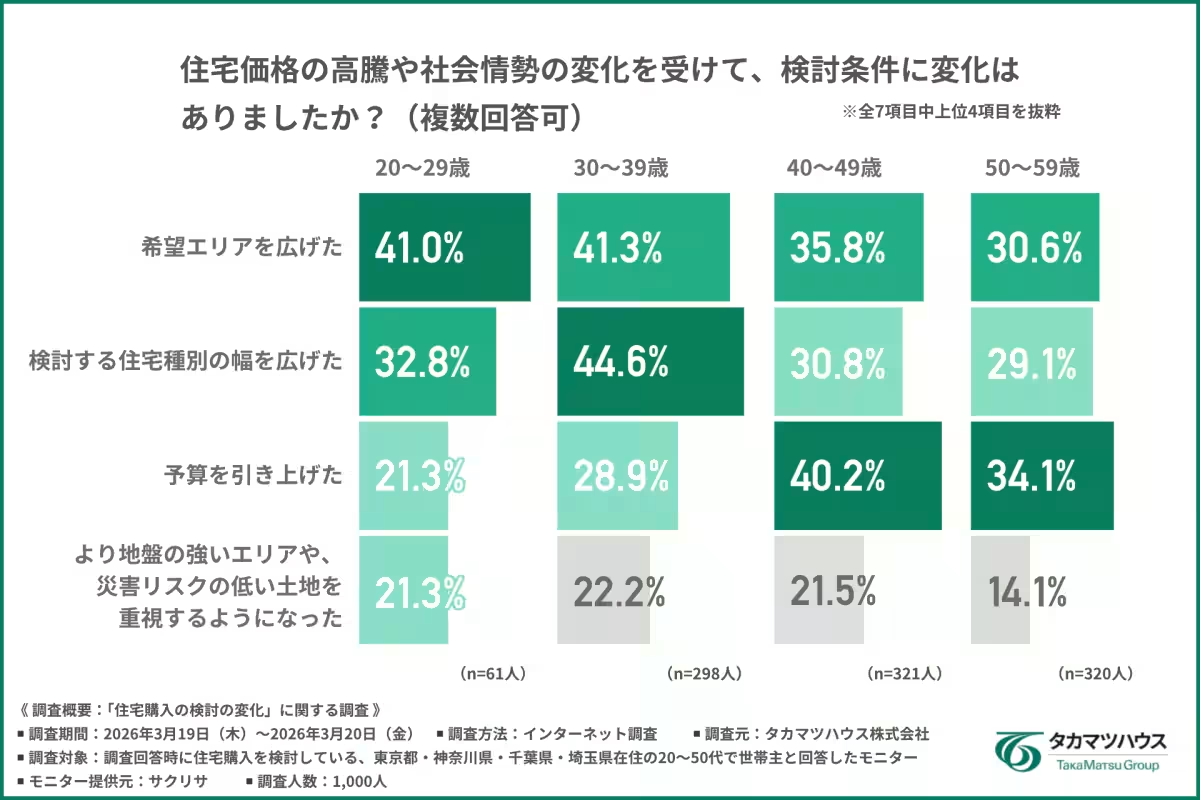
As more people begin their search for residential properties, their preferences are naturally impacted by financial pressures. Particularly, the younger generation is inclined to broaden their search areas and housing types to secure feasible options. Those in older age brackets are more likely to increase their budgets rather than compromise on initial expectations, a notable distinction that reflects different lifestyle priorities dependent on generational experiences.
In conclusion, the survey conducted by Takamatsu House has unveiled profound changes in the motivations and preferences concerning housing purchases in Japan. The drive amongst younger generations to view residence not merely as a living space but as an asset to mitigate inflationary pressures illustrates a significant shift in mindset. Moreover, as housing market dynamics continue to evolve, it is imperative for potential buyers to work with credible partners who can guide them through navigating real estate's complicated landscape, ensuring not just immediate satisfaction but long-term security in their housing investments.

Topics Consumer Products & Retail)
【About Using Articles】
You can freely use the title and article content by linking to the page where the article is posted.
※ Images cannot be used.
【About Links】
Links are free to use.