


Playground Project: Creating Smiles and Security for Children in Japan
The Playground Project: Building Smiles and Security for Children
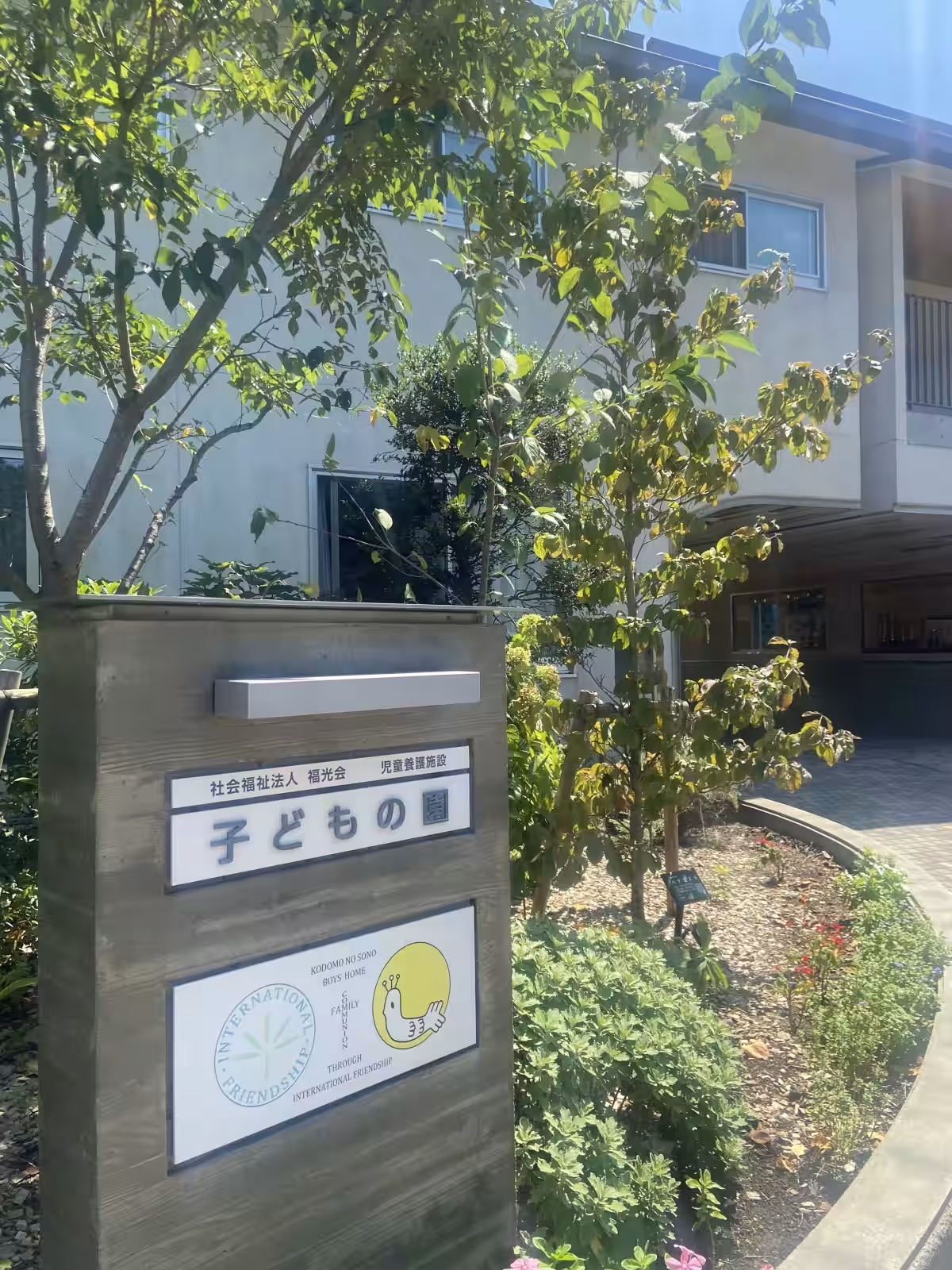
In a commendable effort to nurture children's spirits and ensure their well-being, Habitat for Humanity Japan has launched the Playground Project. This initiative is focused on creating a play area for children residing in a care facility located in Chigasaki City, Kanagawa Prefecture. The site, known as "Kodomo no Sono" (Children’s Garden), will be transformed to offer natural spaces for children to engage and play freely.
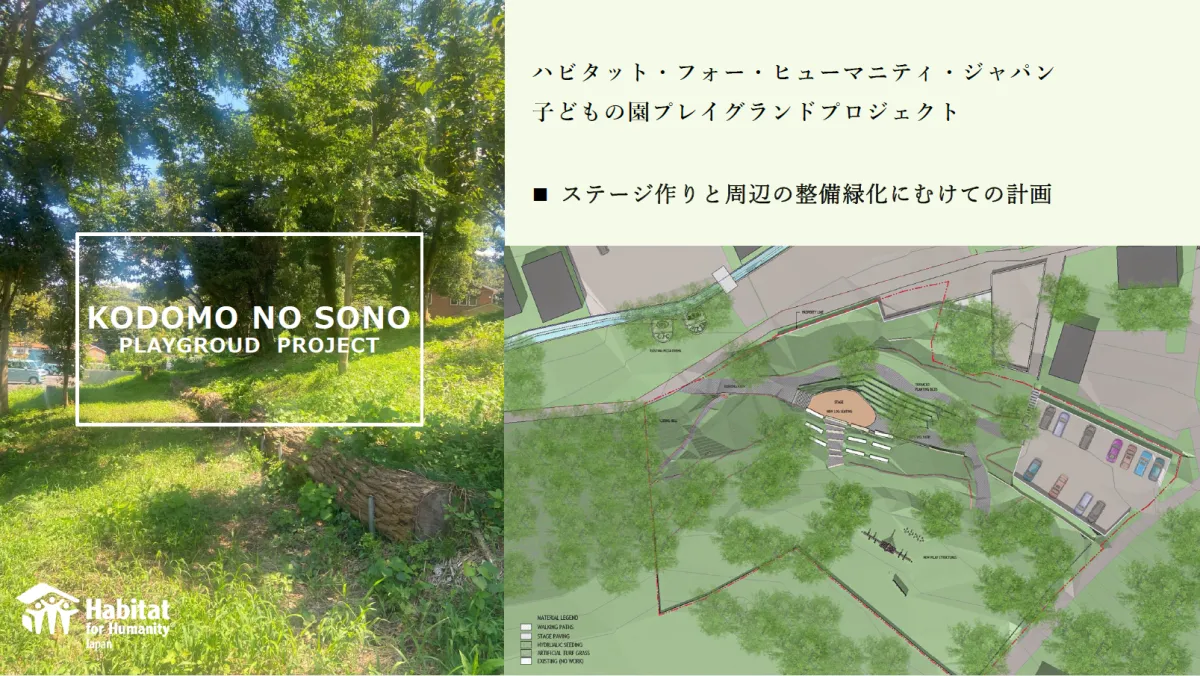
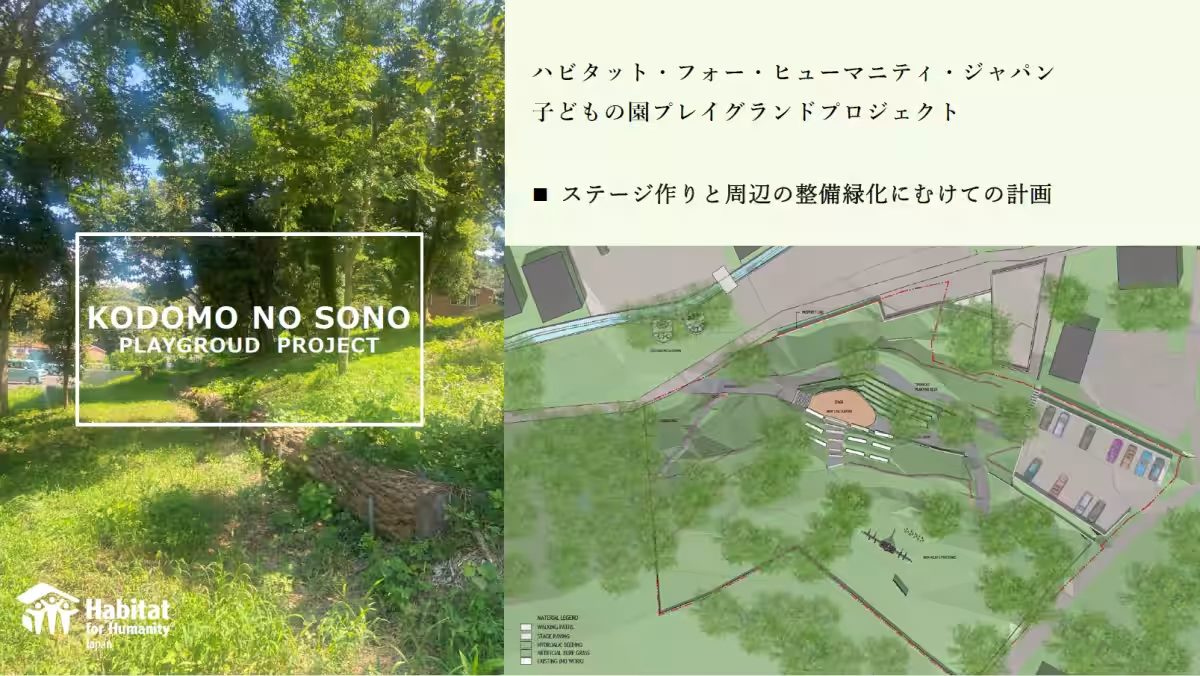
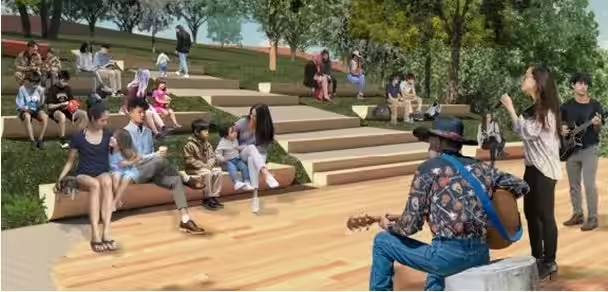
The project’s first phase, set to kick off in November 2024, will involve the establishment of a camping site that will also serve as an emergency gathering space during disasters. The second phase aims to add a stage for performances and events, as well as landscaping to beautify the surrounding area, with completion expected by December 2025. The last phase is planned for spring to summer 2026, featuring playground equipment and paved walking paths, creating a comprehensive recreational environment for the children.
Objectives and Phases of the Project
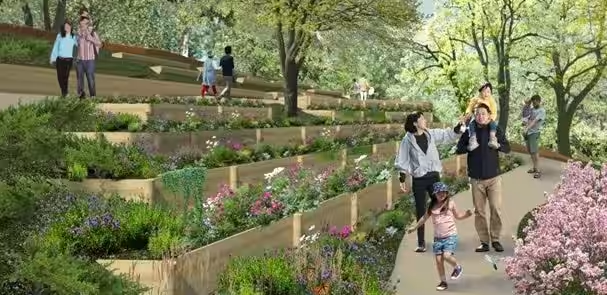
Habitat for Humanity Japan has recognized the need for substantial living environment improvements within children’s care facilities. This initiative is to remedy these challenges through a structured “Facility Support” program, targeting improvements and environmental enhancements fostered in facilities that support children and mothers. The project will revitalize the previously ignored hillside known as “Mori no Terrace,” which had been untouched for over two decades.
The playground will be developed over three phases:
1. Phase One (Winter 2024 - Spring 2025): Establishment of a camping site.
2. Phase Two (Fall 2025): Installation of a stage and landscaping to enhance the area.
3. Phase Three (Spring-Summer 2026): Installation of playground equipment and the paving of walking paths.
The stage planned for installation in Phase Two will be designed to harmonize with its natural surroundings, utilizing durable materials that mimic the look of wood. The seating area will be carved into the sloped terrain, featuring benches made from logs to maintain a connection with nature. To balance ecological sustainability and maintenance, native grass seeds will be sown around the area.
Beneficiaries and Community Involvement
The initiative will greatly benefit approximately 40 children living in the facility, along with staff and the surrounding community. With local collaboration, they are committed to fostering a sustainable environment that supports the children’s futures. The project includes the addition of an outdoor performance stage for storytelling, puppet shows, and choral festivals, prioritizing safety with tiered seating and landscaped surroundings.
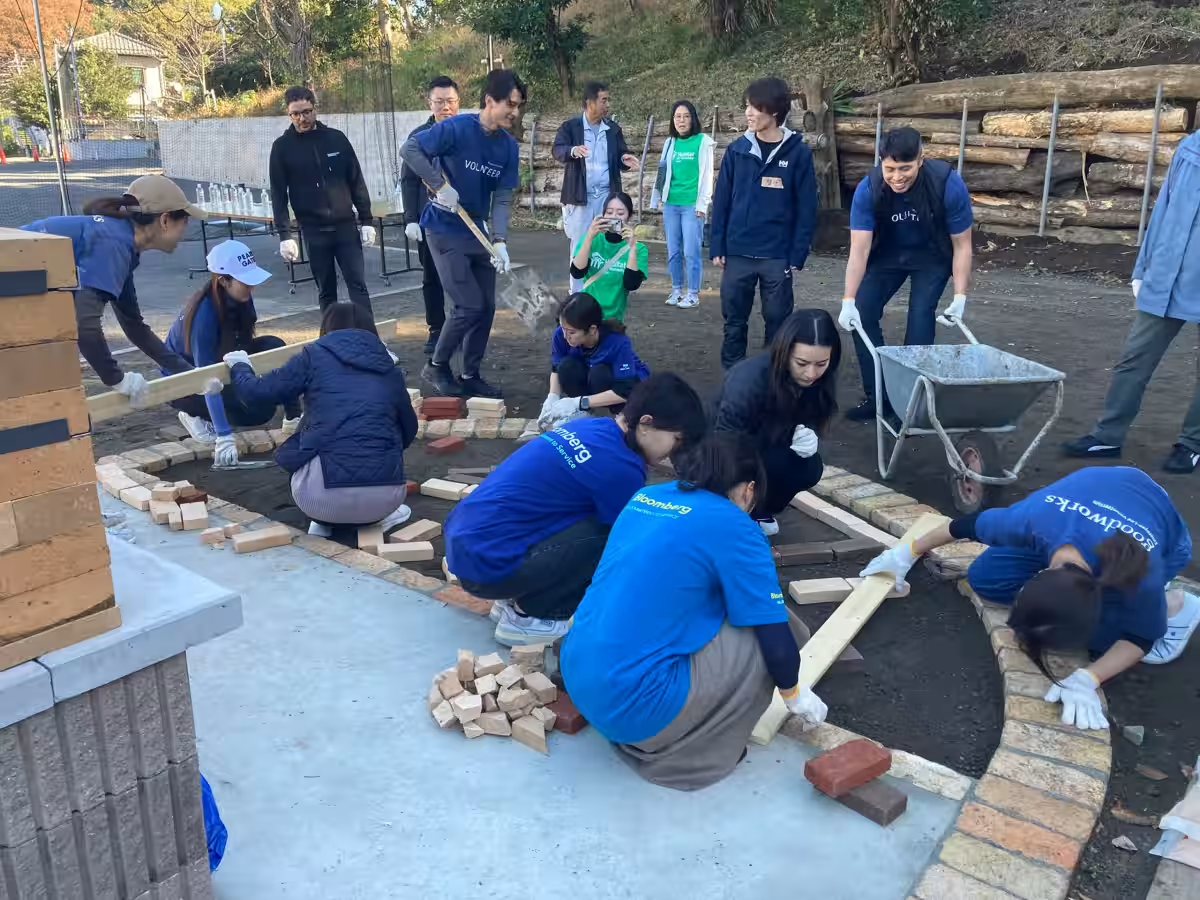
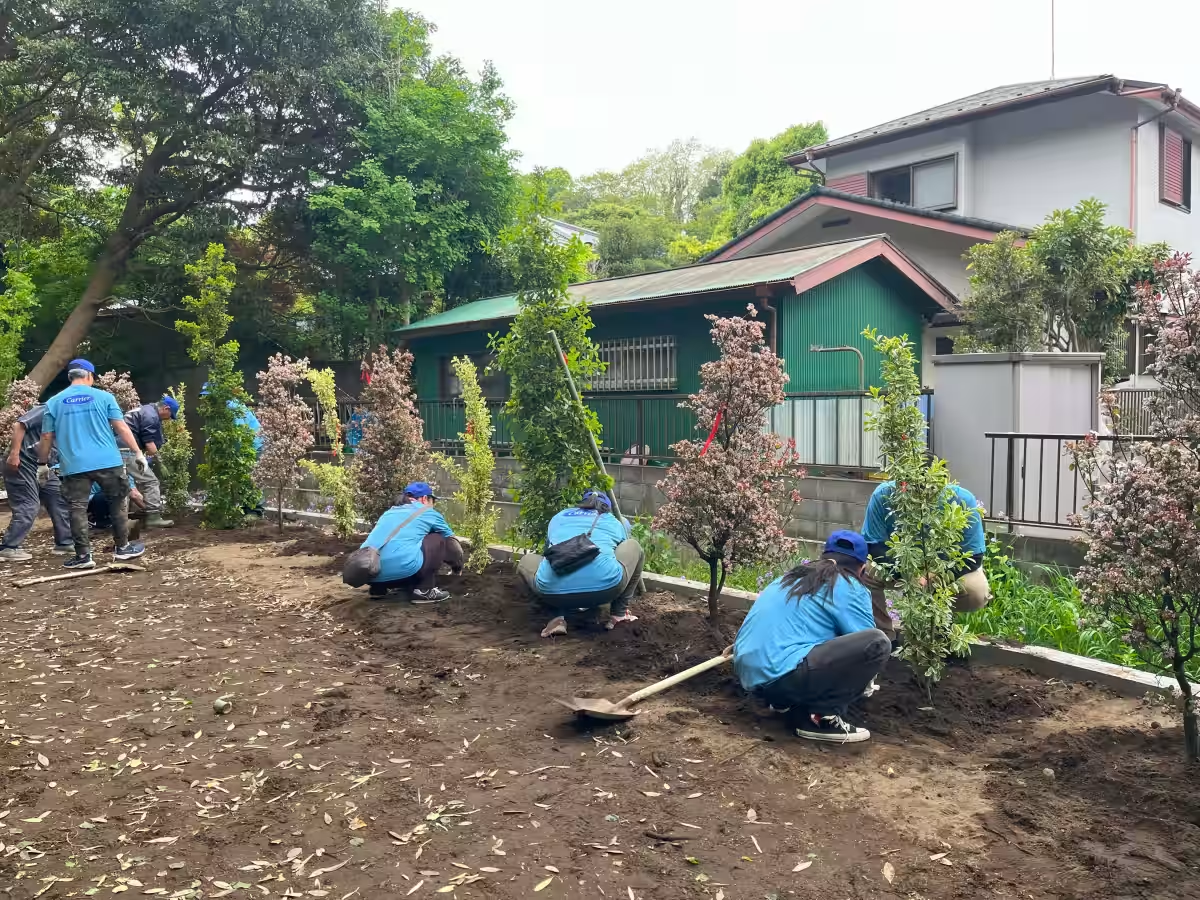
Much emphasis is placed on engaging volunteers and local businesses. Habitat for Humanity functions under the mission to “build homes, communities, and hope,” and the success of the Playground Project relies heavily on the support of businesses and volunteers who share this vision. The first phase has already seen companies contribute to the development, including creating a green camping area and a cooking facility for emergencies. For the second phase, three volunteer events are scheduled between October and December to assist in the construction and installation of the stage and benches, along with wooden storytelling stands.
In closing, Habitat for Humanity Japan invites corporations and organizations to join this important project and contribute to the “Facility Support” initiatives. We welcome participation in crafting a supportive community and sustainable environment for the children to flourish.
About Habitat for Humanity Japan
Established as a Japanese branch of the global NGO Habitat for Humanity founded in 1976, it has been actively working towards significant housing improvements domestically since 2003. By organizing fundraising efforts and sending over 15,000 volunteers to support various regions across Asia, they participate in housing construction and repairs across 24 countries. The organization continues to address housing issues faced by vulnerable groups such as the elderly, single-parent families, and low-income households.
For more details or inquiries regarding the project:
Email: [email protected]
Phone: 03-6709-8780 (Weekdays 9:30 AM - 5 PM)
Website: Habitat Japan
Topics People & Culture)




【About Using Articles】
You can freely use the title and article content by linking to the page where the article is posted.
※ Images cannot be used.
【About Links】
Links are free to use.