



Understanding the Challenges and Supports for Working Moms Returning to Work
Understanding the Challenges and Supports for Working Moms Returning to Work
In recent years, more mothers have been returning to work after giving birth, thanks to advancements in parental leave policies and remote working options. However, this transition is not without its challenges. A recent survey conducted by Mfro, a company based in Shibuya, Tokyo, sheds light on the real-life experiences of 300 mothers who faced various concerns when returning to their jobs after maternity leave.
Survey Overview
Mfro's survey focused on mothers who have returned to work after childbirth. It aimed to understand their anxieties, challenges, and the support systems that played a crucial role during their transition. Conducted over a week in August 2025, the findings reveal a mix of concerns surrounding work-life balance, children's health, and the need for supportive frameworks both at home and in the workplace.
Key Findings
The results of the survey provide valuable insights into the return-to-work process for mothers:
1. Timing of Return
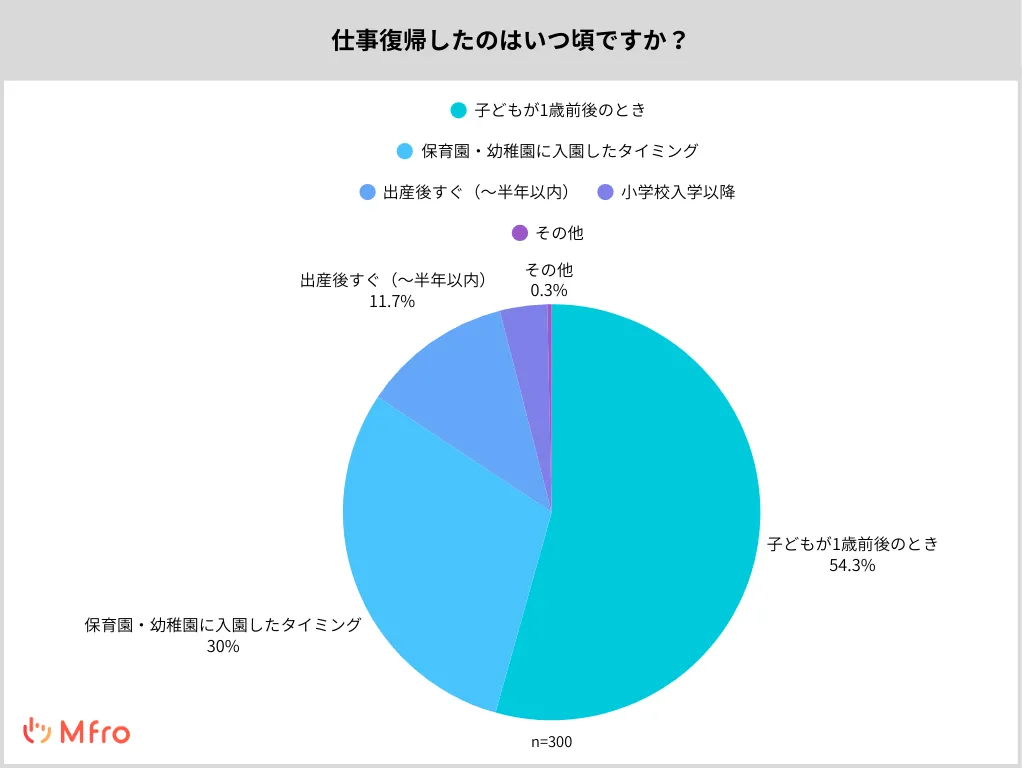
- The most common period for mothers to return to work is when their child is around one year old, accounting for 54.3% of respondents.
- Additionally, 30% stated that they returned to work when their child started preschool or kindergarten, indicating that most mothers return during the early childhood phase.
2. Concerns Before Returning
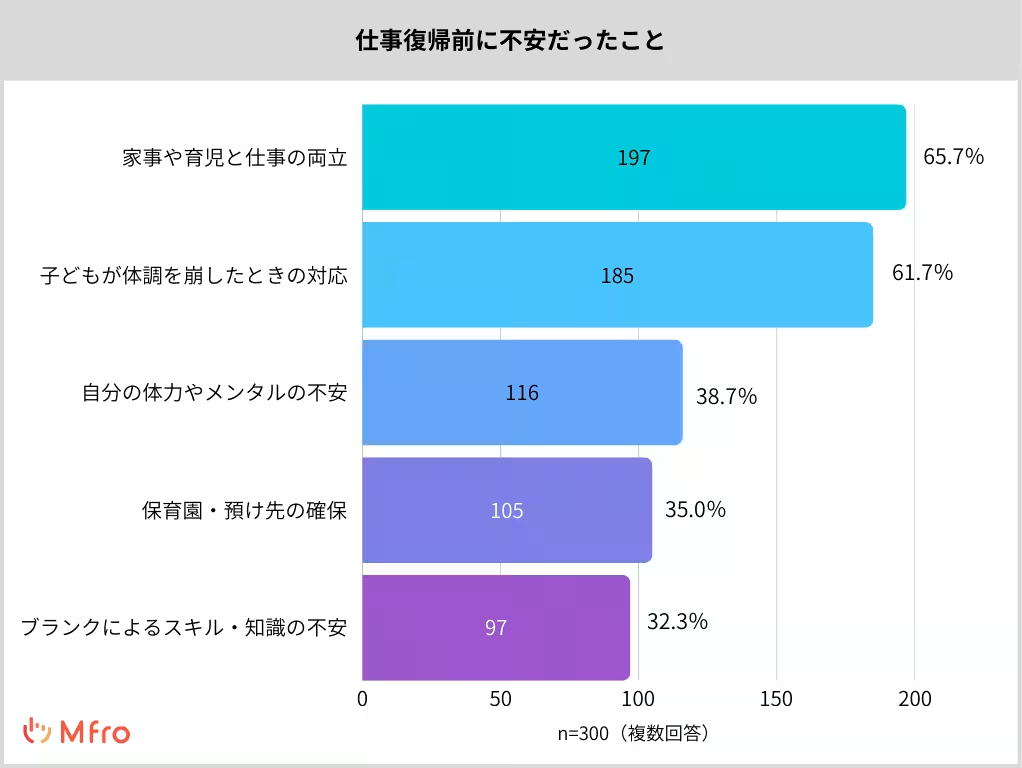
- Not surprisingly, the primary anxiety centered around balancing work with household and childcare responsibilities, cited by 65.7% of participants.
- Concerns about children falling sick when they go back to work were also significant, affecting 61.7% of respondents.
3. Post-Return Challenges
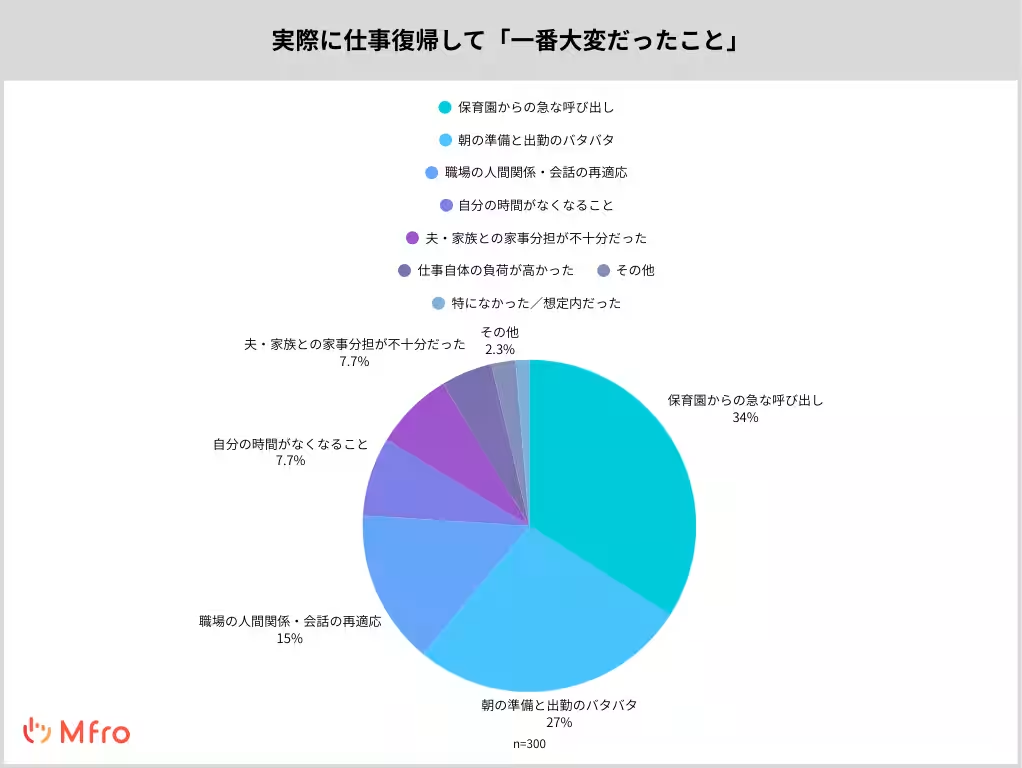
- After returning to work, sudden calls from daycare centers and the morning rush were identified as major stressors. Thirty-four percent of women indicated that these unexpected demands disrupted their work.
4. Support Systems
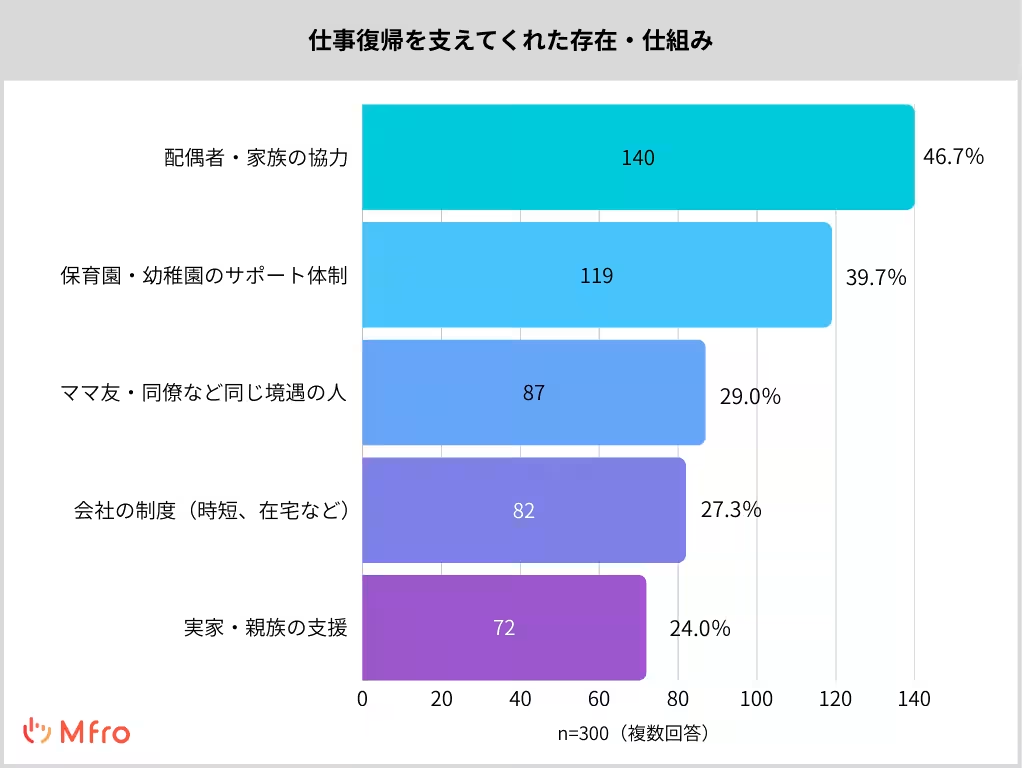
- Nearly half of the mothers credited their spouse and family support as the most crucial factor aiding their return. Other notable sources included childcare facilities and friends who shared similar experiences.
5. Messages for Future Returning Moms
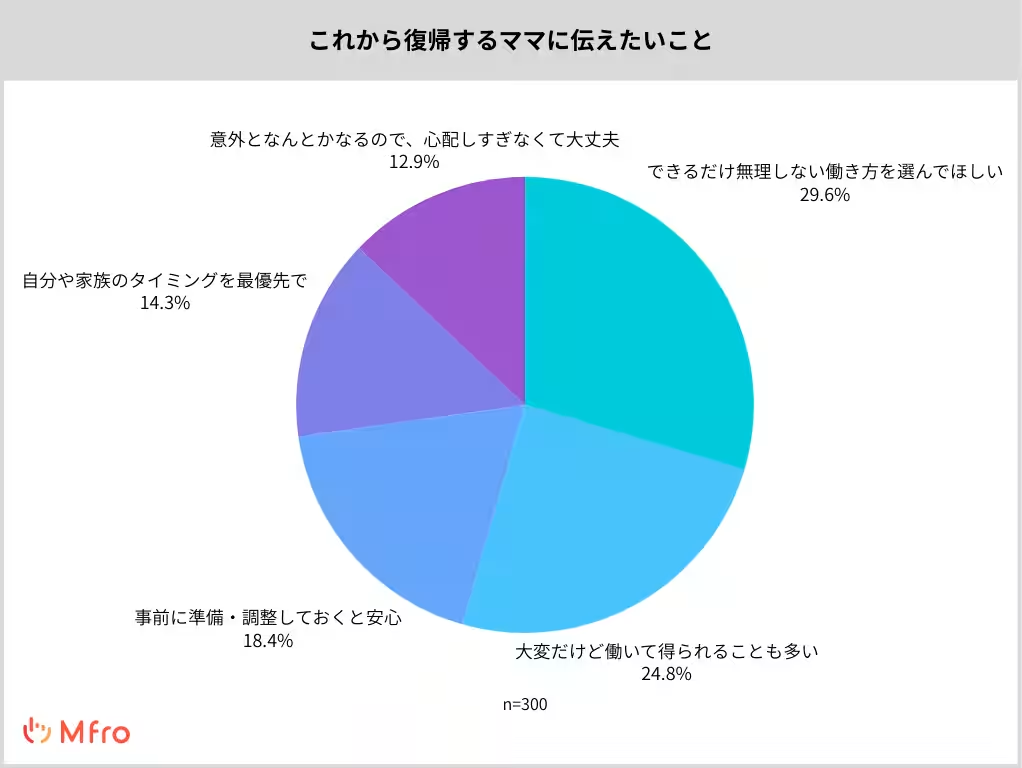
- A significant piece of advice from experienced mothers was to select a work environment that allows for a manageable workload, emphasizing the importance of not overstretching themselves.
Additional Insights and Recommendations
The challenges faced by working moms upon returning to work highlight the need for adaptable work environments. Companies should consider implementing more flexible work schedules and backup solutions for emergencies, such as finding alternative staff during unforeseen circumstances. Furthermore, mothers can benefit greatly from planning and time management strategies to reduce morning stress and enhance work-life balance.
As mothers navigate the complexities of returning to work, the importance of social support cannot be overstated. The combined effort of family, workplace support structures, and community can significantly alleviate pressures faced by working moms. Through this mutual understanding and collaboration, the work experience for mothers can be transformed, paving the way for a healthier work-life integration.
In conclusion, the findings from Mfro's survey highlight the critical aspects of work-life adjustments for mothers returning to the workforce. Awareness and preparation for inherent challenges are essential, as is the establishment of strong support networks both at home and in professional settings. This comprehensive approach can empower working mothers, enabling them to thrive both at home and in their careers.
Topics People & Culture)
【About Using Articles】
You can freely use the title and article content by linking to the page where the article is posted.
※ Images cannot be used.
【About Links】
Links are free to use.