



Impacts of the Upcoming Major Revision to Labor Laws on Continuous Work Regulations
Impacts of the Upcoming Major Revision to Labor Laws on Continuous Work Regulations
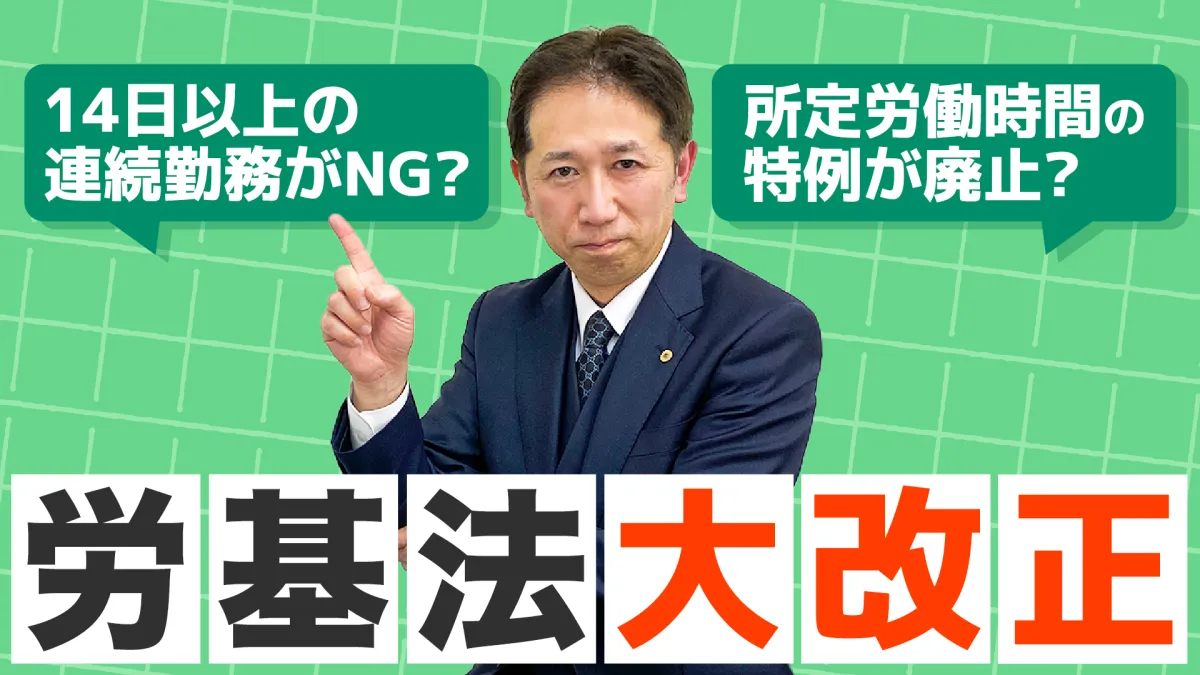
As we approach the significant revision of the Labor Standards Act in 2026, various topics have emerged for intensive discussions. Among them, the regulation of continuous work hours, the definition of statutory holidays, and the concept of 'the right to disconnect' are at the forefront. Notably, the potential establishment of a limit on consecutive workdays implies a significant shift in workplace regulations that must be understood by businesses.
Current Topics in Focus
The current discussions can be categorized into several key areas:
1. Clarification of Statutory Holidays - This aspect is crucial as it sets the groundwork for employees' rest periods.
2. Limitation on Continuous Work - The proposal to limit consecutive working days to 13 has been strongly suggested, aiming to promote better work-life balance.
3. Interim Breaks Between Shifts - The question remains whether these breaks will become mandatory or if they will simply be recommended guidelines.
4. Special Business Site Regulations - The proposal suggests that current exemptions which allow for a 44-hour workweek will likely be eliminated.
5. The Right to Disconnect - A relatively new concept that grants employees the right to not engage with work communications outside their working hours is also being discussed extensively.
The Potential Consequences of Continuous Work Regulations
The anticipated 13-day continuous work limit could dramatically alter the operational structure of numerous businesses. Companies may face challenges in adjusting to the new expectations, particularly in sectors that heavily rely on flexible work arrangements. Employers must consider how this could affect employee productivity and morale, as well as how to manage workloads without overburdening their staff.
Essential Questions to Consider
As the labor law revisions draw near, several pressing questions are worth exploring:
- - Why is the specification of statutory holidays crucial now?
- - What are the problems associated with the ‘4-week, 4-day work’ system?
- - How will the function of the 13-day continuous work regulation affect daily work operations?
- - Will interim breaks be mandated, or can they be left as discretionary measures?
- - What is the rationale behind phasing out the 44-hour workweek exception?
- - To what extent will the right to disconnect be incorporated into the law?
- - What adjustments should businesses make to their operational rules in anticipation of these changes?
Seminar Overview
On January 21, 2026, at 12:00 PM, the Claire Human Resource Development Association will host a seminar aimed at elucidating these upcoming changes. Located in Chiyoda, Tokyo, this event targets media personnel for a comprehensive discussion on the implications of these modifications. Participants will have the opportunity to delve deeper into the nuances of labor law and its applications in contemporary workplaces.
About the Speaker
Jun Ono, a licensed social insurance labor consultant, will lead the seminar. With over 400 training sessions on harassment and labor practices under his belt, he brings a practical approach to the application of labor laws in the workplace. His expertise focuses on transitioning legal standards into actionable practices that organizations can implement efficiently.
About the Claire Human Resource Development Association
Founded in 2023 as a group company under SA Co., the association emphasizes educational programs related to employment, labor, and harassment prevention. The focus is on creating a safe work environment for employees and their families through comprehensive training and certification. With over 650 professionals certified as 'Employment Clean Planners' throughout Japan, the organization is committed to fostering safe and productive workplaces in various sectors, including businesses, local governments, and educational institutions. Visit their official website for more information: Claire HRDA.
Topics Policy & Public Interest)

【About Using Articles】
You can freely use the title and article content by linking to the page where the article is posted.
※ Images cannot be used.
【About Links】
Links are free to use.