




Reskilling in Manufacturing and Finance: The Demand for AI Skills Grows
Understanding the Need for Reskilling in the Age of AI
In a rapidly changing technological landscape, the demand for reskilling in the manufacturing and finance industries has reached unprecedented levels. A survey conducted by CADDi Co., Ltd. (headquartered in Taito, Tokyo) involving 400 employees from these sectors revealed a significant shift towards acquiring AI skills to adapt to digital transformation.
Survey Insights
CADDi’s research shed light on several key findings:
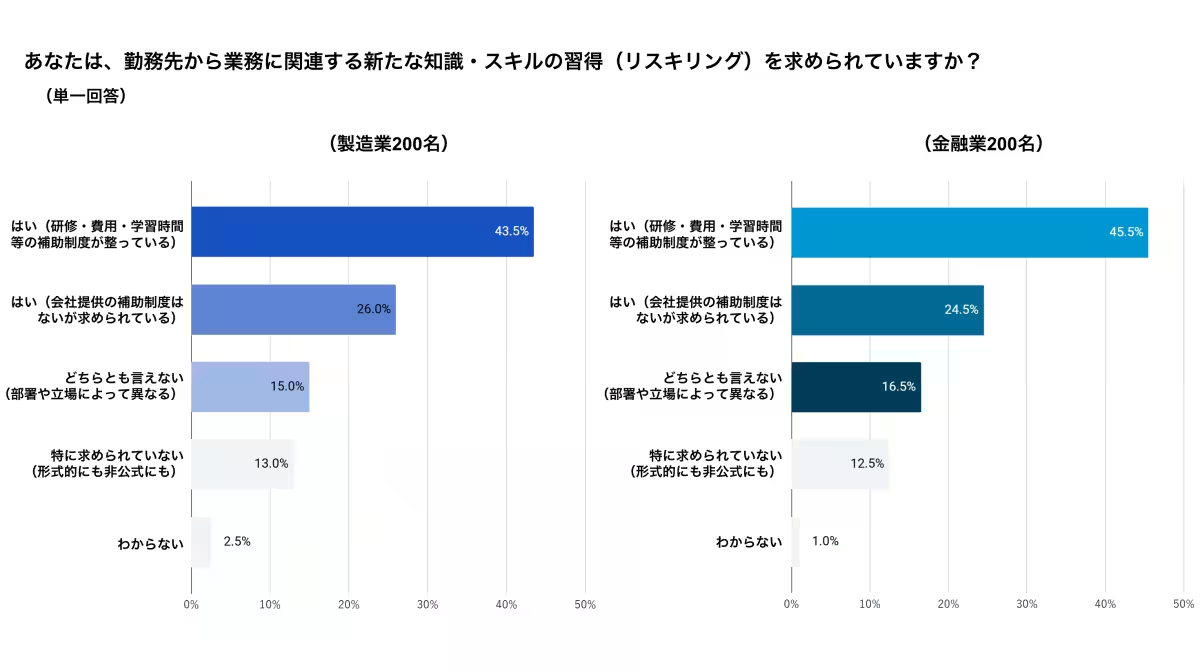
- - Reskilling Demand: Approximately 70% of the respondents in both sectors reported being encouraged by their employers to pursue reskilling, indicating a widespread acknowledgment of the need for continuous learning in the workplace.
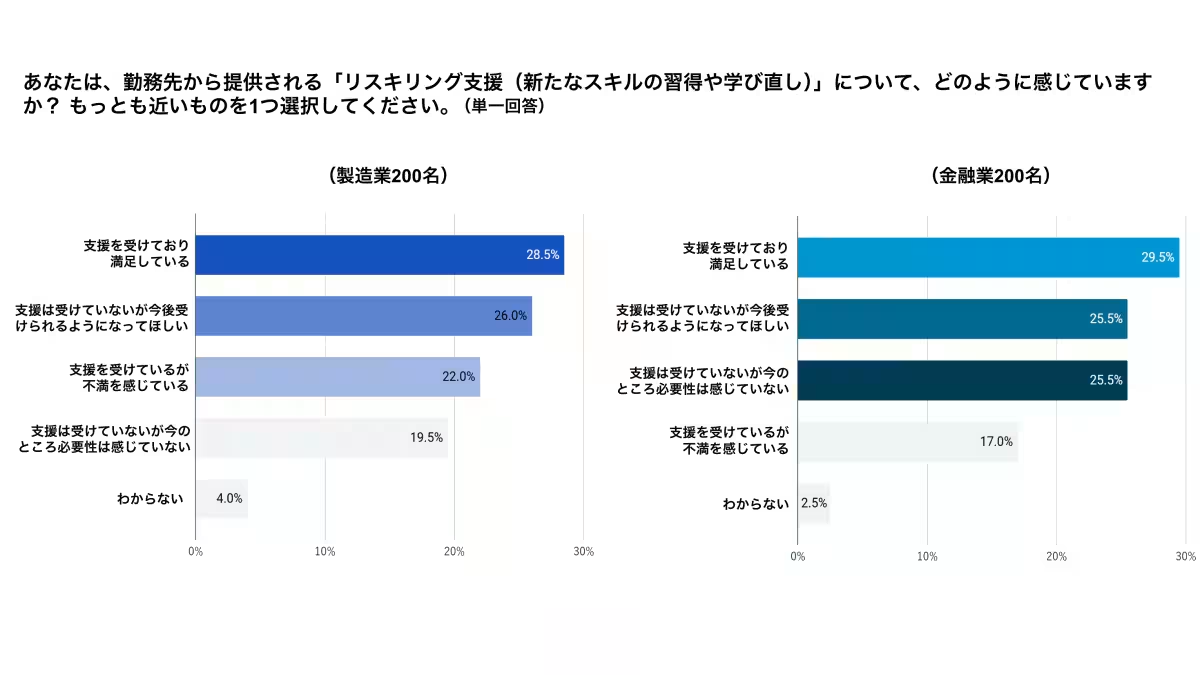
- - Satisfaction Gap: While around 30% of employees expressed satisfaction with their company's reskilling initiatives, nearly half indicated they were either dissatisfied or had not yet received support but desired it. This highlights a notable gap between available programs and employee needs.
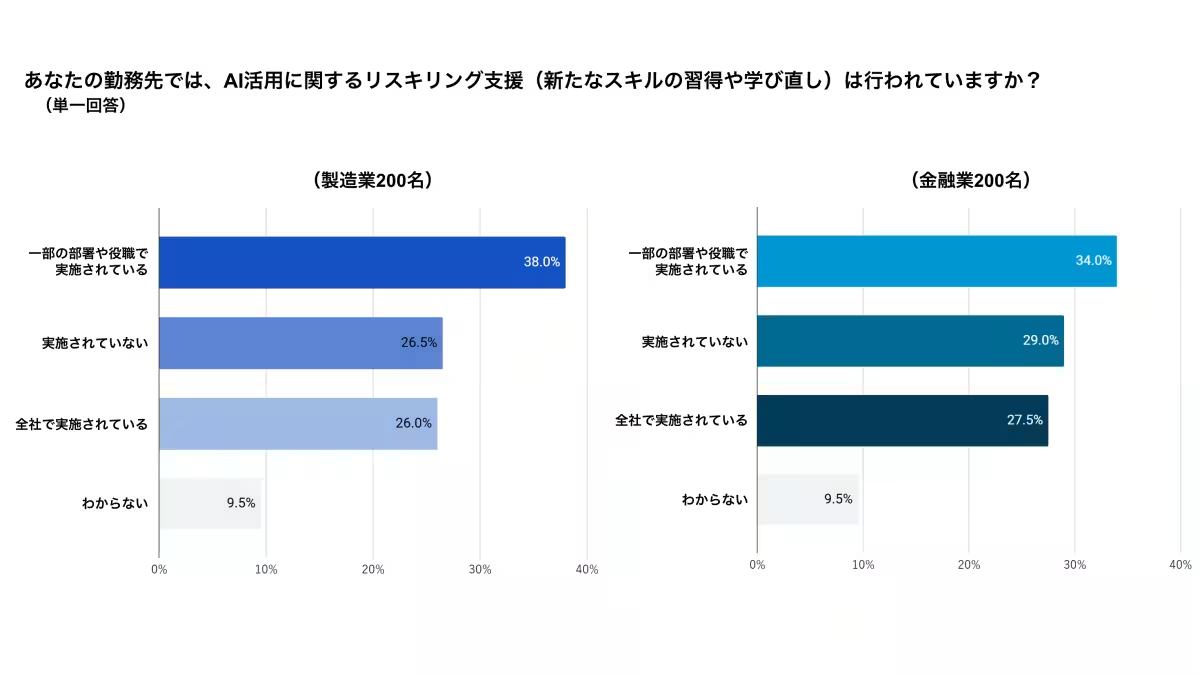
- - Focus on AI: Over 60% of companies reported that they are implementing some form of AI-related reskilling support. This reflects a growing recognition of AI's role in transforming traditional processes in both sectors.
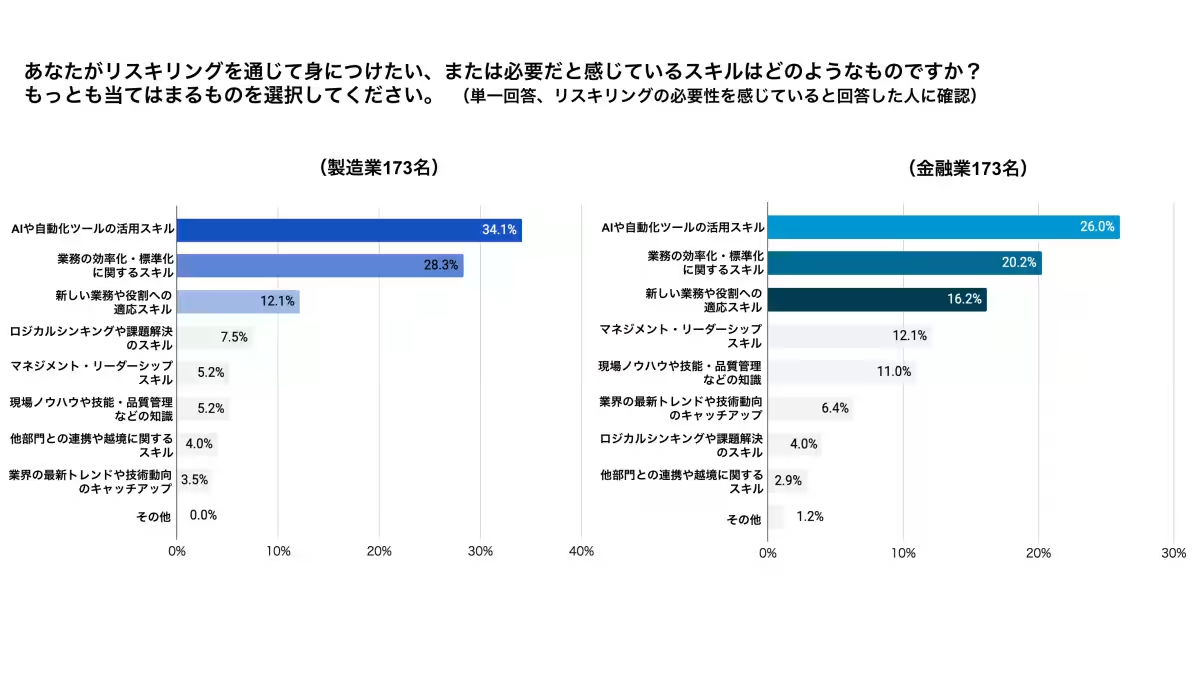
- - Skill Preferences: The desire to learn skills related to AI and automation tools topped the list, with 34.1% of manufacturing employees and 26.0% from finance wishing to build expertise in this area.
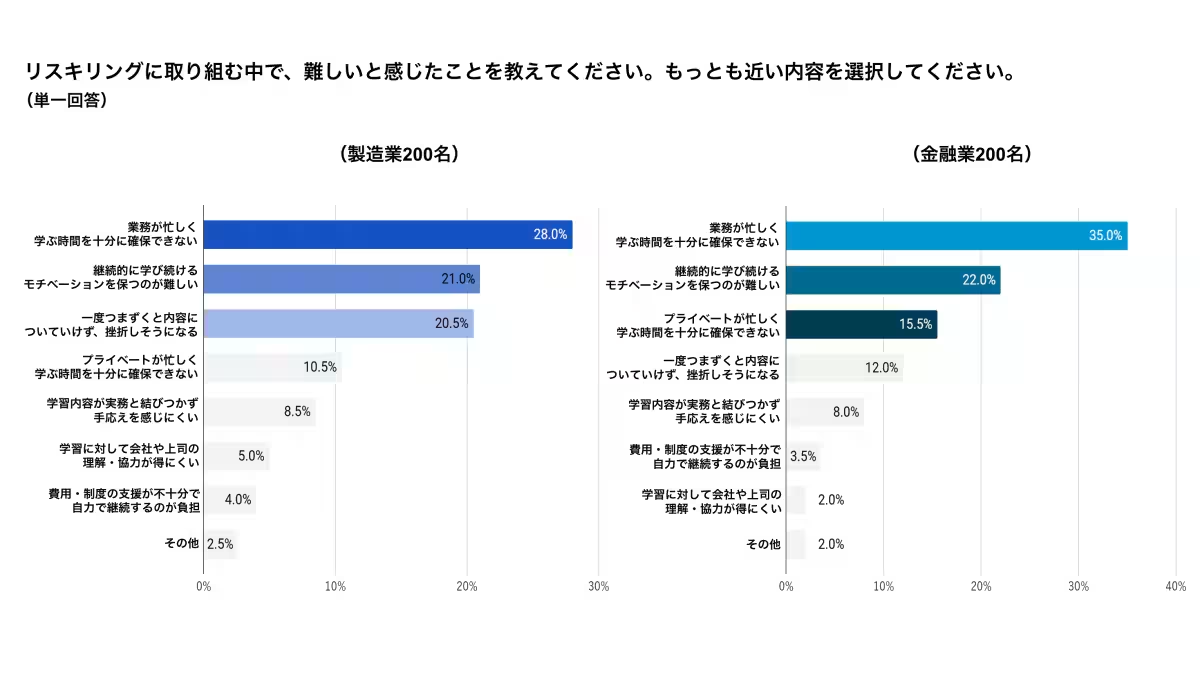
- - Challenges in Learning: A significant barrier reported (35.0% in finance and 28.0% in manufacturing) was the lack of time for learning, emphasizing the need for companies to create an environment that supports continuous education amidst busy work schedules.
AI Skills: The New Priority
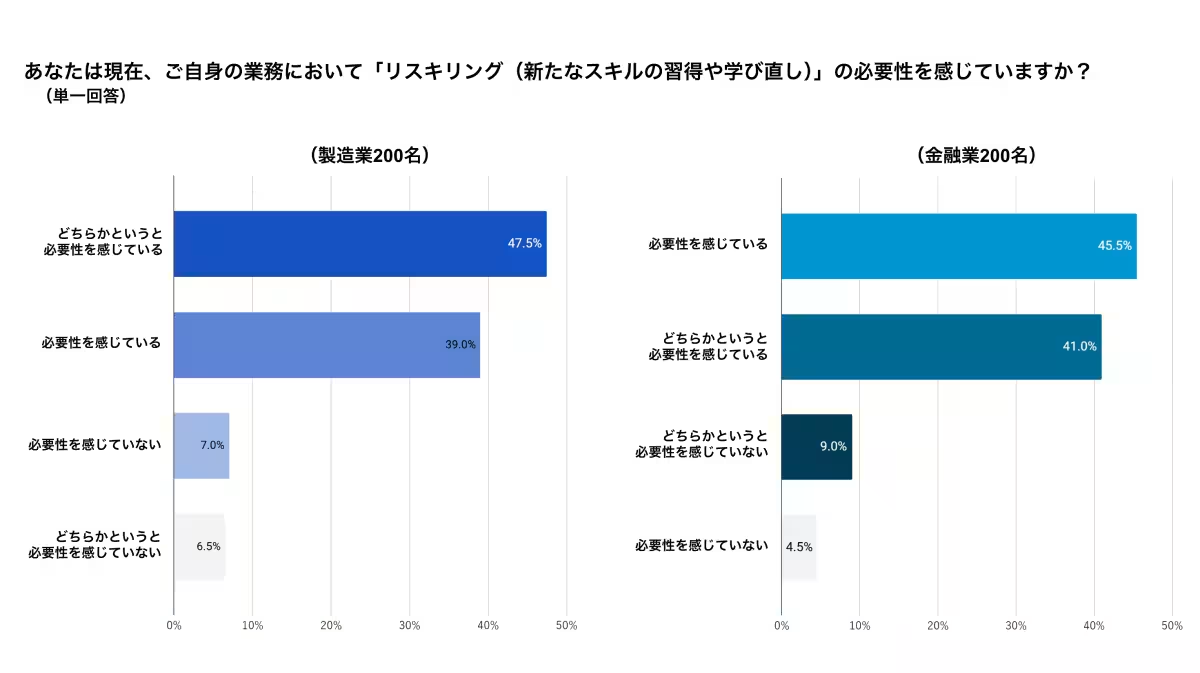
The focus on acquiring AI skills stems from the need to adapt to the rapid evolution of job roles and responsibilities driven by technology. About 86.5% of participants recognized the necessity of reskilling, signaling a cultural shift where individuals increasingly view learning as vital for professional survival and advancement.
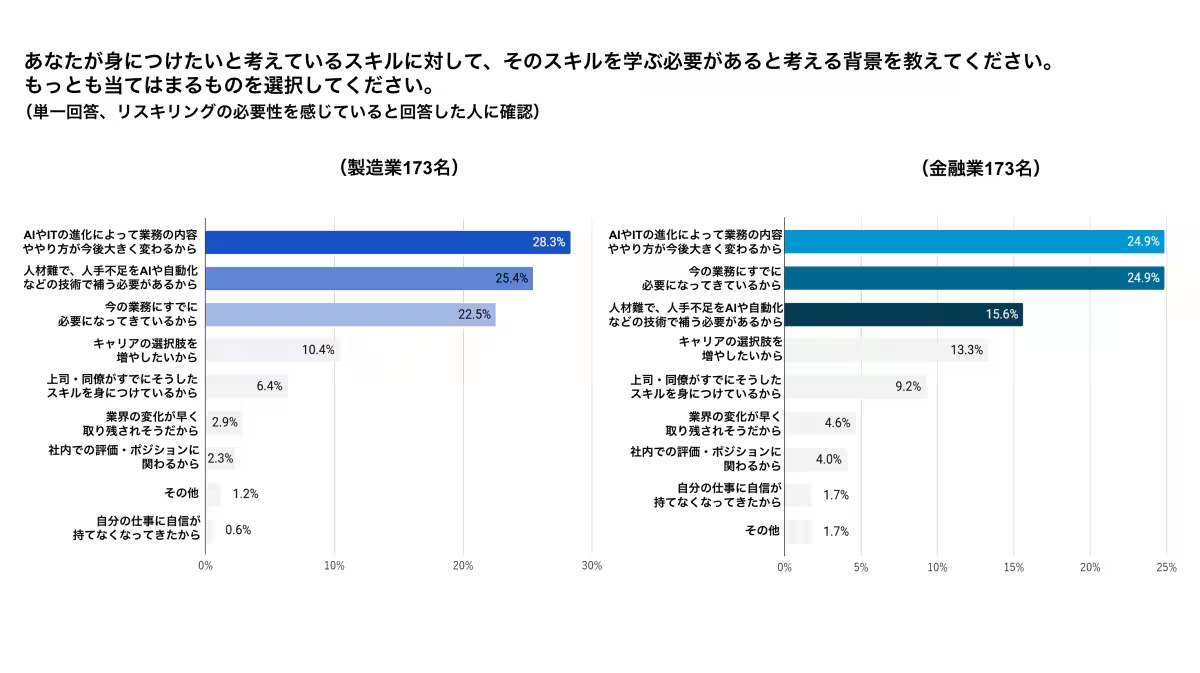
The most common reasons employees feel the need to reskill include:
1. Technological Evolution: The understanding that AI and IT advancements will fundamentally change their current workflows.
2. Immediate Job Requirements: Recognition of the skills needed for their current roles, underscoring the urgency for training programs.
3. Addressing Labor Shortages: The manufacturing sector, in particular, feels the pressure of staffing shortages, leading to an increased need for technological solutions to fill gaps in human resources.
Addressing the Learning Time Challenge
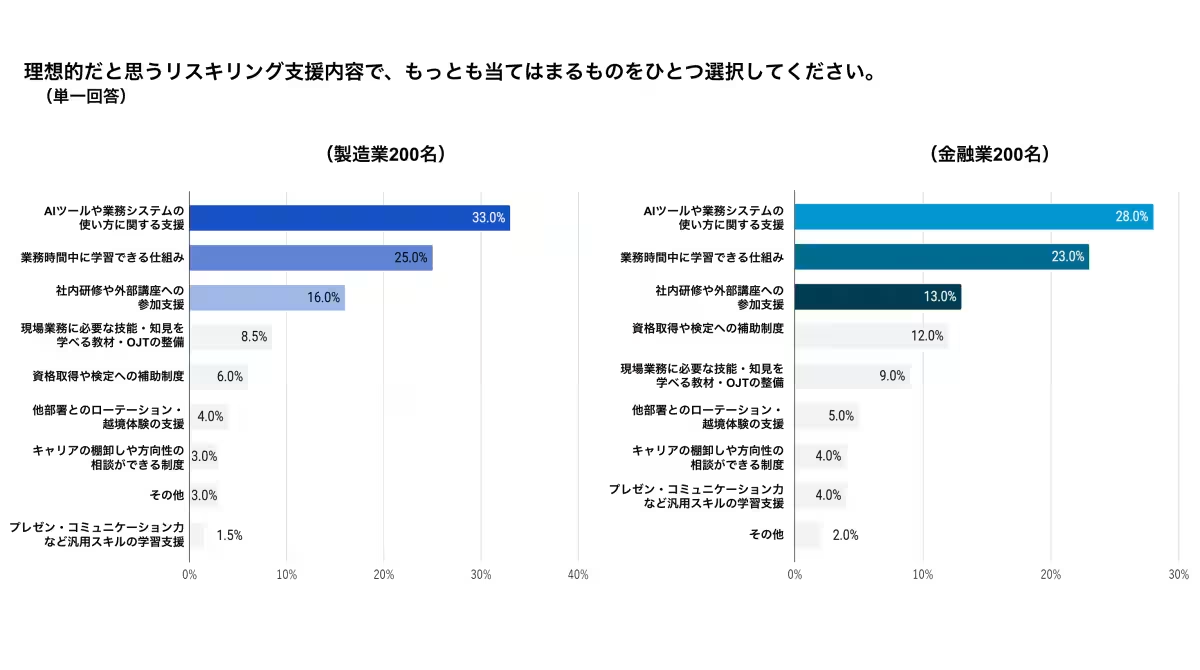
The data highlights that while there is a strong desire for skills acquisition, balancing work and learning remains the biggest challenge. Organizations are encouraged to devise solutions that allow employees to dedicate time to their upskilling efforts without hindering their daily responsibilities.
Proposed ideal support systems include:
- - Providing practical assistance on how to use AI tools and business systems effectively.
- - Creating opportunities for learning during work hours, thus integrating education into the workflow.
The Road Ahead
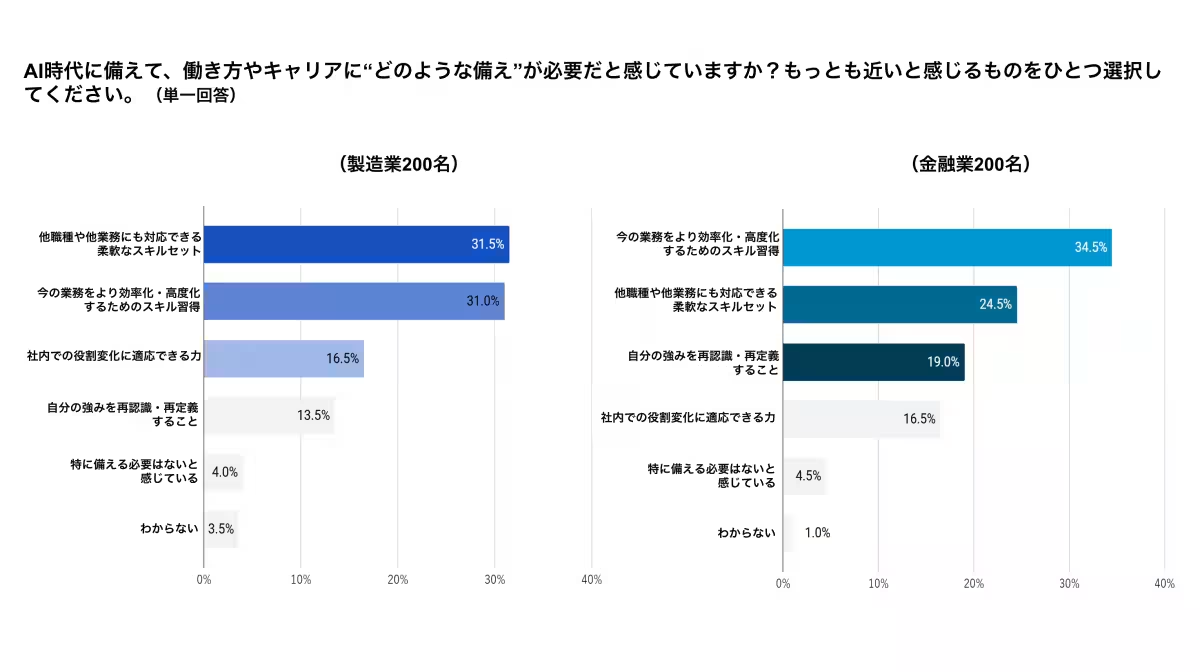
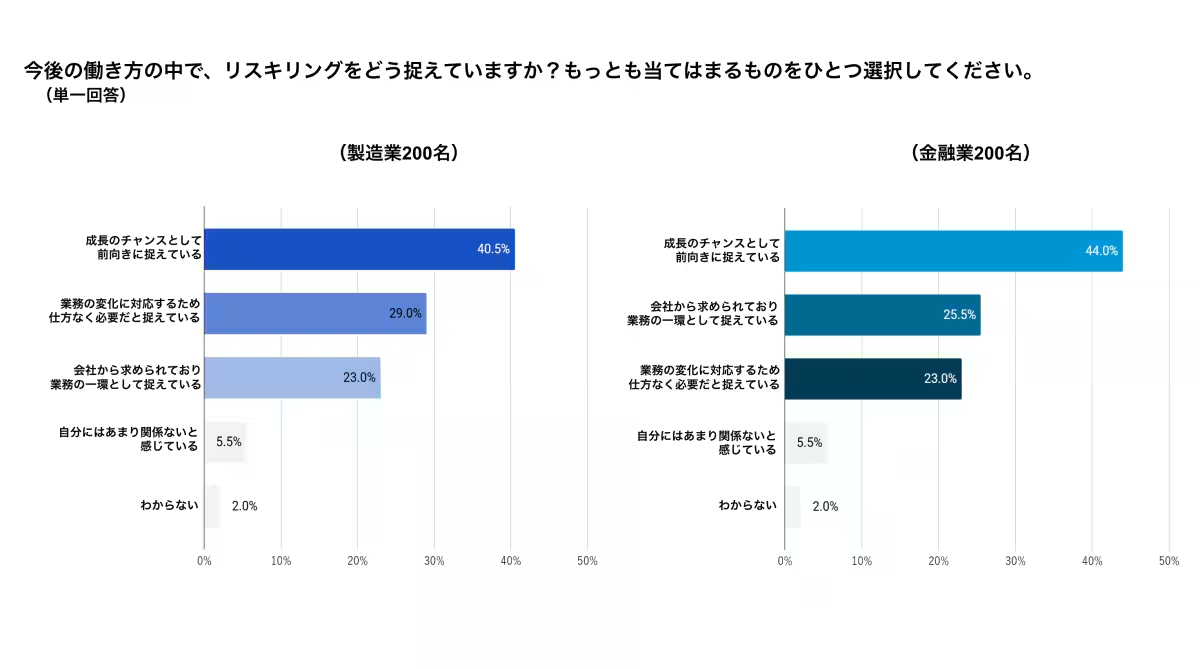
As markets evolve, the demand for a flexible skill set that transcends traditional job boundaries becomes critical. Employees from both sectors showed a proactive attitude towards reskilling, with many viewing it as an opportunity for growth. With 40.5% of manufacturing and 44.0% of finance employees seeing reskilling as a chance for personal development, it is evident that a positive culture towards learning is being established.
To bridge the gap between employee aspirations and organizational support, companies must invest in tailored reskilling programs that address the specific needs of their workforce. The focus should not only be on providing educational resources but also creating an environment that encourages exploration and innovation.
In conclusion, for both manufacturing and finance sectors, embracing a robust reskilling initiative centered on AI proficiency is vital for future success. Companies that adapt to these shifts will likely enhance their competitiveness and better prepare their workforce for the challenges of tomorrow's marketplace.


Topics People & Culture)

【About Using Articles】
You can freely use the title and article content by linking to the page where the article is posted.
※ Images cannot be used.
【About Links】
Links are free to use.