



Exploring the Rise of Voice Input Among Smartphone Users in Japan
Understanding Voice Input Usage in Japan
In an era where technology continues to evolve, smartphones have become an essential tool for communication and information access. Notably, recent findings from LINE Yahoo's research platform, LINE Research, highlight that approximately 30% of Japanese smartphone users engage with voice input. This post provides insights into how and why individuals across various age groups utilize this feature.
Survey Overview
LINE Research, backed by a robust panel of over 7 million active users in Japan, conducted a meticulous study targeting individuals aged 15 to 69. It focused on the methodology employed for keyboard input and the specific applications of voice input on smartphones. The survey was held from January 6 to January 8, 2026, gathering responses from 3,152 participants.
Key Findings on Input Methods
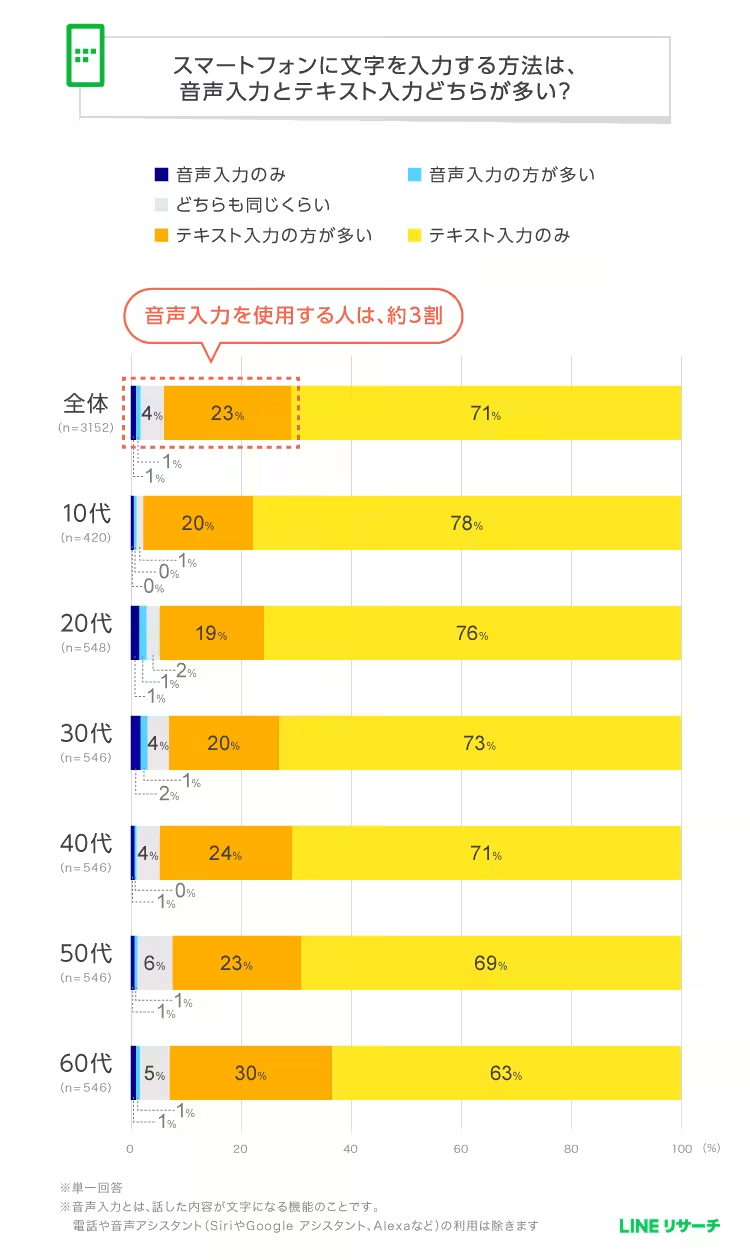
When inquiring about text input methods, the survey revealed a strong inclination towards traditional typing. Approximately 70% of respondents exclusively use text input, with another 20% favoring typing significantly over voice input. Despite this predominance of text input, nearly 30% of users reported utilizing voice input either exclusively or significantly at times. Interestingly, usage rates for voice input tend to rise with age, peaking at nearly 40% among individuals in their 60s, while younger demographics primarily rely on text input.
This data suggests that as users age, they become increasingly open to voice technology, possibly due to its convenience and efficiency in navigating their daily tasks.
Voice Input Applications
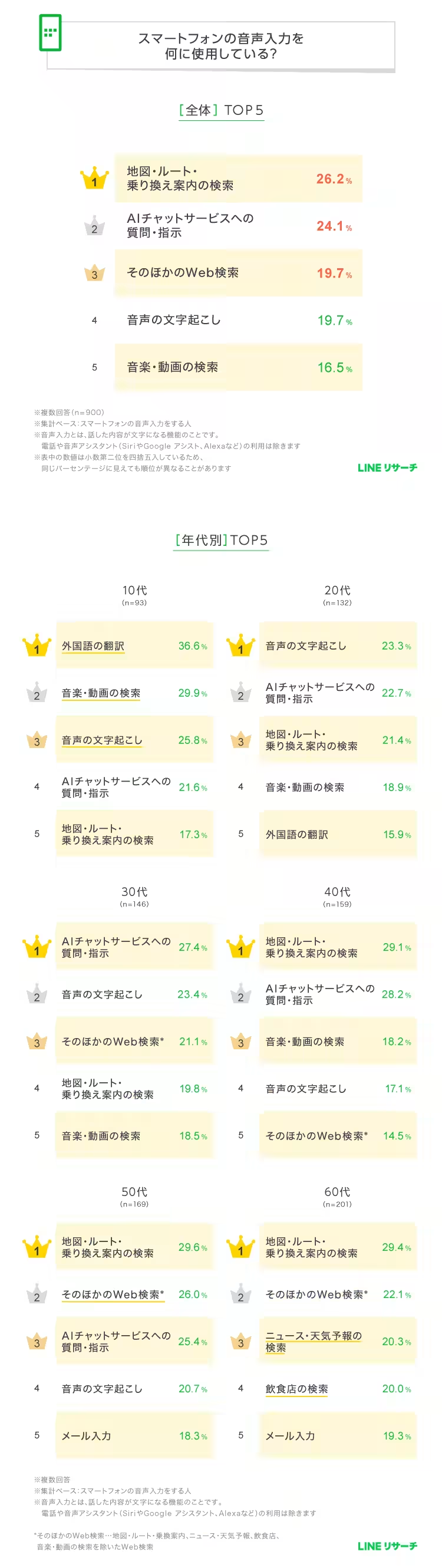
Among smartphone users harnessing voice technology, the top two applications for voice input are for maps, routes, and transit guidance and interacting with AI chat services. Each application accounted for about 20% of reported uses. Notably, among teenagers, there is a strong interest in voice input for foreign language translation, garnering a significant 35% utilization rate.
The survey further revealed that individuals aged 40 and beyond predominantly leaned toward using voice input for navigation-related queries. Meanwhile, news and weather searches feature prominently among users in their 60s, showcasing their adaptation to new technology.
The study's demographic breakdown shows minimal gender disparity; however, male users in their 40s to 60s demonstrated a higher tendency to search for navigation assistance via voice input compared to their female counterparts.
Implications of the Research
This research not only sheds light on the preferences of Japanese smartphone users but also underscores the potential growth of voice-activated technology in everyday tasks. As the iterations of tech grow more sophisticated, the trend indicates that we may witness a significant shift in how we interact with our devices, especially among older adults.
Moreover, with LINE Research positioning itself as a pioneering platform in market surveys, it opens doors for companies to gather invaluable data that directs their marketing and development strategies, particularly among younger demographics who constitute a substantial portion of their active panel.
Conclusion
As we observe the integration of voice technology into daily tasks among Japanese smartphone users, it becomes clear that this trend reflects broader societal shifts towards convenience and efficiency. The findings from LINE Research pave the way for businesses to harness this data to meet evolving consumer expectations effectively. Keeping a finger on the pulse of these changes will be crucial for businesses aiming to remain relevant in this rapidly changing landscape.
For detailed results and visuals supporting this study, check out the full report on the LINE Research official website.
Topics Consumer Technology)
【About Using Articles】
You can freely use the title and article content by linking to the page where the article is posted.
※ Images cannot be used.
【About Links】
Links are free to use.