



Addressing the Invisible Barriers in Retaining Foreign Employees in Japan
Addressing the Invisible Barriers in Retaining Foreign Employees in Japan
In a recent survey conducted by Renxa Inc., more than 40% of companies employing foreign workers reported struggling with significant barriers hampering the integration and retention of these employees. This presents a critical issue in the context of Japan's increasing reliance on foreign labor due to its aging population and declining domestic workforce.
The survey, which targeted business owners and HR personnel across various sectors, sought to uncover the challenges associated with employing foreign workers. One of the key findings indicated that employers are often unprepared to provide adequate support systems related to housing and essential services for their foreign employees.
Key Findings
The survey identified several key areas where companies face challenges in assisting their foreign workforce:
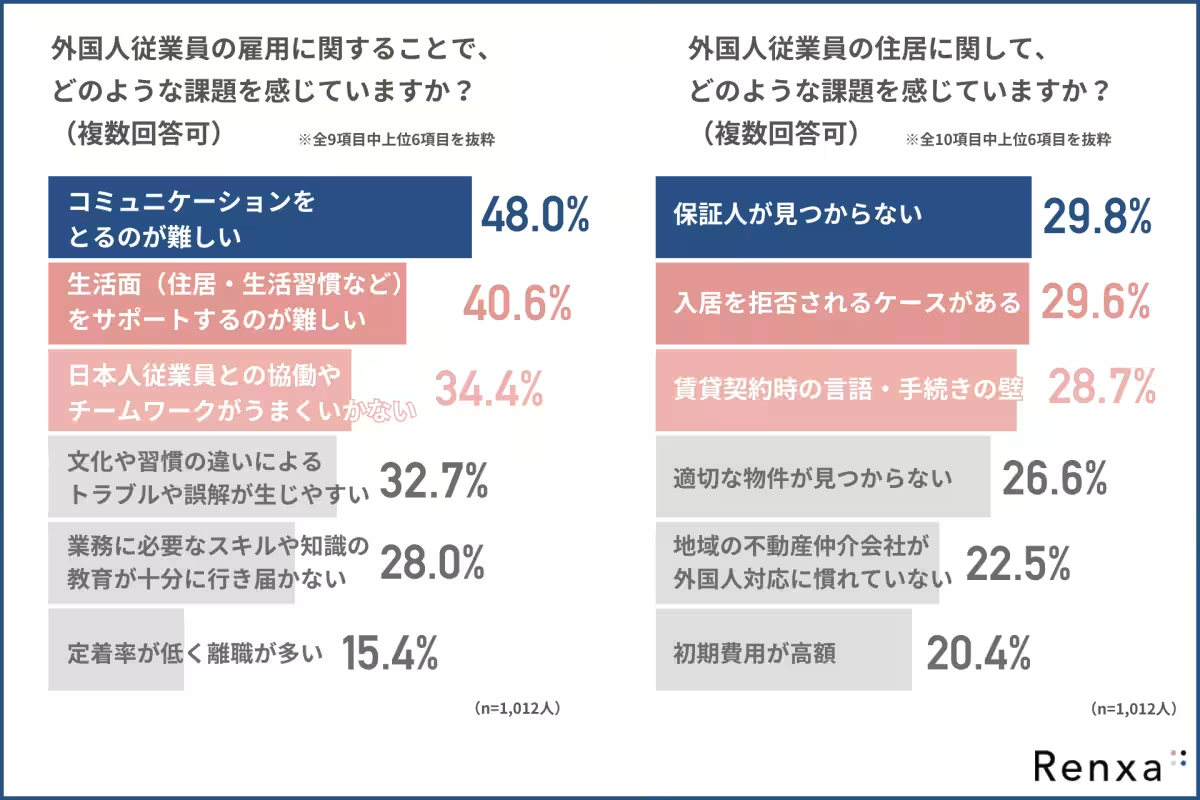
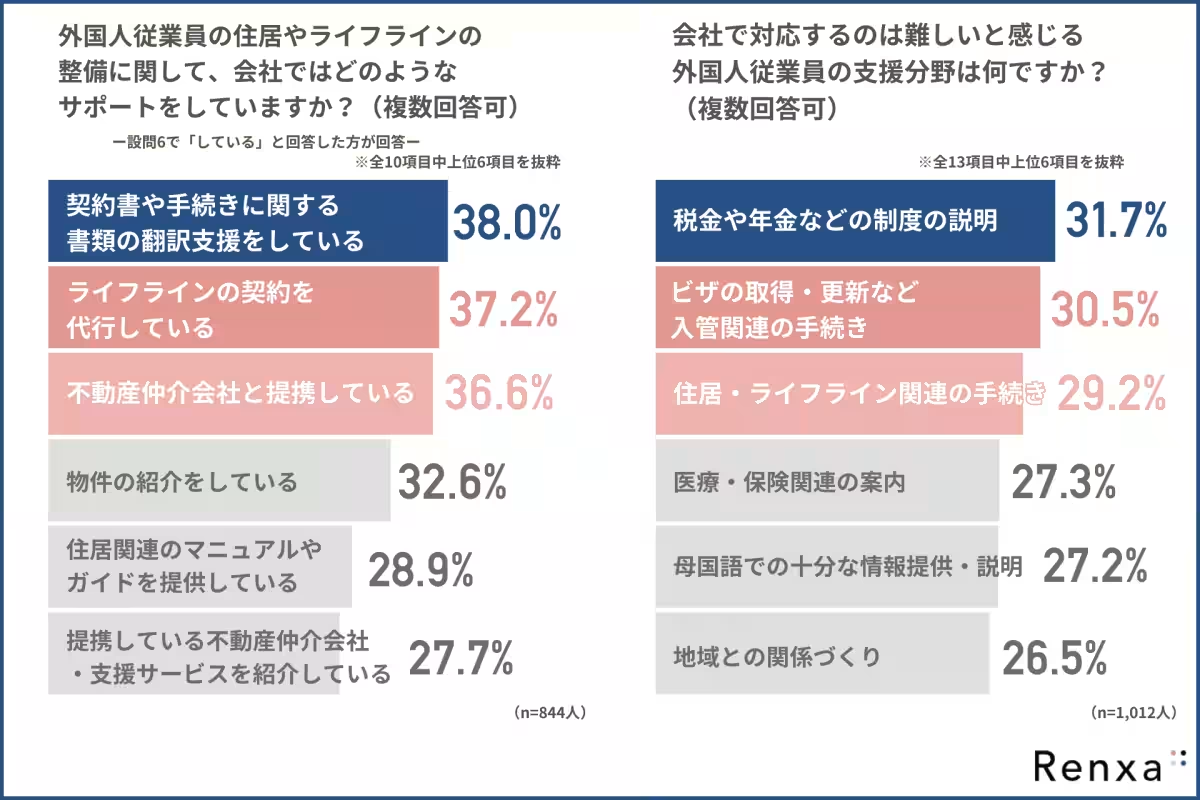
1. Housing-related Challenges: The most pressing issues included difficulties in finding guarantors, instances of rental rejection, and language barriers during lease agreements.
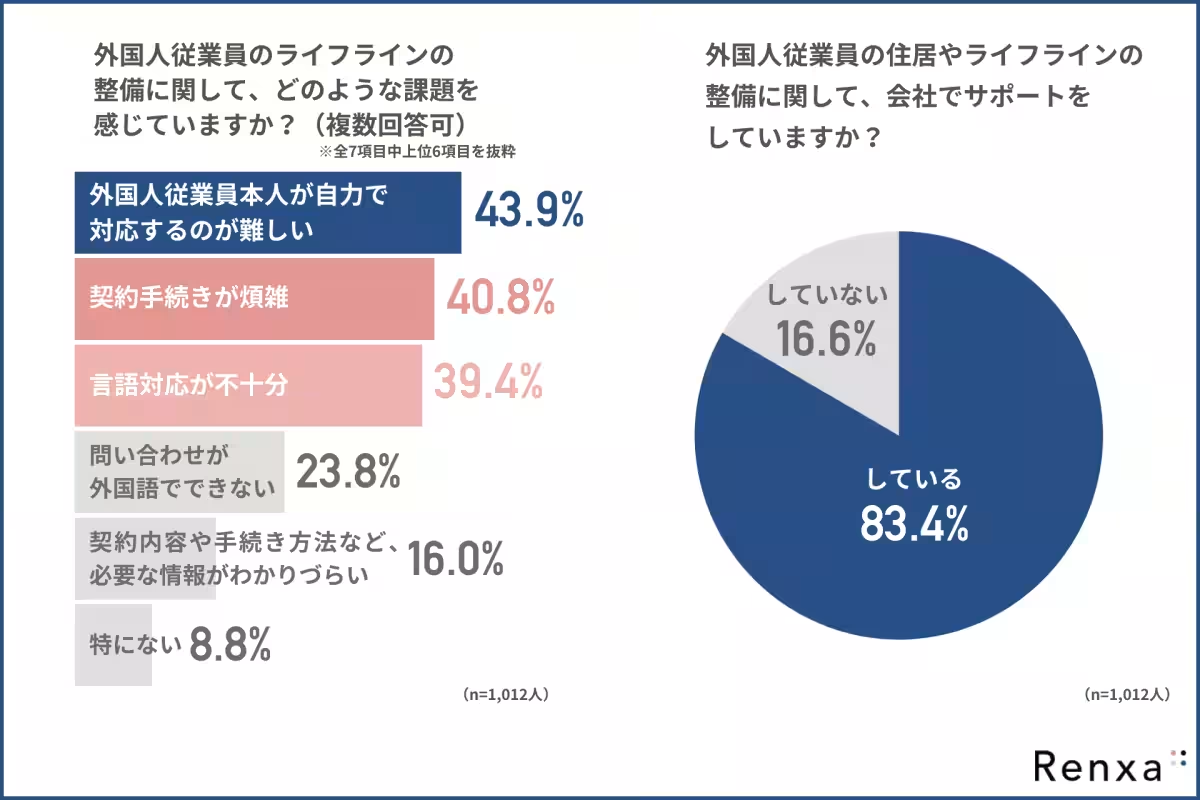
2. Support for Essential Services: Many employees struggled with the complexities of setting up utilities due to inadequate support, including language and procedural barriers.
3. Limited Company Support: About 80% of companies reported providing some form of support regarding housing and essential services, yet many acknowledged the difficulty in managing certain critical support areas, particularly in navigating the tax system and visa-related processes.
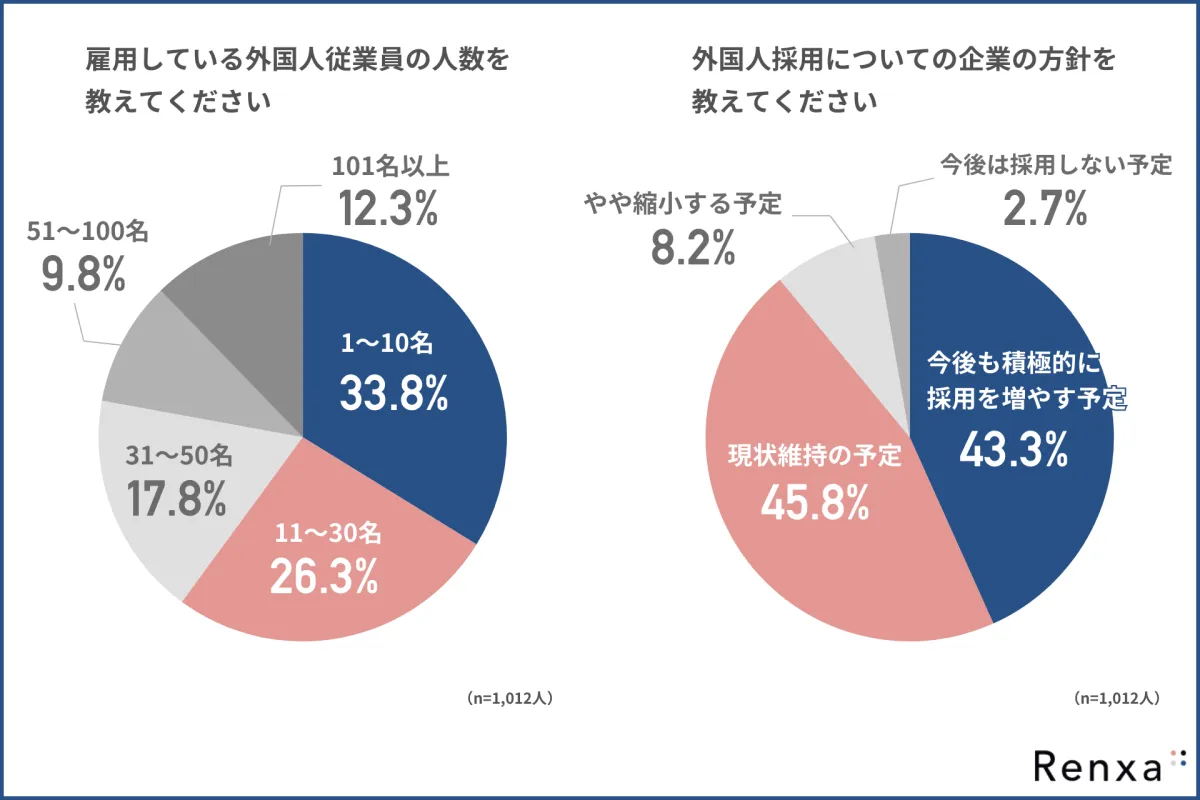
These challenges highlight a notable disconnect between the growing need for foreign labor and the existing support mechanisms within companies. While there is a robust intention to employ foreign workers—evidenced by nearly 90% of companies either planning to maintain or increase their recruitment efforts—actual support for these workers appears inadequate.
Challenges in Communication and Cultural Integration
Further insights from the survey uncovered that communication barriers were perceived as the most significant challenge, with 48% of respondents indicating difficulty in interaction with foreign employees. More than 40% reported challenges in supporting living aspects, such as housing and lifestyle, while 34% faced issues with teamwork and collaboration between Japanese and foreign staff.
This communication challenge not only affects day-to-day operations but also hampers team dynamics, thereby influencing both workplace morale and retention rates. The concerns voiced by employees regarding housing—such as finding guarantors and facing rental rejections—reflect deeper systemic issues that go beyond individual corporate strategies.
The Vital Role of External Support
Given the increasing complexity of these issues, the need for external support services becomes apparent. Renxa has introduced the Lifestyle Advisor Global service, which assists foreign nationals settling in Japan with essential services tailored to their native languages. This service aims to enhance the onboarding experience for foreign employees by providing necessary information and guidance through their transition period.
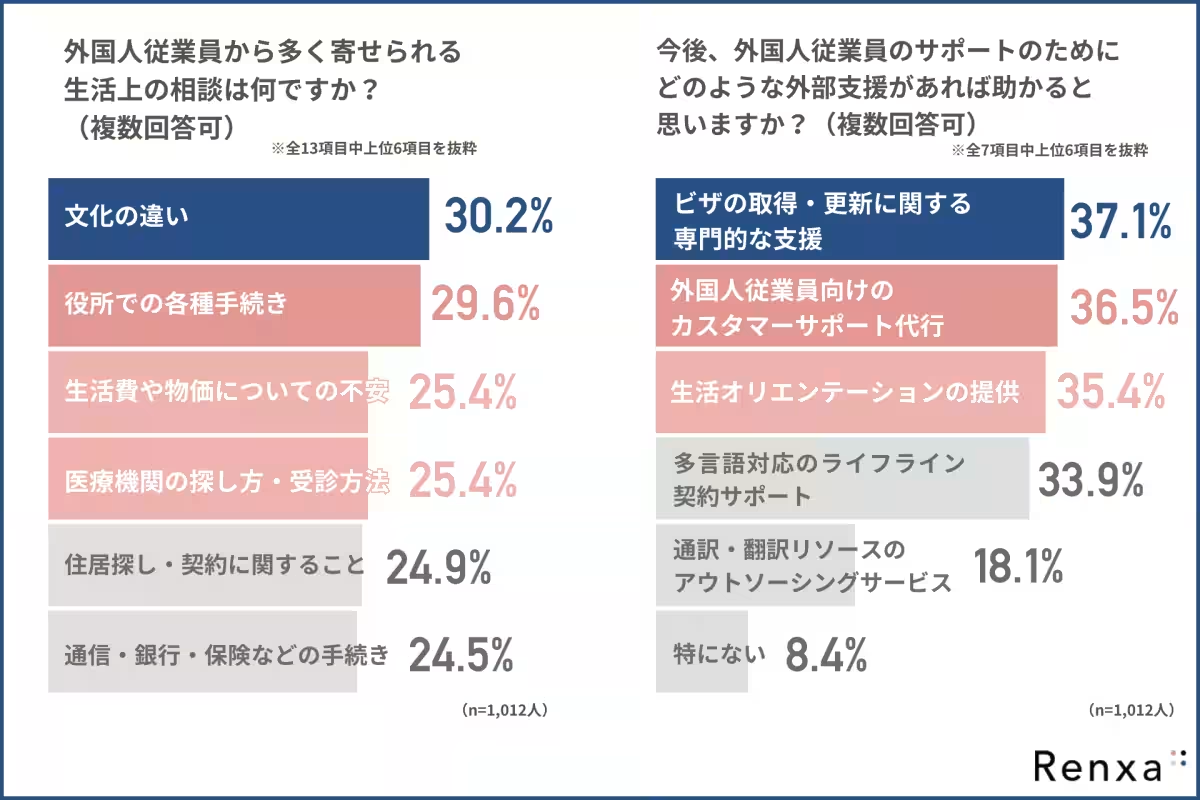
The survey results underscored a widespread demand for specialized external services, with a significant number of companies acknowledging their inability to manage the complexities involved in immigration requirements and housing services on their own. Support areas highlighted by respondents included specialized assistance with visa processes, language support services, and comprehensive living orientation programs for expatriates.
Towards a Sustainable Future for Foreign Employment
Companies recognize that establishing a robust support system is not only beneficial for their employees but essential for the overall health of their operations. Approximately 80% of surveyed companies are taking proactive steps to aid in housing and essential service integration, illustrating a commitment to improving foreign workers' quality of life in Japan.
This highlights a growing acknowledgment within Japanese businesses that attracting and retaining foreign talent is a multifaceted endeavor requiring targeted support infrastructure. By collaborating with external partners, companies can alleviate some operational burdens and foster a more supportive environment for foreign employees—ultimately leading to enhanced retention and satisfaction levels.
Conclusion
As Japan continues to draw on the talents of foreign professionals, the establishment of comprehensive support systems is paramount. Businesses must address these pressing challenges by recognizing the need for supportive structures that extend beyond employment into areas critical for daily living. Building a framework that includes external expertise will not only benefit foreign employees but also strengthen the businesses that rely on their unique skills and perspectives.
Through concerted efforts and collaborations, Japan can create a more inclusive employment landscape where foreign workers feel valued, supported, and, ultimately, at home.

Topics People & Culture)


【About Using Articles】
You can freely use the title and article content by linking to the page where the article is posted.
※ Images cannot be used.
【About Links】
Links are free to use.