



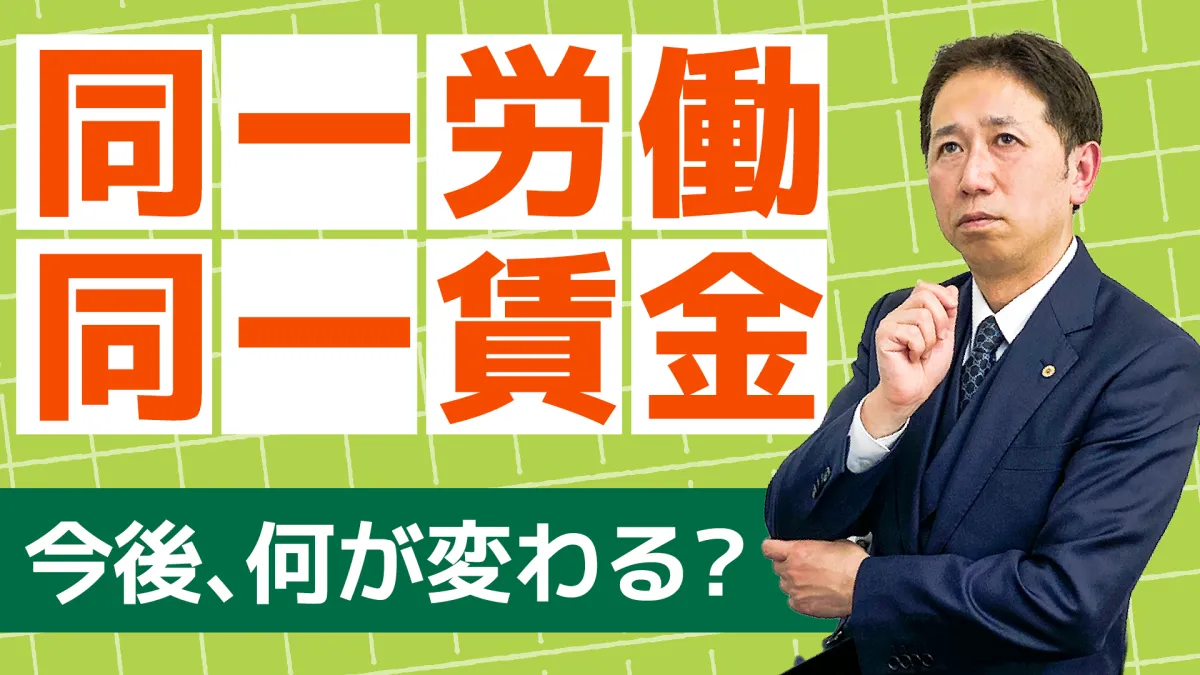
Understanding Equal Pay for Equal Work: What Companies Need to Know Before the Changes
Understanding Equal Pay for Equal Work: Implications and Preparations
The concept of "Equal Pay for Equal Work" has gained significant traction as labor laws evolve. Starting in 2026, labor bureaus will commence comprehensive surveys aimed at assessing how employers align with these regulations. While these surveys primarily focus on data gathering without necessarily enforcing corrective actions, they offer valuable insights into employment practices, particularly concerning wage disparities between regular and non-regular employees.
Key Aspects of the Upcoming Surveys
As the government prepares for discussions surrounding legislative revisions in 2028, employers must familiarize themselves with the key elements under scrutiny during these labor bureau surveys. The investigation will include a detailed examination of:
- - Job descriptions and responsibilities
- - Salary, allowances, and bonuses
- - Conditions for promotion or transfer
Understanding the specifics is vital as businesses aim to promote fair treatment while minimizing risk.
Why Are Labor Bureau Surveys Important Now?
The current wave of labor bureau surveys is not a random endeavor but rather a proactive measure to gather crucial data on existing discrepancies. This is particularly relevant as it sets the stage for future legal requirements and amendments that may redefine the landscape of employment law.
During these surveys, companies should anticipate inquiries focusing on various factors such as pay differences, responsibilities attached to positions, and transfer requirements. Employers should also be prepared to articulate their policies on the equal treatment of employees, a topic that has gained more attention than ever before.
Addressing Common Concerns
The surveys will assess whether there is any unjust disparity in payment practices and will seek to clarify what is deemed
Topics People & Culture)
【About Using Articles】
You can freely use the title and article content by linking to the page where the article is posted.
※ Images cannot be used.
【About Links】
Links are free to use.