




2025 Networking Survey Reveals Risks and Opportunities for Young Professionals
Unpacking the 2025 Networking Survey by Job Souken
In a recent study conducted by Job Souken, a research institute under Persol Career Co., Ltd., over 430 working adults participated in the 2025 Networking Survey. This survey aimed to explore the changing perceptions surrounding networking, associated risks, preferred platforms for connecting, and the perceived significance of networking in professional advancement.
The Paradox of Networking Risks
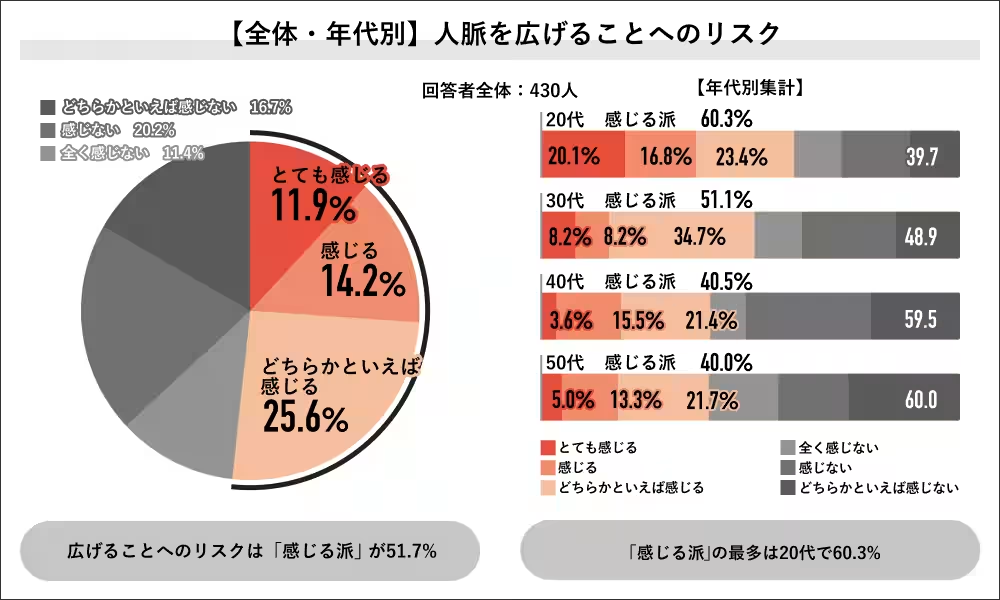
The findings illuminate that a majority of respondents, 51.7%, express concerns about the risks of expanding their networks. Notably, this apprehension is more pronounced among younger professionals, particularly those in their 20s, with a staggering 60.3% acknowledging these risks. As networking becomes increasingly facilitated by social media platforms, concerns surrounding privacy invasion and information leakage have surged, leading many to approach new connections with caution.
Social Media Preferences and Avoidances
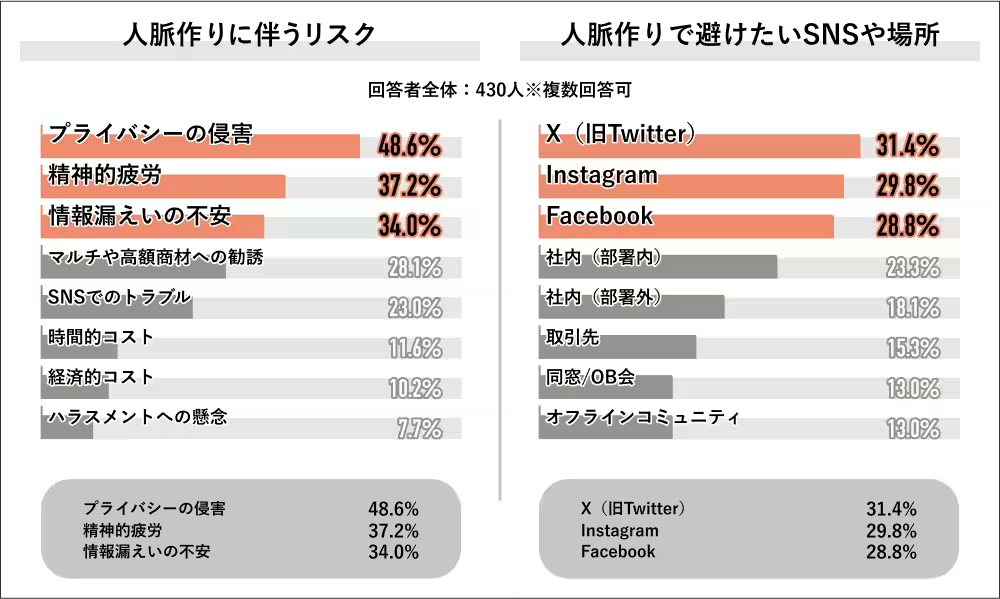
Participants were also asked about which social media platforms they prefer to avoid while networking. Results indicated that 31.4% of respondents shun X (formerly Twitter), followed by Instagram at 29.8% and Facebook at 28.8%. This trend unveils a prevalent sentiment among professionals prioritizing privacy and mental well-being over casual connections, choosing to steer clear of platforms they associate with potential risks.
Evolving Importance of Networking
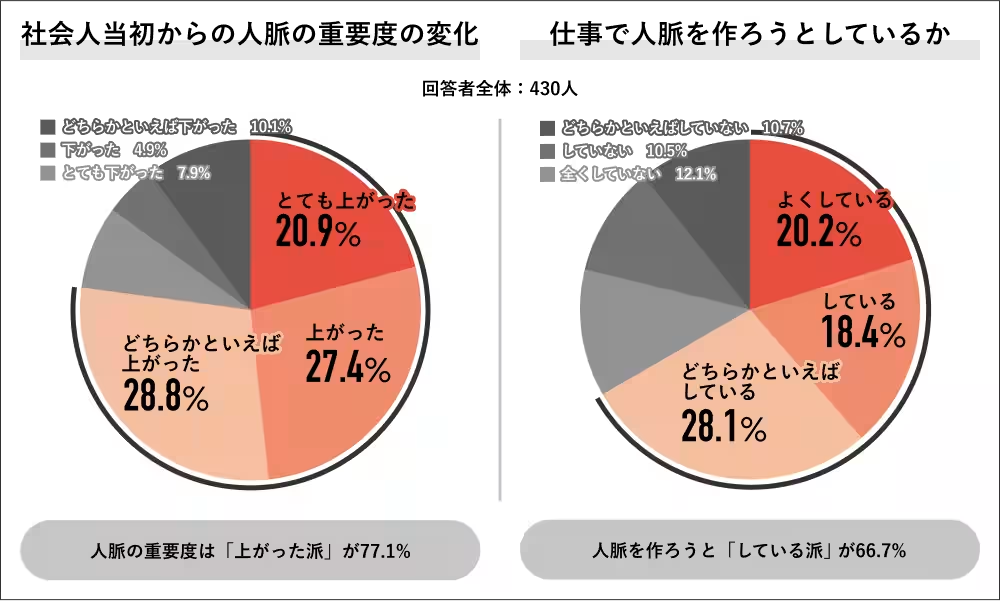
When asked about the importance of networking since entering the workforce, an overwhelming 77.1% reported its significance has increased, with many indicating that professional relationships are not only favorable but essential for career traction. Remarkably, even with the perceived dangers, 66.7% of participants actively pursue networking opportunities at work, primarily seeking guidance and collaboration to enhance their job performance.
Motivations Behind Building Networks
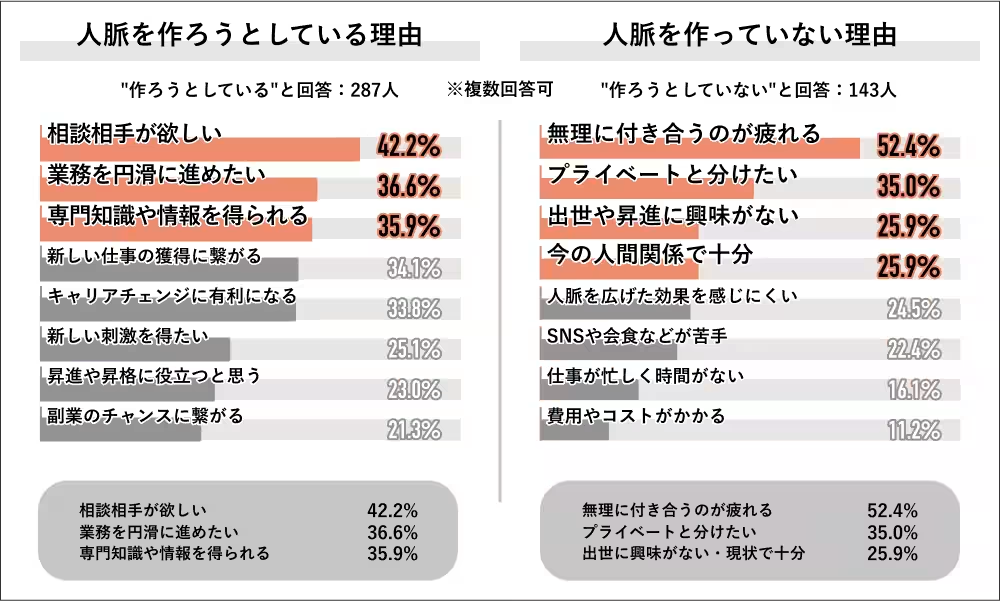
Among the 287 individuals interested in networking, the primary motivation (42.2%) was to seek consultation and support. Additional reasons included the desire to streamline work processes (36.6%) and to acquire specialized knowledge and information (35.9%). Conversely, the 143 respondents who opted against networking voiced sentiments of exhaustion from forced interactions, the need to separate personal and professional realms, and a lack of interest in promotions or advancements.
The Necessity of Networking for Career Advancement
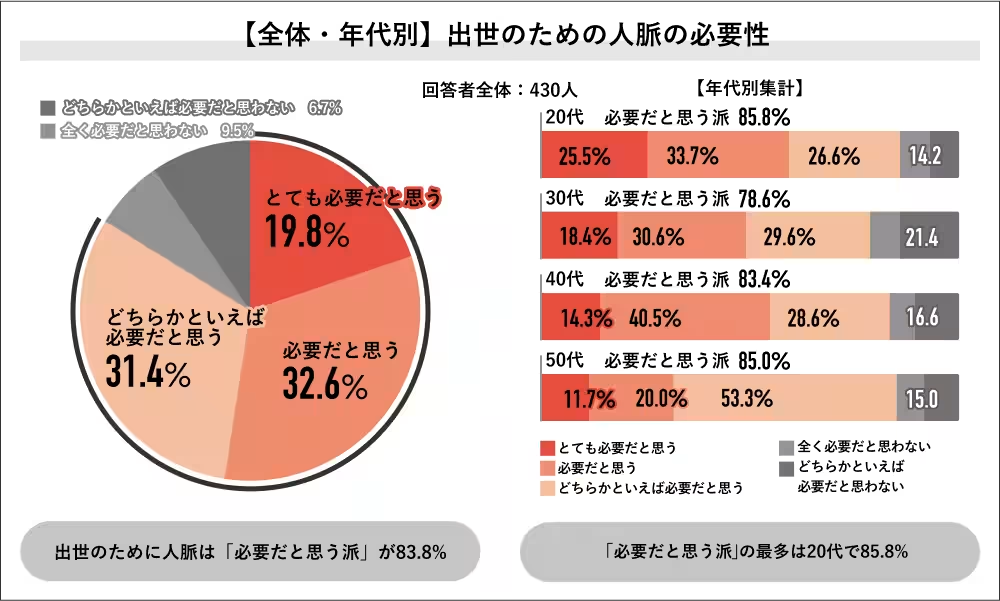
The survey highlighted a strong consensus on the necessity of networking for career growth, with 83.8% believing that it is essential, particularly among 20-somethings, where the agreement threshold reached 85.8%. Many respondents acknowledged that their existing professional strengths could indeed be attributed to the networks they have developed over the years.
Future Networking Intentions
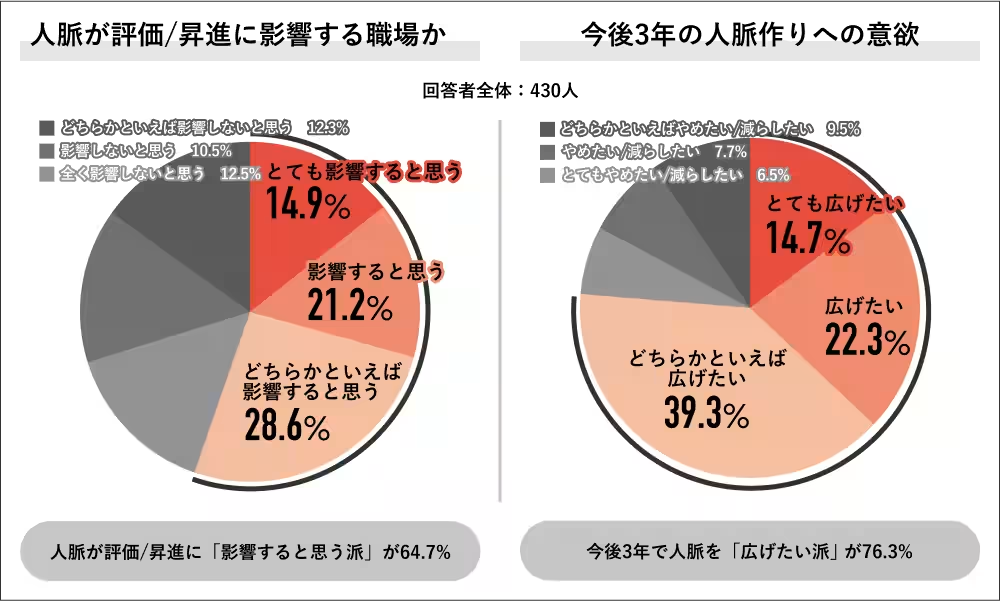
Moreover, looking ahead, about 76.3% of respondents expressed a desire to expand their professional networks in the next three years. This predominant trend showcases the persistent value individuals place on networking, despite the associated risks.
Reflections on Networking
In response to promptings about the risks tied to networking, various comments emerged, revealing a common thread of caution:
- - "Broad, shallow connections risk being exploitative. I avoid sharing personal information at work."
- - "There are good and bad networks; connecting with strangers online can be dangerous."
- - "As an introvert, I find that forcing connections can lead to burnout."
In summary, the 2025 Networking Survey from Job Souken uncovers a nuanced landscape where risks are perceived prominently among younger demographics, yet the recognition of networking's importance for career development continues to rise. The survey’s insights suggest a crucial need for a balanced approach in networking, emphasizing safety and structured interactions while leveraging the potential benefits for professional growth. As the working landscape evolves, so too must our strategies for forming meaningful connections that fuel career ambitions.


Topics People & Culture)

【About Using Articles】
You can freely use the title and article content by linking to the page where the article is posted.
※ Images cannot be used.
【About Links】
Links are free to use.