



Understanding Corporate Retreats: Do Gen Z See Them as Necessary or a Burden?
The Reality of Corporate Retreats for Gen Z
In a rapidly evolving workplace culture, corporate retreats are increasingly scrutinized, especially among Generation Z employees in Japan. A recent survey conducted by Japan Design Co., focusing on employees aged 22 to 29, revealed some surprising insights regarding Gen Z’s views on these much-debated company outings.
Background on the Survey
With the growing emphasis on work-life balance and the shift in employee expectations, understanding the perspective of the youngest workforce is crucial. The survey aimed to delve into the realities and preferences surrounding corporate retreats among this demographic, spurred partly by trends in social media where many expressed their views.
Key Findings
High Participation but Low Enthusiasm
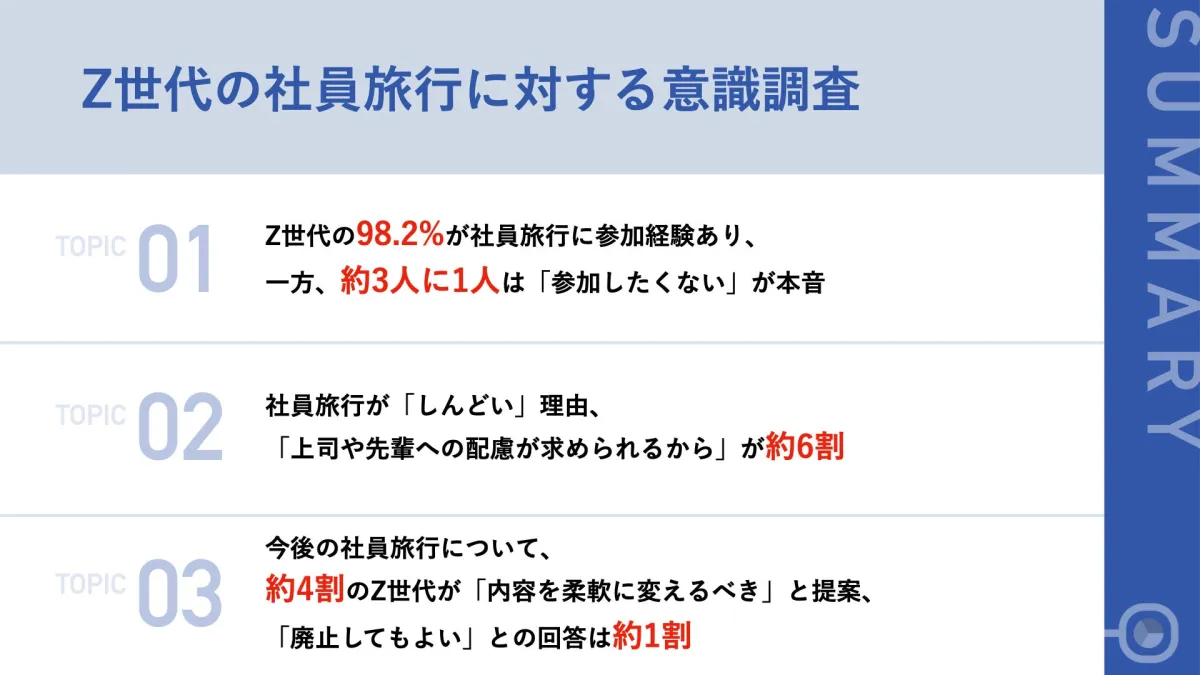
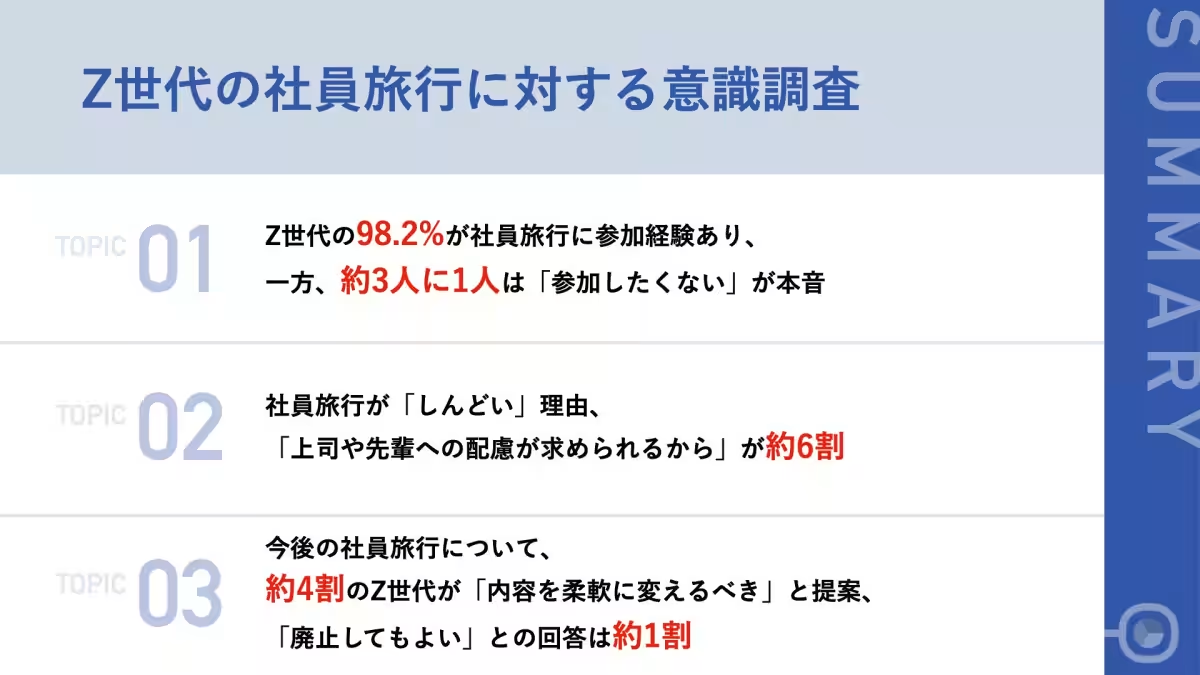
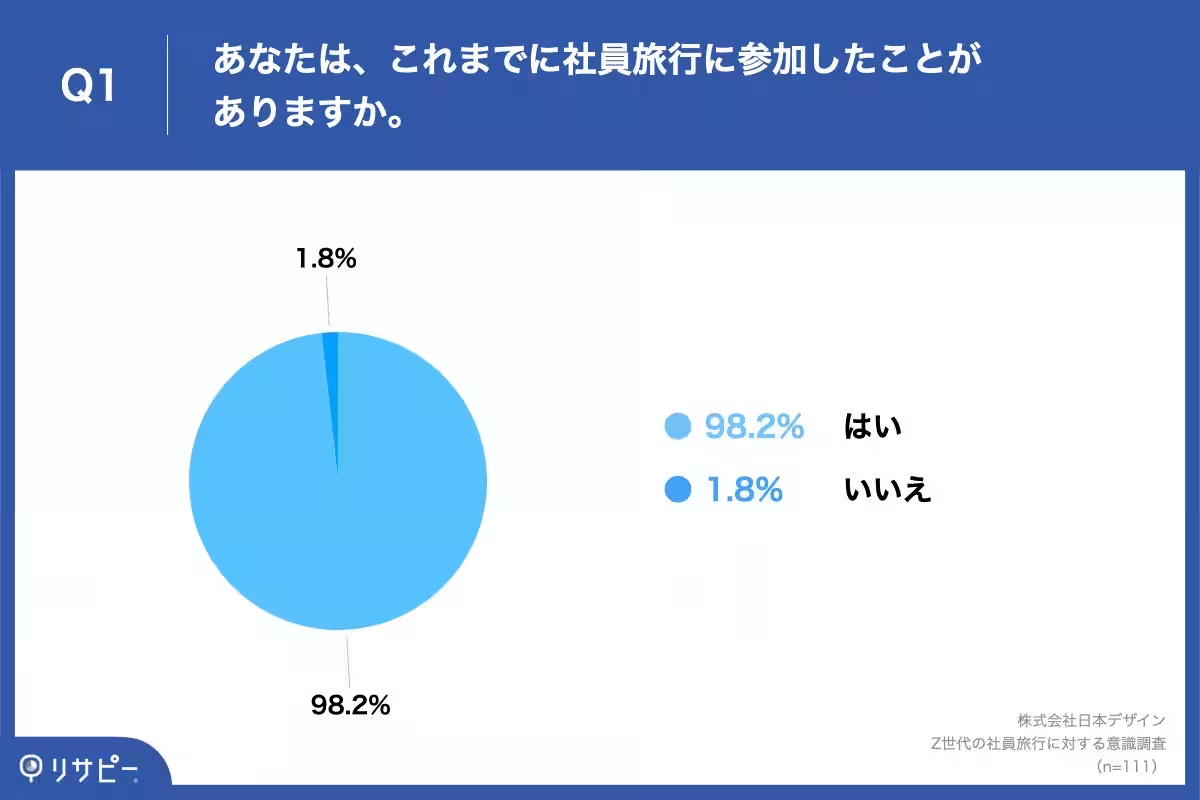
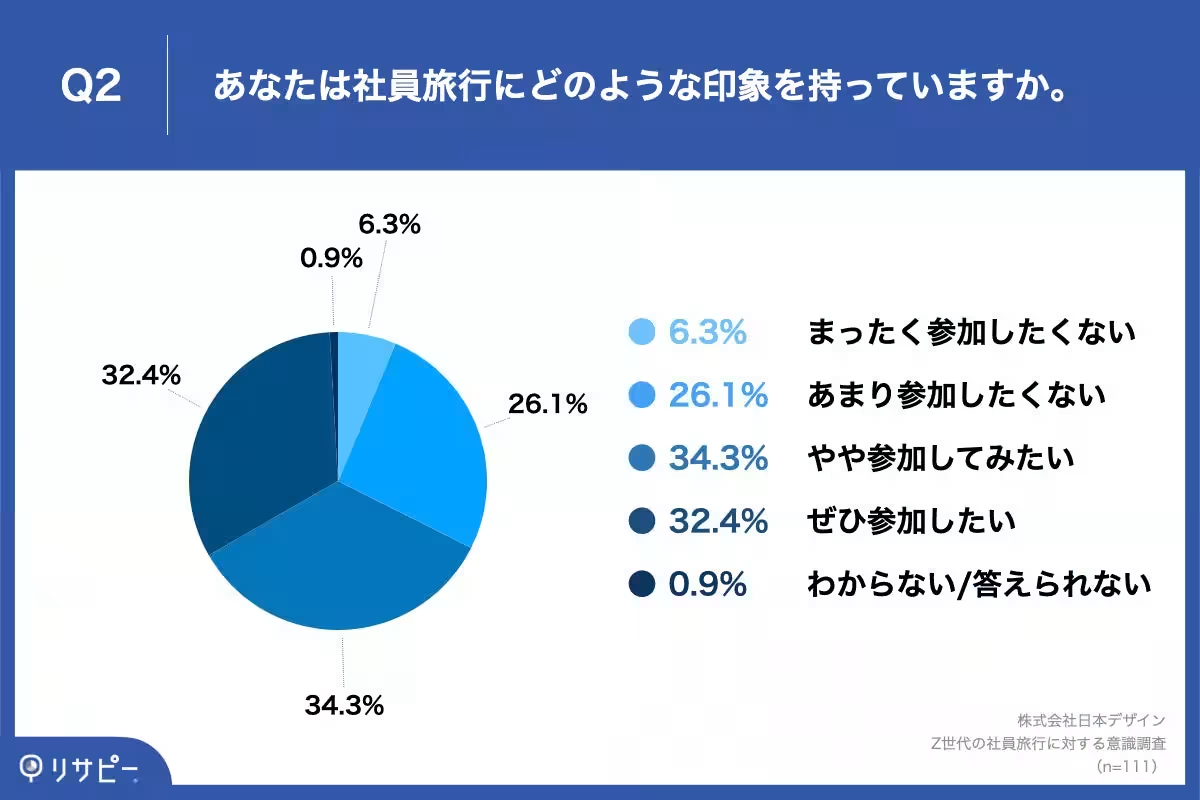
The survey results indicated that an overwhelming 98.2% of Gen Z respondents had participated in at least one corporate retreat. However, this statistic paints a somewhat contradictory picture: over one-third, precisely 32.4%, expressed that they would prefer not to attend future retreats. This disconnect hints at underlying issues regarding the expectations and the nature of such events.
Why the Reluctance?
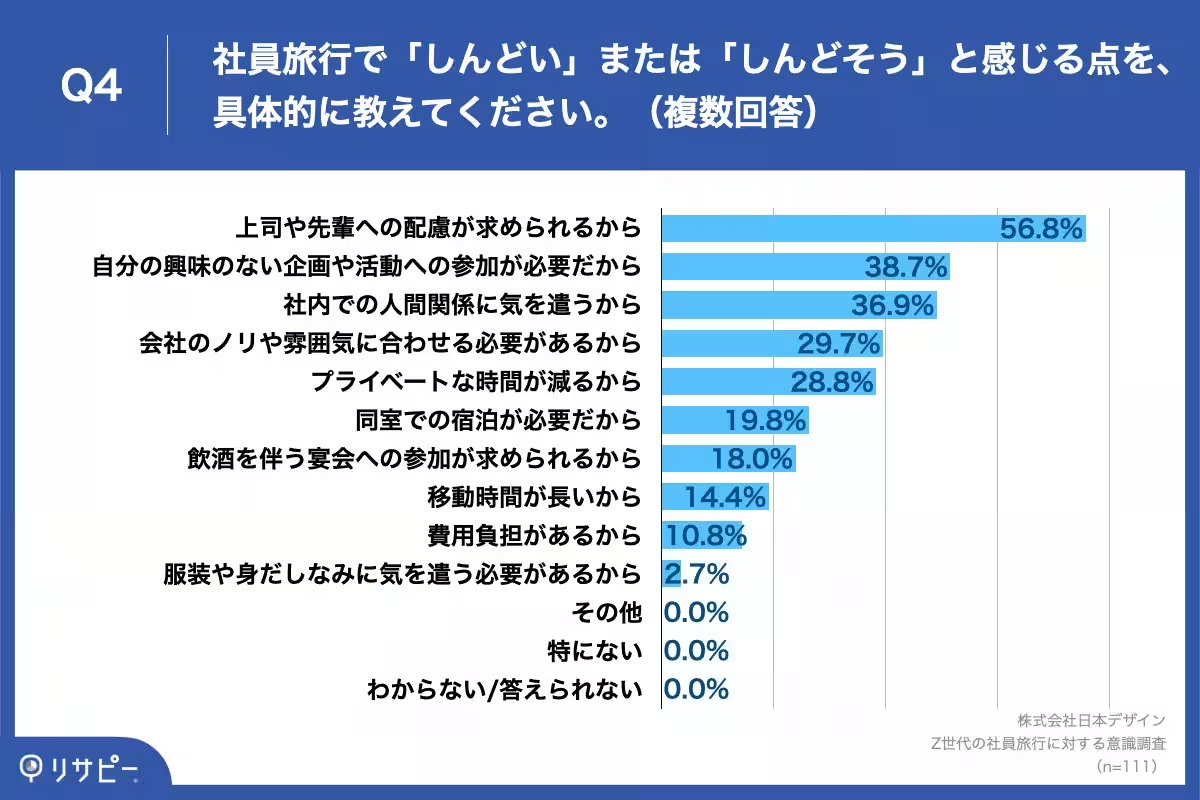
When asked about their reluctance to participate in these outings, 56.8% cited the pressure to accommodate the preferences of senior staff as a major factor in their discomfort. This generation often emphasizes authenticity and personal choice, making rigid social structures, particularly those involving hierarchies, less appealing.
Additionally, 38.7% reported that they found it challenging to engage in activities that did not align with their interests, further contributing to their aversion.
A Call for Flexibility
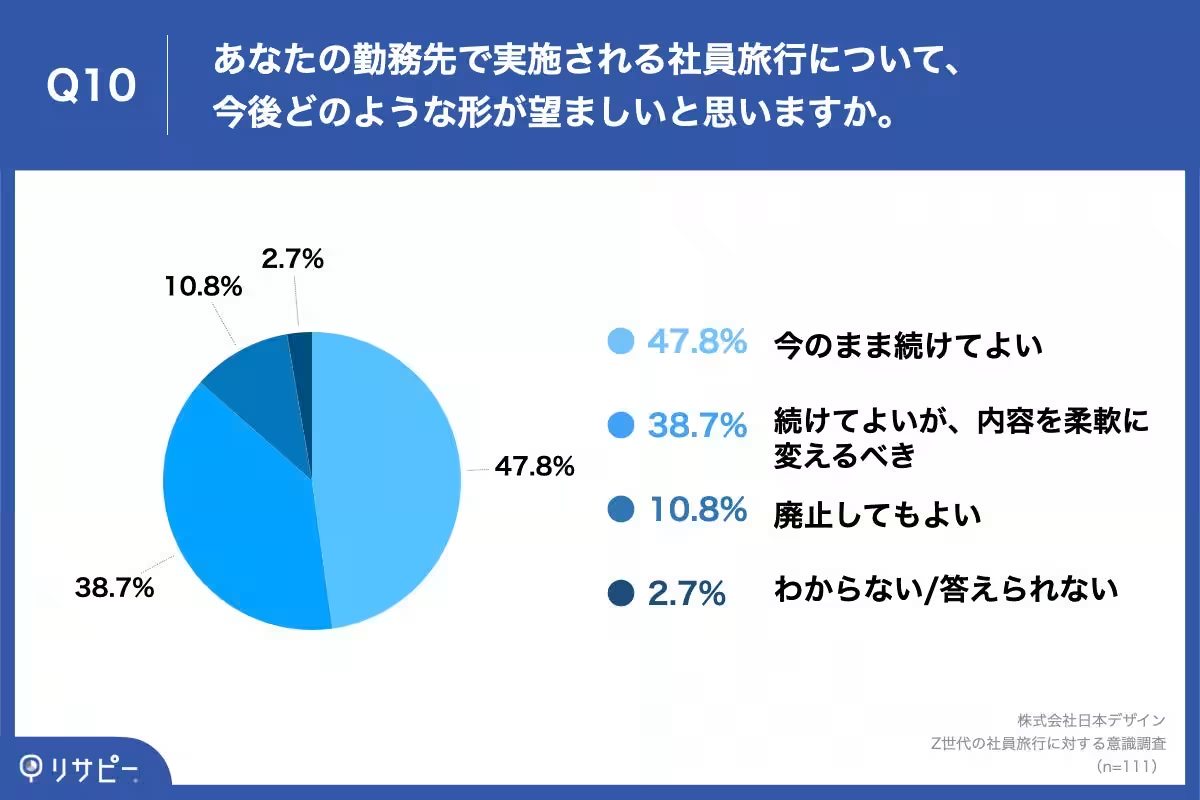
Interestingly, while many demonstrated reluctance, nearly 40% proposed that future corporate retreats should allow for more flexible programming. This could mean a shift towards a model that encourages personalization and the opportunity to opt-out of activities that feel obligatory or burdensome. Only 10.8% indicated they would support the complete abolition of corporate retreats, suggesting that there is potential for positive transformation rather than outright rejection of the concept.
The Ideal Corporate Retreat
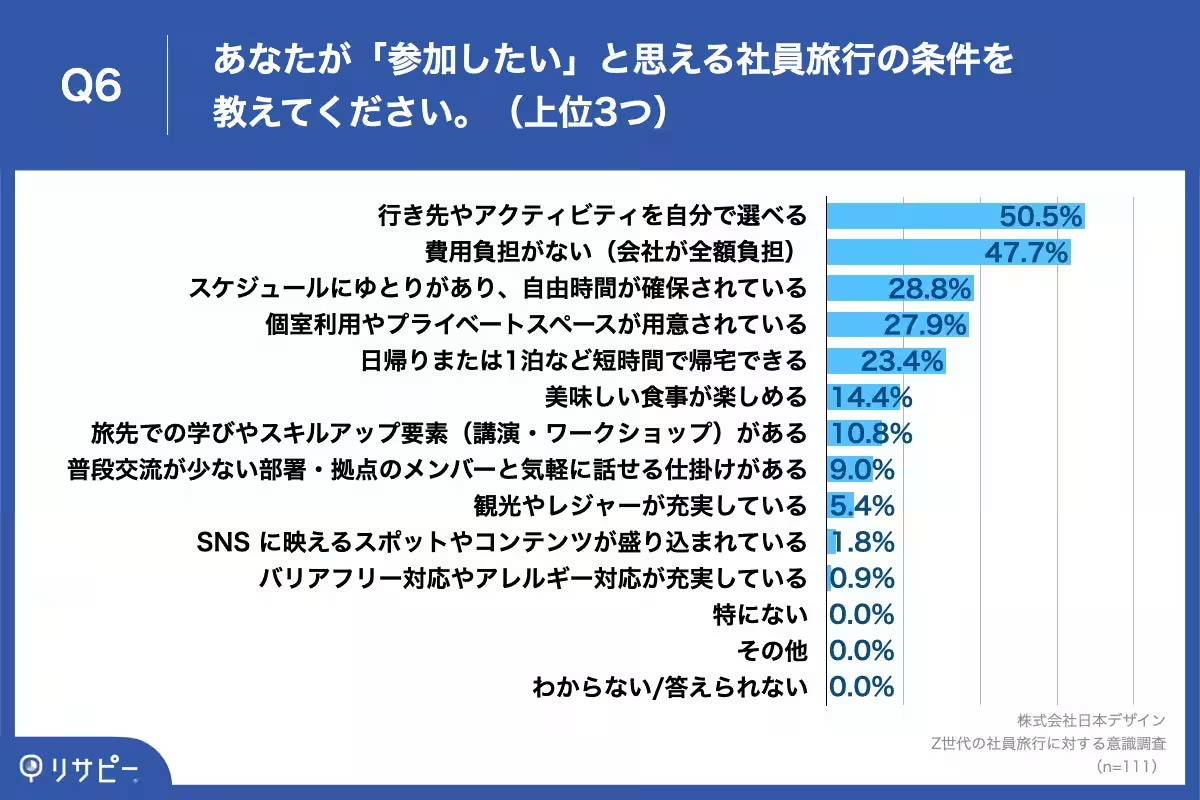
According to the findings, the ideal conditions for a corporate retreat included the ability to choose one's destination and activities (50.5%) and absence of any financial burden (47.7%). These responses highlight a critical aspect of Gen Z’s approach to work: a preference for autonomy and a sense of control over their experiences.
In addition to these conditions, respondents expressed a desire for more leisure time and private accommodations during such events—underscoring the need for a balance between team bonding and individual solace.
Destinations That Resonate
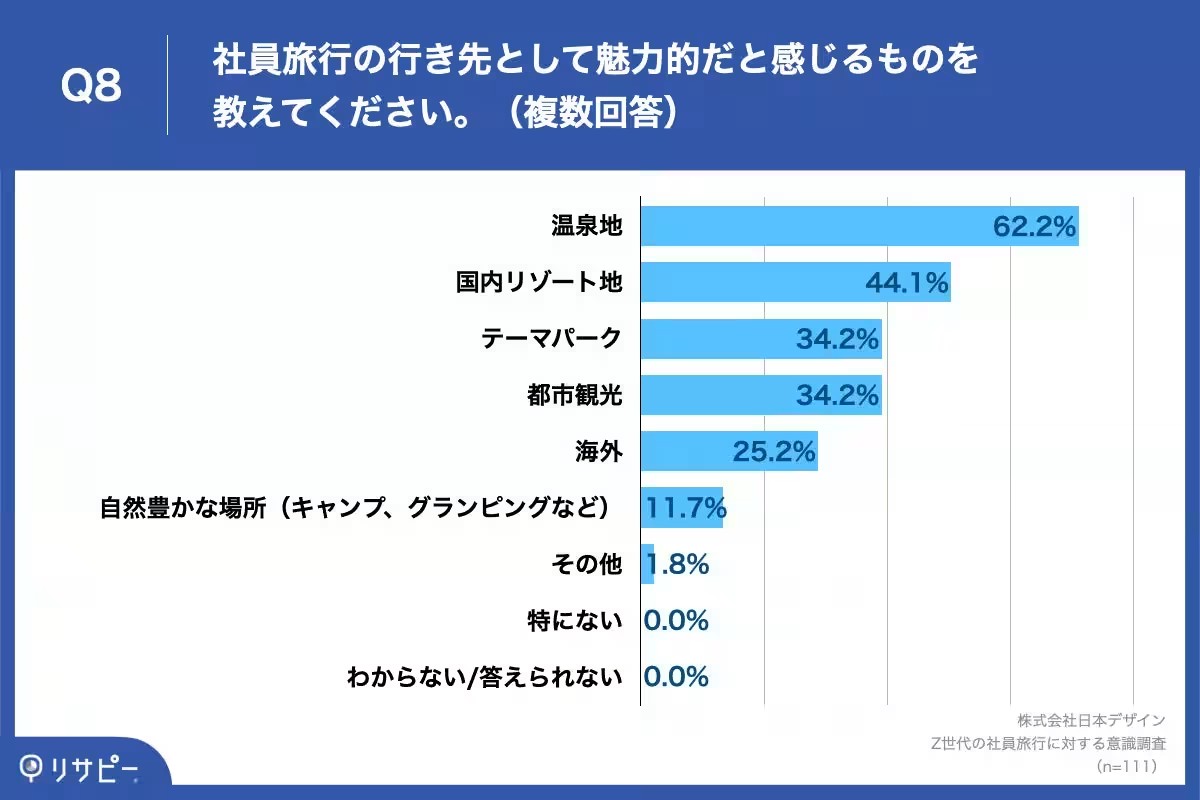
When asked what destinations they find appealing, 62.2% of respondents favored traditional tourist spots like onsen (hot spring resorts), while others showed interest in domestic resort areas and theme parks, indicating a preference for enjoyable and relaxing environments.
Inclusivity Matters
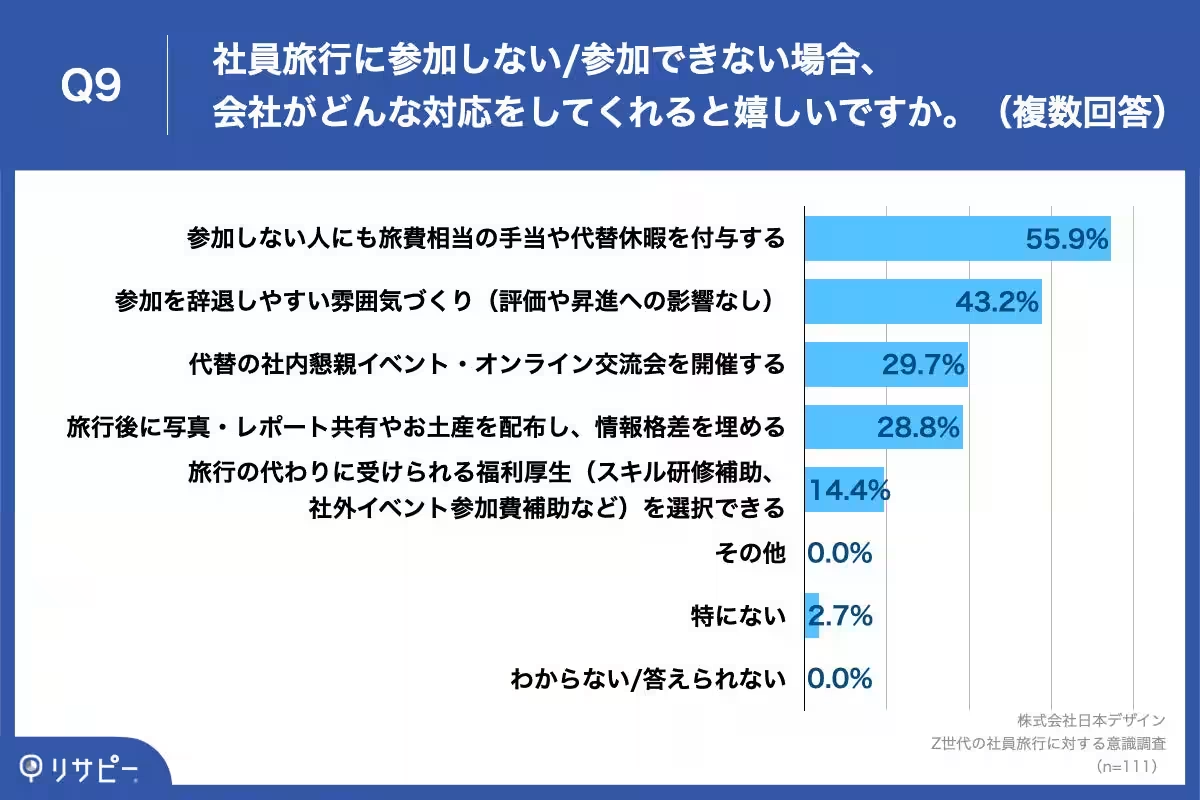
A notable portion of respondents who chose not to attend a retreat expressed a desire for companies to acknowledge their absence through financial compensation or alternative benefits. Approximately 55.9% wished for equal treatment, suggesting the need for organizations to adopt more inclusive policies that address the diverse needs of their workforce.
Future Directions
Looking to the future, nearly 48% supported maintaining the current model for corporate retreats, while 38.7% encouraged flexibility and innovation in planning. This response suggests that while corporate retreats are not inherently unpopular, the methods and intentions behind them require careful re-evaluation.
Conclusion
This survey underscores a significant shift in how corporate retreats are perceived by Generation Z. With a mixture of participation and reluctance, there is a clear demand for change that reflects individual preferences, autonomy, and inclusivity. Companies should heed these insights and adapt their approaches to create corporate events that genuinely engage and resonate with their employees, fostering an environment that reflects modern expectations and values.
About Japan Design Co.
Japan Design Co. has been an innovator in addressing the needs and attitudes of the modern workforce since its inception in 2013. With offerings designed to empower future generations with essential skills, the company is dedicated to fostering an inclusive and adaptive workplace culture.
For further insights and to explore the culture at Japan Design Co., please visit here.


Topics People & Culture)


【About Using Articles】
You can freely use the title and article content by linking to the page where the article is posted.
※ Images cannot be used.
【About Links】
Links are free to use.