



The Emergence of AI-Driven Job Hunting: How the Gen AI Generation is Reshaping Recruitment Strategies
The Emergence of AI-Driven Job Hunting
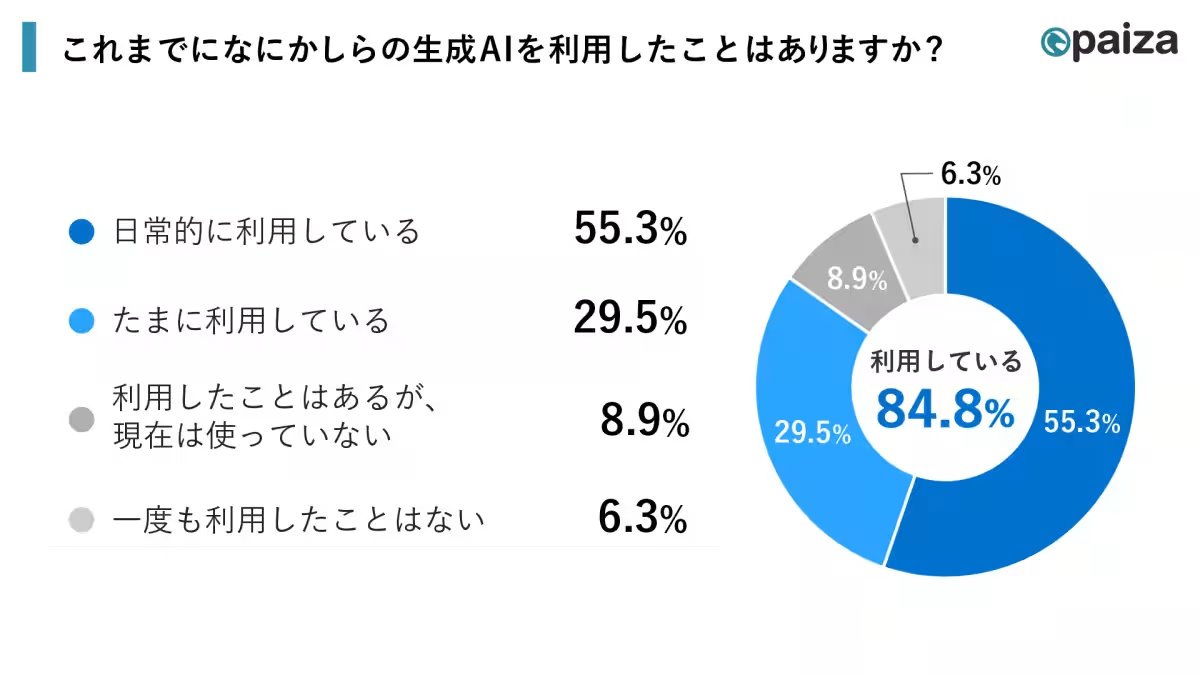
Recent insights gathered from a survey conducted by paiza Inc., a platform tailored for IT engineers, reveal a remarkable trend among the AI-native generation entering the job market. Over 84% of respondents, comprising students graduating from 2026 to 2029, have reported utilizing generative AI as a crucial tool for their job search activities. This analysis highlights an urgent need for companies to rethink their recruitment strategies to adapt to this new reality.
Survey Highlights
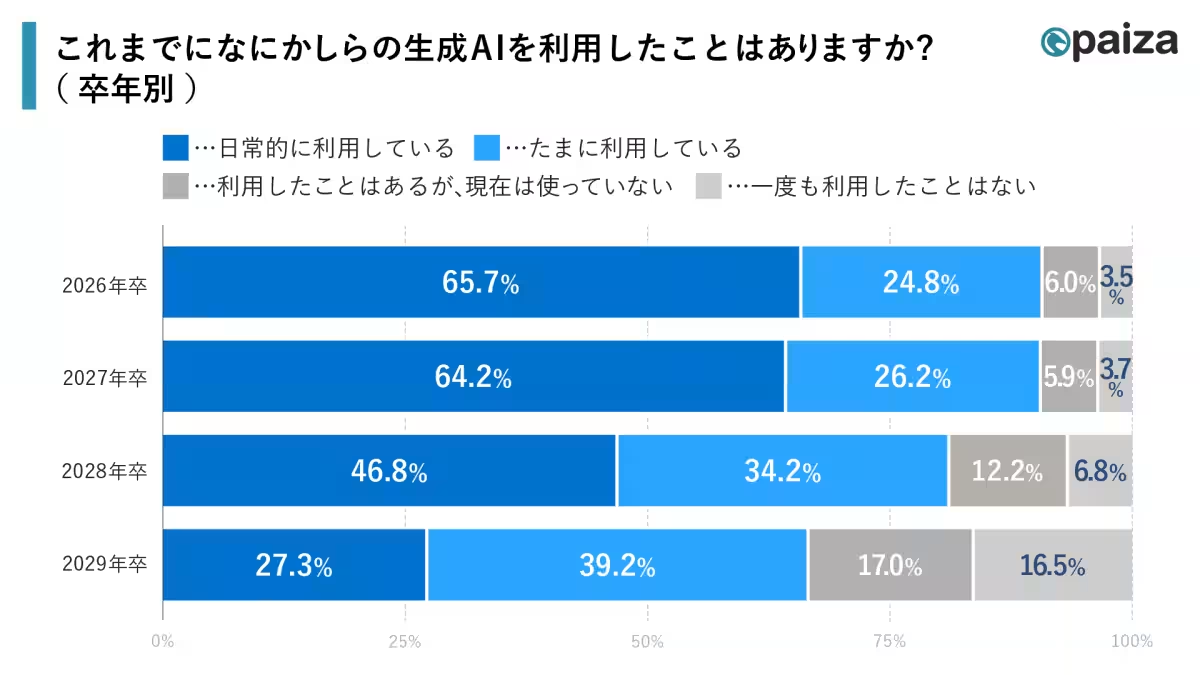
The survey indicated that the adoption rate of generative AI peaks in younger graduating classes, with an overwhelming 90% of the 2026 and 2027 graduates actively using AI tools compared to 80.9% of 2028 graduates and 66.5% of 2029 graduates. This exponential rise underscores a generational shift in how job seekers—especially those in STEM fields—approach their career planning.
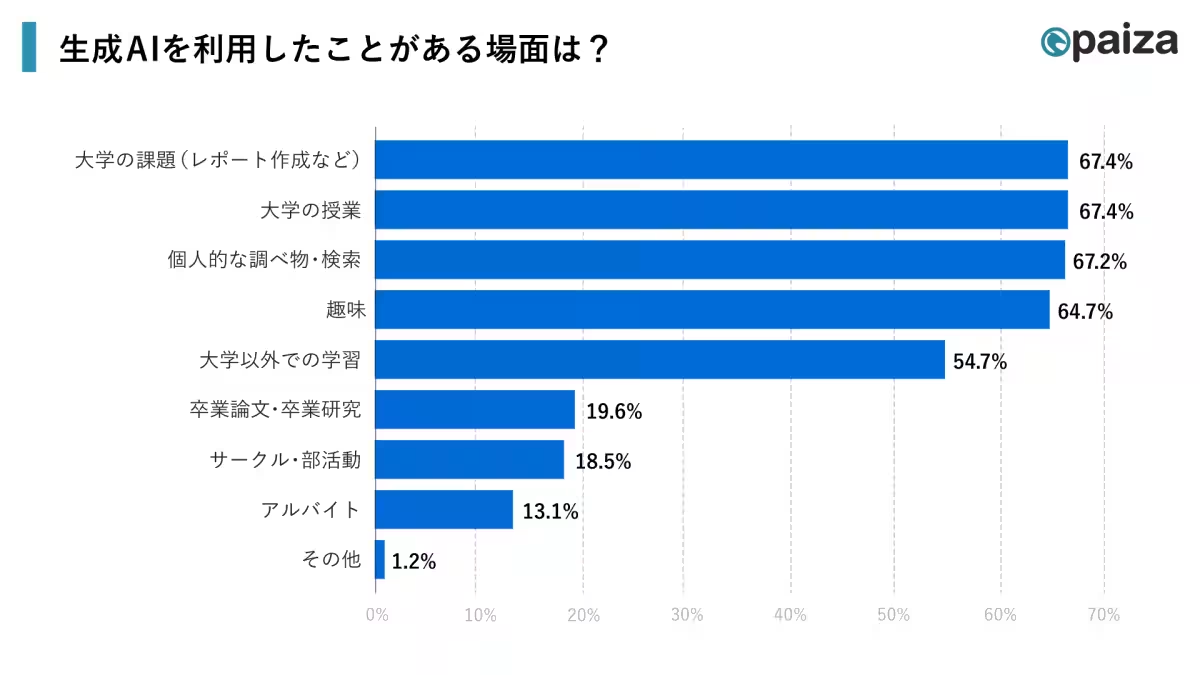
Moreover, the predominance of generative AI embraces a wide array of functions. Approximately 66% of respondents leverage these tools for personal research, while 60% utilize AI for academic tasks, including assignment writing and course studies. This trend reinforces the role of generative AI not just as a supplementary aid but as an integral part of the educational journey for students.
Generative AI in Job Hunting
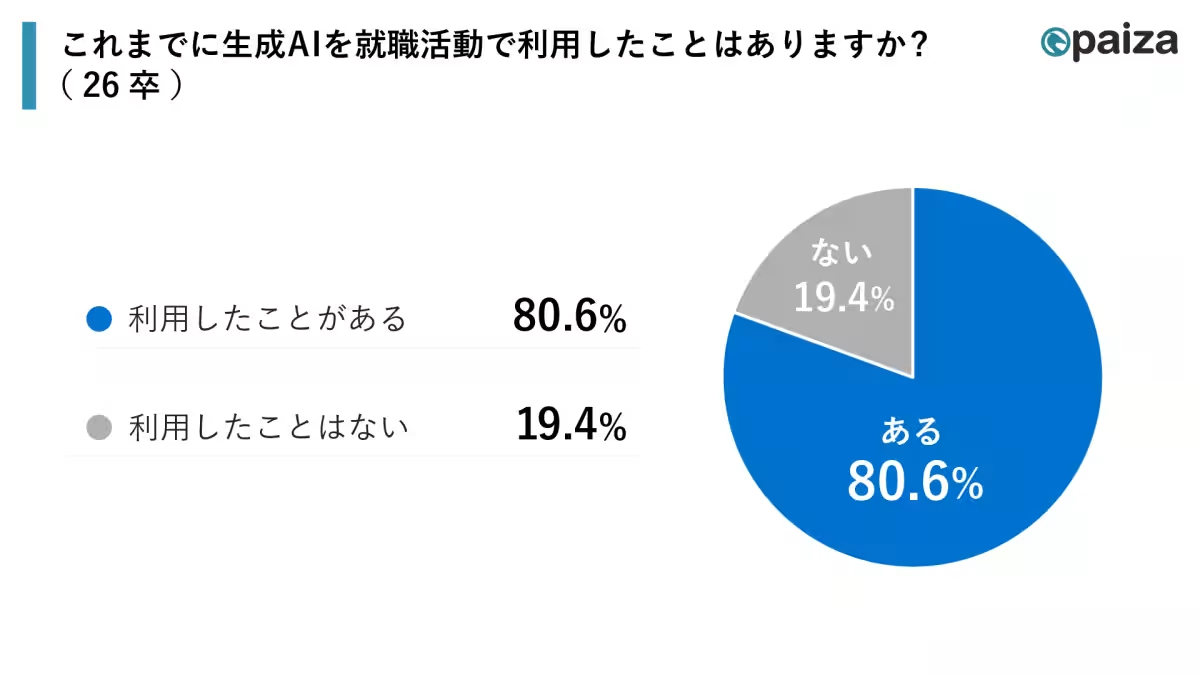
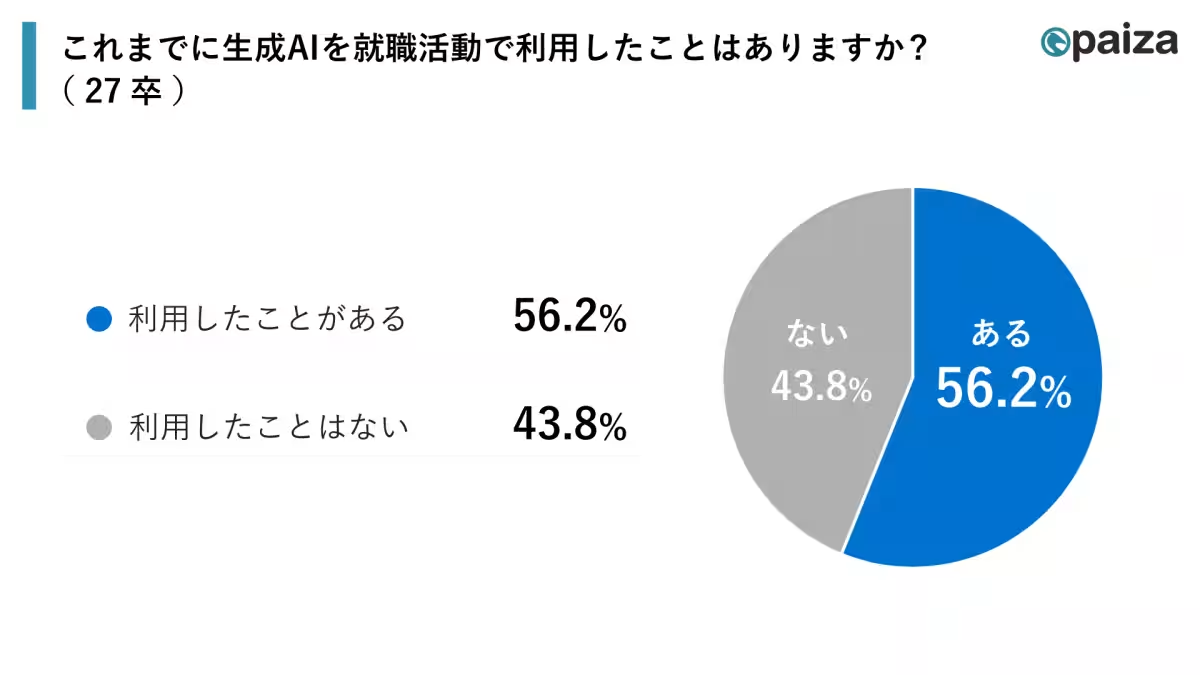
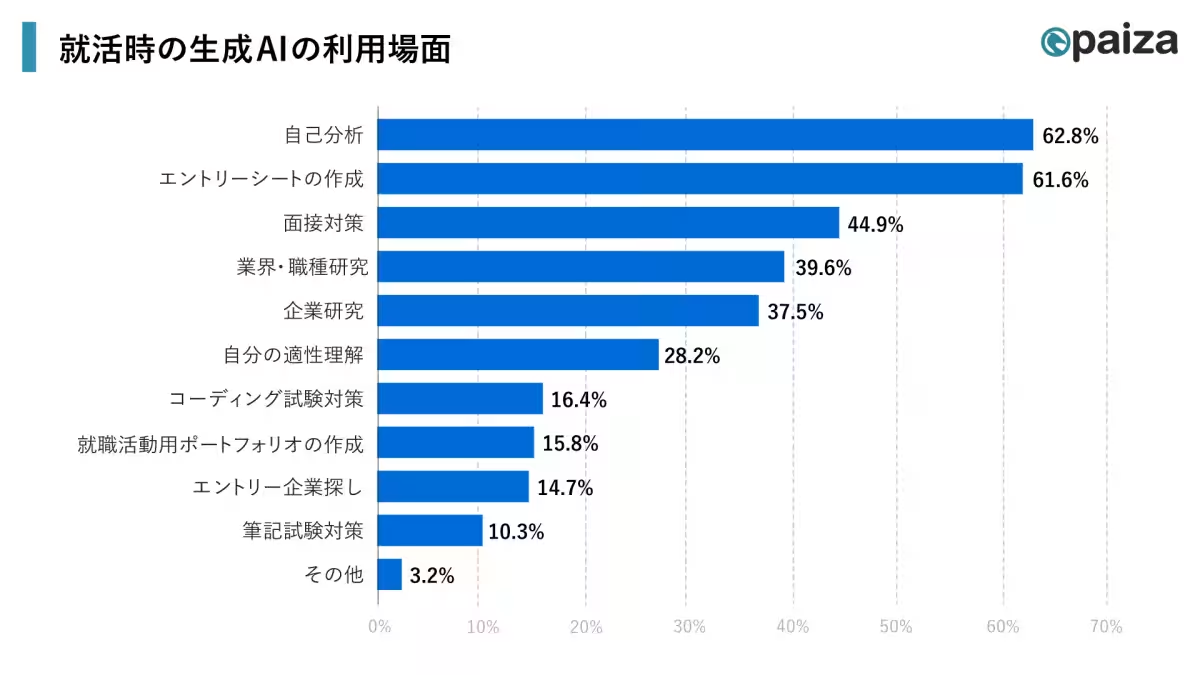
When it comes to job searching, an impressive 80.6% of the 2026 graduates reported having used generative AI in their career pursuits. Even the next cohort, the 2027 graduates, displayed a significant engagement rate of 56.2%. The utility of generative AI extends into various job-related tasks, such as self-analysis (63%), industry research (40%), and crafting application materials, including entry sheets and personal portfolios, with respective usage rates of 62% and 16%.
These trends signify a profound penetration of AI technologies in the job market landscape for future IT engineers. As generative AI increasingly assists in critical tasks—from self-assessment to document preparation—there arises a pressing challenge for companies to acknowledge and adapt to the evolving characteristics of this AI-native generation.
Implications for Recruitment Strategies
The findings from this survey suggest that as generative AI continues to become ingrained in the job search process, companies will need to rethink conventional evaluation modalities. Traditional metrics used for gauging candidate capabilities, such as standardized tests and simplistic interview techniques, may become inadequate. There is a growing apprehension that discerning potential capabilities in this new era may lead to mismatches and heightened turnover rates.
However, this shift also opens opportunities. Generative AI has the potential to empower students to harness their skills and capacities for personal growth and realization. Businesses will thus need to carve out appropriate evaluation frameworks that can effectively recognize and enhance the recruitment of individuals who are proficient in AI tools, which is vital for strengthening organizational competitiveness.
Insights from paiza's CEO
Ryohei Katayama, CEO of paiza Inc., articulated the stark reality unveiled by this research. It demonstrates how generative AI has integrated deeply into the lives of students aspiring to become IT engineers, shaping their journey from education to employment in ways previously unimaginable. This report serves as a clarion call for industries to acknowledge and embrace the emergence of the AI-native generation.
At paiza, the focus is on promoting growth among individuals and organizations, ensuring a continuous feedback loop in learning and development that simultaneously fosters talent in the tech industry. The mission is to build a unique platform where individuals can thrive—a vision encapsulated in the message: "Unleash your potential."
Conclusion
The data confirms that for the AI-native generation, generative AI isn't merely an option; it is now an essential tool woven into their career fabric. The holistic adaptation of this technology into their academic and professional pursuits marks a significant evolution in the landscape of recruitment. To effectively harness the potential of this generation, organizations must develop innovative strategies and tools that align with the proficiency of AI, ensuring that both candidates and firms can navigate this evolving terrain prudently.
The future of job hunting is here, and it is driven by generative AI, necessitating a modern approach to recruitment and skill evaluation in the tech industry.
About paiza
paiza is a specialized platform for IT engineers that facilitates job searches, recruitment, and learning. With approximately 890,000 registered users and more than 4,700 companies utilizing its services, paiza has become a cornerstone in the tech job market.
Topics People & Culture)


【About Using Articles】
You can freely use the title and article content by linking to the page where the article is posted.
※ Images cannot be used.
【About Links】
Links are free to use.