



A Deep Dive into Employee Dissatisfaction with Office Environments: Survey Insights
Understanding the Office Environment: Employee Perspectives
As workplaces evolve in the wake of new working styles, it appears that many employees are experiencing discontent with their office environments. A study conducted by Idex Business Services, which runs the office renovation service WAKURINO, sheds light on the nature of this dissatisfaction among office workers who have experienced changes in their working environments in the new fiscal year.
Background of the Survey
This investigation, focusing on ``Office Environment and Motivation,'', was conducted entre April 22 and 24, 2025. A total of 1,003 employees who had either transitioned to a new office or changed their roles responded to the survey, which was facilitated via internet research by PRIZMA. The aim was to discern how office conditions impact employee motivation and their overall work experience.
Key Findings: Discontent in the Workplace
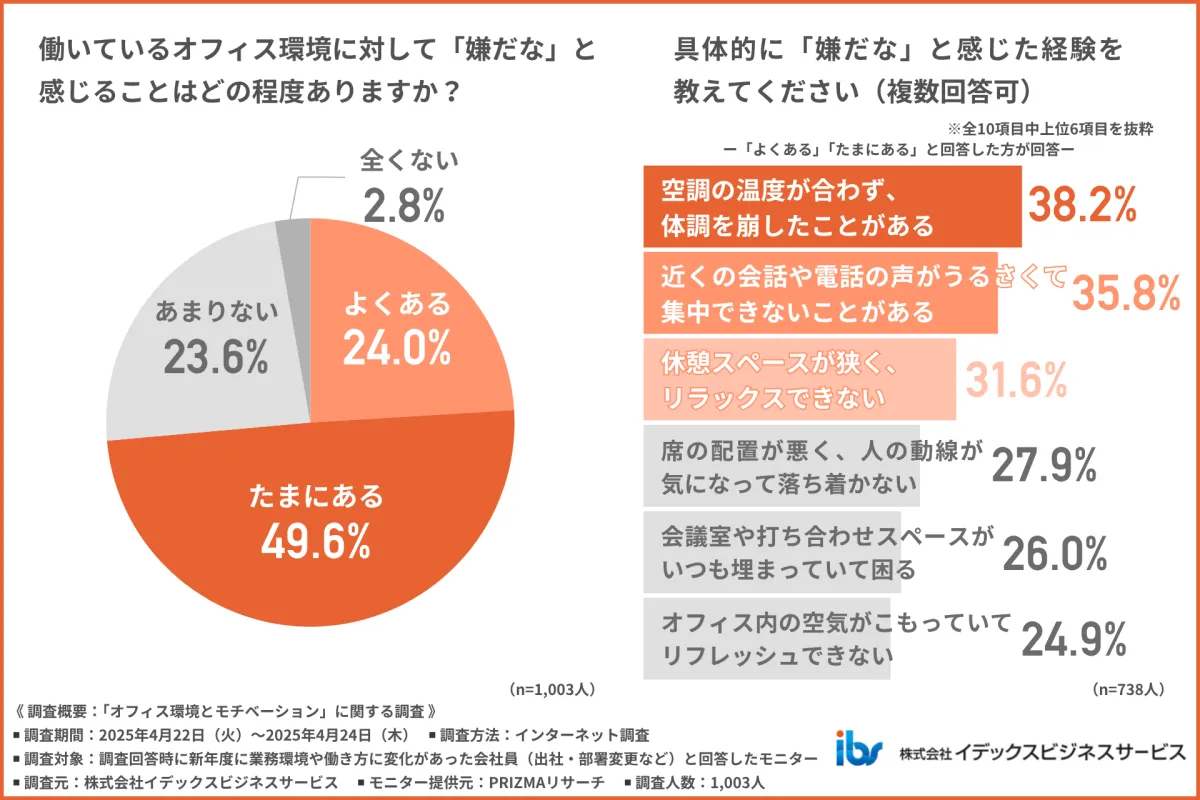
The survey unveiled a staggering conclusion: approximately 70% of employees reported feelings of dislike or discomfort within their work environments. Among the responses, 24% indicated these feelings were frequent, while 49.6% noted they occurred occasionally. This highlights a significant issue in workplace well-being, with a minority expressing satisfaction.
To delve deeper, the survey inquired about specific grievances. Notably, 38.2% of participants mentioned discomfort with the office’s air conditioning, impacting their health. Other reported issues included disruptive noise from nearby conversations (35.8%) and cramped relaxation areas (31.6%).
The data indicates that physiological comfort, primarily through temperature control, plays a crucial role in workplace well-being. Poor noise management and limited recreational spaces also emerged as prevalent deficiencies that hinder concentration and relaxation, emphasizing the need for optimal physical conditions in office design.
Rankings of Displeasure: Space Design vs. Environmental Factors
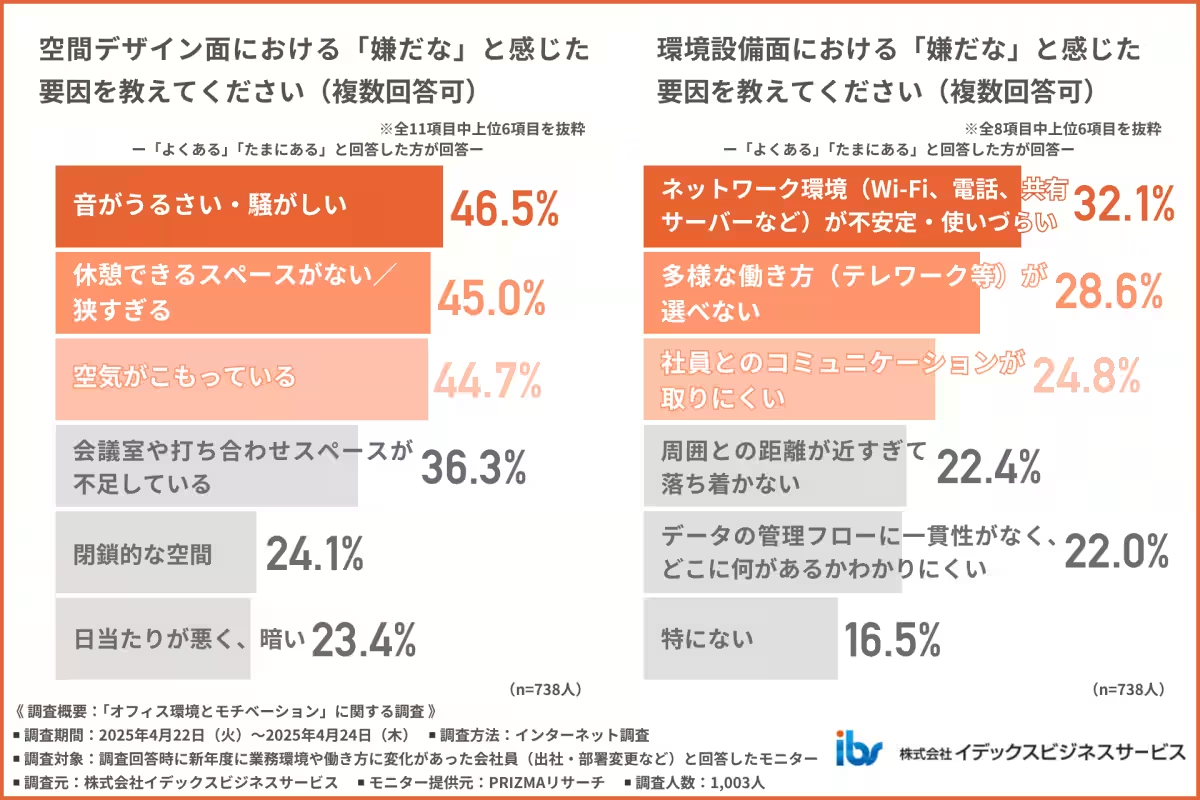
The respondents were further probed about their discomfort concerning spatial design elements in their offices. The leading issue identified was excessive noise (46.5%), followed by inadequate or non-existent relaxation spaces (45.0%) and stale air quality (44.7%). These findings reflect how often the non-visual aspects of an environment significantly affect mood and productivity.
In terms of environmental facilities, 32.1% lamented unreliable network conditions (Wi-Fi, phone, shared servers), while 28.6% desired more versatile work choices, like remote working options. This unstable network environment can serve as a considerable stressor, impacting daily tasks and overall productivity.
Emotional Impacts of Subpar Office Environments
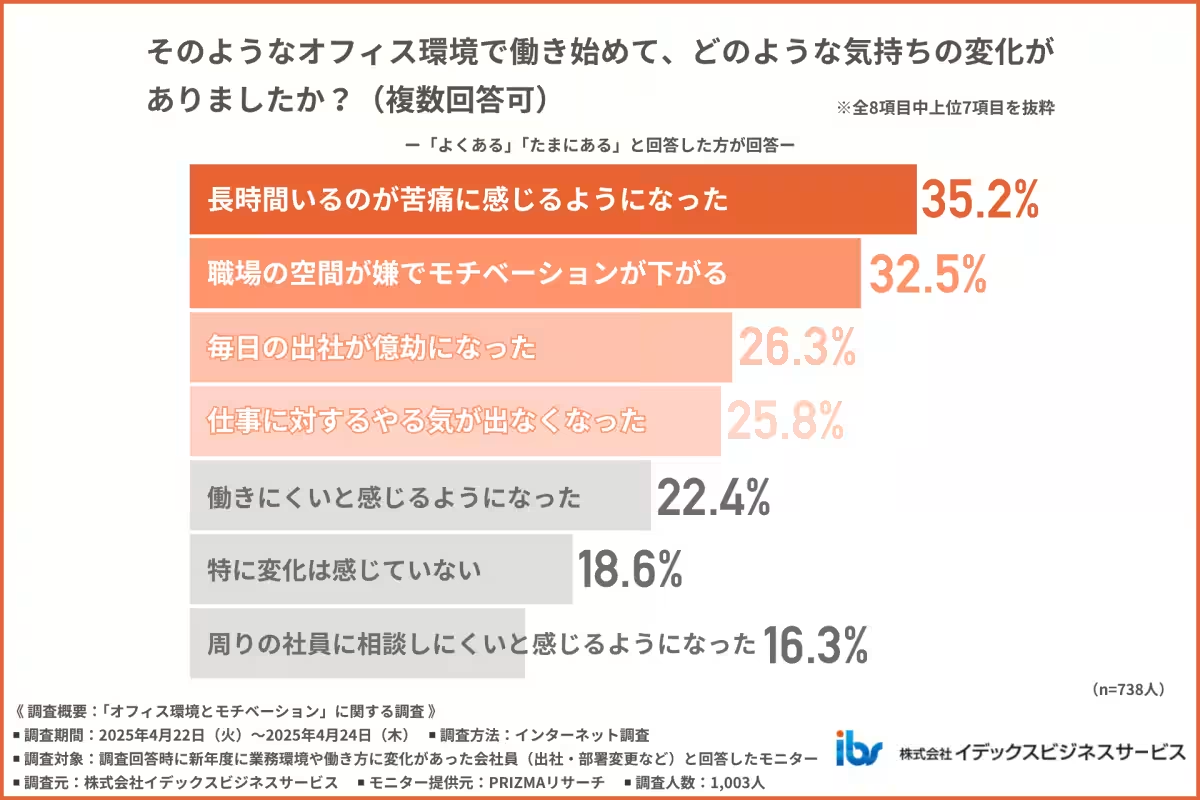
The survey also explored how these environmental issues affect the overall workplace sentiment. A distressing 35.2% of participants indicated that they had grown to dread long hours at work due to their office conditions. Additionally, 32.5% felt their motivation dwindled as a result. The overwhelming consensus illustrates a direct correlation between office dissatisfaction and declining enthusiasm for work, creating a worrying trend that could lead to lower retention rates.
The Path Forward: Improving Office Environments
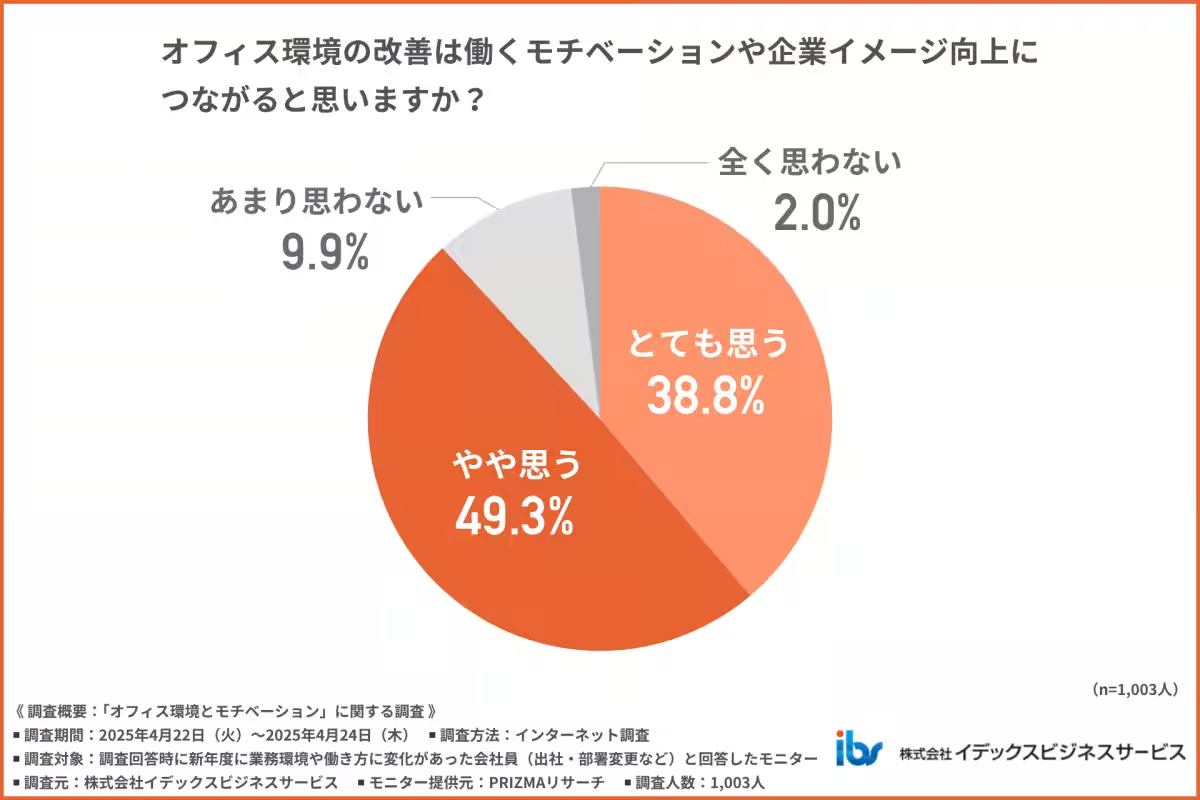
Despite these challenges, the survey indicated a strong belief among respondents that enhancing their office environment could positively affect their motivation and corporate image. Approximately 88% of individuals felt firmly or somewhat that such improvements could yield positive changes in workplace engagement and perception.
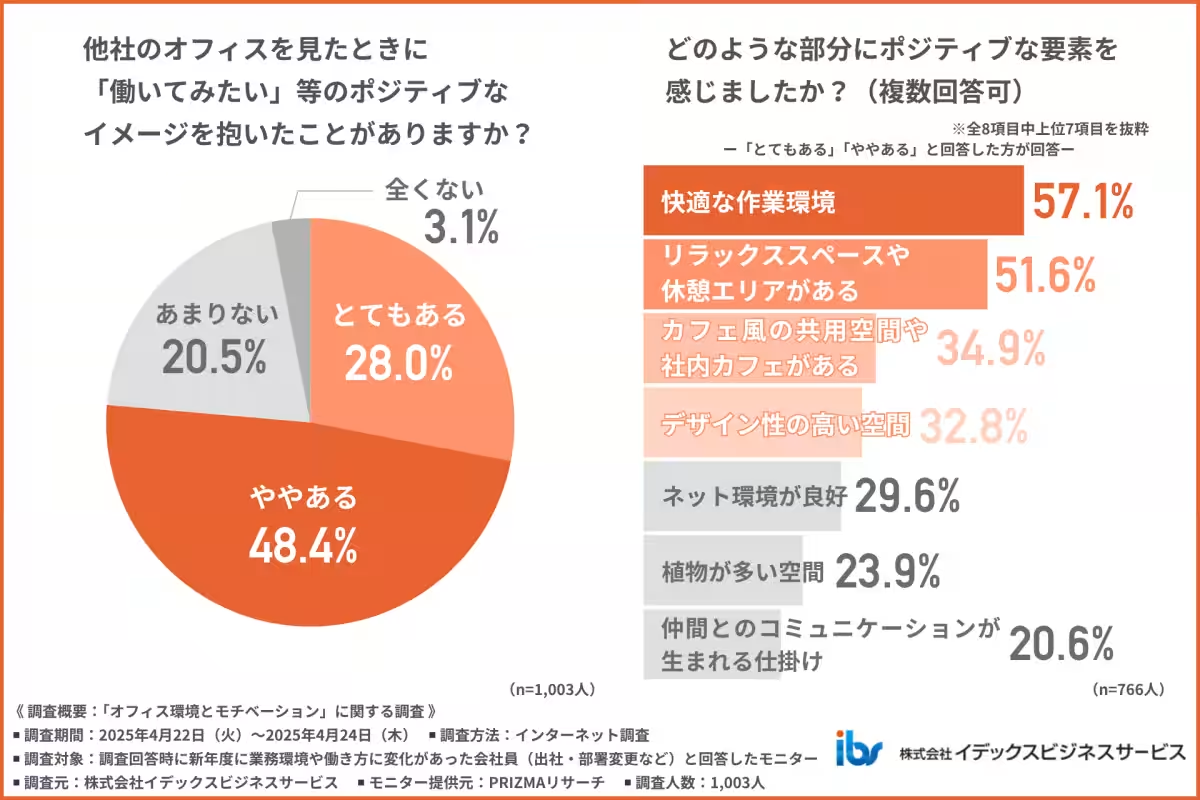
When inquired about their perceptions of other companies' offices, an impressive 76.4% reported having positive impressions, citing aspects like comfort, relaxation spaces, and aesthetically appealing designs as key factors in their appreciation. This suggests that visual and sensory elements are becoming increasingly important in attracting talent.
Top Three Desired Features in a Renovated Office
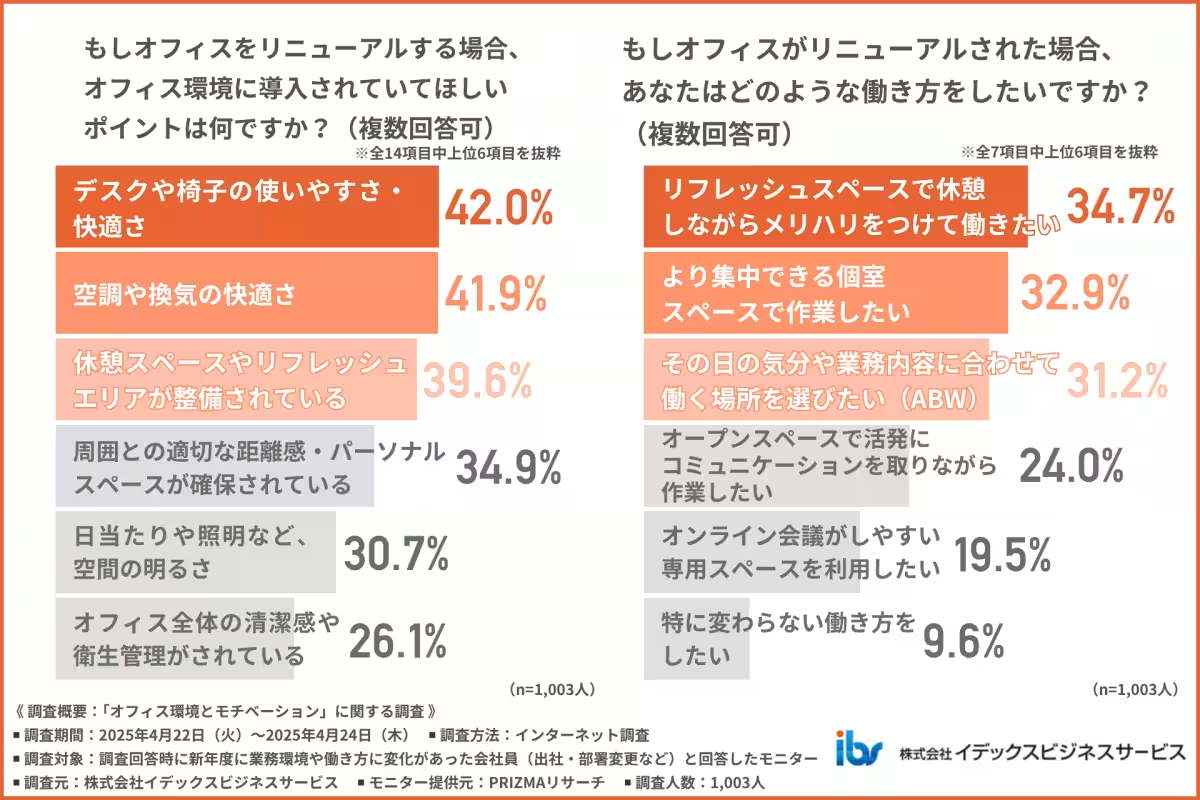
Given this context, the survey sought insights on what features employees would like to see in an office renovation. The three most requested improvements were comfortable and ergonomic desks and chairs (42.0%), efficient air conditioning and ventilation (41.9%), and well-designed relaxation areas (39.6%).
These results underscore a prioritized demand for comfort and utility in workspaces, indicating that the quality of work hours significantly affects productivity. There is also a clear need for allocated personal spaces that accommodate diverse working styles.
Conclusion: Impact of Office Environments on Employee Morale
Ultimately, this survey illustrates how vital office environments are in shaping employee satisfaction, motivation, and engagement. With over 70% admitting to experiencing some level of discomfort in their offices, it is clear that addressing physical conditions such as temperature control, noise management, and recreational space is essential for enhancing employee morale.
Moreover, the findings highlight that modern workers increasingly value flexible working arrangements, making it a critical factor for employers aiming to retain talent. The positive correlations between office renovations and employee engagement suggest that organizations investing in workplace improvements could substantially benefit from improved productivity and enhanced corporate image.
WAKURINO: A Solution for Office Renovation
For those looking to elevate their office environments, WAKURINO, managed by Idex Business Services, offers comprehensive office renovation services. From layout designs to implementing the latest IT tools, WAKURINO provides end-to-end solutions tailored to client needs, focusing on creating spaces where employees can thrive.
For further insights and case studies or to explore their service offerings, visit WAKURINO.

Topics People & Culture)

【About Using Articles】
You can freely use the title and article content by linking to the page where the article is posted.
※ Images cannot be used.
【About Links】
Links are free to use.