



Genome Analysis of Tsushima Leopard Cat Reveals No Recent Domestic Cat Interbreeding
Genome Analysis of the Tsushima Leopard Cat
The Tsushima leopard cat (Prionailurus bengalensis euptilurus), found exclusively on Tsushima Island in Japan, was subjected to a comprehensive genome analysis to investigate concerns regarding potential recent interbreeding with domestic cats (Felis catus). This research was a collaborative effort involving multiple institutions, including the Anicom Advanced Medical Research Institute and Kyoto University’s Wildlife Research Center.
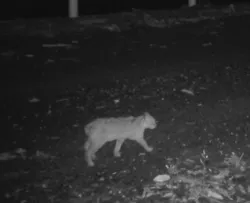
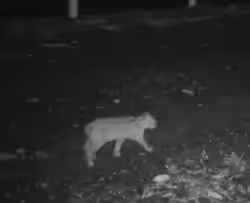
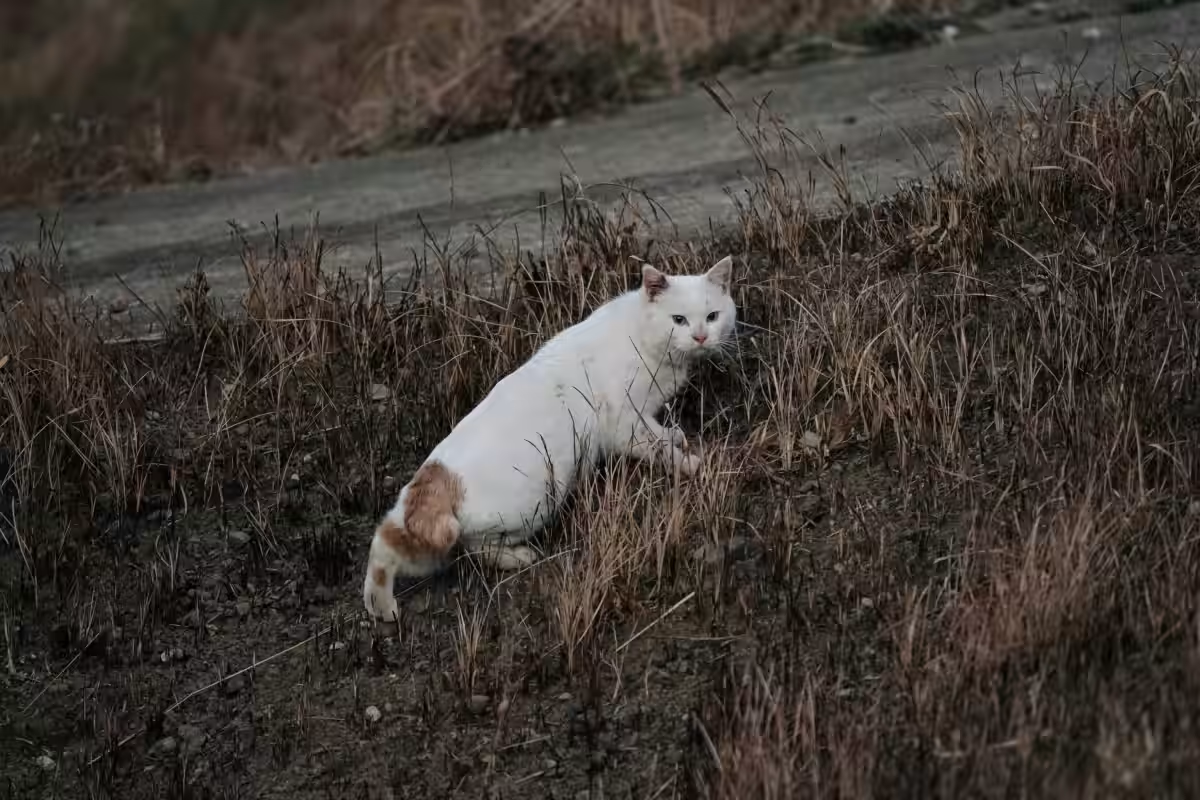
Recent observations had raised alarms about a short-tailed Tsushima leopard cat that was captured for study. Given that hybridization with domestic cats can lead to a loss of genetic uniqueness, it was essential to assess whether such mixing had occurred. Researchers examined the nuclear genome in addition to mitochondrial DNA from a total of twenty-five individuals: one short-tailed leopard cat, fifteen normal-tailed Tsushima leopard cats, five domestic cats from Tsushima, and four Amur leopard cats from the mainland.
The primary findings revealed that the short-tailed individual fell firmly within the Tsushima leopard cat genetic cluster without indicating a mixed genetic background with domestic cats. Both nuclear and mitochondrial analyses supported this conclusion, negating fears that the distinct morphological trait of a shortened tail had arisen through hybridization.
Background and Significance of the Research
Tsushima leopard cats are listed as critically endangered on Japan’s Ministry of the Environment’s Red List, with an estimated 90 to 100 individuals living in the northern part of Tsushima and at least 17 in the southern part. The presence of domestic cats on the island raises concerns not only about potential hybridization but also about the transmission of diseases, such as feline immunodeficiency virus (FIV).
This study sheds light on critical conservation techniques, demonstrating that external appearances alone cannot be relied on to estimate hybridization risks. The research showed that abnormalities, such as the short tail, do not necessarily indicate past interbreeding but can arise from genetic mutations known to affect tail development.
Methodology
The analysis focused on 3.8 million single nucleotide polymorphisms (SNPs) to explore genetic relationships. Using principal component analysis (PCA) and ADMIXTURE analysis, researchers found that the short-tailed cat displayed no intermediate genetic association with domestic cats, aligning closely with other individuals of the Tsushima leopard cat.
While the inbreeding coefficient of the short-tailed individual was comparable to that of the normal-tailed population, no known mutations linked to tail abnormalities in domestic cats were identified. This indicates that the morphological feature is an internal variation rather than a hybridization effect.
Challenges and Future Directions
Despite establishing that recent hybridization with domestic cats did not occur, the exact causes behind the short tail remain unclear. Factors such as congenital or developmental anomalies emerge as possibilities, necessitating further investigation. The study emphasizes the importance of ongoing genomic research in understanding genetic health and ensuring the conservation of vulnerable species.
As threats continue to loom from possible domestic cat interactions, future studies are encouraged to include non-invasive genetic monitoring using environmental DNA from feces or habitat samples. This could provide continuous insights into the genetic diversity and health of the Tsushima leopard cat population.
In conclusion, while the immediate risk of hybridization appears minimal, ongoing vigilance and targeted conservation strategies remain paramount to ensure the survival of this unique subspecies. There remains a critical need to manage both domestic and wild cat populations effectively in Tsushima to safeguard the genetic integrity of the Tsushima leopard cat.
Topics Environment)

【About Using Articles】
You can freely use the title and article content by linking to the page where the article is posted.
※ Images cannot be used.
【About Links】
Links are free to use.