



Study Shows How Homeownership Influences Happiness in Families
The Correlation Between Homeownership and Family Happiness
In a recent study conducted by the LIXIL Housing Research Institute, the connection between homeownership and the happiness levels of families, especially among those raising children, was explored. The report, titled "Research Report on Housing and Family Happiness", provides insight into how owning a home contributes significantly to the sense of well-being in family life. The findings will be publicly available on Sodate, a family-oriented platform by Eyeful home, starting October 15, 2025.
Background of the Study
The research was carried out in February 2025, targeting a demographic of 1,000 parents between the ages of 20 and 40. The study aimed to delve deeply into mental peace and financial stability linked to homeownership, while also identifying common traits among high-happiness families. LIXIL’s internal think tank, the Kids Design Institute, analyzed the data collected from the survey, centered around twelve themes concerning the "Kids Design Philosophy".
Sodate article link: Visit Sodate here!
Key Findings from the Report
1. Importance of Home as More Than Just a Shelter
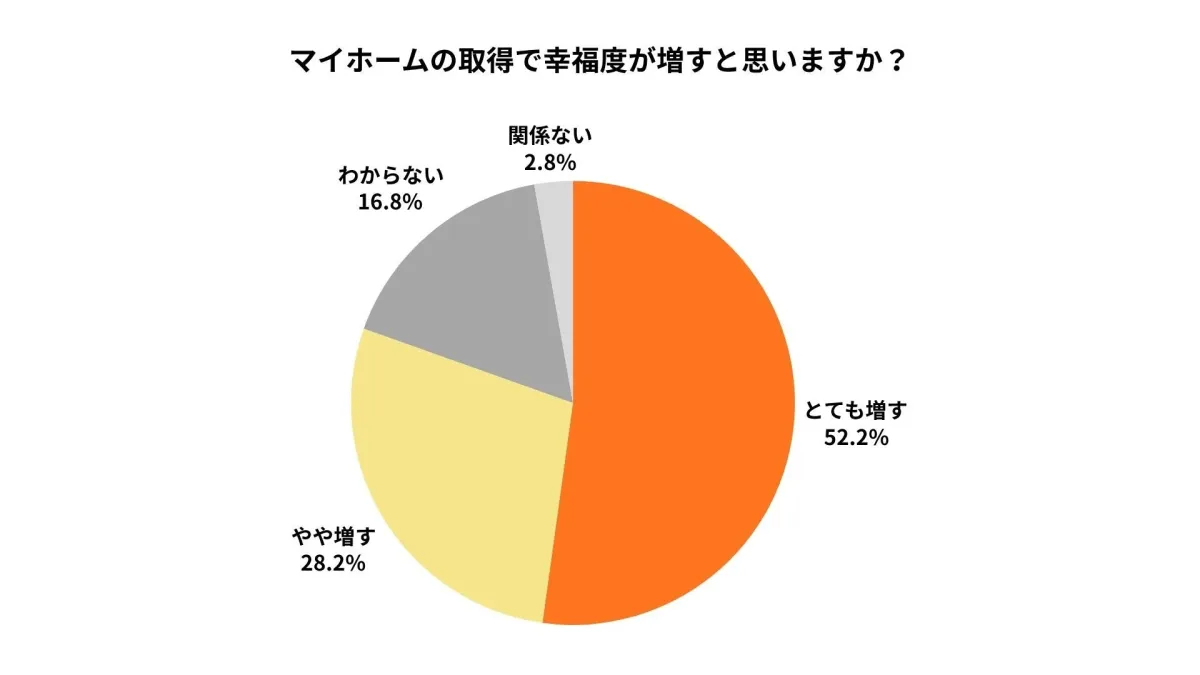
The report emphasizes that homes provide much more than just a physical space; they act as a foundation that fosters emotional richness. It highlights that having a comfortable and secure home enhances everyday happiness. Over 80% of new home owners believe that their property elevates their happiness. In survey results, 52.3% expressed that their future happiness would significantly increase, while 28.3% felt it would slightly increase.
2. The Happiness Gap Among Generations
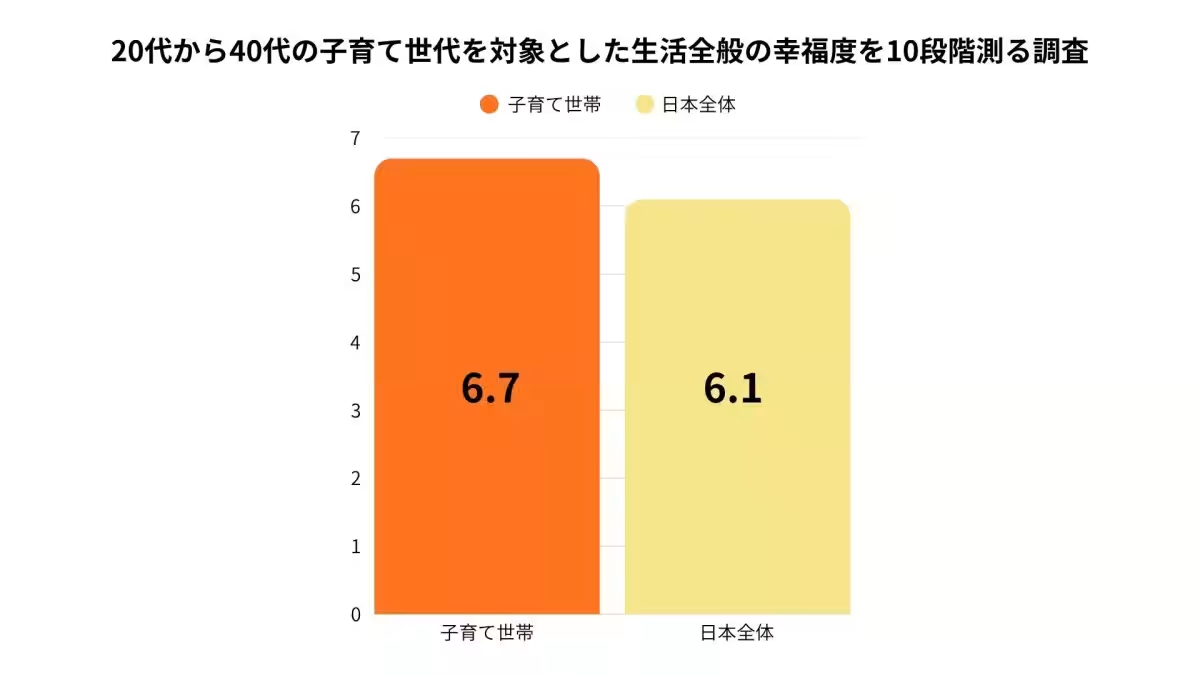
Contrary to the national average happiness score of 6.1, surveyed families in their 20s to 40s reported an average happiness score of 6.7. Factors attributed to this happiness include the joy of witnessing their children grow (27.2%) and an increase in happy moments (20.1%). These statistics suggest that the cultural emphasis on family bonds in Japan significantly contributes to the well-being of parenting generations.
3. Greater Satisfaction with Detached Homes
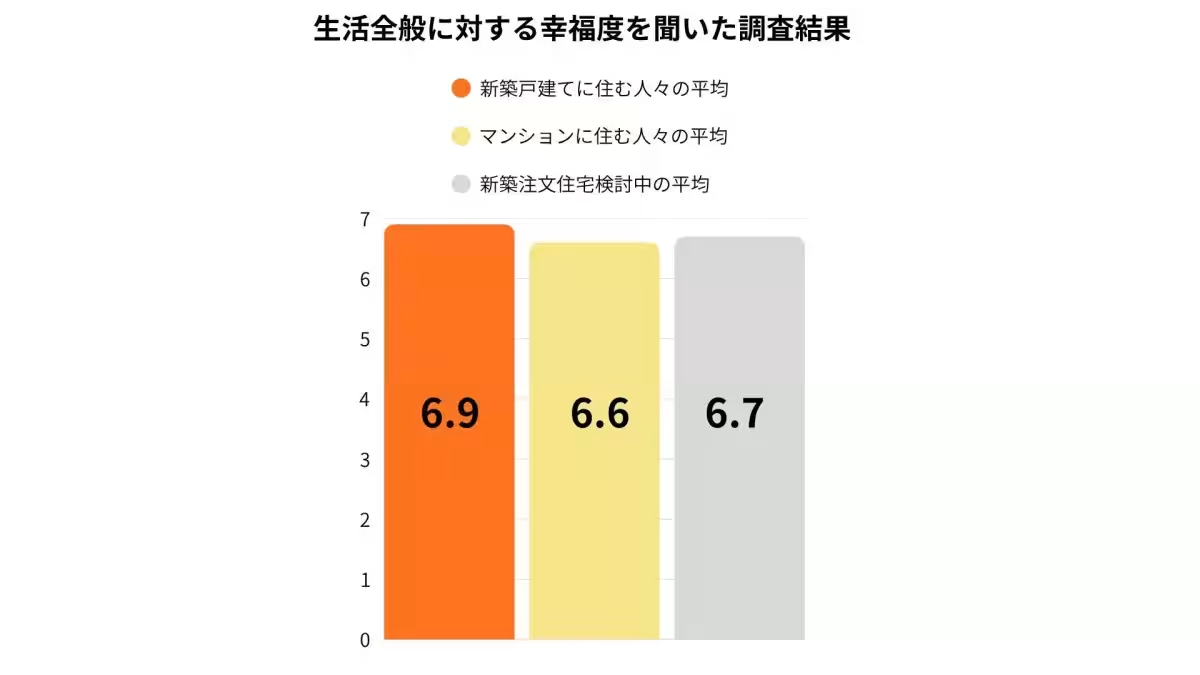
The report uncovers that those living in newly constructed detached homes report an average happiness score of 6.9, surpassing the 6.6 reported by apartment dwellers. Satisfaction levels with one’s home were also notably higher among detached homeowners, with an average score of 7.1 compared to the 6.7 for apartment residents. This stark divide illustrates how flexibility in design and suitability for family lifestyles play pivotal roles in home satisfaction.
4. Key Factors Enhancing Happiness
Beyond material wealth, factors that significantly enhance happiness include mental health (25.2%) and the presence of reliable family (22.5%). The data indicates that the emotional connections and support from family members have a more prominent effect on happiness than financial considerations.
5. Conditions for a Happy Home
When it comes to what aspects create a happy living environment, the top three conditions identified were ease of parenting (31.3%), a cozy family living room (29.5%), and well-lit rooms (28.1%). These results highlight the necessity for environments conducive to both childcare and family interactions, which in turn support overall happiness.
Conclusion
The findings reveal that homes offer fundamental emotional values, particularly for parenting generations. The security, freedom, and future planning benefits provided by owning a home significantly boost day-to-day happiness among families. From the analysis, it's evident that homeownership emerges not just from physical ownership, but from the psychological assurances it provides, enhancing family life positively.
Additional Insights from the Report:
- - Home Influence on Life Satisfaction: Respondents reported that more than half of their overall happiness (an average of 57.5%) is tied to their living conditions, with detached homeowners feeling that this influence is stronger than those in apartments.
- - Desired Roles of Modern Homes: Current families prioritize emotional value, seeking homes that are places to feel secure, enjoy time together, and relax.
- - Moments of Happiness for Parenting Generations: Family time was indicated as the most cherished moment by 52.9% of parents, showcasing the impact of home life on happiness.
- - Income and Happiness Gap: There exists a notable disparity of approximately 300,000 yen between desired and actual household incomes, raising questions about budget management and satisfaction in living conditions.
- - Health and Happiness Connection: Higher happiness levels correlate with self-reported health, highlighting how the quality of a living environment can contribute to wellness.
As a tool for families, Sodate aims to support parents in creating nurturing home environments. With categories covering everything from organization to safety, it reflects the findings of the report and strives to assist families in fostering growth and happiness within their homes. The full report will be available for more in-depth reading in the coming months.
About LIXIL Housing Research Institute
LIXIL Housing Research Institute, part of the comprehensive LIXIL Group, focuses on providing solutions that enhance living standards. Established in 2008, the institution addresses challenges surrounding housing, especially those affecting children and families, contributing to a better living environment through research and development.
Topics People & Culture)

【About Using Articles】
You can freely use the title and article content by linking to the page where the article is posted.
※ Images cannot be used.
【About Links】
Links are free to use.